





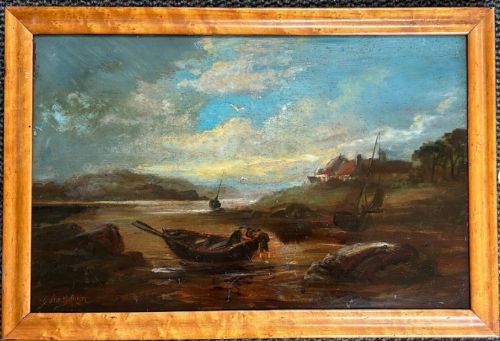


Scottish School Landscape Art
These pieces of scottish school landscape art capture rugged northern light and atmospheric coastal views, offering a genuine piece of Highland heritage for your wall.
Scottish School Landscape Art
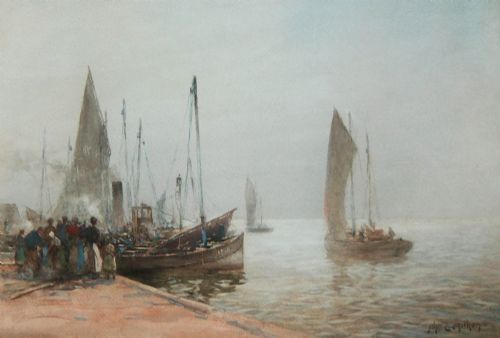
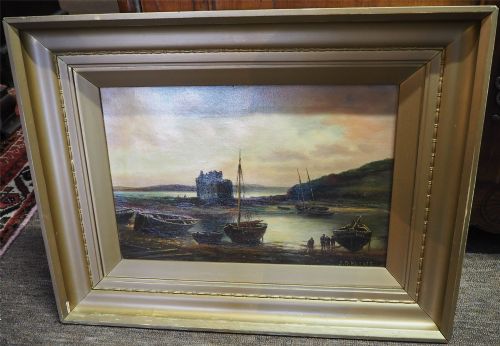
When you search for scottish school landscape art, you encounter oil paintings, watercolours, and ink drawings that record the topography, lochs, and coastal settlements of Scotland. These works span from the Georgian and Victorian eras through the Edwardian period and into the nineteen-thirties, reflecting changing artistic approaches to the natural world. Highland vistas with sheep, quiet fishing ports like Anstruther, and moody inland waters form the core subjects you meet here.
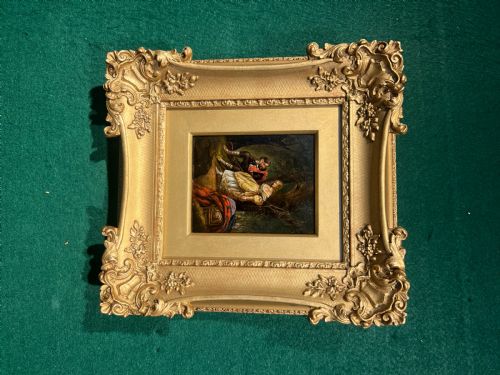
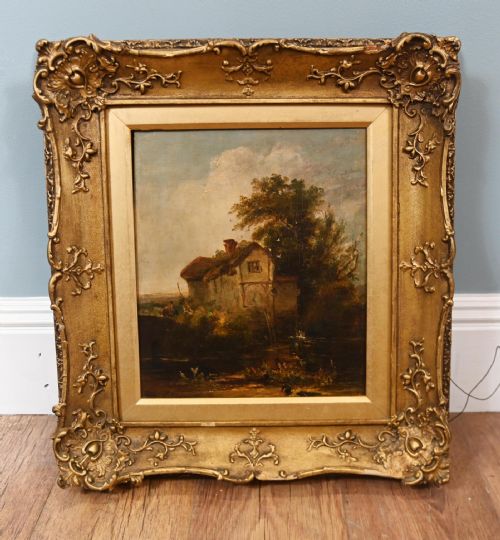
The version you are most likely to find on this page is an oil painting on canvas or wood panel, alongside delicate watercolours on paper. Many retain their original gilt wood and gesso frames, which complete the period appearance of the artwork. The selection ranges from uncredited regional studies to signed compositions by recognised practitioners of the Scottish school and related British impressionist circles.
How these works were created
Artists painted primarily in oil on canvas, oil on wood panel, or watercolour on paper, using pigments that captured the shifting northern weather and deep autumnal tones. Canvases were stretched over wooden frames and secured within ornate gilt wood and gesso mouldings designed to complement the domestic interiors of the nineteenth and early twentieth centuries.
Draftsmanship underpinned both the fluid watercolours and the heavier impasto seen in the impressionist works, with pen and ink also appearing in arts and crafts examples. The physical build of these pieces relies on traditional joinery in the frames and stable priming on the panels and canvases to survive across the centuries.
The listings span from the Georgian period through the Victorian and Edwardian eras into the nineteen-thirties, using oil, watercolour, pen and ink, wood, and gesso.
What separates the finest examples
The distinction between a standard regional study and a superior work rests on the confidence of the brushwork and the artist's command of atmospheric light. Finer pieces demonstrate a deliberate handling of paint, particularly in skies and water, where tone and texture create a convincing sense of depth and weather.
Condition and originality also govern the standing of a piece, especially the retention of the matching period frame and the stability of the canvas or panel. Works that preserve their untouched surface and historical framing carry a stronger visual presence than those altered or rehoused in later years.
George Fotherly Hargitt·Tom Campbell·James E Aitken·Frank Hider·Robert Gemmell Hutchinson·Sam Bough·Alfred de Breanski Snr·George Smith·Edward John Niemann·Allan Douglass Mainds
The Scottish School Landscape Art Glossary
- Scottish School
- A term applied to artists working in Scotland or producing work influenced by Scottish landscape traditions across the eighteenth, nineteenth, and early twentieth centuries. This grouping encompasses various styles from romanticism to early impressionism.
- Gilt Wood
- Timber carved or moulded and coated with a thin layer of gold leaf, commonly used for nineteenth-century picture frames. It provides the reflective border that traditionally sets off dark oil paintings.
- Gesso
- A plaster-like mixture applied to wood frames as a base for gilding or painting. It allows craftsmen to create crisp, ornate relief decorations before applying gold leaf.
- Panel
- A flat piece of wood used as a rigid painting surface instead of stretched canvas. Artists during the nineteenth century frequently utilised panels for smaller, portable plein air studies.
- Impressionism
- An artistic approach focusing on the visual impression of the moment, particularly shifting light and open-air conditions. In Scottish art, this translates to looser brushstrokes and vibrant colour relationships.
Scottish School Landscape Art: Frequently Asked Questions
How do I date an antique Scottish landscape?
Dating relies on stylistic clues, framing techniques, and signatures or biographical records of the artist where available. Georgian and Victorian works often feature heavier romantic conventions, while Edwardian and nineteen-twenties pieces introduce impressionistic handling.
Materials also help establish age, as nineteenth-century stretchers, framing gesso, and paper types differ noticeably from later twentieth-century manufacturing methods. Examining the reverse of the canvas or panel frequently reveals historical labels, inscriptions, or dealer stamps that narrow down the timeline.
Where should I hang a landscape painting?
These works suit traditional reception rooms, studies, or hallways where natural light can bring out the subtleties of the oil pigments or watercolours. Avoid placing them in rooms with excessive moisture or direct sunlight that might damage paper or warp wooden panels.
Pairing a Scottish landscape with period furnishings or placing it above a mantelpiece creates a traditional context. Ensure the wall brackets are secure, as the original gilt wood and gesso frames can carry significant weight.
What is a Scottish Highland landscape?
A Scottish Highland landscape is a visual representation of the mountainous terrain, lochs, glens, and remote bothies characteristic of northern Scotland. These compositions often feature dramatic skies, rugged terrain, and figures such as shepherds with sheep or fishermen by inland waters.
Artists utilised these subjects to evoke the romantic isolation and natural grandeur of the region. The genre was particularly popular during the Victorian and Edwardian eras when collectors sought evocative reminders of rural Scottish travel.
How do I care for antique watercolours?
Antique watercolours on paper require protection from direct ultraviolet light, which causes fading in pigments and yellowing in paper supports. Framing them behind conservation-grade glass helps shield the delicate washes from atmospheric pollutants and humidity.
Keep them away from damp exterior walls and fluctuating temperatures to prevent mould growth or paper degradation. Professional framing using acid-free mounts ensures the paper remains stable over decades of display.