


Scottish Landscape Wall Art
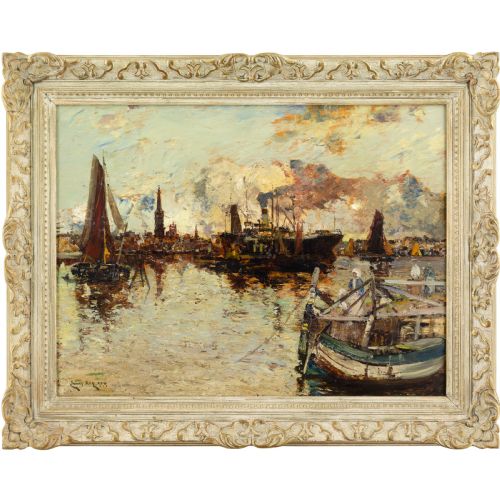
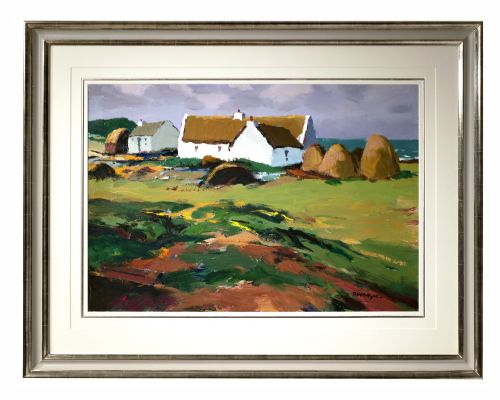
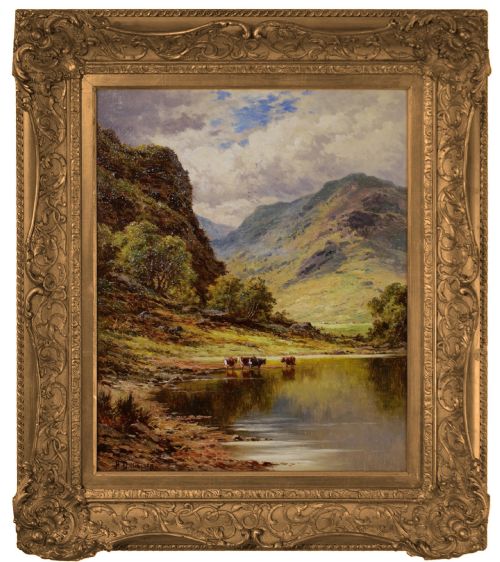
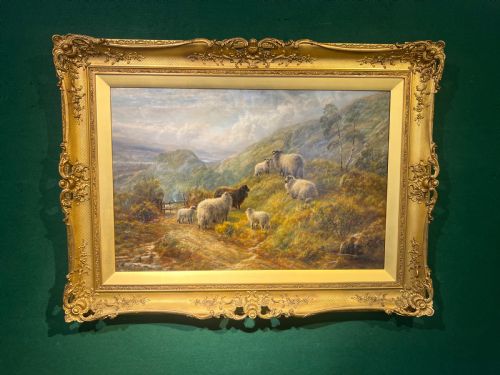
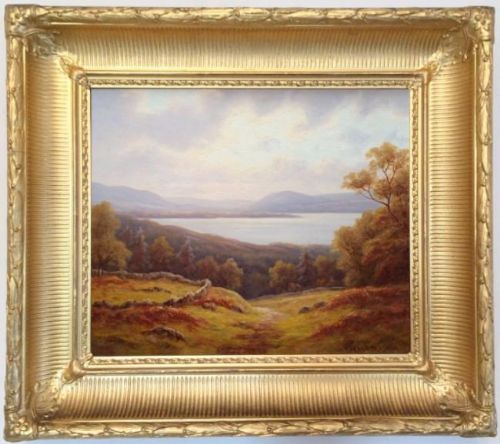
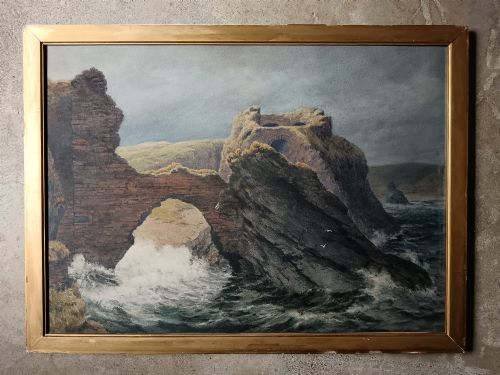
When you seek scottish landscape wall art, you encounter evocative painted scenes of lochs, glens, and mountains preserved in oil and watercolour.
Scottish Landscape Wall Art
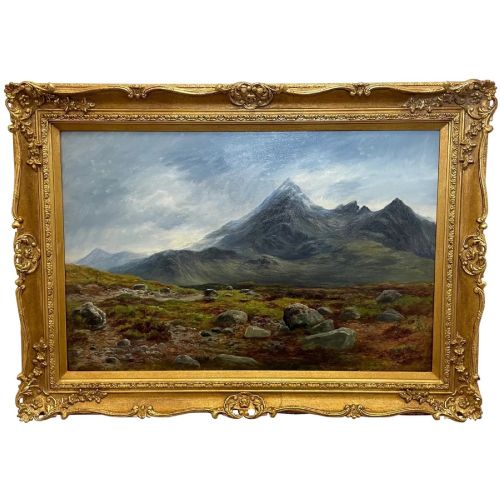
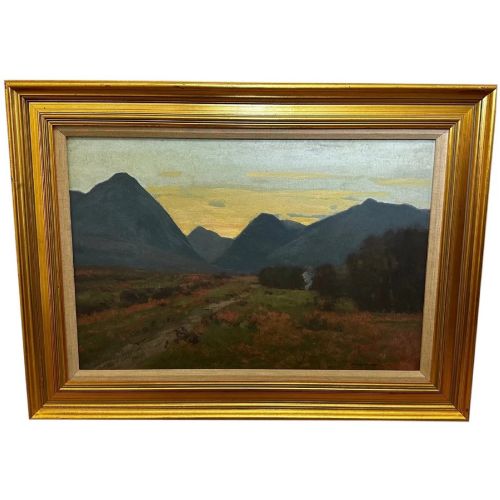
Scottish landscape wall art encompasses painted depictions of highland and coastal scenery originating predominantly from the nineteenth and early twentieth centuries. These works record regional topography, from Loch Awe to the Isle of Arran, through the lenses of the Victorian, Edwardian, and subsequent modernist periods.
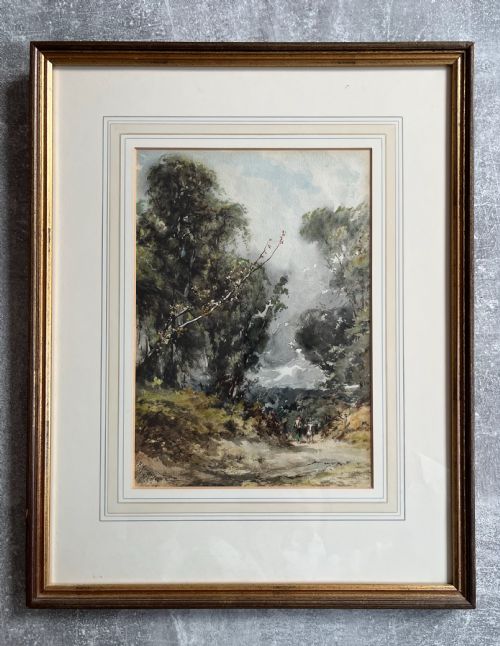
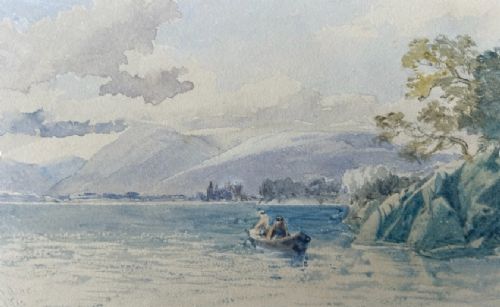
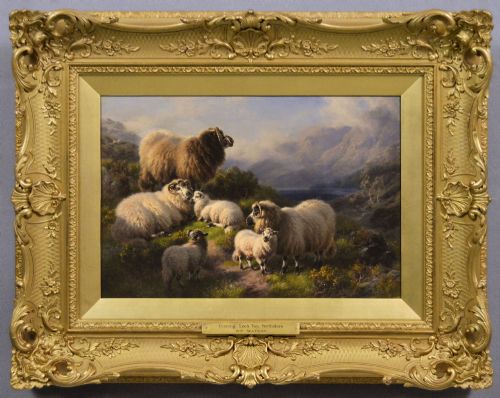
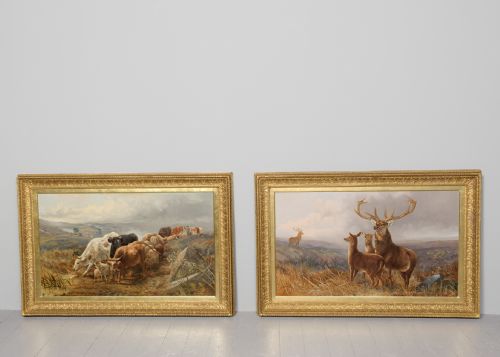
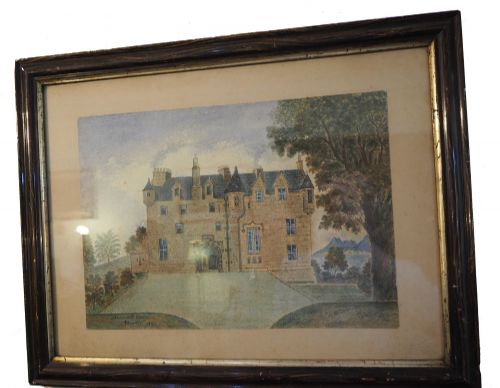
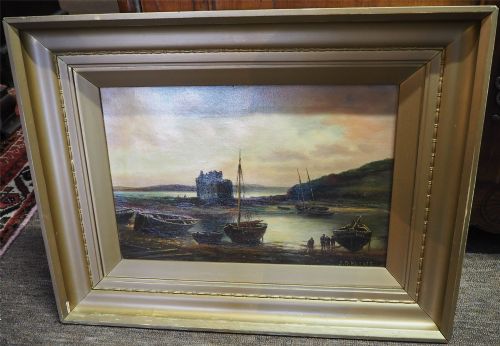
The versions most frequently met on this page are framed oil paintings on canvas or wood panel, alongside delicate watercolours on paper. Subjects frequently feature Highland sheep, ancient castles, and expansive mountainous vistas rendered in styles ranging from detailed academic realism to looser impressionistic brushwork.
Materials and execution
Painters utilised oil paint applied to prepared canvas, wood panels, or board, building up textures through layered brushwork and occasional impasto. Watercolours on paper offer a lighter medium, frequently protected beneath glass within traditional framing.
Framing often involves gesso and gilt wood, providing decorative borders that complement the tones of the paintings. The integration of support materials and original frames defines the physical structure of these works.
Listings span the nineteenth century through the 1960s, employing canvas, wood panel, board, and paper supports.
Distinctions in quality
Quality rests upon the handling of light, atmospheric depth, and topographical accuracy by the artist. Stronger examples demonstrate confident brushwork and a balanced composition that captures the particular mood of the terrain.
The condition of the paint layer and the integrity of the original support material significantly influence the standing of a piece. Works retaining their period giltwood frames and clear signatures or provenance hold greater historical completeness.
William Beattie-Brown·George Fotherly Hargitt·Thomas Miles Richardson Jnr·Tom Campbell·George Houston·James Kay·Donald McIntyre·Henry H. Parker·Robert Watson·William Watson Jnr·Robert Cleminson·John Moxon·William George Tennick·Archibald Kay·Thomas Bromley Blacklock·W.E. Evans·William Littlejohn·Frank Hider·William Grant Murray·John A. Houston·Joseph Farquharson·Tom Seymour·James Bell Anderson·Sidney Yates Johnson·Stanley Orchart
The Scottish Landscape Wall Art Glossary
- Impasto
- Paint applied thickly to a canvas or panel, standing out in relief from the surface. This technique adds tactile dimension and captures visible brush marks.
- Giltwood
- Wood carved and covered with a thin layer of gold leaf or metallic gilt gesso. It provides ornate framing for traditional paintings.
- Watercolour
- A paint consisting of pigment suspended in a water-based solution, applied to paper. It yields transparent washes of colour.
- Panel
- A flat piece of wood used as a rigid support for oil painting. Panels precede the widespread adoption of stretched canvas in many works.
- Gesso
- A paint mixture consisting of a neutral binder mixed with chalk, gypsum, or pigment. It prepares rigid surfaces for painting or forms moulded details on frames.
Scottish Landscape Wall Art: Frequently Asked Questions
What subjects appear in these paintings?
The compositions predominantly depict recognised Scottish terrain, including sea lochs, highland glens, ruined castles, and mountainous backdrops. Painters frequently introduce narrative elements such as grazing sheep or figures navigating paths through the landscape.
These depictions reflect both romanticized visions of the Highlands and direct observations of local topography. Scenes range from specific named locations like Loch Etive and Sannox Glen to broader pastoral compositions.
How do I date these artworks?
Dating relies upon stylistic markers, artist biographical dates, framing materials, and inscriptions left on the reverse of the canvas or panel. Nineteenth-century works tend toward detailed realism, while twentieth-century examples incorporate looser impressionistic techniques.
Examining the canvas weave, stretcher frames, and paper types provides further confirmation of the period of creation. Signatures and dates inscribed by the artist offer the most direct chronological evidence.
How should I hang and light these pieces?
These works require placement away from direct sunlight and excessive humidity to protect oil paint, canvas, and paper watercolours. Stable interior wall conditions preserve the structural integrity of both the artwork and its frame.
Directional picture lighting enhances the painted surface without generating damaging heat. Ensuring secure wall fixings supports the weight of framed canvases and substantial giltwood surrounds.
What is the difference between oil and watercolour?
Oil paintings utilise pigments suspended in drying oils applied to canvas or wood panels, allowing for rich textures and deep colour saturation. Watercolours employ water-soluble pigments on paper, producing lighter, translucent effects.
Oils are generally displayed without glass protection, whereas watercolours require framing beneath glass to prevent atmospheric damage to the paper. Each medium offers distinct visual qualities inherent to the artist's chosen technique.