






Late Victorian Marine Art
Late victorian marine art captures maritime life and coastal scenes through detailed paintings and sculptures from the close of the nineteenth century.
Late Victorian Marine Art
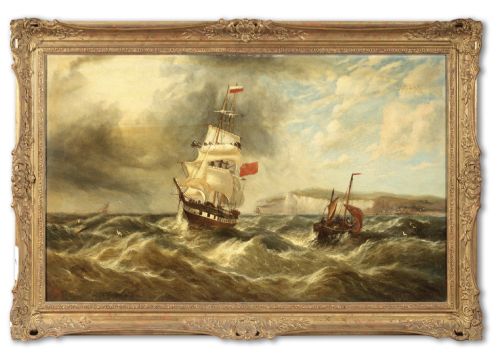
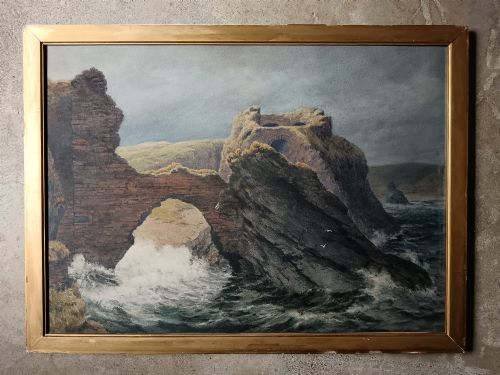
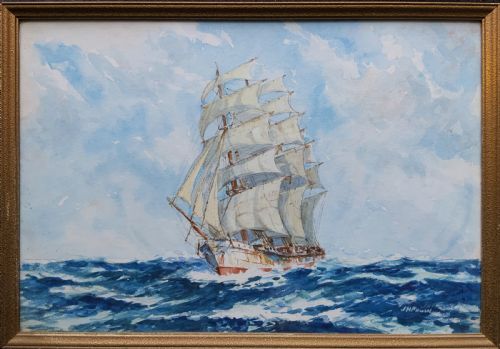
When you search for late victorian marine art, you encounter works that capture the maritime world and coastal life of the late nineteenth century. These pieces record harbours, fishing boats, merchant ships, and stormy seas from periods such as the eighteen-eighties and eighteen-nineties. You will regularly find watercolours and oil paintings depicting locations like Brighton Beach, St Ives, Scarborough, and the River Thames.
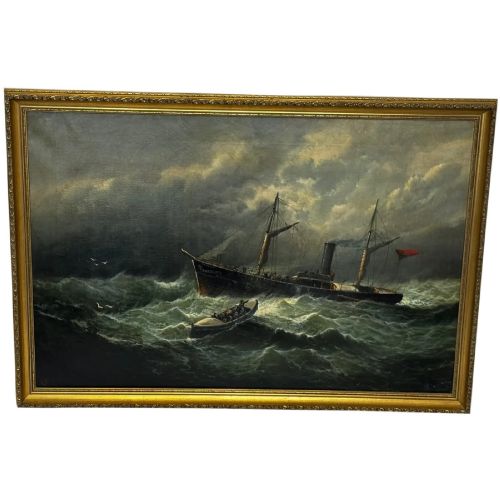
The objects listed range from framed watercolour paintings on paper to oil paintings on canvas and card, alongside occasional sculptures like carved flying fish. Artists of the era recorded coastal activity with distinct attention to local atmosphere, from quiet harbours to choppy seas and rescue scenes. Collectors seeking these items often focus on traditional British and Scottish coastal views rendered in watercolours or oils.
How they were made
These works rely on traditional artist materials including watercolour pigment on paper and oil paint applied to canvas or card. Painters utilised skilled brushwork to depict the movement of water, the details of masted ships, and the textures of fishing boats and nets. Many of these historical paintings remain preserved within their original gilt wood or timber frames.
Sculptural pieces from the period demonstrate alternative regional traditions, such as carved wood objects representing marine life. Makers shaped organic materials to produce detailed forms like flying fish, reflecting specific folk art practices associated with the era.
What varies in quality
The distinction between standard examples and finer works rests upon the precision of the brushwork and the handling of atmospheric conditions like rough seas or coastal light. Pieces signed by documented artists often display a higher degree of compositional confidence in rendering vessels and shorelines. The condition of the paper or canvas, together with the preservation of the original pigments, also influences the standing of an individual piece.
Framing contributes to the presentation, with period gilt wood frames enhancing the visual impact of nineteenth-century canvases and watercolours. Works that maintain strong provenance and clear attribution to named painters demonstrate the standards typical of the better examples in this field.
The Late Victorian Marine Art Glossary
- Watercolour
- A painting method where fine pigment is suspended in a water-based solution on paper. This technique yields translucent washes often seen in nineteenth-century coastal views.
- Oil on Canvas
- A traditional painting medium utilising oil paint applied to a stretched fabric support. This combination allows for rich textures and deep tones suitable for stormy seas.
- Gilt Wood
- Timber framing finished with a thin layer of gold leaf or metallic gilding. These frames are frequently found enclosing period paintings.
- Seascape
- A work of art depicting the sea, ships, or coastal views. This genre forms the core of maritime collections from the victorian era.
Late Victorian Marine Art: Frequently Asked Questions
What subjects appear in late victorian marine art?
These works depict a range of maritime subjects including fishing boats, masted ships, merchant vessels, and harbour scenes. Artists recorded specific coastal locations across Britain, Scotland, and Venice.
Scenes also capture maritime rescues, coastal landscapes, and river views such as the Thames. Each piece reflects the active maritime trade and coastal life of the late nineteenth century.
Which materials were used for these artworks?
Painters utilised watercolour pigment on paper and oil paint on canvas or card. Many works incorporate traditional supports and are housed in period timber or gilt wood frames.
Sculptural works from the era occasionally utilise carved wood, reflecting regional folk art traditions tied to the sea.
How do I identify the period of a piece?
Late nineteenth-century pieces typically date from the eighteen-eighties through to nineteen hundred. Signatures, framing styles, and subject matter often point directly to this victorian timeframe.
Attributions to period artists or specific regional schools provide further confirmation of a work's exact era and origin.
Where were these maritime scenes painted?
Artists worked at various coastal locations throughout Britain and beyond, including Brighton Beach, St Ives, Scarborough, and Dundee. International waters and European destinations like Venice also inspired painters of the period.
Many works document specific local harbours and coastal landmarks recognisable from historical records of the late nineteenth century.