

Scottish Highlands Oil Painting
A Scottish highlands oil painting brings raw northern light, mist and rugged terrain straight into a room through rich brushwork.
What They Are
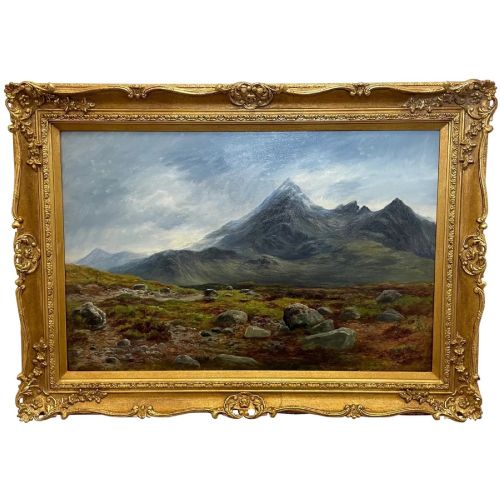
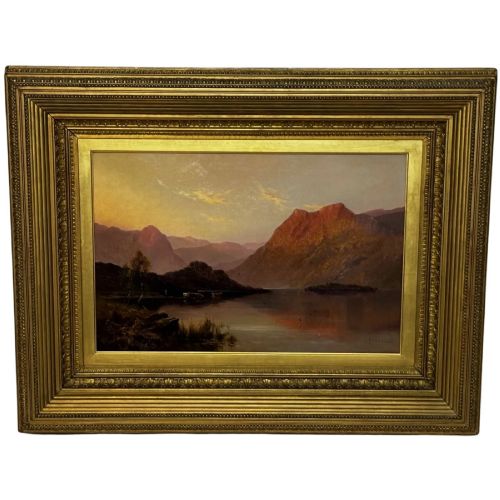
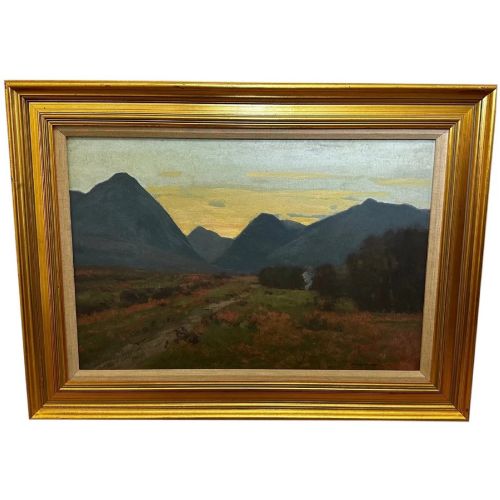
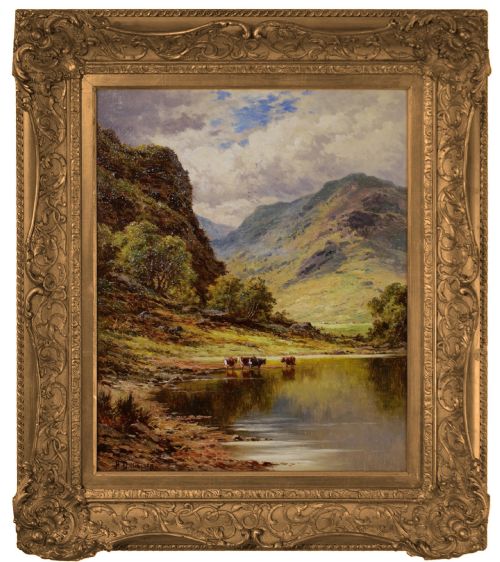
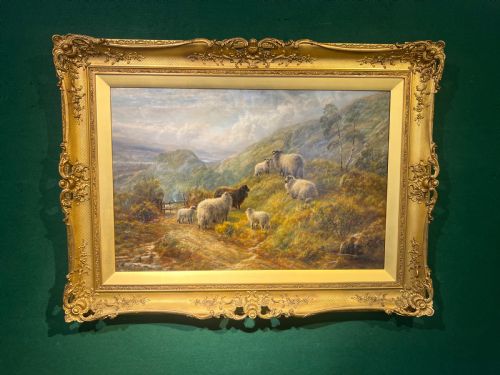
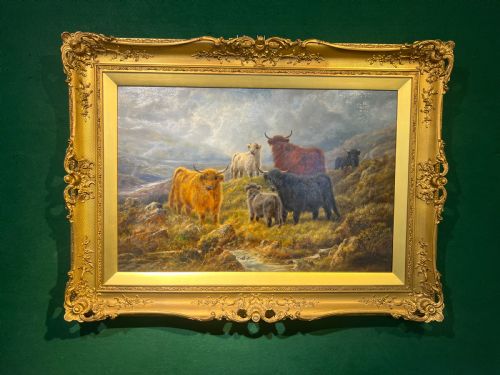
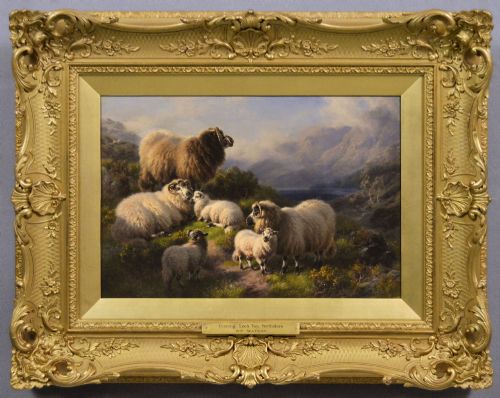
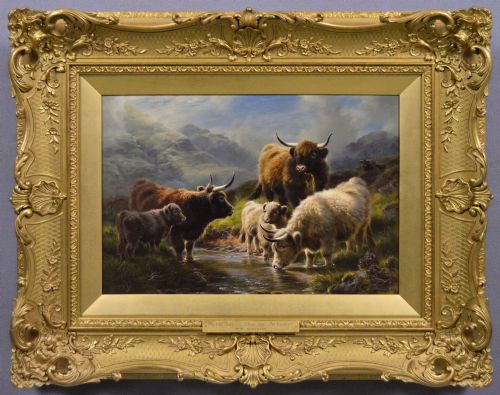
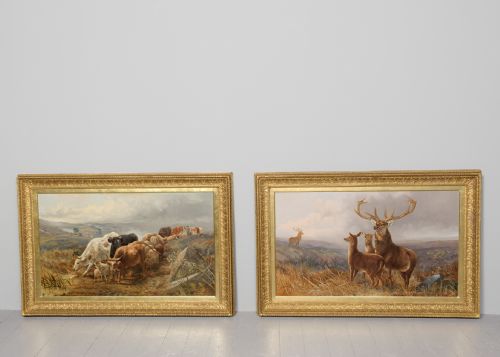
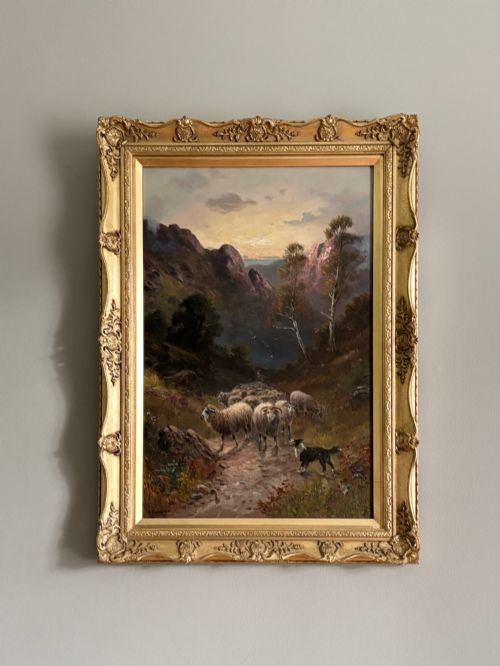
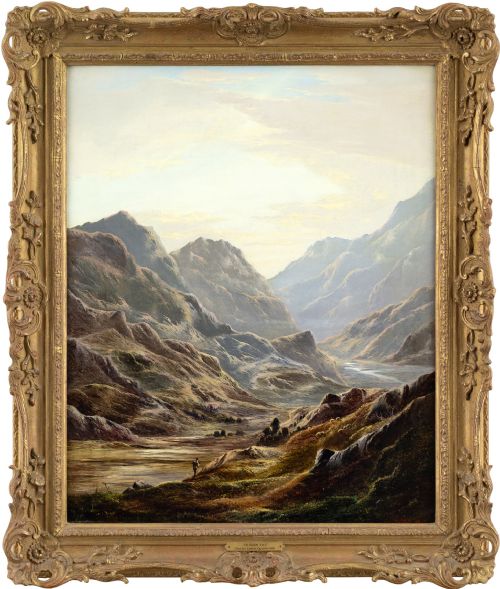
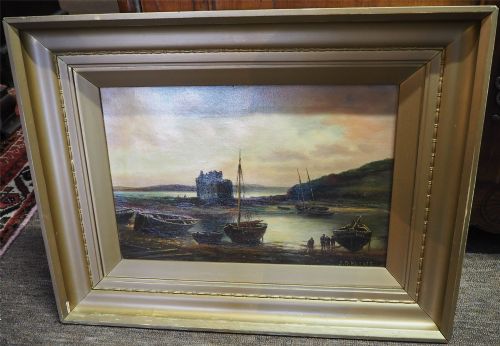
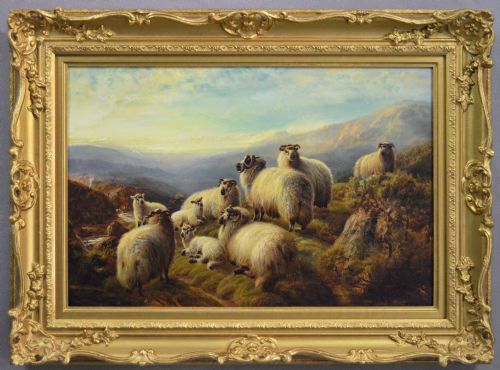
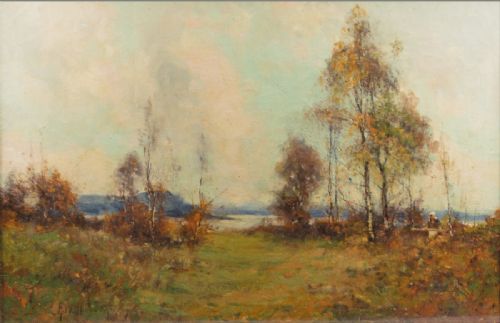
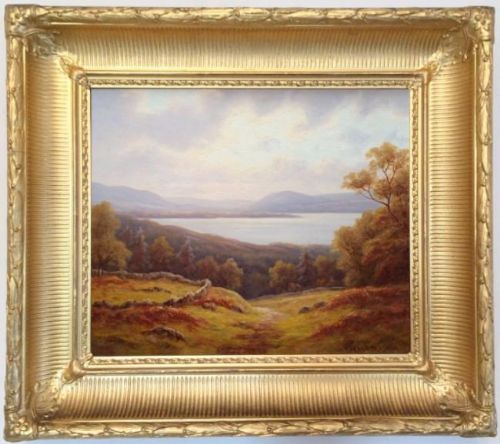
A scottish highlands oil painting captures dramatic northern landscapes, often featuring sweeping mountains, serene lochs, cattle, sheep and figures by rivers. These works span the nineteenth century and early decades of the twentieth century, reflecting romantic and impressionistic visions of Scotland.
The pieces on this page include framed canvases and wood panels created by named artists working within Victorian and Scottish impressionist traditions. Subjects range from tranquil evening scenes to cattle resting beside water under expansive skies.
Collectors seek these works for their atmospheric depiction of remote terrain and traditional rural life. They carry a distinct sense of place and history grounded in nineteenth and early twentieth century artistic movements.
How They Were Made
Artists painted primarily with oil on canvas or wood panel, applying pigment to build texture and depth in skies, water and distant mountains. Canvas supports stretched across wooden frames allowed for larger compositions, whilst smaller panels suited intimate landscape studies.
Many of these works retain their original frames constructed from wood, gesso and plaster, often finished with gold leaf or giltwood. These ornate surrounds complement the pastoral and rugged subjects captured within the picture plane.
Retail Price Guide 2026
Typical UK retail prices for scottish highlands oil painting, calculated from the Sellingantiques database of over a million retail prices indexed since 2003. This retail price guide relies exclusively on Sellingantiques data; no external sources or auction records are used, so the figures do not describe the wider market.
Materials recorded across these listings include oil on canvas, wood panel, gold leaf, giltwood, plaster and gesso.
What Varies in Quality
Quality rests upon the confidence of the brushwork and the artist's ability to render light, atmosphere and topography convincingly. Finer examples display subtle tonal gradations in mist and cloud, bringing a tangible depth to the landscape.
The preservation of the painted surface and the originality of the giltwood or gesso frame influence the overall integrity of the piece. Works by established Victorian and Scottish painters command attention through their accomplished handling of form and narrative detail.
Robert Cleminson·Sidney Pike·Sir David Murray·Henry Robinson Hall·Benjamin Williams Leader·George Melvin Rennie·Edward John Niemann·Francis E Jamieson·Walter Linsley Meegan·Robert Watson·F W Bartholomew·H Leslie·Edwin Alfred Pettitt·A Macullough·Gustave de Breanski·Frank Hider
The Scottish Highlands Oil Painting Glossary
- Oil on Canvas
- A traditional painting medium where pigments suspended in oil are applied to stretched fabric. This combination allows for rich blending and textured impasto work.
- Giltwood
- Wood carved and coated with gold leaf or gold paint. It frequently forms the decorative surface of period picture frames.
- Impressionism
- An art style focused on capturing the visual impression of a moment, paying attention to light and its shifting qualities. Scottish impressionism adapted these principles to northern landscapes.
- Wood Panel
- A rigid wooden support used instead of canvas for painting. These panels provide a smooth and stable surface for detailed brushwork.
- Gesso
- A paint mixture consisting of a neutral binder mixed with chalk, gypsum or pigment. It served as a prepared base for wooden frames before gilding.
Frequently Asked Questions
What subjects appear in these paintings?
The compositions typically portray mountainous terrain, misty lochs, rivers and pastoral life. Common focal points include Highland cattle, sheep, fishermen and figures navigating remote paths.
These elements reflect the romantic fascination with the Scottish landscape during the Victorian and Edwardian eras.
How should I hang an oil painting?
Select a wall away from direct sunlight and excessive temperature fluctuations to protect the canvas and frame. Use appropriate wall fixings that match the weight of the frame and the construction of the wall.
Ensure the piece hangs securely at eye level to fully appreciate the brushwork and atmospheric depth.
Are original frames common?
Many works retain period frames made from wood, gesso and giltwood, which complement the traditional aesthetic. These surrounds often show signs of age that correspond with the date of the painting.
Examining the frame helps contextualise the history and presentation of the artwork.
How do I identify the period?
Clues lie in the painting style, costume of any figures, stretcher construction and framing techniques. Nineteenth century works often favour detailed academic or romantic realism, while later pieces lean towards impressionistic handling.
Signatures, dates and artist records further clarify the timeline.