

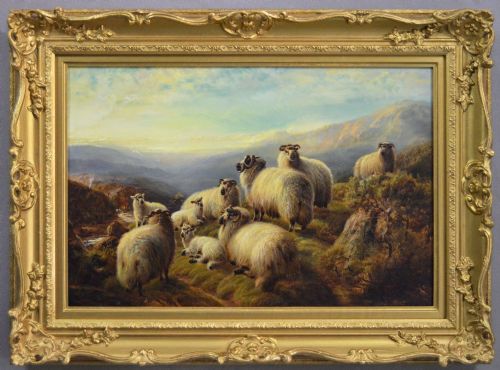


Scottish Highland Landscape Picture
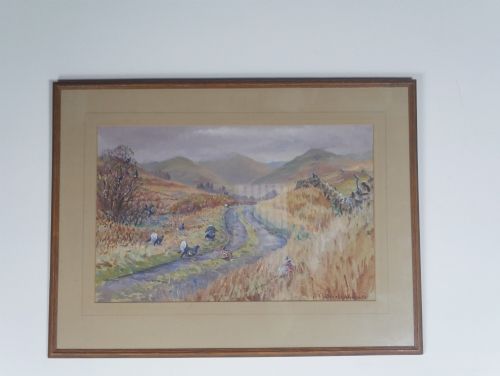
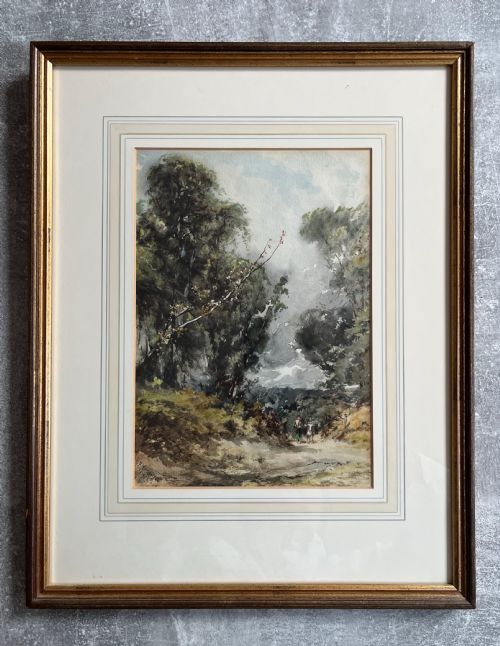
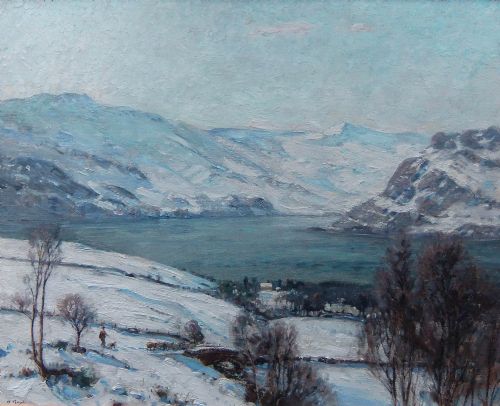
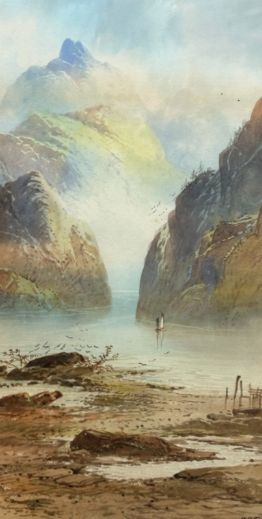
A scottish highland landscape picture captures the rugged terrain, quiet lochs, and cattle of the northern hills through traditional paint and paper.
Scottish Highland Landscape Picture
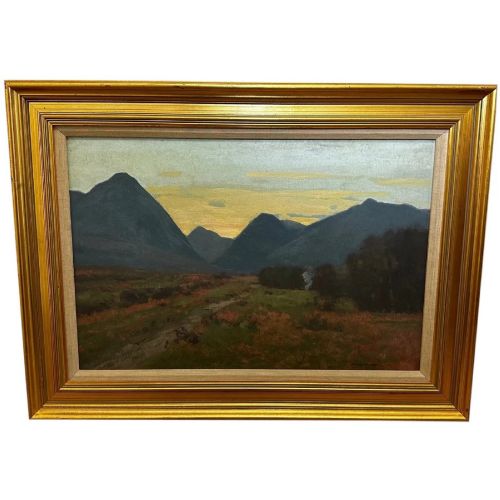
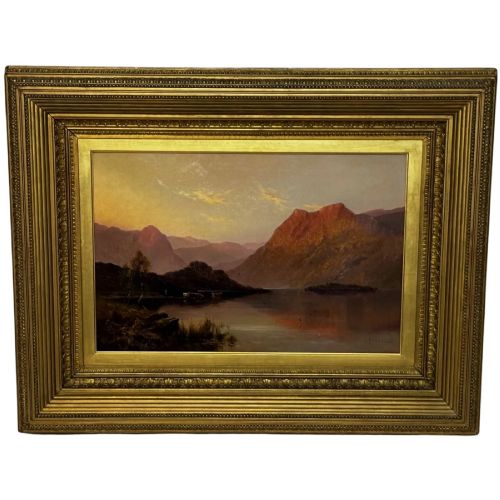
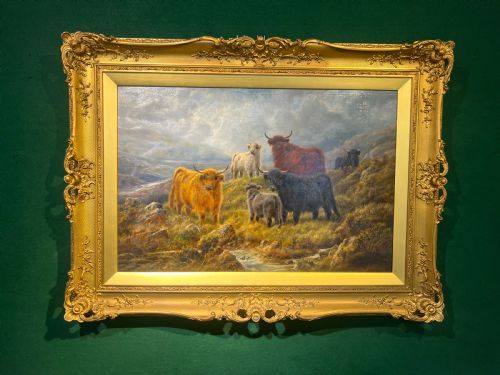
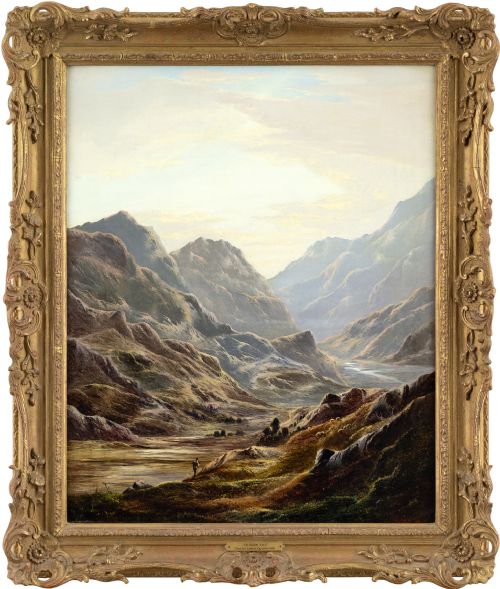
A scottish highland landscape picture usually takes the form of a framed oil on canvas, an oil on wood panel, or a watercolour painting depicting mountains, lochs, and rural livestock. These works range from the eighteenth century through the nineteenth and twentieth centuries, with Victorian examples appearing frequently across the selection.
Subjects often feature Highland cattle, sheep, figures near stone bridges, remote crofts, and quiet stretches of water such as Loch Leven or Loch Ness. The artistic styles span Victorian pastoral and landscape painting, Scottish Romanticism, and early twentieth-century interpretations.
How they were made
The physical composition of these works relies on established nineteenth and twentieth-century painting techniques, where pigments were layered to create depth in skies, water, and Highland foliage.
Scottish Highland Landscape Picture Retail Price Guide 2026
Typical asking prices for scottish highland landscape picture among the pieces listed under this phrase on Sellingantiques today, from the lower quarter to the upper quarter. They describe what is for sale here now, not the wider market.
The selected works record traditional Scottish locations including Loch Ness, Loch Tay, Arran, and Glen Tilt.
What varies in quality
Quality rests in the handling of light, atmospheric mist, and natural detail across the canvas or paper, distinguishing works by established nineteenth-century painters from anonymous studio output. The strength of the composition, particularly the rendering of cattle, mountains, and water, dictates the visual impact of the piece.
The preservation of the original paint surface, paper, and giltwood frame contributes to the overall integrity of the artwork, separating well-maintained examples from those with heavy restoration.
George Fotherly Hargitt·William Henry Earp·Alfred Fontville de Breanski Jr·George Houston·Robert Watson·Charles Leslie·William George Tennick·Henry Robinson Hall·James Bell Anderson·Sidney Yates Johnson·Stanley Orchart·John Charles Tunnard·George Turner·Robert Cleminson·Frederick Richard Lee·Thomas Sidney Cooper·AJ Thornton·Gustave De Brianski·George Cole·Denys Garle·Henry Birtles·Benjamin Williams Leader·Louis Bosworth Hurt·James Russell·Alfred Graham
The Scottish Highland Landscape Picture Glossary
- Oil on Canvas
- A painting medium where pigments suspended in drying oil are applied to stretched fabric. This was the primary method for larger landscape works.
- Giltwood
- Wood carved and coated with gold leaf or a gold-coloured finish. It forms the decorative outer border of many period frames.
- Gouache
- An opaque water-based paint often used alongside watercolours on paper. It provides heavier coverage and brighter highlights.
- Victorian Pastoral
- An artistic style celebrating rural life, agriculture, and livestock in a serene or idealized natural setting. It heavily influences nineteenth-century Scottish art.
- Wood Panel
- A rigid flat wooden support used instead of canvas for oil paintings. These panels often appear in smaller nineteenth-century works.
Scottish Highland Landscape Picture: Frequently Asked Questions
What periods do these paintings come from?
The available works span several centuries, with a strong concentration of pieces originating in the nineteenth and early twentieth centuries. Artists produced these scenes during the height of Victorian landscape painting and later into the Edwardian era.
Examples also stretch back to the eighteenth century and forward into the mid-twentieth century, showing continuity in how artists viewed the northern terrain.
How should I care for these paintings?
Keep these artworks away from direct sunlight and areas prone to high humidity to protect the canvas, paper, and giltwood frames. Gentle dusting with a soft, dry cloth is sufficient for maintenance.
Avoid using liquid cleaners on the painted surface or the frame, as moisture can damage the historical materials.
Are watercolours different from oil paintings?
Watercolour paintings use water-soluble pigments applied to paper, typically protected behind glass within a frame. They often present a lighter, more translucent quality.
Oil paintings utilise pigments bound in drying oil on canvas or wood panels, allowing for thicker paint application and richer texture.
What subjects appear most often?
The common subjects include mountainous terrains, Highland cattle resting by streams, sheep grazing on moors, and quiet lochs bordered by bothies or castles. Figures such as fishermen and herdsmen also frequently populate the scenery.
These motifs reflect the romanticized view of rural Scotland popular among nineteenth-century and early twentieth-century artists.