
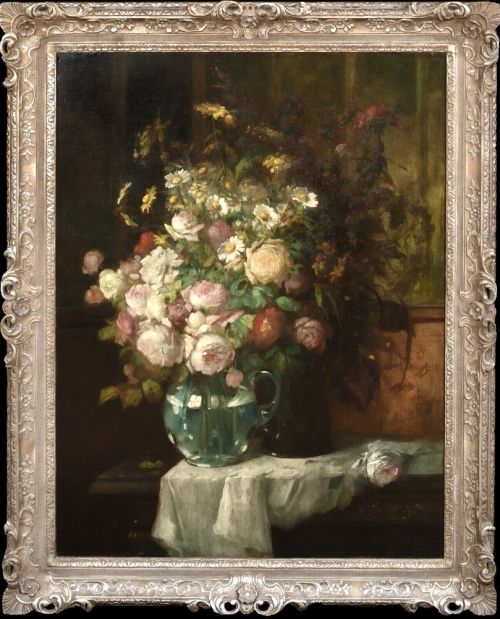
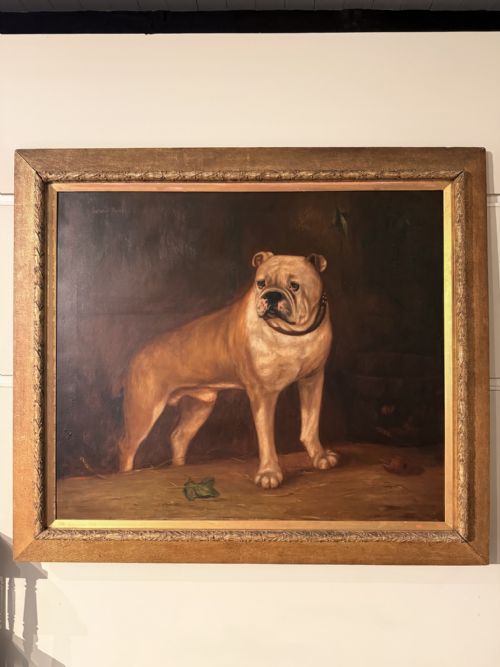
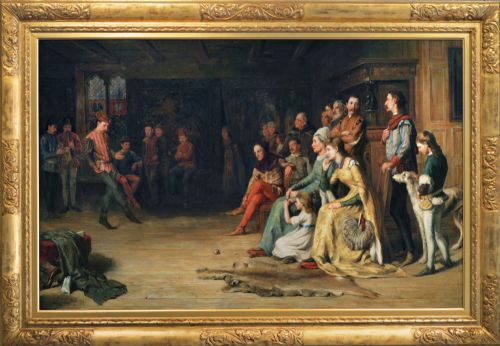
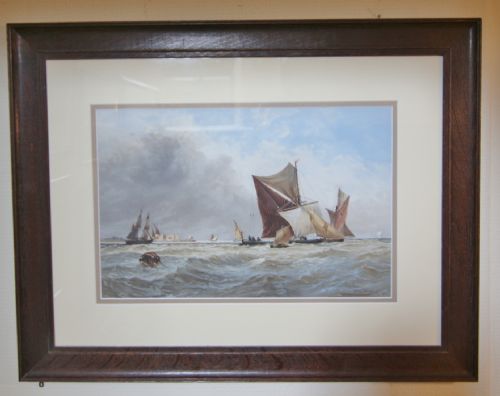
Large 19th Century Artwork
Large 19th century artwork brings substantial scale and period character into a room through oil paintings, watercolours, engravings, and bronze sculpture.
Large 19th Century Artwork
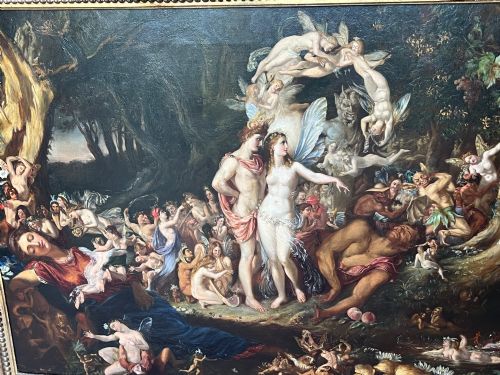
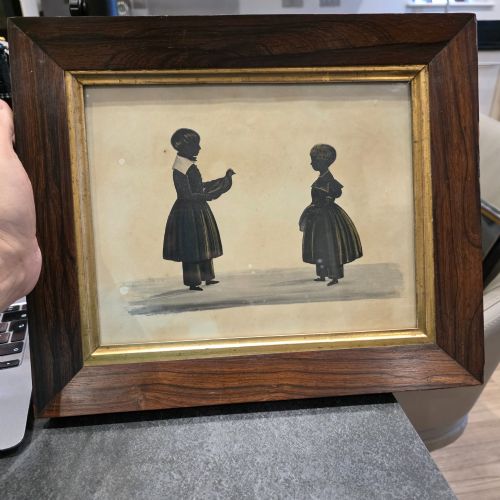
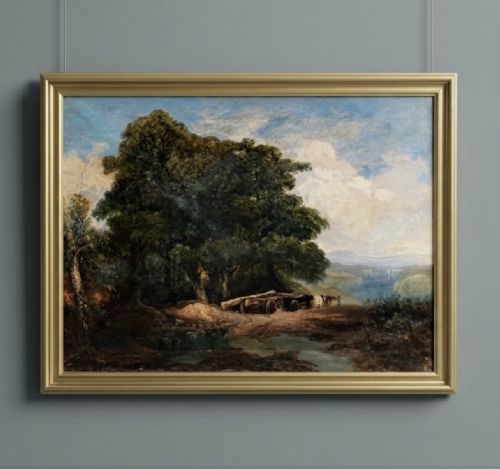
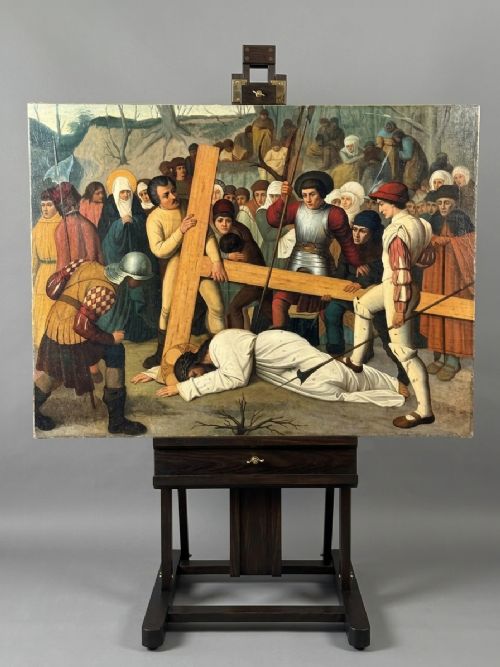
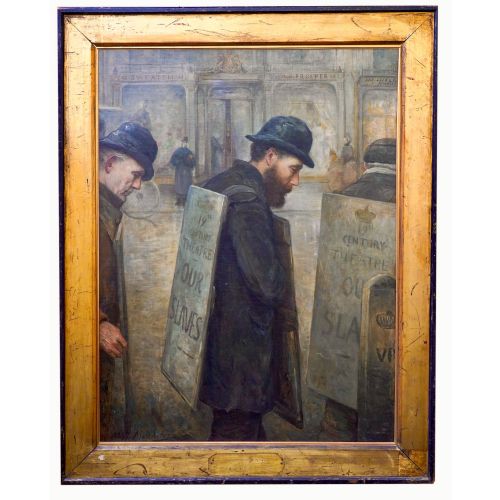
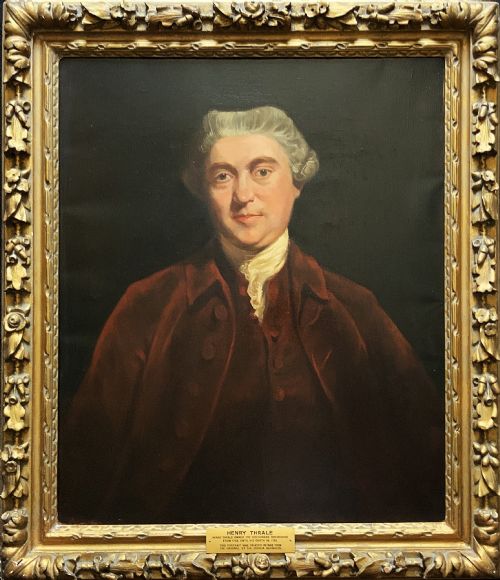
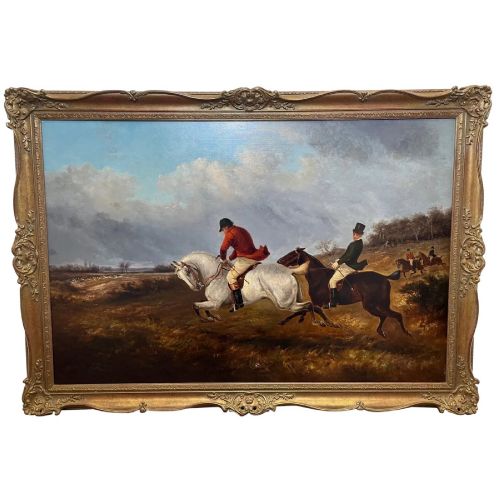
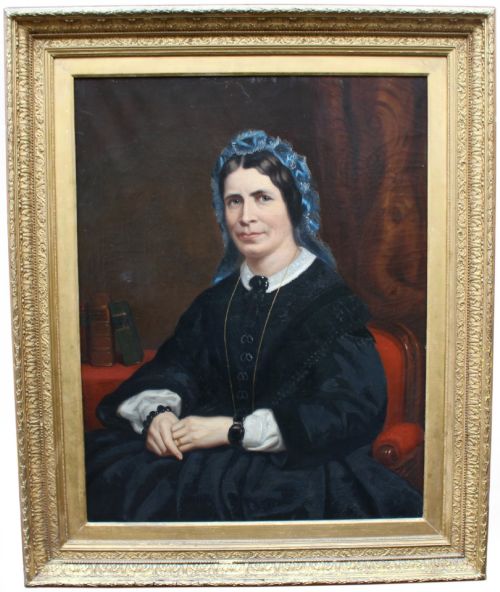
A large 19th century artwork covers expansive oil paintings, watercolours, prints, and wall hangings produced during the Victorian era and preceding decades. These pieces often depict sweeping landscapes, maritime scenes, portraiture, and historical or domestic narratives.
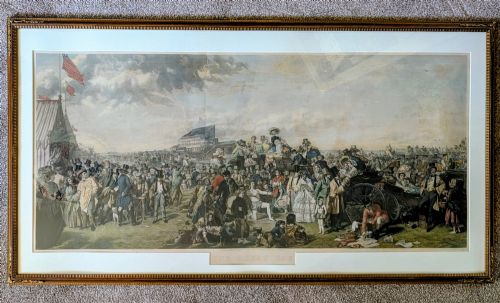
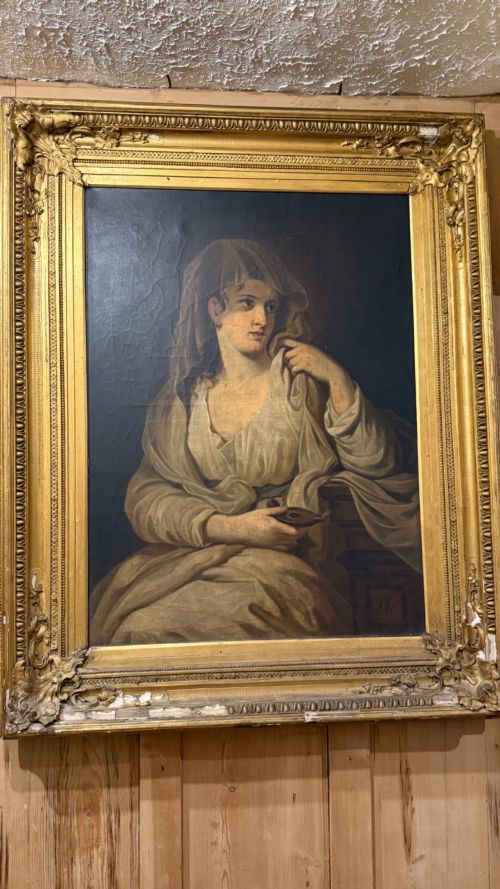
The selections available here lean heavily toward oil paintings on canvas and framed prints housed in period surrounds such as Hogarth or giltwood frames. Buyers encounter substantial canvases that command wall space through narrative depth and physical presence.
Originating from British, French, and wider continental schools, these works reflect the diverse aesthetic movements of the period, including realism, impressionism, and gothic revival.
Materials and construction techniques
Makers utilised oil paint applied to stretched canvas, watercolour on paper, and gouache or pastel on substantial surfaces to create these large compositions. Canvases are frequently supported by heavy timber stretchers and housed in moulded gilt wood or gesso frames.
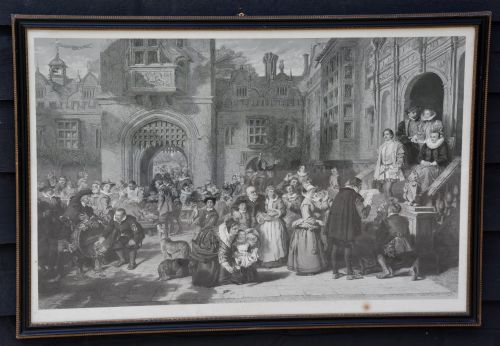
Printmakers employed engraving and mezzotint techniques on paper, sometimes transferring images onto glass for reverse prints. Sculptural works from the period involve cast bronze finished with detailed patination.
Listings feature works spanning the nineteenth century, incorporating oil on canvas, giltwood frames, paper, and cast bronze.
Distinctions in quality and execution
Quality rests in the precision of the brushwork, the depth of the pigment, and the proportional harmony within large compositions. Master hands manage expansive canvases with confident perspective and nuanced colour palettes.
The integrity of the original framing, surface preservation without excessive overpainting, and the documented attribution to a recognised artist elevate the standing of a piece.
Sir Joseph Noel Paton·Richard Sebastian Bond·Felix Stone Moscheles·Thomas Smythe·Konstantin Stoitzner·James Hamilton·T B Hardy·Robert Cleminson·Emile Louis Picault·Stuart Lloyd
The Large 19th Century Artwork Glossary
- Oil on Canvas
- Pigments bound in a drying oil applied to a woven fabric stretched across a wooden frame. This medium allowed artists to work on a monumental scale with rich colour depth.
- Giltwood
- Timber carved and coated with gold leaf or gold paint. Frames in this material defined the visual boundary of large Victorian paintings.
- Mezzotint
- A printmaking process where the copper plate is roughened to achieve rich tonal gradations and dark backgrounds. It was widely used for reproducing popular paintings.
- Reverse Print on Glass
- An image painted or transferred onto the rear side of a glass panel and viewed from the front. This technique produced glossy, protected surfaces popular in earlier periods.
- Patina
- The surface sheen and colour variation developed on bronze sculpture or wooden frames over decades of exposure. It serves as an indicator of age and handling.
Large 19th Century Artwork: Frequently Asked Questions
Where should I hang a large canvas?
Expansive walls in reception rooms or hallways suit these monumental pieces best, allowing the full scale of the composition to register in the interior.
Ensure the hanging wall avoids direct, harsh sunlight to protect oil pigments and paper works from fading over time.
How do I care for gilt frames?
Dust giltwood frames gently with a dry, soft brush to prevent accumulation in the carved crevices without disturbing the delicate gold leaf.
Avoid liquid cleaners entirely, as moisture strips the gesso and underlying bole layers from the carved wood.
Are these works original period pieces?
The inventory consists of items created during the nineteenth century, including original oils, watercolours, and contemporary print reproductions of famous compositions.
Signatures, artist dates, and materials align with documented Victorian and continental studio practices of the era.
How do I identify a Victorian oil painting?
Examine the canvas weave, the composition style, and the stretcher frames behind the work for traditional nineteenth-century construction methods.
Subject matter often reflects Victorian preoccupations with narrative genre scenes, pastoral landscapes, or detailed animal portraits.