

Scottish Fine Art Painting
These scottish fine art painting works record centuries of portraiture and landscape, offering collectors a direct link to northern heritage and academic skill.

Scottish Fine Art Painting
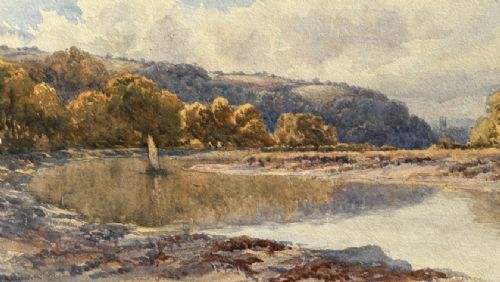
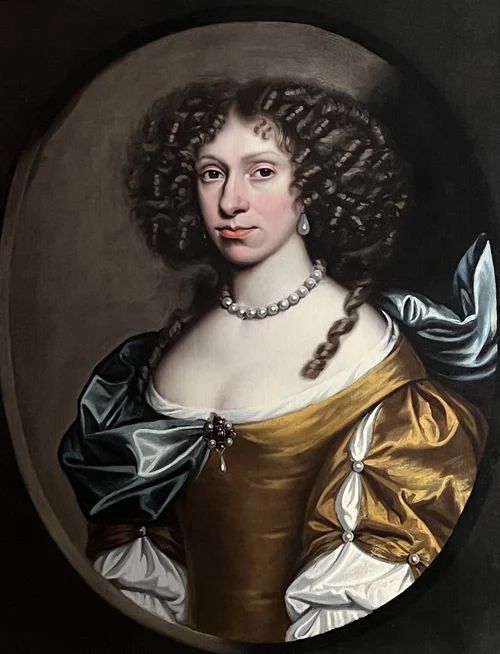
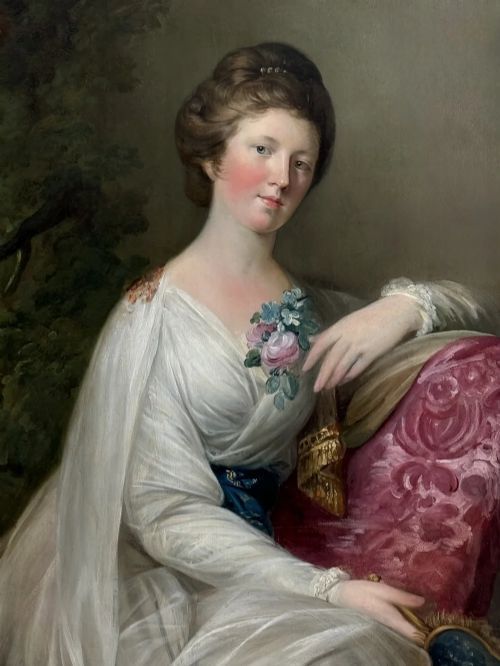
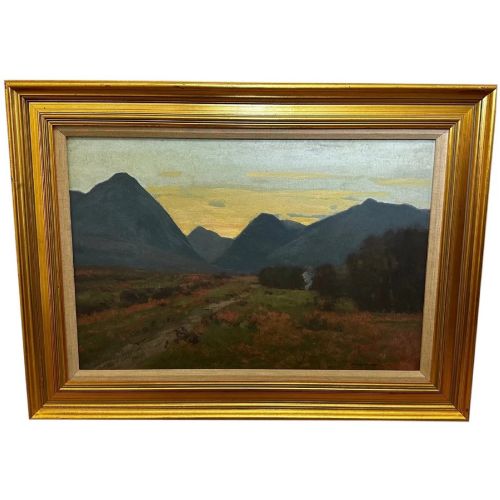
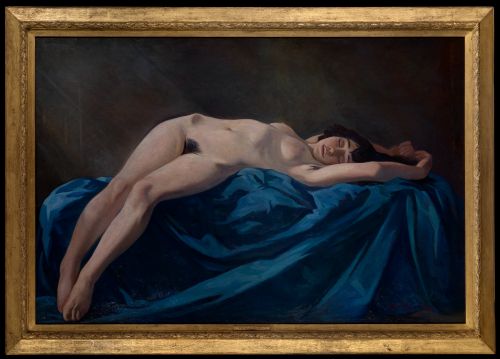
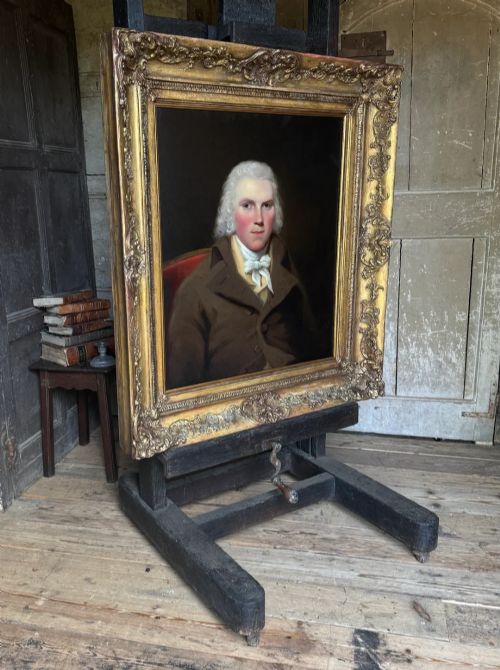
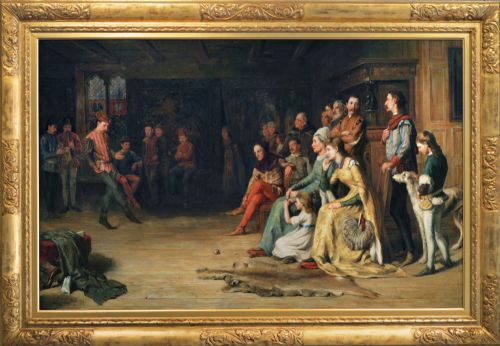
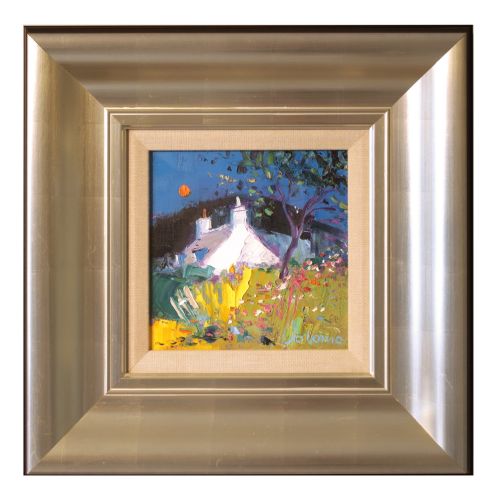
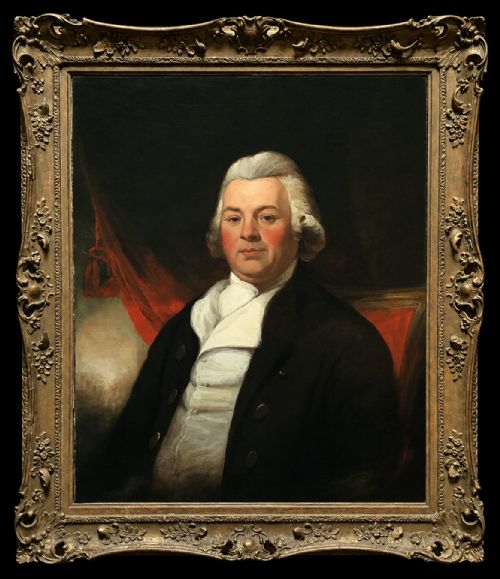
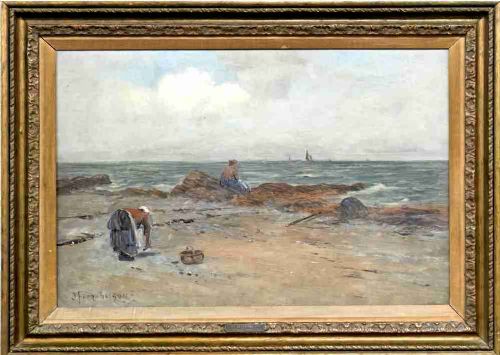
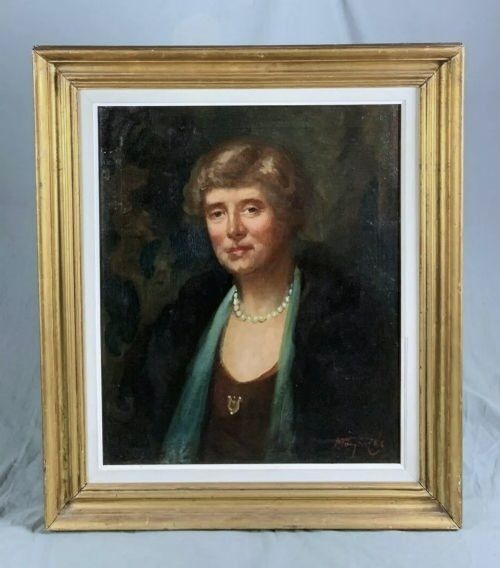
When searching for scottish fine art painting, a buyer encounters a diverse range of works spanning several centuries of artistic tradition. The selection encompasses detailed portrait miniatures, grand oil portraits, and sweeping landscape scenes created by notable northern artists.
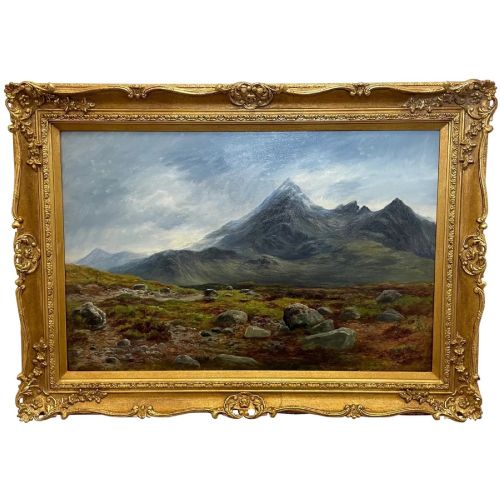
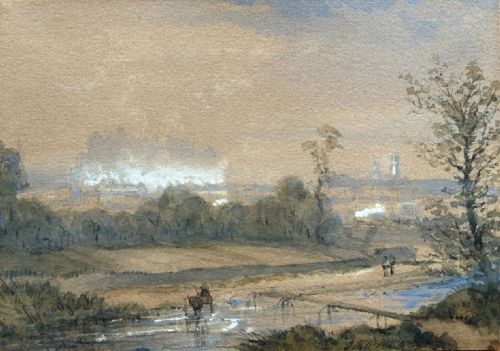
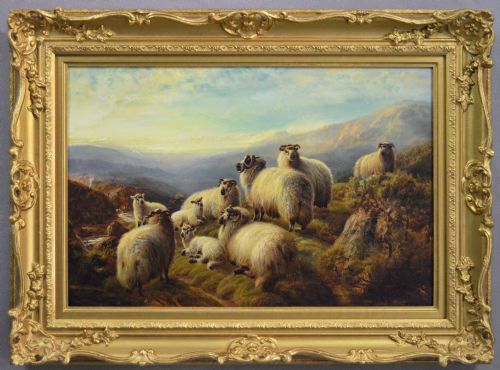
The versions most frequently met on this page date from the nineteenth and early twentieth centuries, reflecting the robust output of the Scottish School during those periods. These pieces range from intimate watercolours on paper to large canvas landscapes depicting Highland vistas and coastal harbours.
Earlier examples extend back to the seventeenth and eighteenth centuries, often featuring aristocratic subjects rendered in oil by foundational portraitists. Later twentieth-century inclusions show the enduring influence of impressionism and modernist styles upon northern painters.
How they were made
Artists relied primarily on oil paint applied to canvas, wood panels, or boards, building rich textures and deep tones. Watercolours on paper also appear frequently, capturing lighter atmospheric effects in landscapes and detailed portrait miniatures.
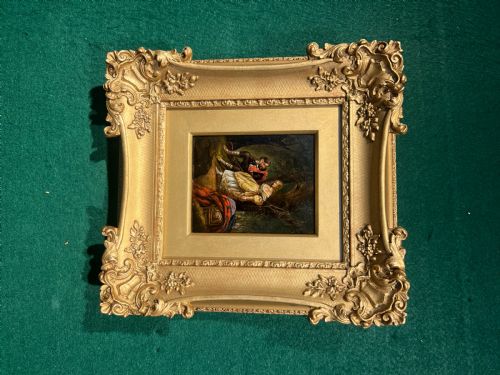
Many historical works are housed in their original gilt wood or giltwood frames, which complement the visual depth of the paintings. The integration of durable canvas and robust wooden supports ensured these artworks survived centuries of domestic display.
Scottish Fine Art Painting Retail Price Guide 2026
Typical asking prices for scottish fine art painting among the pieces listed under this phrase on Sellingantiques today, from the lower quarter to the upper quarter. They describe what is for sale here now, not the wider market.
The inventory includes maritime scenes, domestic genre paintings, and highland landscapes alongside formal aristocratic portraits.
What varies in quality
Quality rests significantly upon the handling of light, brushwork confidence, and the psychological depth captured in portrait subjects. Works by recognised members of the Royal Scottish Academy often display superior compositional control and anatomical precision compared to anonymous school pieces.
The preservation of the original paint surface and the condition of the underlying canvas or wood panel influence the integrity of each piece. Furthermore, the presence of a period gilt frame enhances the overall coherence and historical value of the artwork.
DAVID SCOUGALL·William Beattie-Brown·John R Prentice·Tom Campbell·GEORGE WILLISON·George Houston·Eric Robertson·James Hamilton·John Lowrie Morrison·George Watson·Joseph Farquharson·Charles James McCall·Robert Watson·William Watt Milne·Alexander Wellwood Rattray·Archibald Kay·Sir David Murray·James Kyd·John Horsburgh·John A Houston·Kenneth Sutherland·Robert Buchan Nisbet·John Douglas Perrett·TOM SEYMOUR·William McCance
The Scottish Fine Art Painting Glossary
- Oil on Canvas
- Pigment mixed with drying oil applied to a stretched fabric surface. This combination allows for rich blending and textured impasto work favoured by academic painters.
- Portrait Miniature
- A small, highly detailed painting, often executed on vellum, ivory, or paper. These intimate works were popular for recording likenesses before the advent of photography.
- Scottish School
- A loose collective term for artists working within northern traditions across various centuries. It bridges academic portraiture with distinct regional landscape movements.
- Wood Panel
- A rigid wooden support used by artists before canvas became dominant. Panels provide a stable, smooth surface for meticulous brushwork.
Scottish Fine Art Painting: Frequently Asked Questions
How do I date a Scottish oil painting?
Examination of the canvas weave, stretcher construction, and framing style often provides a reliable initial timeframe. Stylistic clothing details and artist signatures assist in narrowing the decade of creation.
Comparison with documented works by regional artists helps confirm whether a piece belongs to the Victorian era or earlier periods like the eighteenth century.
What is Scottish Impressionism?
This regional movement adapted continental impressionist techniques to capture the unique light and weather of northern landscapes. Painters used broken brushstrokes and vibrant palettes to convey atmospheric moods.
Works in this style often depict Highland scenes, coastal harbours, and rural sheep grazing against expansive skies.
How should I care for antique paintings?
Keep artworks away from direct sunlight, high humidity, and rapid temperature fluctuations to prevent canvas slackening and paint cracking. Gentle dusting with a soft, dry brush maintains the surface.
Avoid using liquid cleaners or attempting restoration without professional conservation advice to preserve the integrity of the original paint layer.
What distinguishes portrait miniatures?
Portrait miniatures are small-scale paintings designed for personal closeness and portable remembrance. They require immense technical precision due to the restricted working area.
Subjects are typically rendered with fine detail on specialised surfaces, often preserved behind protective glass within small protective cases.