




Scottish Dressing Table
These pieces of a scottish dressing table bring enduring regional character to a bedroom through traditional cabinet-making and fine timber work.
Scottish Dressing Table
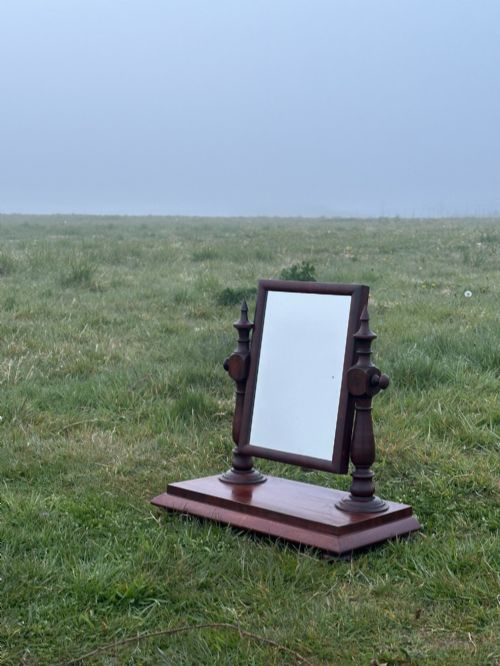
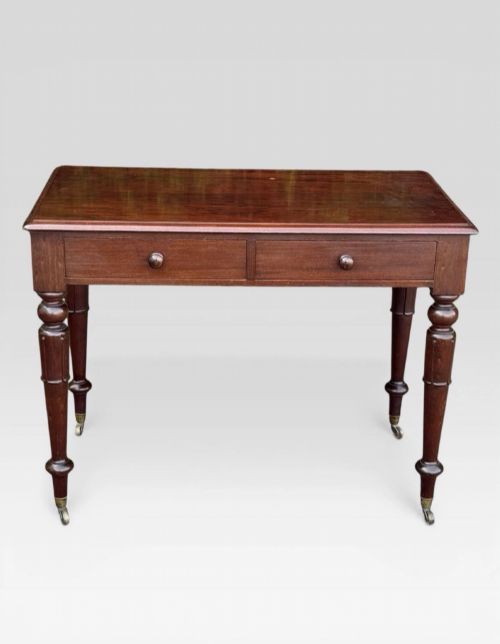
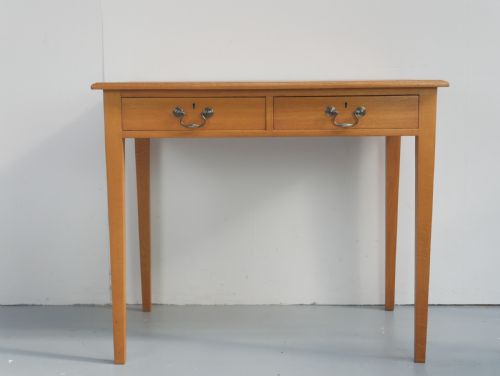
A scottish dressing table encompasses a range of bedroom furnishings and related mirrors created across multiple centuries, from eighteenth-century examples to later twentieth-century interpretations. The selection frequently includes large vanity tables alongside compact dressing mirrors, side tables, and knee-hole configurations designed for personal grooming.
Makers working in regional centres produced these items using substantial timbers and distinct proportions that set them apart from standard English equivalents. Surviving pieces span periods from the Georgian era through Victorian, Arts and Crafts, and Art Deco movements, reflecting changing domestic fashions.
The format ranges from grand satinwood and mahogany dressing chests to oak writing tables and inlaid marble designs. Buyers will encounter both fitted table units with adjustable mirror plates and standalone dressing table mirrors intended to sit upon chests.
How they were made
Craftsmen utilised solid hardwoods such as mahogany, oak, satinwood, and walnut for the primary structures, often highlighting the natural grain through careful polishing. Secondary woods and structural frames were selected for stability, while brass handles, glass mirror plates, and occasional marble inserts completed the assembly.
Scottish Dressing Table Retail Price Guide 2026
Typical asking prices for scottish dressing table among the pieces listed under this phrase on Sellingantiques today, from the lower quarter to the upper quarter. They describe what is for sale here now, not the wider market.
One remarkably specific silver thistle pin holder from Birmingham proves that even the smallest dressing table accessories required serious botanical dedication.
What varies in quality
Quality rests upon the selection and matching of figured wood veneers, the crispness of any inlaid work, and the structural integrity of the timber frame. Superior examples demonstrate thoughtful design proportions and intact original hardware rather than later replacements.
The presence of maker signatures, stamps on locks, or attributed workshop origins elevates an item, as seen in pieces linked to Edinburgh cabinet-makers and firms like Whytock and Reid. The condition of the glass mirror plate and the smoothness of drawer operation further distinguish finer items.
J A Mein Edinburgh Cabinet Maker·Jenners·Crisford and Norris·Whytock and Reid·John Taylor of Edinburgh
The Scottish Dressing Table Glossary
- Satinwood
- A dense, lustrous timber with a yellow-gold sheen used extensively for fine cabinet-making and decorative veneers. It provides a bright surface finish highly favoured in grand nineteenth-century bedroom furniture.
- Toilet mirror
- A smaller mirror mounted on a pivoting frame designed to sit upon a chest of drawers or dressing table. Eighteenth and nineteenth-century versions often incorporate small storage drawers within the base plinth.
- Knee-hole
- A desk or dressing table configuration featuring a central recess for the legs, flanked by banks of small drawers. This layout allows the user to sit comfortably close while tending to personal grooming.
- Arts and Crafts
- A design movement emphasising handcraftsmanship, simple forms, and the natural qualities of materials. Pieces in this style often display honest construction methods and minimal surface ornamentation.
- Inlay
- A decorative technique where pieces of contrasting wood, marble, or other materials are inserted into recessed portions of the base timber. This creates flat, patterned surfaces that enhance visual depth.
Scottish Dressing Table: Frequently Asked Questions
How do I identify a Scottish piece?
Scottish furniture often displays distinct regional proportions, specific timber selections like local oak or distinct mahogany, and occasional maker stamps on locks or drawers. Comparing the construction details and secondary woods to documented examples helps confirm origin.
Cabinet-makers working in Edinburgh and other centres utilised specific regional traditions that differed from contemporary English workshops.
What is the difference between a dressing table and a side table?
A dressing table is specifically designed for personal grooming, typically incorporating mirrors, compartments, or smaller drawer arrangements suited to cosmetics and brushes. Side tables serve more general surface functions without dedicated mirror attachments.
Many antique pieces labeled as side tables or writing tables share similar proportions and were sometimes adapted or used interchangeably in period bedchambers.
How should I care for antique mahogany wood?
Maintain mahogany surfaces by keeping them away from direct sunlight and consistent heat sources, which can dry out the timber and fade the polish. Dust regularly with a soft, dry cloth and apply occasional specialist wax to nourish the grain.
Avoid using modern liquid polishes containing silicone, as these can build up and damage the historic finish over time.
Are dressing mirror plates usually original?
Original mirror plates in eighteenth and nineteenth-century pieces frequently display minor foxing, light pitting, or slight silver degradation due to age. While some mirrors have been replaced over the decades, surviving original glass retains subtle imperfections that signal authenticity.
Examining the silvering behind the glass and the way the plate is secured into the wooden frame offers clues to its age.