

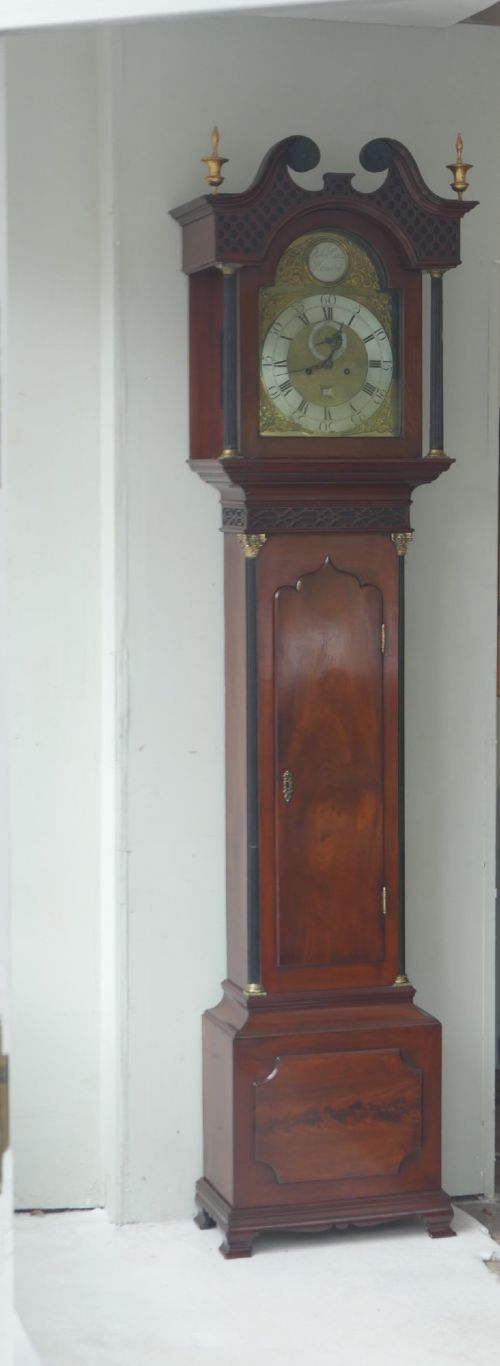

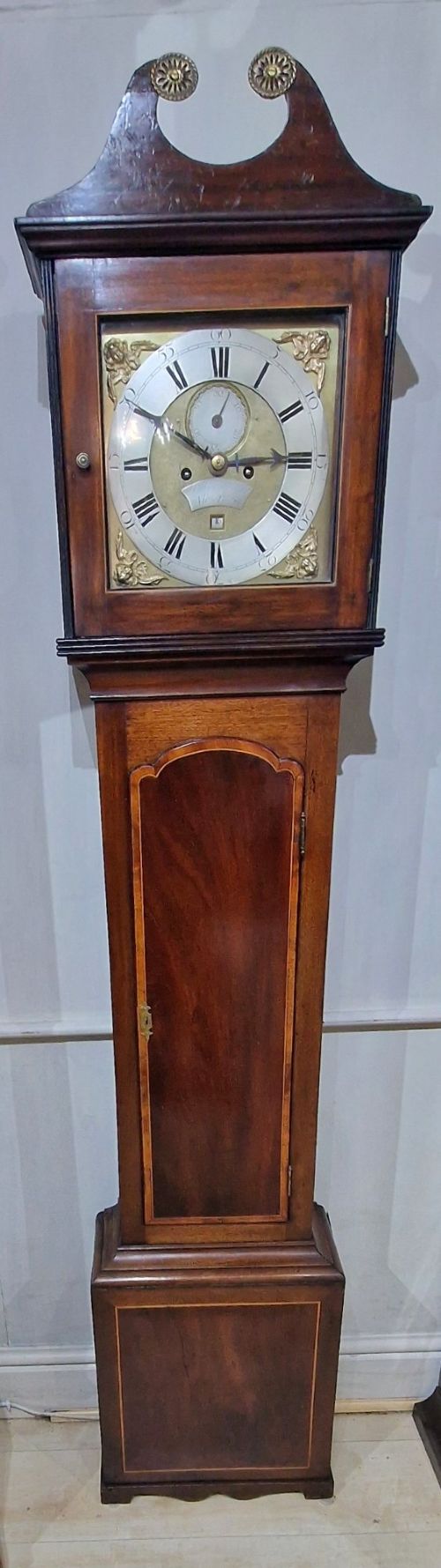
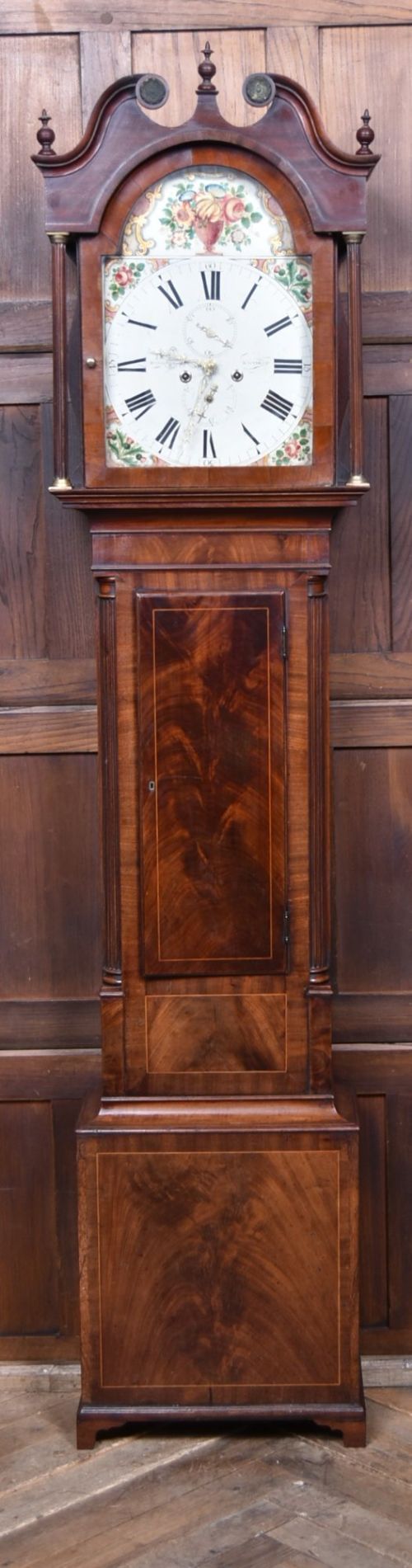
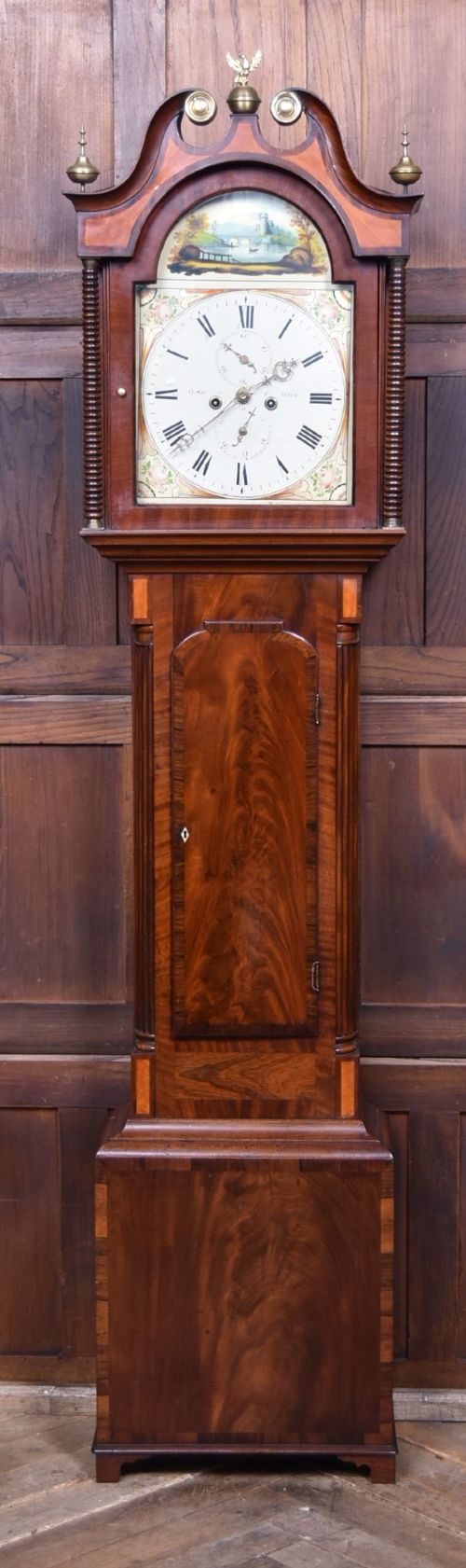


Scottish Dial Clock
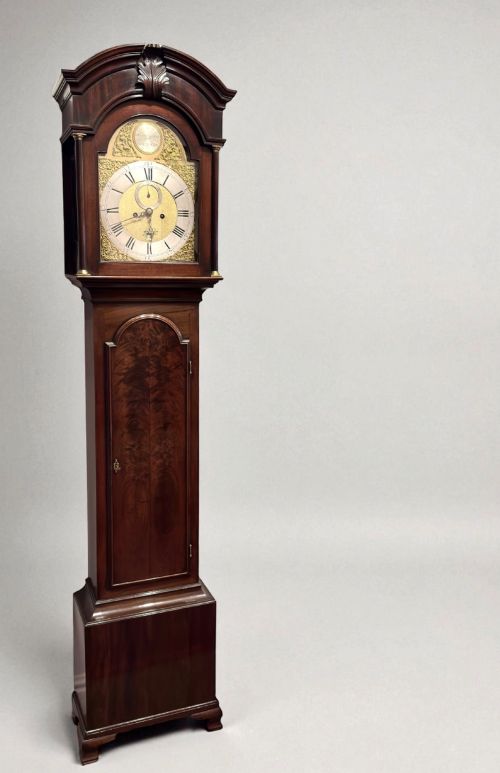
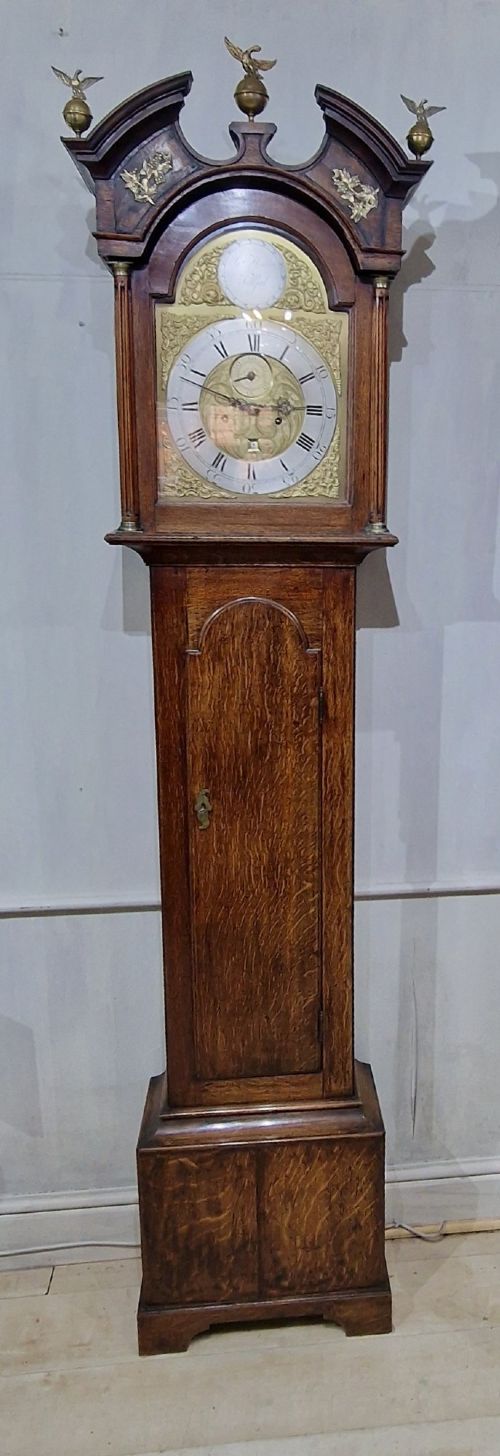
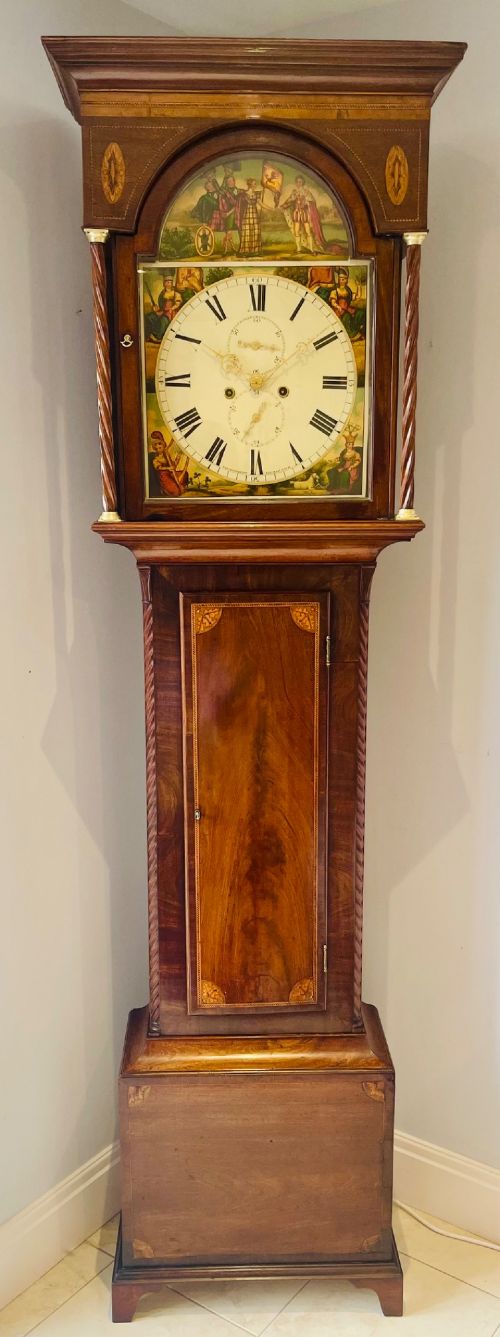
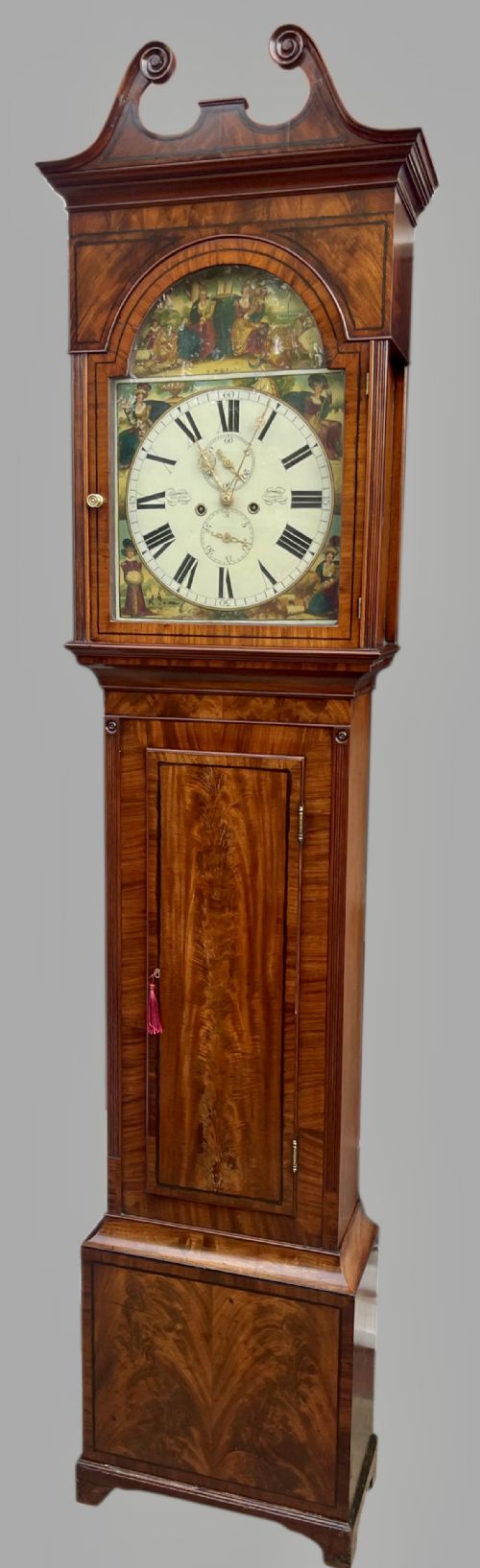
These pieces are a scottish dial clock, solid tallcase timepieces that anchor a room with steady motion.
Scottish Dial Clock
A scottish dial clock brings together tallcase and bracket timepieces spanning the 17th century through the Victorian era. The selection centres heavily upon longcase and grandfather clocks, alongside wall and bracket variations.
Makers from towns across Scotland signed their work on painted iron, enamel, and brass dials housed within timber bodies.
Georgian and 19th-century examples dominate the offerings, built by regional horologists operating from Edinburgh and Aberdeen down to smaller burghs.
How They Were Made
Cases rely predominantly on mahogany, flame mahogany, and oak, occasionally finished with lacquer or walnut veneers.
Faces feature painted iron, brass, and enamel dials protected by glass, marking hours regulated by weight-driven movements.
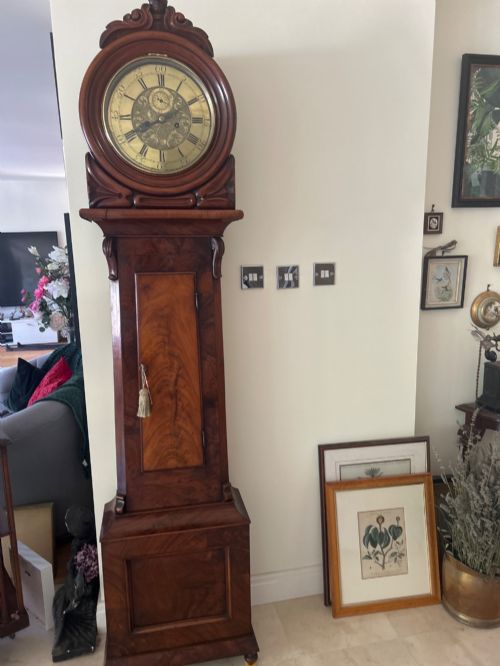
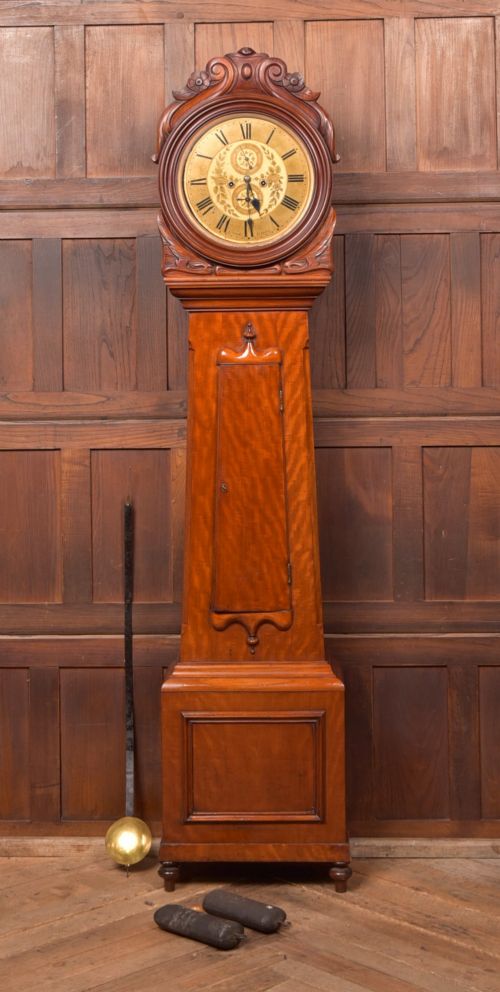
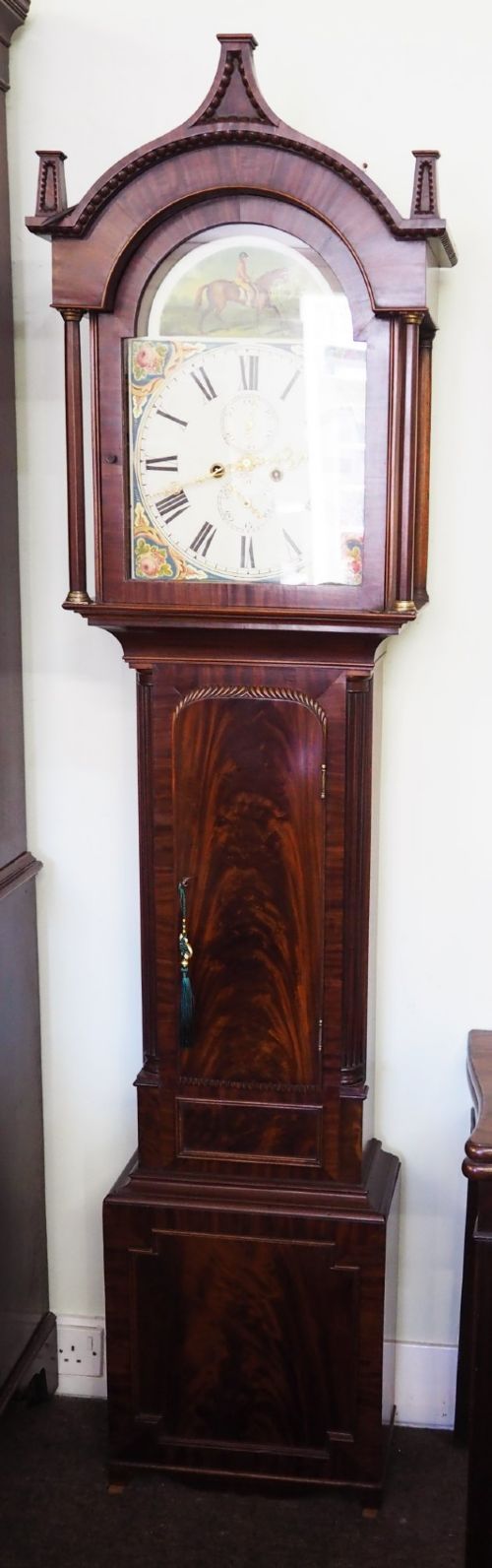
Cabinetmakers shaped tall trunk enclosures, accommodating circular drumheads and break-arch hoods above carved or pillared columns.
Scottish Dial Clock Retail Price Guide 2026
Typical asking prices for scottish dial clock among the pieces listed under this phrase on Sellingantiques today, from the lower quarter to the upper quarter. They describe what is for sale here now, not the wider market.
Several dials feature painted horses alongside traditional moonphase displays.
What Varies In Quality
The refinement of the timber work and the figuring of the mahogany set individual examples apart. Flame mahogany cases with strong grain patterns demand attention.
Dial execution dictates value. Painted iron and brass dials bearing the signature of a recorded Scottish maker carry distinct provenance over unsigned regional output.
Complexity of movement distinguishes standard eight-day pieces from regulators and moonphase variants showing calendar complications.
Hendrie Ogg·Gordon of Aberdeen·D. Straiton·Tait·Robb·James Hendrie·Andrew Thom·William McEwan·Matt Wylie·Joseph Gibson·Bryson·David Craig·David Morice·Whitelaw·John Breakenrig·Ninian Davidson·James Wood·William Chisholm·Robert Thomson·Robert Darling·J. Edwards·James Howden
The Scottish Dial Clock Glossary
- Longcase clock
- A tall freestanding weight-driven timekeeper housed in a wooden trunk. These pieces measure time using swinging pendulums.
- Drumhead clock
- A tallcase clock featuring a circular dial housing mounted atop a tapered wooden stem. The circular head resembles a drum.
- Regulator
- A precision pendulum clock designed for exact timekeeping. These mechanisms often feature separated dials for hours, minutes, and seconds.
- Moon dial
- A rotating painted disk tracking lunar phases behind an arched aperture on the clock face. This mechanism tracks the synodic month.
Scottish Dial Clock: Frequently Asked Questions
Where should I place a grandfather clock?
Position the case against an interior wall away from direct sunlight, heating vents, and dampness. Wood and metal components respond poorly to drastic temperature swings and humidity.
Ensure the floor is level so the pendulum swings evenly without catching. A stable surface prevents the tick from developing an irregular beat.
How do I identify the period of a dial?
Georgian dials often display flatter painted iron surfaces with delicate floral spandrels and distinct regional signatures. Victorian examples tend to feature drumhead formats and heavier mahogany framing.
Examine the script of the maker's name and the materials used in the hood construction. Changes in regional Scottish cabinetmaking styles help narrow the decade.
What is the difference between an eight-day and thirty-hour movement?
An eight-day movement requires winding roughly once a week using two heavy weights suspended inside the trunk. These mechanisms represent higher complexity in the gear train.
Thirty-hour movements require more frequent winding and often utilise simpler weight configurations. They appeared commonly in earlier or more regional domestic clocks.