



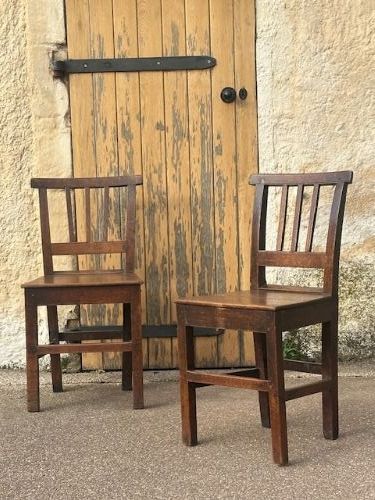

Scottish Country Furniture
Scottish country furniture combines robust vernacular building traditions with regional practicality, offering robust oak, pine and elm forms designed for everyday domestic life.
Scottish Country Furniture
Scottish country furniture encompasses utilitarian domestic pieces created outside urban cabinet-making centres, relying on sturdy regional forms. When you examine Scottish country furniture on this page, you encounter practical oak, pine and elm pieces made for rural houses, crofts and estates.
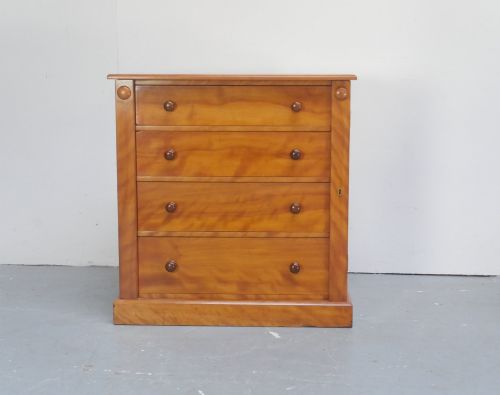
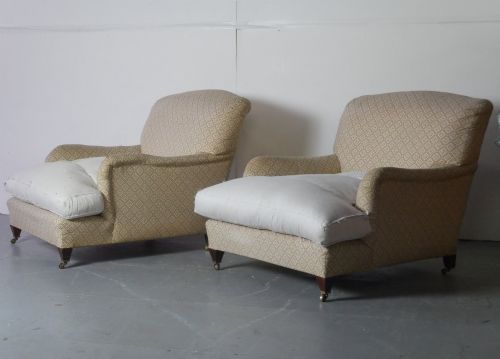
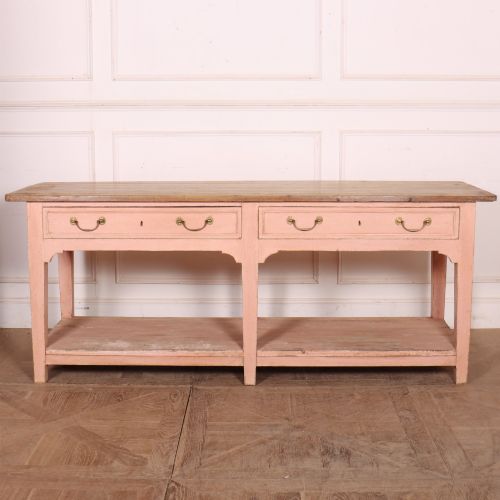
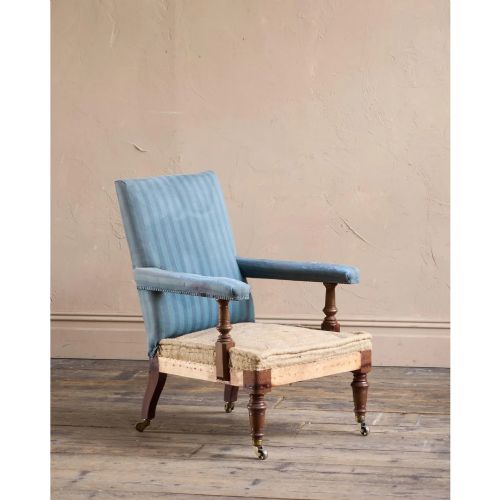
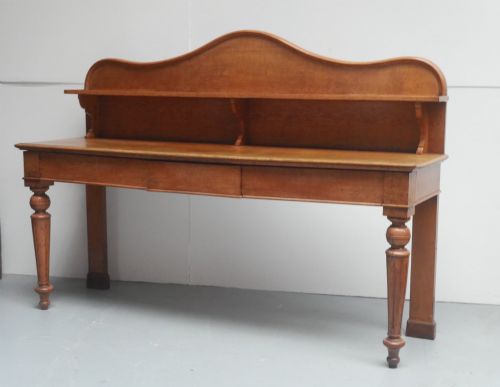
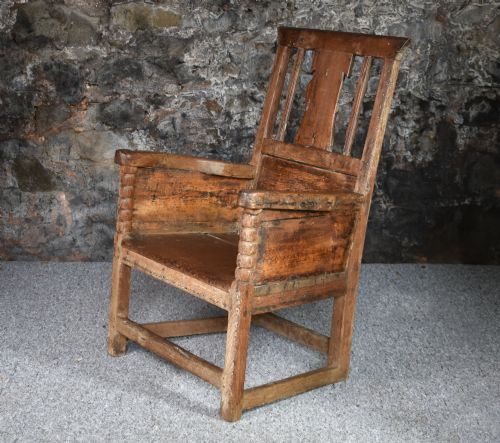
The selection ranges from robust potboard dresser bases and painted kitchen dressers to regional seating like Orkney chairs, lambing chairs and crofter armchairs. These forms reflect the specific domestic needs of Scottish farmhouses and country houses across the eighteenth, nineteenth and early twentieth centuries.
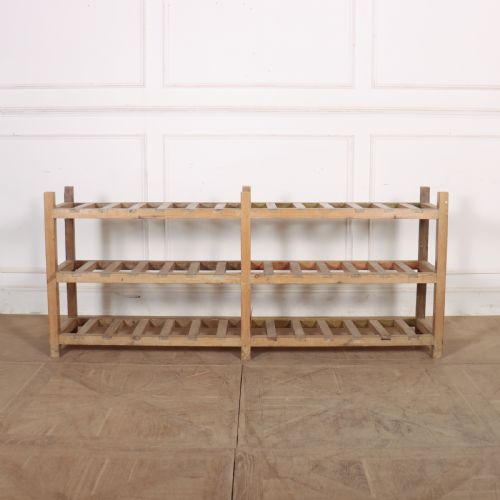
Makers utilised locally available timber, resulting in honest construction methods that prioritize utility over ornament. Pieces such as shoe racks, food cupboards and kneehole desks illustrate the diverse practical requirements met by rural workshops.
What varies in quality
Quality in these pieces depends upon the integrity of the original timber and the survival of untouched surfaces like early paint. Examples retaining their honest patina and structural stability stand apart from heavily restored items.
The sophistication of regional form and the competence of the local joiner dictate the standing of a piece within the tradition. Refined proportions in vernacular seating or dresser construction distinguish superior work from basic utilitarian output.
Early nineteenth-century creepie stools offer diminutive seating by the hearth with wonderfully stubborn original paint.
Whytock and Reid·Morison and Co·Wheelers of Arncroach
The Scottish Country Furniture Glossary
- Potboard dresser base
- A heavy wooden sideboard featuring an open lower shelf used for storing pots and domestic vessels. This form is a staple of nineteenth-century rural kitchens.
- Lambing chair
- An enclosed wooden armchair, often featuring a high back and solid wings, originally designed for shepherds or farmers to sit near the hearth during lambing season.
- Vernacular
- Architecture and furniture built by local craftsmen using traditional methods and native materials, without academic design influence. It prioritises function over stylistic trends.
- Creepie stool
- A small, low wooden stool used historically in rural cottages for sitting near the fire. They are frequently constructed from pine or fruitwoods with simple three or four-legged bases.
Scottish Country Furniture: Frequently Asked Questions
What is an Orkney chair?
An Orkney chair is a traditional Scottish seat known for its high, woven straw back and low wooden base. These chairs were built by local craftsmen to shelter sitters from cold northern draughts.
Makers used oat straw and native wood to construct them, creating a distinct silhouette that remains highly recognisable within Scottish vernacular design.
How do I identify a Scottish dresser?
Scottish dressers typically feature robust construction in pine, oak or fruitwoods, often configured as potboard bases or complete kitchen dressers with open shelving. They prioritise practical storage for domestic pottery and provisions.
Examining the backboards, drawer linings and timber species helps differentiate Scottish regional examples from English equivalents of the same period.
Where were these pieces used?
These items populated farmhouses, crofts, country houses and estate managers' offices throughout Scotland. Each form served a distinct domestic function, from food storage in cupboards to seating by the hearth.
Their robust construction was intended to withstand the demands of daily rural life rather than merely serving decorative purposes in formal drawing rooms.
Are these pieces painted?
Many pieces feature original painted surfaces or stained finishes, particularly pine dressers, food cupboards and dairy dressers. Paint was applied to protect the timber and brighten dimly lit rural interiors.
Surviving original paint adds significant character to country furniture, showing the natural wear of generations of domestic use.
How do I care for country furniture?
Maintain these wooden pieces by placing them away from direct heat sources and sudden humidity changes. Regular application of a gentle wax preserves the dry, honest surface of the timber.
Avoid harsh modern cleaning products that can strip historic patinas and original painted finishes from the wood.