

Scottish Box
A Scottish antique box carries the tactile weight of horn, silver, and native stones shaped by generations of Edinburgh and Glasgow makers.
Scottish Box
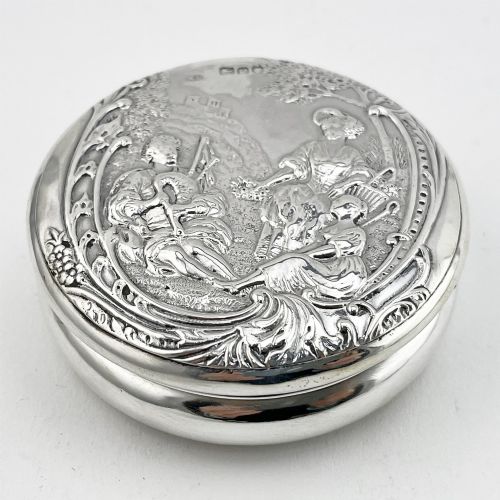
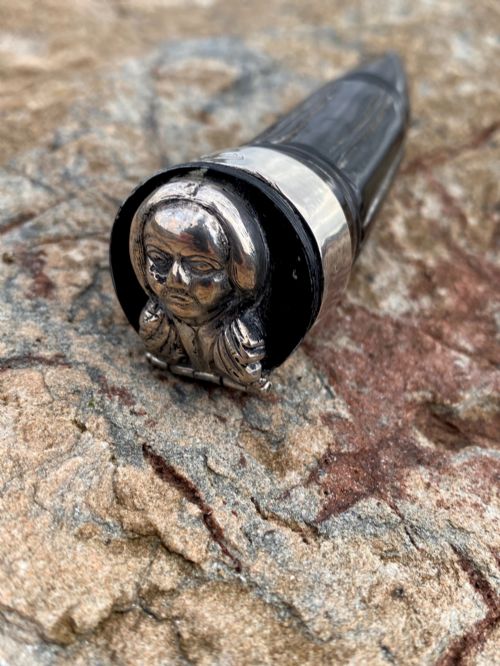
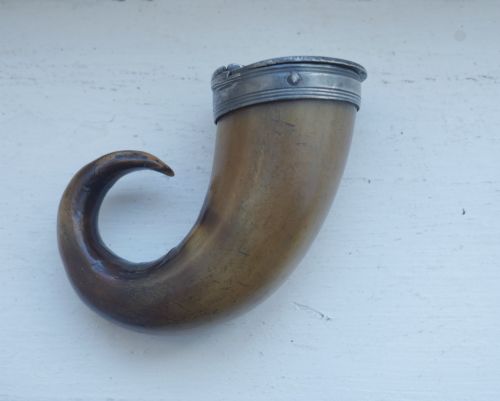
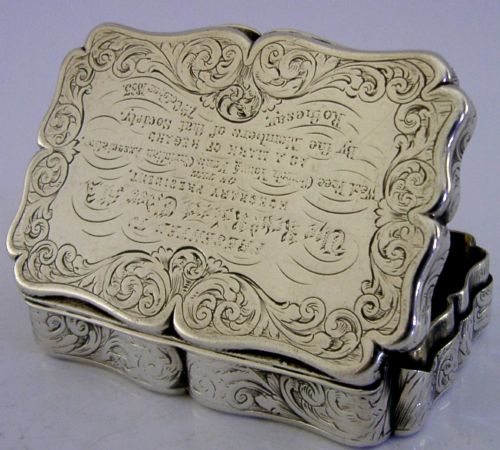
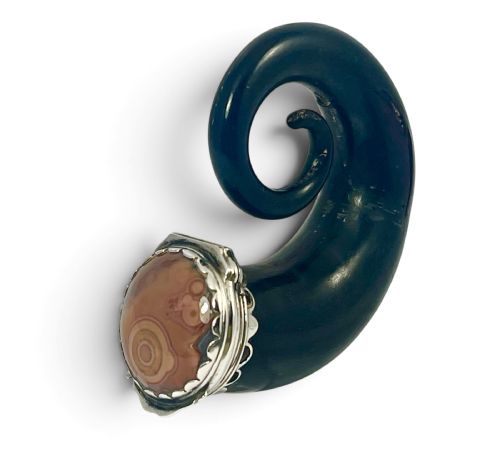
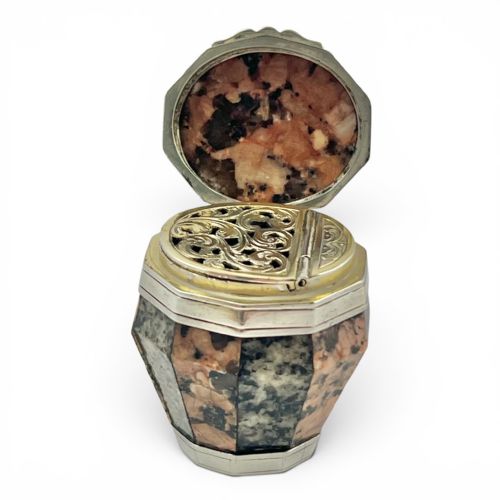
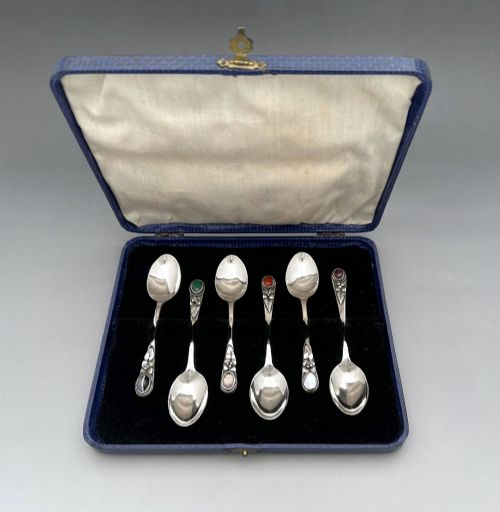
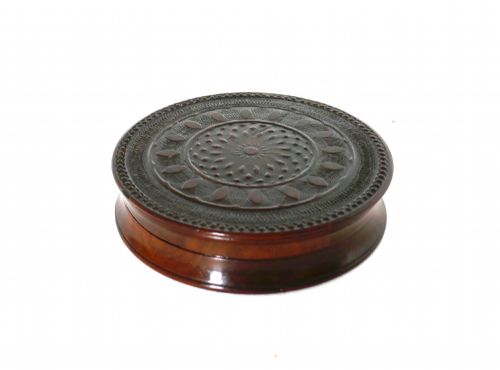
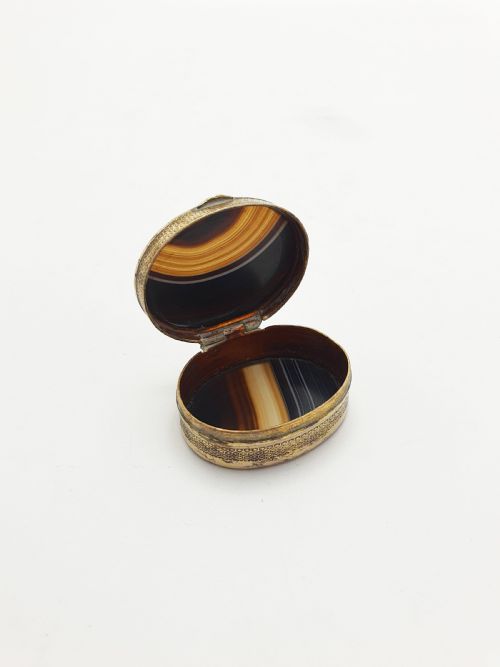
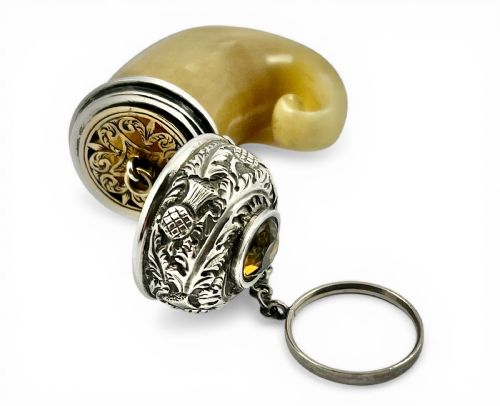
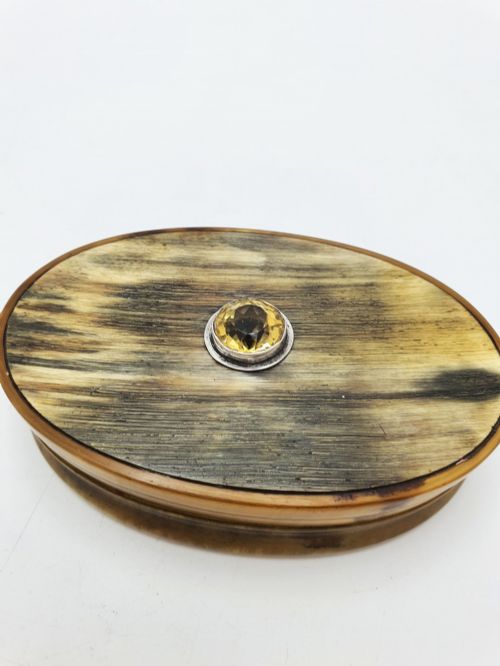
When searching for a scottish antique box, buyers encounter an array of functional containers ranging from pocket-sized snuff mulls and vinaigrettes to larger apprentice chests, desks, and blanket kists. The selection leans heavily toward nineteenth-century horn snuff mulls mounted in silver, alongside Georgian and Victorian silver boxes set with Scottish agates, jaspers, and citrines.
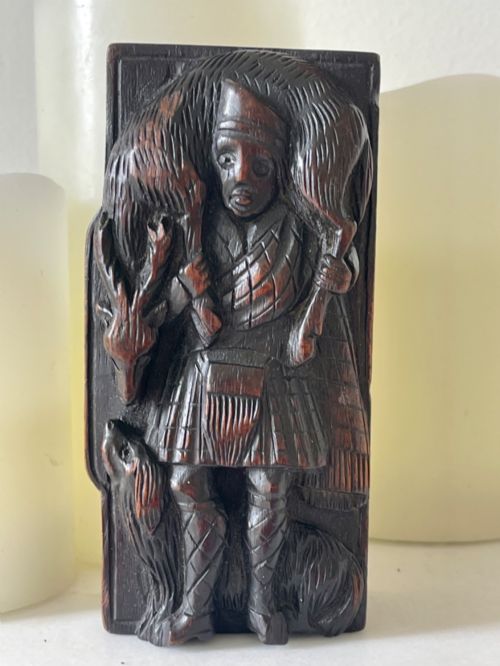
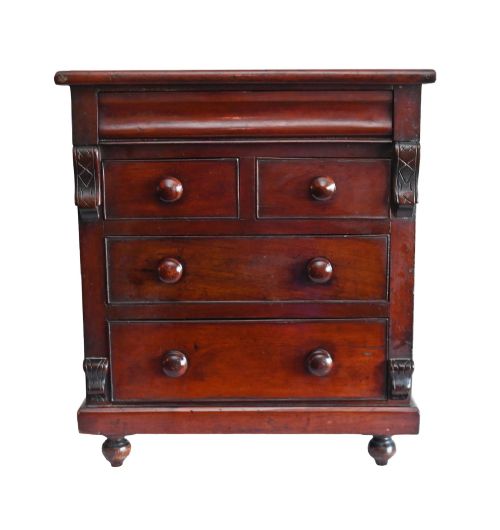
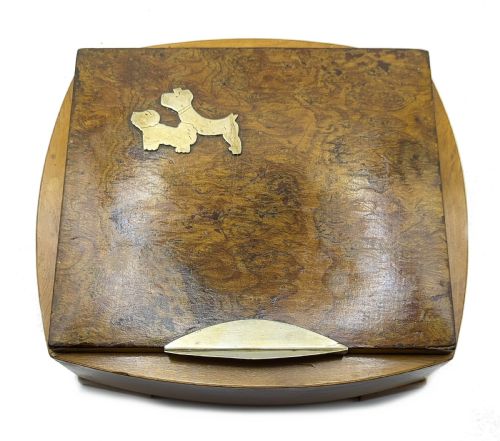
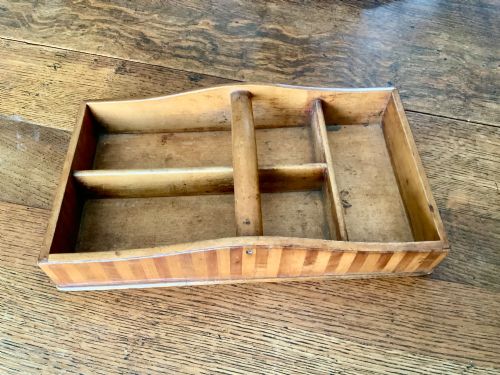
Smaller personal containers include silver-mounted ramshorn mulls designed for communal tobacco sharing, desk stationery boxes, and small trinket repositories. Larger pieces comprise wooden apprentice chests of drawers, pine kists, and oak coal bunkers reflecting domestic life across the Georgian and Victorian eras.
Origin and regional attribution play a central part in defining these items, with assay offices in Edinburgh and Glasgow stamping precious metals alongside identifiable regional vernacular in horn, wood, and stone work.
How they were made
Makers utilised natural organic materials native to the Scottish landscape, particularly animal horn shaped through heat and pressure, combined with sterling silver hinges, mounts, and rims. Horn mulls display smooth curvature achieved by steaming the raw material before mounting it with pewter or silver hardware.
Lapidary work distinguishes many stone-set pieces, where local agates, jaspers, and yellow citrines are cut, polished, and flush-set into silver or gilt brass lids and bezels. Cabinet pieces employ native hardwoods such as mahogany, laburnum, amboyna, and oak, frequently decorated with engine-turned geometric patterns or brass inlay.
Scottish Box Retail Price Guide 2026
Typical asking prices for scottish box among the pieces listed under this phrase on Sellingantiques today, from the lower quarter to the upper quarter. They describe what is for sale here now, not the wider market.
Listings feature items spanning the Georgian, Victorian, and Edwardian periods, utilising sterling silver, horn, agate, mahogany, and pine.
What varies in quality
Superior examples demonstrate precision in the integration of natural materials with metalwork, such as horn that retains a deep, unblemished lustre and tightly fitted silver collars without gaps. The quality of stone-set boxes rests on the saturation and polish of the agates or citrines and the neatness of the bezel holding each stone.
Maker marks and assay office stamps provide a clear indicator of distinction, particularly pieces bearing identifiable Edinburgh or Glasgow hallmarks alongside skilled goldsmith or silversmith signatures. Finer cabinet items show meticulous dovetailing, well-executed brass escutcheons, and intact interior linings.
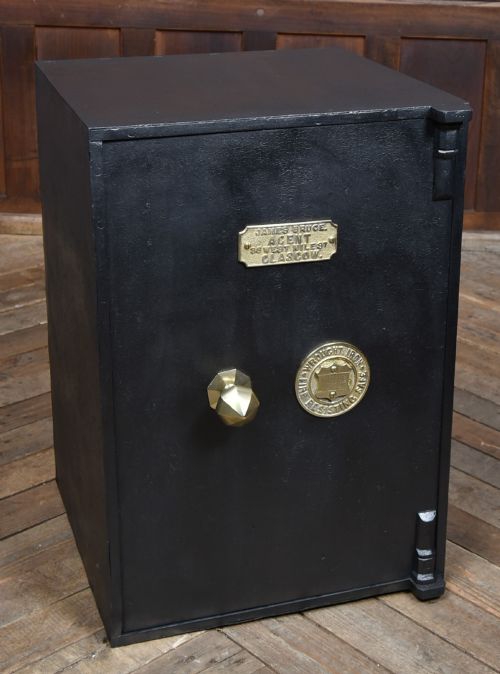
James Bruce·David McDonald·John Caw·Hilliard and Thomason·W and J Milne
The Scottish Box Glossary
- Snuff mull
- A container specifically designed for holding powdered tobacco, traditionally fashioned from a ram's or stag's horn and fitted with a hinged metal lid.
- Vinaigrette
- A small ornamental box featuring a perforated internal grille, designed to hold a sponge soaked in aromatic vinegar or smelling salts.
- Apprentice chest
- A miniature set of drawers constructed by a woodworker to demonstrate mastery of joinery before entering a trade guild.
- Engine turning
- A mechanical decoration technique that cuts intricate geometric patterns into metal or treen surfaces using a specialised lathe.
Scottish Box: Frequently Asked Questions
What is a Scottish horn snuff mull?
A horn snuff mull is a natural ram or stag horn shaped by heat to hold powdered tobacco, typically fitted with a hinged silver lid and decorative mounts.
These pieces were passed around social gatherings for communal snuff taking during the eighteenth and nineteenth centuries.
How do I identify Scottish silver hallmarks?
Scottish provincial and city assay offices, primarily Edinburgh and Glasgow, used distinctive town marks alongside standard lion rampant and duty marks to verify purity.
Maker initials stamped inside the lid or base help trace the specific silversmith responsible for the metalwork mounts.
What stones are used in Victorian boxes?
Victorian Scottish boxes frequently feature native minerals including banded agates, jaspers, and smoky quartz known as cairngorm or yellow citrine.
Lapidaries polished these hardstones into geometric facets and fitted them directly into silver or gilt brass box lids.
How should I care for antique horn?
Antique horn requires stable humidity and protection from direct sunlight to prevent the organic material from drying out and cracking.
Applying a very light coat of mineral oil occasionally helps maintain the deep natural lustre of the polished horn surface.