

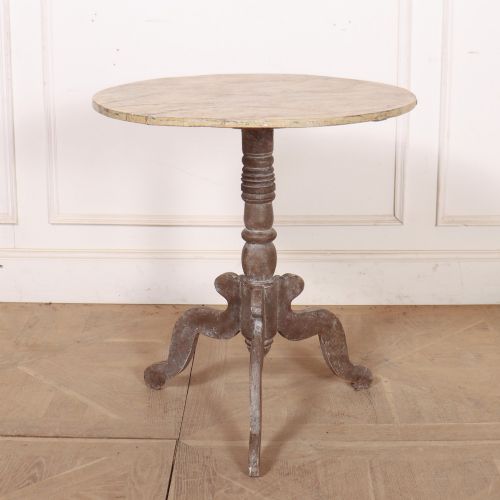
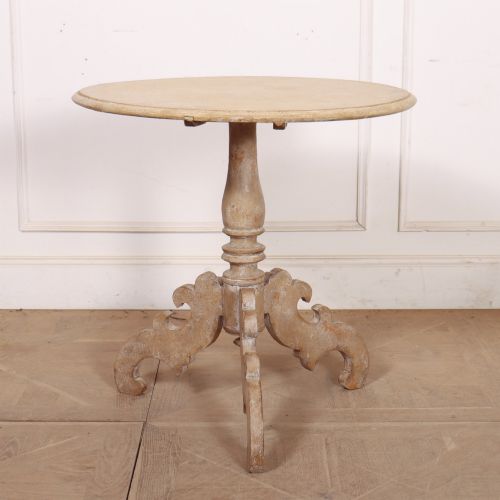
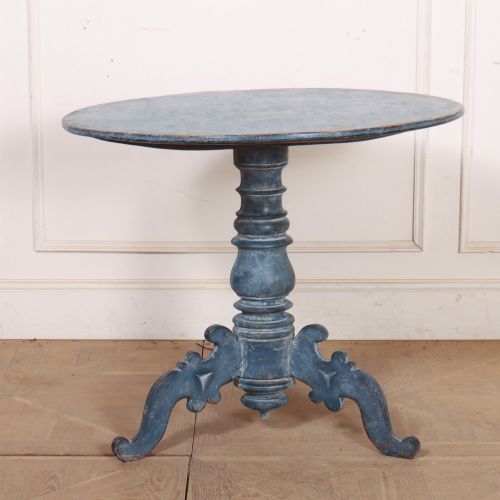
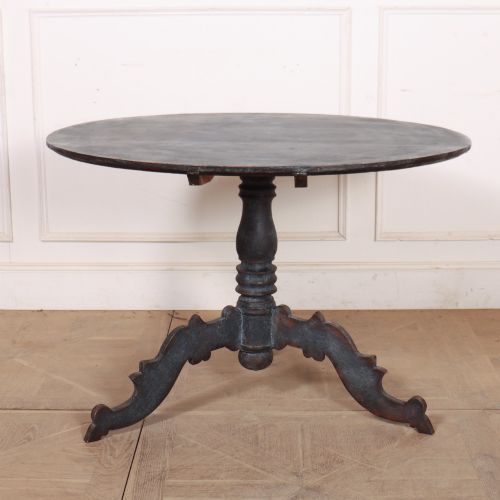

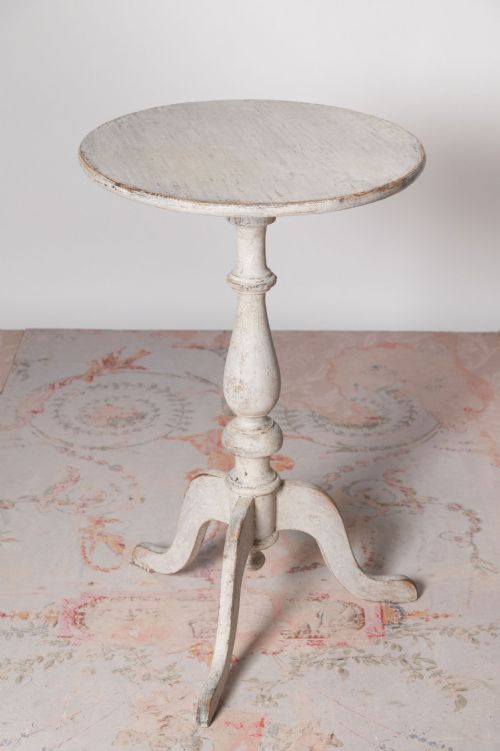
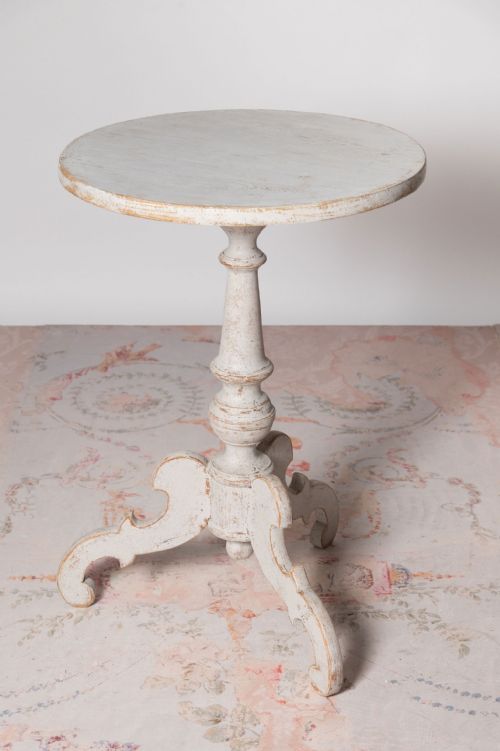
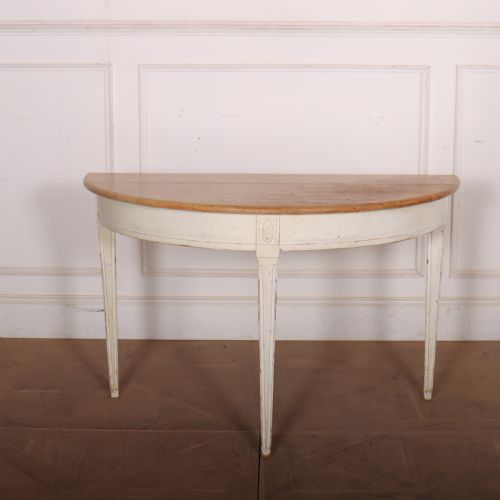


Scandinavian Painted Table
These pieces bring a bright, rustic charm to a room, and a scandinavian painted table makes a versatile addition to any interior.
Scandinavian Painted Table
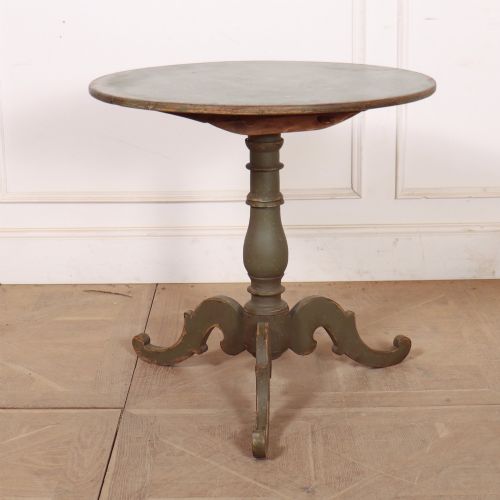
When you search for a scandinavian painted table, you encounter practical furniture originating from northern Europe during the nineteenth and early twentieth centuries. These items encompass dining tables, kitchen tables, console tables, and smaller occasional pieces designed for daily use.
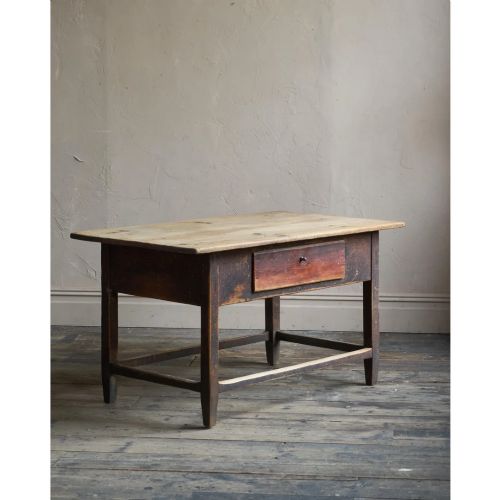
The selection on this page leans heavily towards Swedish country styles, including Gustavian influences and folk art traditions. Forms range from compact lamp tables and drop-leaf gateleg designs to substantial bakers and dining preparation tables built from softwood.
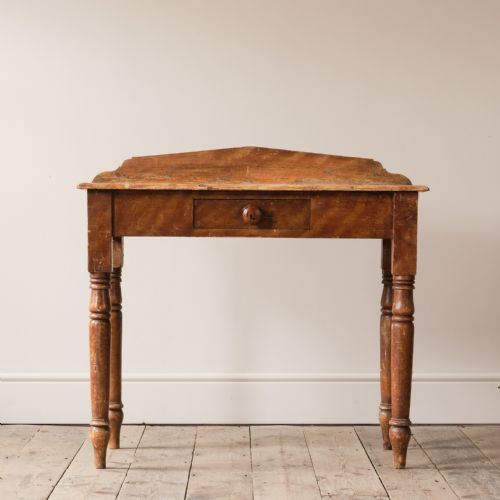
Many examples arrive with original paint finishes, reflecting regional decorative choices such as traditional Falu red or classic muted tones. Side tables and demi-lune consoles provide functional surfaces while introducing distinct historical character to modern spaces.
How they were made
Makers constructed these pieces primarily using pine and softwood, materials chosen for their widespread availability and ease of working. Carpenters employed traditional joinery techniques to build robust frames capable of withstanding heavy daily use in domestic kitchens and farmhouses.
Surfaces received protective and decorative coatings of paint, sometimes applied over multiple layers across decades of use. Iron brackets, brass fittings, and occasional stone elements appeared on specialised forms like garden tables and large preparation benches.
Several pieces include box stretchers, which double as convenient footrests for diners lingering too long over winter porridge.
What varies in quality
The distinction between ordinary and exceptional pieces rests primarily on the survival and integrity of the original surface finish. Tables bearing untouched layers of period paint hold greater interest than those stripped down or heavily recoated in modern times.
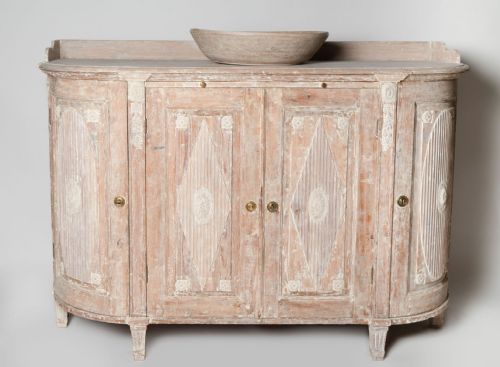
Proportion and structural balance also separate standard utilitarian items from finer examples influenced by Gustavian design or Swedish folk art. Original hardware, such as brass details or sturdy box stretchers, adds authenticity and structural merit to the construction.
The Scandinavian Painted Table Glossary
- Demi-lune
- A half-moon shaped furniture form typically used for console tables that sit flush against a wall. This profile became popular in various nineteenth-century Swedish interiors.
- Slagbord
- A traditional Scandinavian drop-leaf dining table supported by swinging wooden gates or legs. These tables offered flexible surface space in smaller domestic rooms.
- Falu paint
- A traditional deep red paint originating from a copper mine in Falun, Sweden. It provided durable protection for softwood furniture and buildings.
- Box stretcher
- An interlocking wooden framework connecting the lower legs of a table to improve stability. This structural feature appears frequently on nineteenth-century country tables.
- Gustavian
- The Swedish interpretation of the neoclassical style, characterised by restrained symmetry and pale painted finishes. It influenced furniture design from the late eighteenth century onwards.
Scandinavian Painted Table: Frequently Asked Questions
Where did these painted tables originate?
These pieces originate predominantly from Sweden and wider Scandinavia, dating from the nineteenth and early twentieth centuries. They were produced for domestic use in farmhouses, townhouses, and country homes.
Craftsmen utilised local softwoods like pine to build functional furniture suited to daily rural life. The regional aesthetic combined practical utility with distinctive decorative paint traditions.
How do I style a painted table at home?
A painted table works well as a focal point in a hallway, kitchen, or living room, offering both surface area and visual warmth. Their neutral or brightly coloured finishes complement contemporary minimalist interiors as well as rustic settings.
Pair a console or side table with simple accessories to let the original painted surface remain the primary focus. Smaller lamp tables and drop-leaf versions fit easily into tighter spaces while providing practical utility.
How can I tell the period of a painted table?
Dating relies on examining construction methods, wood types, and the characteristics of the paint finish itself. Nineteenth-century examples often display hand-planed pine boards and traditional joinery without modern mechanical fasteners.
Stylistic cues such as Gustavian tapered legs or folk art motifs help narrow down the era of production. Documentation or historical dealer notes can also provide context regarding the specific decade of manufacture.
What is original paint on antique furniture?
Original paint refers to the earliest decorative surface applied to the piece, which has survived largely uncompromised through subsequent generations. Collectors value this layer because it records the authentic history and aesthetic choices of the maker.
Over time, normal wear and patination develop naturally across these painted surfaces. Preserving this finish maintains the historical integrity and visual character of the antique.