





Scandinavian Iron Chest
A Scandinavian iron chest brings heavy timber and dark strapwork together, offering sturdy utility rooted in Northern traditions.
Scandinavian Iron Chest
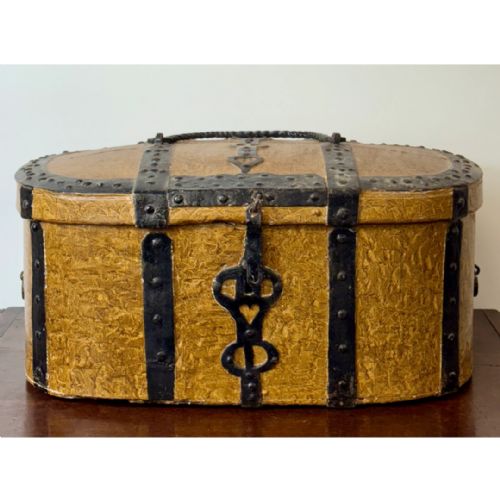
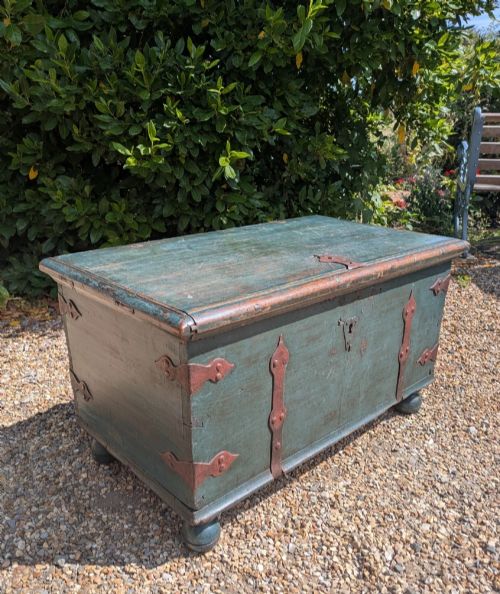
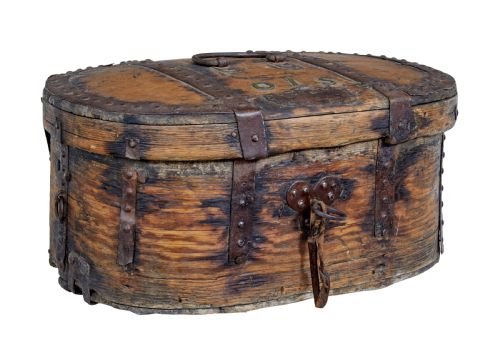
When you search for a Scandinavian iron chest, you encounter robust storage vessels shaped from pine, oak, and wrought iron. These objects range from small strong boxes to large marriage chests and dome top coffers.
The most common examples on this page date from the nineteenth century, though eighteenth-century items appear alongside Georgian pieces. Many display painted surfaces typical of Scandinavian folk art and regional traditions.
Makers constructed these trunks and coffers for domestic security and transport, utilising heavy metal strapwork and metal bounds to reinforce wooden bodies. Such pieces function today as striking focal points in contemporary and traditional interiors.
How they were made
Carpenters built the primary structures using pine and oak, often shaping boards into rectangular or dome top forms. Artisans then applied layers of pigment and paint, decorating surfaces with traditional motifs or leaving the timber patinated.
Blacksmiths produced hand-forged iron strapwork, hinges, and corners to secure the wooden joints. These metal bindings were fixed firmly to the exterior, providing structural strength and protection against forced entry.
Scandinavian Iron Chest Retail Price Guide 2026
Typical asking prices for scandinavian iron chest among the pieces listed under this phrase on Sellingantiques today, from the lower quarter to the upper quarter. They describe what is for sale here now, not the wider market.
Listings feature pine and oak constructions paired with wrought iron strapwork, spanning the eighteenth and nineteenth centuries.
What varies in quality
The sophistication of the hand-forged iron strapwork and the preservation of original paint dictate the character of each piece. Elaborate strapwork and intact folk art decoration elevate the visual weight of a strong box.
The choice of primary wood also influences the piece, with dense oak examples offering a different presence compared to lighter painted pine chests. Original patination and untouched surface finishes contribute significantly to the appeal.
The Scandinavian Iron Chest Glossary
- Strapwork
- Flat bands of wrought iron applied to the exterior of a chest to reinforce the wooden construction. These bands frequently cross in geometric or decorative patterns.
- Strong box
- A small, secure chest utilised for storing valuables, documents, or currency. They often feature complex iron bindings and heavy locks.
- Dome top
- A rounded lid profile designed to shed water and increase internal storage capacity. This shape appears frequently on eighteenth and nineteenth-century coffers.
- Marriage chest
- A ceremonial trunk given to mark a wedding, frequently painted with dates, initials, or symbolic folk art motifs. These pieces served as important household property.
- Folk art
- Traditional decorative styles created by regional artisans rather than formal urban workshops. Painted chests in this style display local patterns and vibrant pigments.
Scandinavian Iron Chest: Frequently Asked Questions
What is a strong box?
A strong box is a smaller, reinforced storage container built with thick timber and heavy iron bindings. It was designed to protect valuable items, documents, and currency.
These boxes often feature robust locks and strapwork across the lid and body, setting them apart from ordinary domestic storage boxes.
How do I date a painted chest?
Dating relies on examining the construction methods, the type of timber used, and the pigment or paint layers. Eighteenth-century examples often show distinct Baroque influences and hand-forged details.
Nineteenth-century pieces frequently display folk art painting styles or specific dates inscribed directly onto the painted surface.
Where were these chests used?
These chests originated in Scandinavian domestic settings, farms, and merchant houses for practical storage and security. They housed textiles, valuables, and household goods.
Their sturdy construction also made them suitable for transporting personal belongings across regions.
How should I care for painted pine?
Painted pine surfaces require stable indoor humidity and protection from direct sunlight to preserve the pigments and patination. Dusting with a soft, dry cloth is sufficient for routine maintenance.
Avoid using harsh cleaning products or modern polishes that can damage historic paint layers.
What is folk art decoration?
Folk art decoration encompasses regional painting styles, motifs, and patterns applied by local craftsmen. These designs often include floral elements, geometric patterns, or inscribed dates.
Such ornamentation reflects the cultural traditions of the area where the chest was made.