

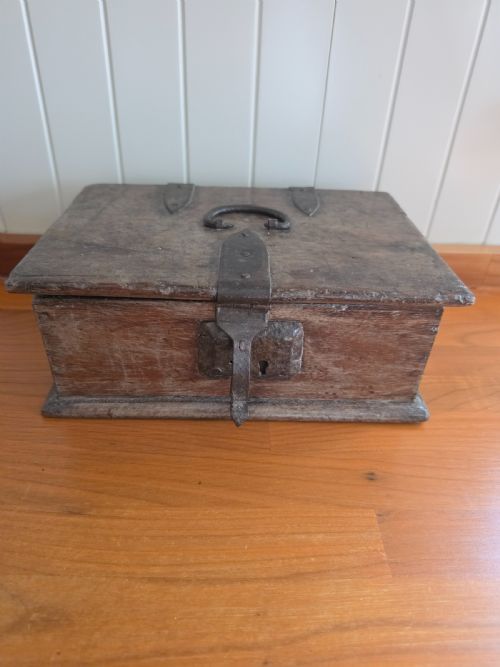
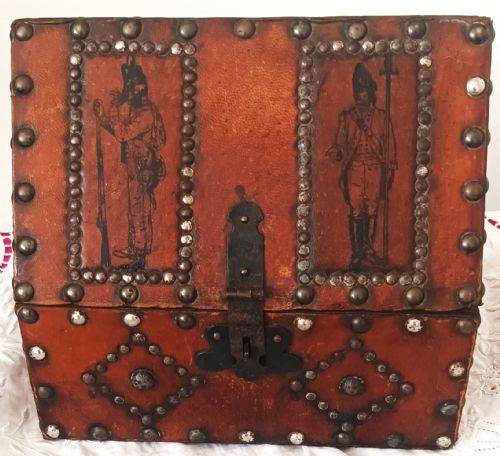
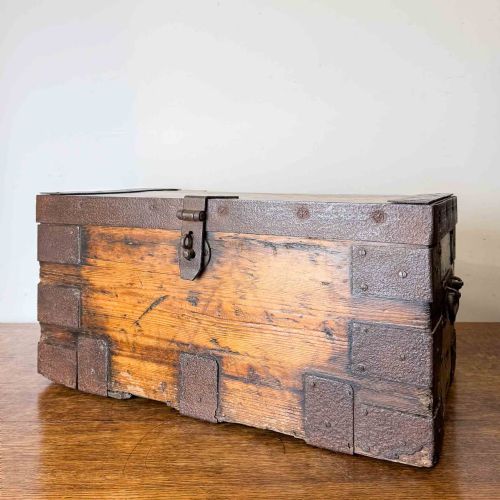


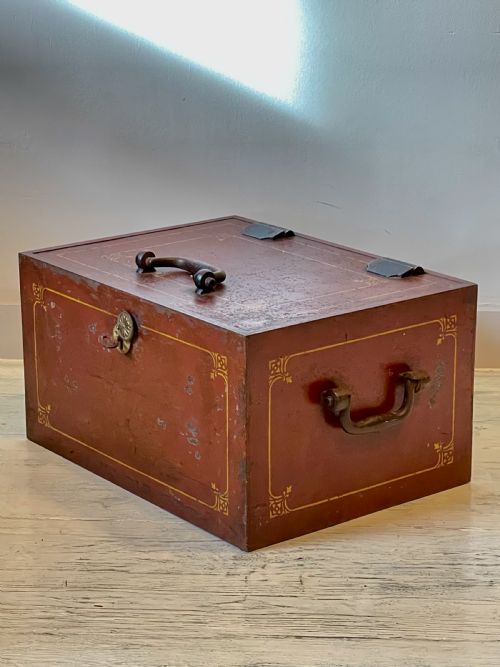


Wrought Iron Document Box
A wrought iron document box is a robust container built to secure papers, made from durable metals and woods like oak and pine.
Wrought Iron Document Box
A wrought iron document box serves as a secure container designed to protect valuable papers and valuables from theft or fire. These pieces emerge in various periods, including the 16th century, 17th century, 18th century, 19th century, and the Victorian era.
The selections available here span diverse regional styles such as Scandinavian folk art, rustic country, Spanish colonial, and Swedish Baroque. Buyers most frequently encounter forms like strongboxes, safes, and metal-bound wooden chests alongside traditional caskets.
Makers utilised resilient construction methods combining timber carcasses with heavy metal reinforcement to ensure contents remained safe during travel or storage. Each object reflects the utilitarian needs of its original owners across different European and global workshops.
Construction and materials
Makers constructed the primary bodies of these containers using sturdy native timbers including oak, pine, elm, walnut, and occasional leather bindings. These wooden elements provided a solid structural core capable of supporting heavy metal hardware.
Workers applied wrought iron and cast iron bands, straps, and locking mechanisms directly to the exterior to reinforce the structure against forced entry. Brass components and painted finishes also appear, adding decorative detail alongside functional security.
Wrought Iron Document Box Retail Price Guide 2026
Typical asking prices for wrought iron document box among the pieces listed under this phrase on Sellingantiques today, from the lower quarter to the upper quarter. They describe what is for sale here now, not the wider market.
Listings feature items spanning from the sixteenth century through to nineteen hundred, incorporating woods like oak, pine, elm, and walnut.
Evaluating craftsmanship and condition
Quality in these containers rests upon the complexity of the locking mechanisms and the integrity of the iron banding. Pieces featuring intricate internal locking systems demonstrate higher levels of blacksmithing skill.
The preservation of original painted surfaces and natural timber patination distinguishes superior examples. Lesser pieces show extensive replacement of hardware or structural degradation of the wood.
The Wrought Iron Document Box Glossary
- Wrought iron
- A tough, malleable form of iron easily shaped by a blacksmith into straps and hinges. It provides the primary structural reinforcement on these protective containers.
- Strongbox
- A heavily secured box or small chest designed to hold money, documents, or valuables. These items typically feature complex locking mechanisms.
- Strongbox safe
- An evolution of the standard strongbox incorporating heavier cast iron plates and advanced security measures. They date frequently to the Victorian period and later.
- Scandinavian Baroque
- A regional design style incorporating ornate carved or painted elements applied to functional furniture and boxes. It appears on mid 18th century Swedish examples.
- Chasse
- A reliquary-style box or casket shape often adapted for secular storage of important papers. These pieces feature gabled or sloping lids.
Wrought Iron Document Box: Frequently Asked Questions
What is a wrought iron document box used for?
These containers were originally built to store legal deeds, currency, contracts, and precious family documents securely. Their robust construction protected important papers from fire, moisture, and theft.
Today, collectors use them to display historical items or to store modern valuables safely within the home. They function as both decorative objects and secure storage.
How do I date a metal bound box?
Dating relies on examining the construction techniques of the timber frame, the style of the ironwork, and the type of lock used. Hand-forged hinges and straps indicate earlier periods.
Later pieces from the Victorian era often utilise cast iron components and machine-cut fixings. Comparing the wood species like oak or pine helps narrow the origin.
Are these boxes waterproof?
Most historical containers were designed to offer security against theft and physical damage rather than complete waterproof sealing. Gaps in the timber or iron joints allow moisture to enter over time.
Owners should keep them in stable indoor environments away from damp conditions to protect the internal contents and the metalwork.
How should I clean the ironwork?
Maintenance involves gently removing dust with a soft brush and applying a microcrystalline wax to protect the metal from rust. Avoid harsh chemical cleaners that strip the historic surface.
Preserving the original patina ensures the object retains its historical integrity and visual character.