



Scandinavian Buffet
A scandinavian buffet brings practical storage and calm, light-toned timber to a room, rooted in centuries of Northern European craftsmanship.
Scandinavian Buffet
When you search for a scandinavian buffet, you encounter sturdy storage pieces designed for domestic utility and understated elegance. The pieces listed now originate primarily in the nineteenth century, alongside examples from the early twentieth century.
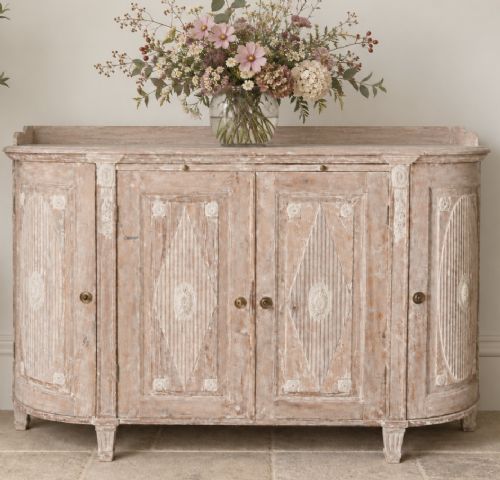
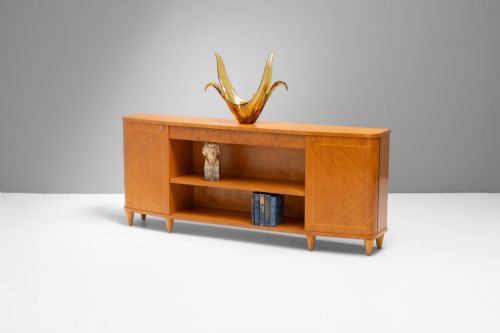
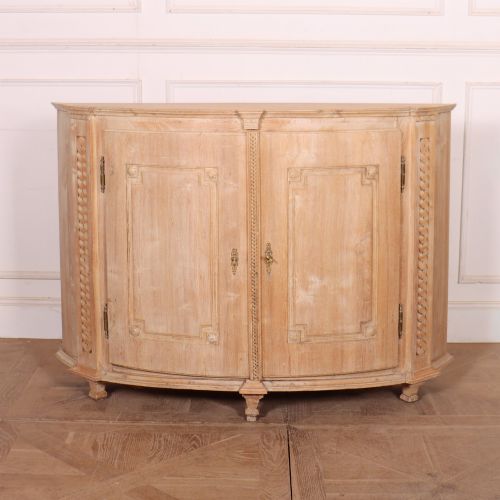
The forms on this page range from specific sideboards and credenzas to tall cupboards, dressers, and linen presses. Swedish design dominates the selection, encompassing regional country styles as well as refined urban movements like Gustavian, Swedish Grace, and Swedish Biedermeier.
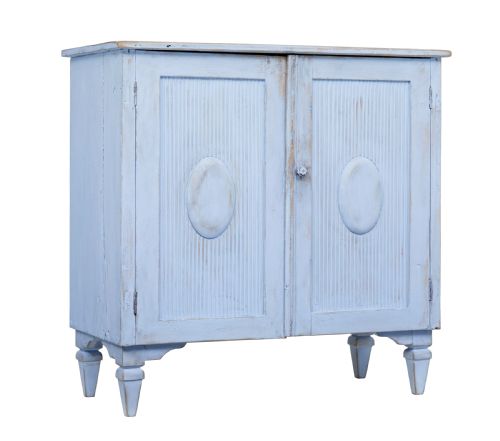
Buyers most frequently meet nineteenth-century painted cupboards and birch buffet sideboards. These items combine generous proportions with functional internal shelving or drawers, making them adaptable for modern living spaces.
How they were made
Cabinetmakers relied on regional timbers such as pine, birch, flame birch, satinwood, and satin birch to build the carcases and facades. These woods were chosen for their durability and grain patterns, often finished with subtle decorative painting or scraped original paint.
Hardware details in brass and iron secure doors and drawers, demonstrating practical craftsmanship suited to everyday use. Surface treatments range from natural timber polishes to layered painted finishes, sometimes featuring traditional ragwork decoration.
Scandinavian Buffet Retail Price Guide 2026
Typical asking prices for scandinavian buffet among the pieces listed under this phrase on Sellingantiques today, from the lower quarter to the upper quarter. They describe what is for sale here now, not the wider market.
Ragwork paint finishes ensure that no two kitchen cupboards display the exact same mottled texture.
What varies in quality
The standard of a piece rests in the choice of timber and the preservation of its surface finish. Finer examples display carefully selected flame birch or satin birch veneers alongside well-executed cabinet joinery that maintains structural integrity over generations.
The character of the paint finish significantly influences the piece. Original scraped paint surfaces retain historic layers and depth that distinguish carefully preserved vernacular furniture from later, heavier over-painting.
The Scandinavian Buffet Glossary
- Gustavian
- The Swedish neoclassical style spanning the late eighteenth and early nineteenth centuries, characterised by restrained ornamentation, fluted columns, and light painted finishes.
- Birch
- A dense, pale hardwood widely utilised in Northern European cabinetmaking for both solid construction and decorative veneers.
- Ragwork paint
- A decorative paint technique where rags or cloths are used to manipulate the wet glaze on a surface, creating a mottled or textured pattern.
- Swedish Biedermeier
- A nineteenth-century style focusing on clean lines, utility, and the natural beauty of timber grain rather than excessive ornamentation.
- Bowfront
- A convex, curved front profile typical of certain nineteenth-century sideboards and cabinets.
Scandinavian Buffet: Frequently Asked Questions
What is a Scandinavian buffet used for?
These pieces provide substantial storage for dining rooms, kitchens, or living areas, housing tableware, linen, or household items behind fitted doors and drawers.
Their broad top surfaces also offer space for serving food or displaying decorative objects.
How do I identify a Gustavian piece?
Gustavian pieces typically feature neoclassical motifs such as tapered legs, fluting, and urn carvings, usually finished in pale or neutral paint colours.
They reflect a lighter, more symmetrical aesthetic compared to earlier baroque furniture.
How do I care for painted pine furniture?
Keep painted wooden surfaces away from direct sunlight and excessive moisture to prevent the timber from warping and the paint from flaking.
Dust gently with a dry, soft cloth and avoid chemical cleaning agents that might strip historic finishes.
What distinguishes birch from pine?
Birch is a harder, denser timber with a fine, uniform grain that takes a high polish and accommodates decorative veneering.
Pine is softer, lighter in weight, and more commonly utilised for painted country furniture and internal carcase construction.