


Scalloped Walnut Centre Table
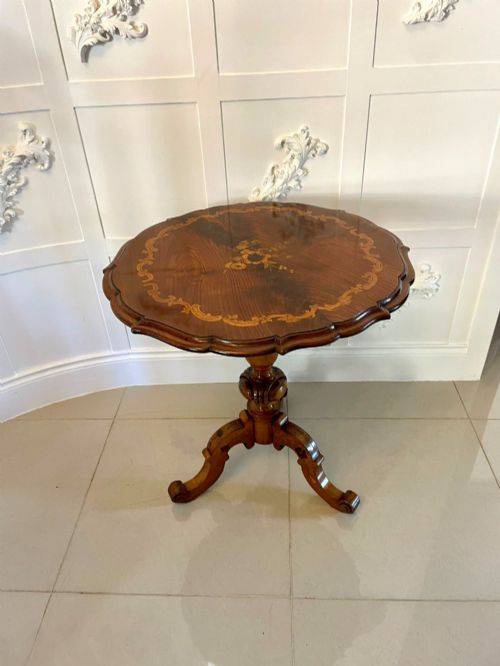
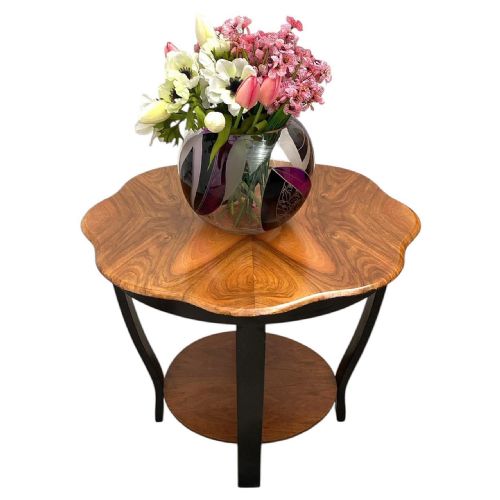
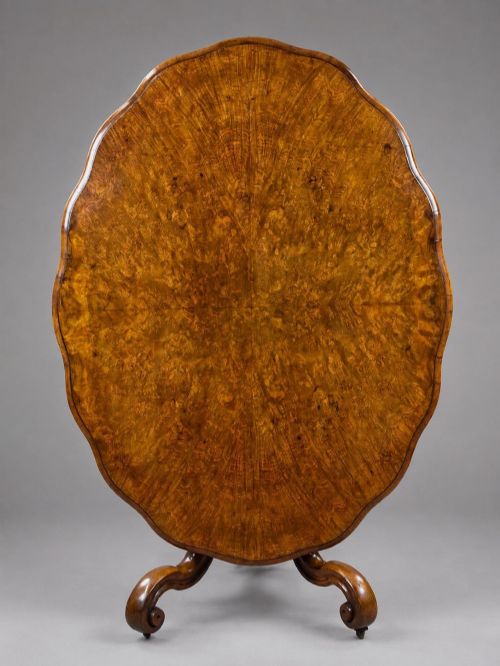
A scalloped walnut centre table brings rich timber grain and fluid curves to a room, serving as a striking focal point for any interior.
Scalloped Walnut Centre Table
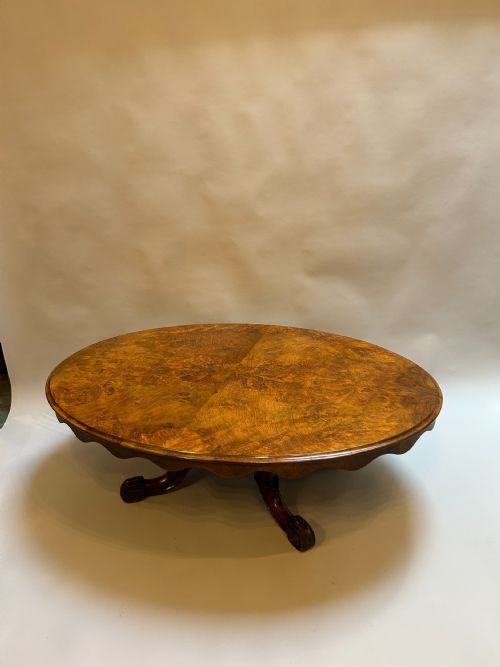
When you search for a scalloped walnut centre table, you encounter a refined group of freestanding tables designed to sit in the middle of a room rather than against a wall. The selection spans distinct eras from the Victorian period through to the Art Deco decades, encompassing various forms from tilt-top designs and pedestal dining tables to low coffee tables.
Victorian examples dominate the choices, often featuring burr walnut veneers, inlaid marquetry, and shaped pie-crust or scalloped edges that showcase the natural figuring of the wood. Later twentieth-century interpretations include two-tier coffee tables and Queen Anne revival pieces, alongside European baroque imports topped with marble.
Materials and Construction
Cabinetmakers utilised solid walnut and decorative veneers, particularly burr and figured walnut, selected for their swirling grain patterns and deep warm tones. These veneers were meticulously applied to primary timber carcasses, frequently accented with delicate wood inlay or marquetry.
Structural flourishes included turned pedestals, brass fittings, and shaped aprons that supported the characteristic scalloped or pie-crust perimeters. Tabletops were sometimes mounted on tilt-top mechanisms or supported by multi-tiered frames built for practical utility.
Some tabletops tilt completely upright, proving that Victorian furniture occasionally knew how to stand in the corner and think about what it had done.
Markers of Quality
The standard of a piece rests heavily on the choice and matching of the walnut veneer, where symmetrical figuring and rich depth separate superior examples from plain timber. Precision in the execution of the shaped edges and the crispness of any marquetry inlay further define the tier of workmanship.
Structural integrity reveals itself in the stability of the central pedestal or leg assemblies and the smooth operation of functional elements like drawers or tilt-top catches. Superior tables maintain balanced proportions where the complex curves of the top harmonize with the base.
John Kendal
The Scalloped Walnut Centre Table Glossary
- Marquetry
- The art of applying small pieces of veneer to a structure to form decorative patterns or pictures. This technique often embellishes the borders of nineteenth-century tables.
- Pie crust edge
- A raised, carved, and scalloped perimeter detail resembling the crimped edge of a pastry crust. It is characteristic of finer occasional and coffee tables.
- Tilt-top mechanism
- A hinge device allowing the tabletop to pivot into a vertical position when not in use. This practical feature enabled tables to be stored against walls in smaller spaces.
- Figured walnut
- Timber exhibiting distinctive natural grain formations such as ripples or flames. It is chosen for its visual impact on prominent surfaces.
Scalloped Walnut Centre Table: Frequently Asked Questions
What is a scalloped walnut centre table?
A scalloped walnut centre table is a freestanding piece of furniture featuring a curved, decorative edge and a wooden construction finished in walnut veneer. These tables were traditionally placed in the middle of principal rooms to display decorative objects or serve refreshments.
Today, they function equally well as statement coffee tables or occasional tables in sitting rooms and libraries. Their distinctive shaped profiles and rich timber grain add texture and traditional character to contemporary and period interiors alike.
How do I date a walnut table?
Dating these pieces involves examining the stylistic clues, construction methods, and materials present in the design. Victorian examples from the mid to late nineteenth century often feature heavy pedestals, burr walnut veneers, and elaborate marquetry, while pieces from the 1920s and 1930s lean towards cleaner Art Deco lines or Queen Anne revival forms.
Hardware, such as brass mechanisms and joinery techniques underneath the top, also offers clear indicators of age. Comparing the specific edge profiles and leg styles helps place the table within its proper historical era.
Where should I place a centre table?
As the name suggests, a centre table is designed to stand clear of walls, allowing access from all sides. In a large drawing room or hallway, it anchors the space and works well beneath a central ceiling rose or chandelier.
For lower coffee table versions, placement naturally centres around seating arrangements like sofas and armchairs. Ensure there is sufficient clearance around the perimeter to navigate past the curved edges comfortably.
How do I care for walnut veneer?
Caring for walnut veneer requires protecting the delicate wood surface from direct sunlight and excessive moisture. Dust the table regularly with a soft, dry cloth and avoid silicone-based polishes that can build up and dull the finish over time.
Using coasters and mats prevents water rings and heat damage to the polished top. Maintaining stable room humidity prevents the timber from drying out and the veneer from lifting.