


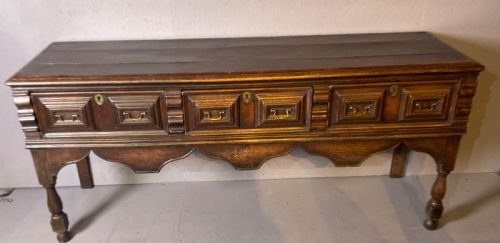


Scalloped Oak Dresser Base
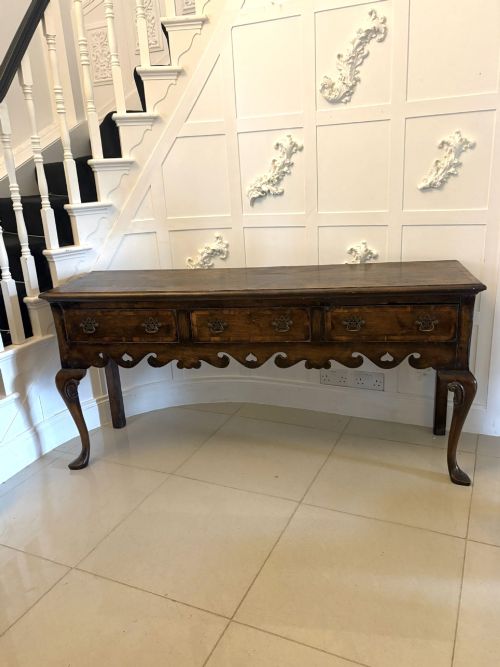
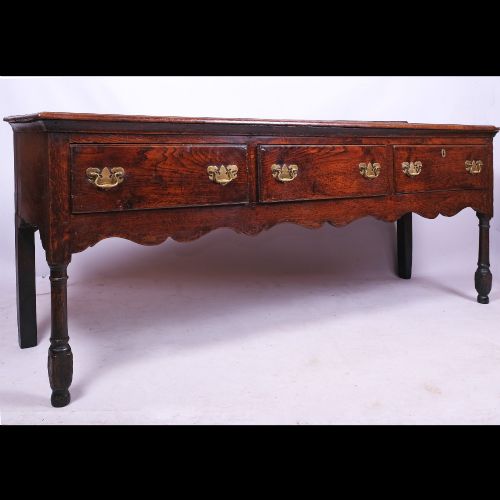
A scalloped oak dresser base is a substantial timber sideboard built for utility, offering deep surface space and drawers grounded in centuries of rural craftsmanship.
Scalloped Oak Dresser Base
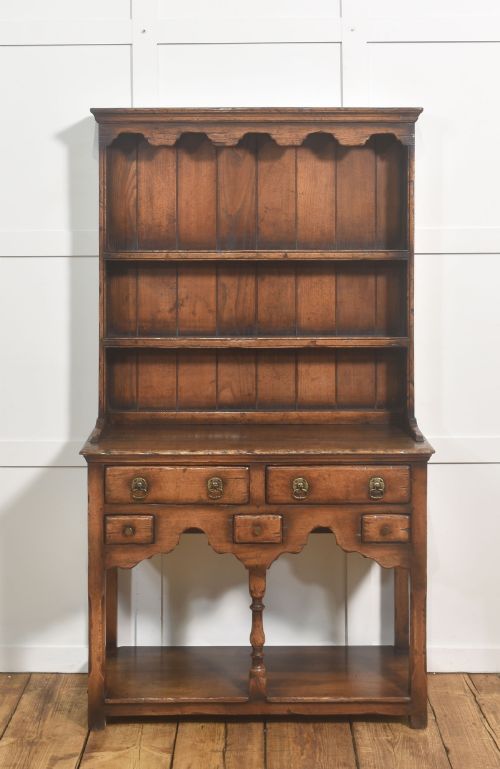
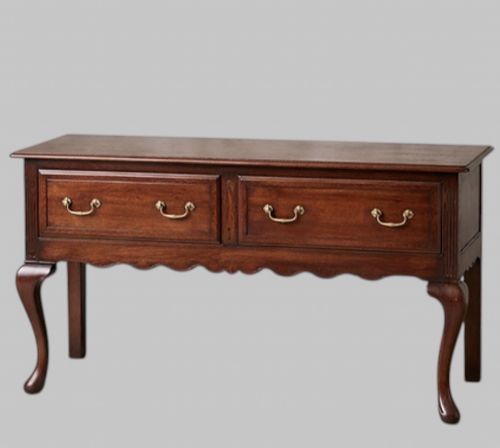
A scalloped oak dresser base is a robust timber furnishing originally designed for domestic service, serving as a primary surface for food preparation and storage in country houses. When searching for a scalloped oak dresser base, buyers encounter substantial pieces featuring rows of drawers and open pot boards or cupboards beneath.
The selections span significant historical periods, running from the late 17th century through the Georgian era and into the late 19th and early 20th centuries. These forms reflect diverse regional origins, including Welsh vernacular traditions and English country workshops.
Makers shaped these surfaces to include distinct decorative curves, known as scallops, along the apron or skirt beneath the drawers. Alongside standard dresser bases, the listings incorporate related forms such as sideboards, console tables, and pieces with integrated plate racks.
Construction and materials
Makers constructed these sturdy items primarily from solid oak, relying on the timber's density and durability for long-term domestic use. Structural joints were pegged and panelled by hand to withstand heavy daily wear.
Fitted hardware typically includes brass handles, escutcheons, and hinges that contrast with the warm grain of the wood. Some examples display bleached finishes or carved details applied to the base structure.
Current inventory spans oak furniture from the late 17th century through the Georgian period to early 20th century revival pieces.
Distinctions in quality
The standard of a scalloped oak dresser base rests upon the integrity of the timber, the depth of the patination accumulated over generations, and the crispness of the hand-cut shaping along the aprons. Early examples from the 17th and 18th centuries exhibit hand-planed surfaces and traditional joinery that differ from later revival pieces.
Proportion and the preservation of original hardware also define the character of each piece. Superior items retain their authentic structural framing without excessive timber replacement.
The Scalloped Oak Dresser Base Glossary
- Dresser base
- The lower portion of a traditional kitchen or dining room dresser, featuring a flat top above drawers and cupboards, without the upper plate rack. This configuration functions independently as a sideboard or console table.
- Pot board
- An open lower shelf built into the base of a dresser, originally intended for storing heavy pots and pans. It sits just above the floor, supported by the legs.
- Vernacular
- Furniture designed and built by regional craftsmen to meet local practical needs, rather than following strict metropolitan academic styles. These pieces often display unique structural quirks reflecting their geographic origin.
- Escutcheon
- A protective metal plate surrounding a keyhole, usually fashioned from brass on these oak pieces. It prevents the wood around the lock from splitting or wearing down through repeated use.
- Patina
- The deep, lustrous surface sheen developed on timber over centuries through handling, polishing, and exposure to light. Collectors value this visual depth as a sign of genuine age.
Scalloped Oak Dresser Base: Frequently Asked Questions
What is a scalloped oak dresser base?
A scalloped oak dresser base is a low wooden storage unit featuring drawers and decorative curved shaping along the lower apron. It originates from traditional domestic settings where sturdy surface space was required.
These pieces function effectively as sideboards or console tables in contemporary spaces, providing surface display areas alongside enclosed drawer storage.
How were these dresser bases originally used?
In historical households, these units served as utilitarian worktables for preparing food and storing kitchen utensils. The top surface held provisions while the drawers kept smaller implements organised.
Lower shelves and pot boards accommodated heavy cookware, keeping the workspace clear for daily domestic labour.
How do I date an oak dresser base?
Dating relies on examining the construction methods, tool marks, and timber characteristics visible across the frame. Hand-planed boards and pegged joints usually indicate earlier periods such as the 17th or 18th century.
Revival pieces from the Victorian era or the early 20th century display more uniform machine sawing and different standards of wear within the drawer linings.
How do I care for antique oak furniture?
Antique oak benefits from maintaining stable indoor humidity levels away from direct heat sources and strong sunlight. Regular dusting with a dry, soft cloth preserves the natural finish.
Application of traditional beeswax helps nourish the timber and maintain the historical surface sheen without sealing the pores of the wood.