

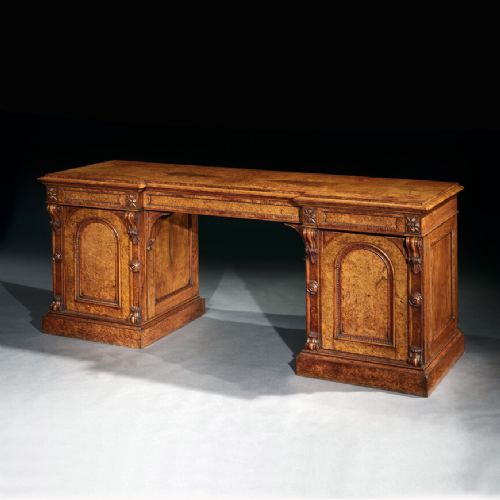
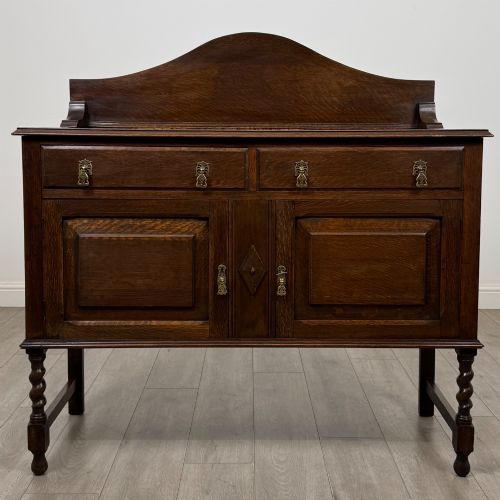
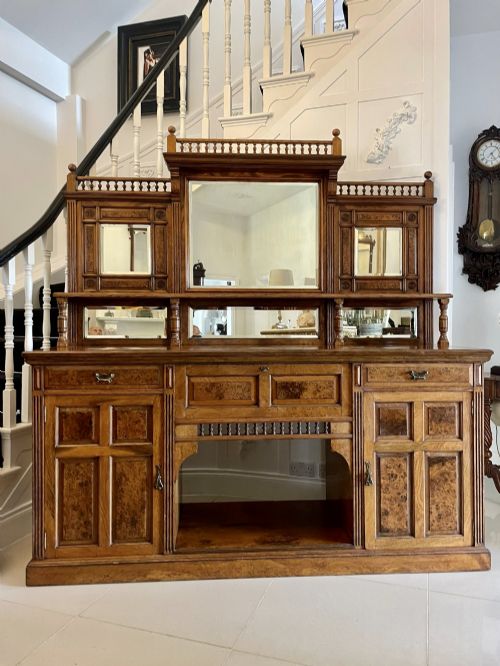
Oak Credenza Sideboard
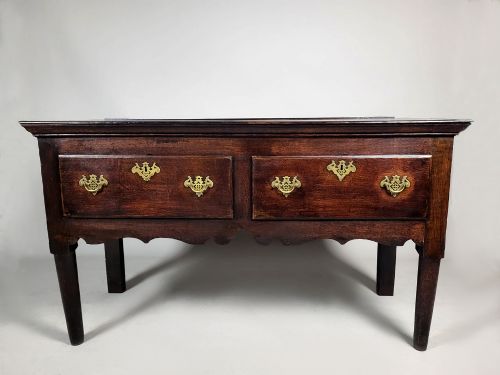
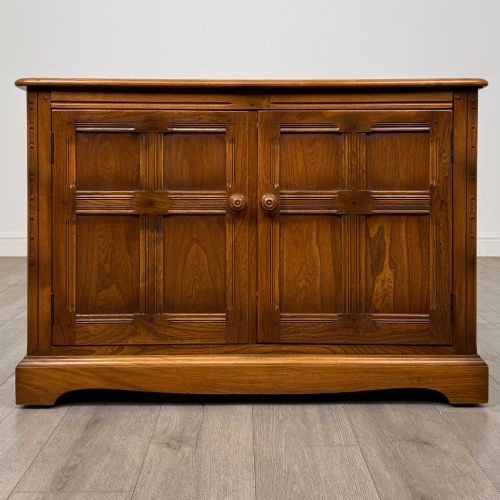
When you search for oak credenza sideboard, you are looking at substantial timber storage pieces designed to anchor a dining room or hall.
Oak Credenza Sideboard
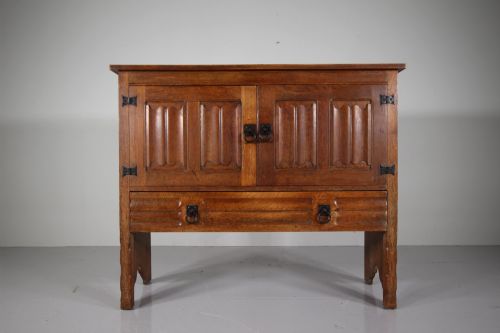
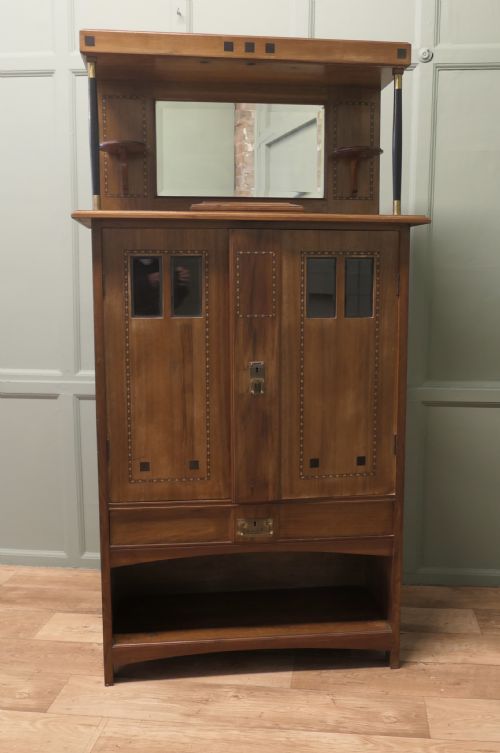
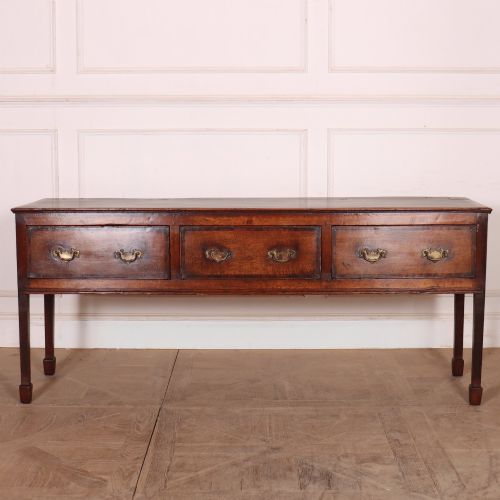
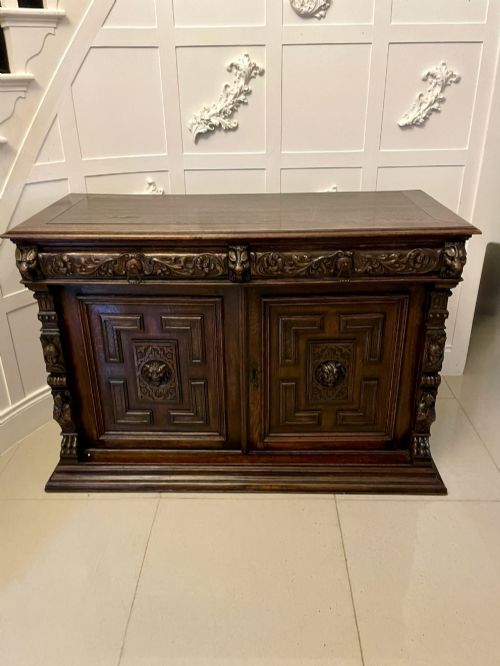
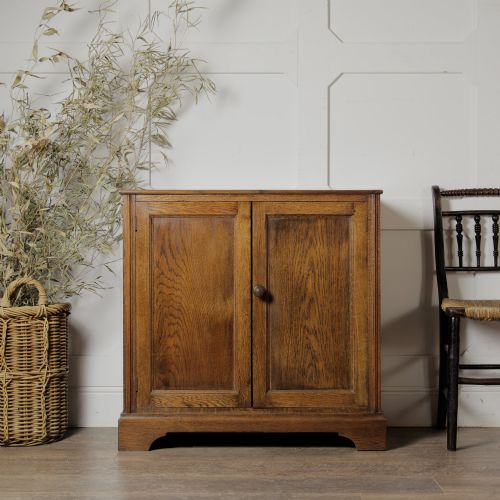
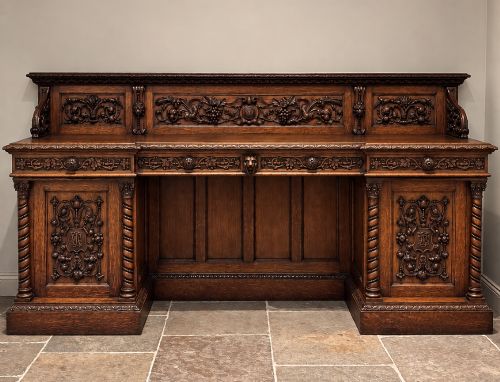
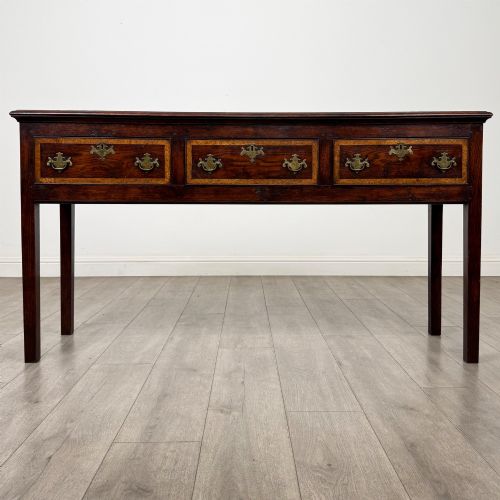
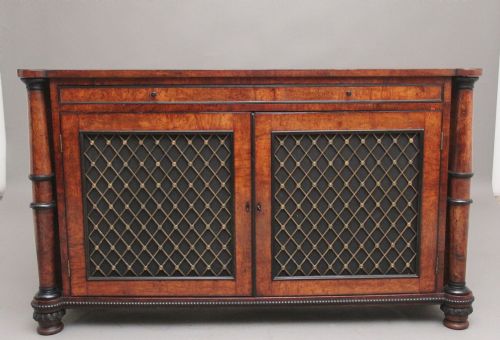
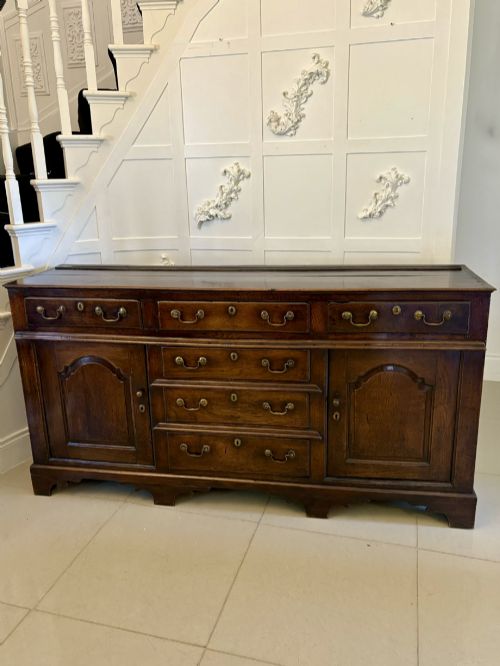
The oak credenza sideboard category encompasses heavy timber servers, dressers, and low cupboards spanning several centuries of domestic furniture design. Buyers searching this phrase meet everything from early country potboard bases to elaborate Victorian carved servers and cleaner 20th-century Arts and Crafts designs.
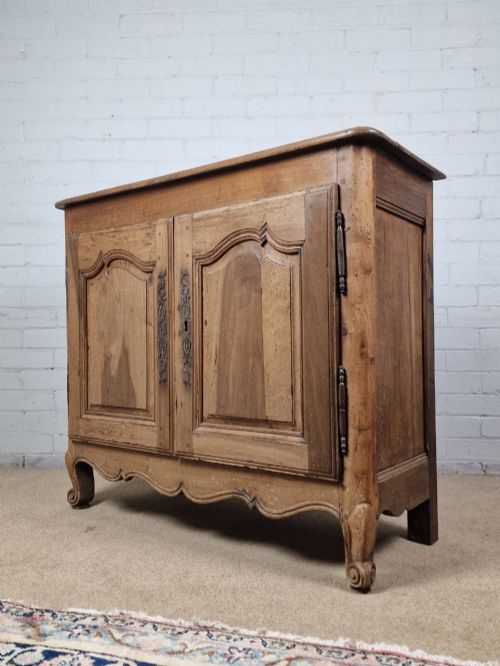
Most examples originate from English workshops, though French provincial enfilades and Scottish buffets appear among the listings. Forms range from narrow Gothic Revival proportions to broad Jacobean style cupboards fitted with barley twist legs and linenfold panelling.
How they were made
Makers built these pieces primarily in solid oak, occasionally incorporating figured pollard oak veneers on drawer fronts and cabinet doors to add visual movement. Construction relied heavily on traditional joinery, including pegged mortise and tenon frames and hand-cut dovetails for drawer boxes.
Hardware details such as brass drop handles, iron hinges, and occasionally copper backplates complement the timber structure. Carving is executed directly into the solid oak body, ranging from deep relief foliage to geometric panels and applied mouldings.
Several pieces include secret drawers hidden behind carved mouldings, designed for storing family silver.
What varies in quality
Quality rests primarily in the selection of the timber and the crispness of the cabinetmaker's hand. Plain utility cupboards sit at one end, while pieces featuring richly figured pollard oak, detailed Gothic or Jacobean carving, and integrated architectural mouldings occupy the upper tier.
Construction depth also defines the grade of a piece, separating straightforward utilitarian storage from sophisticated items designed by notable workshops with considered proportions and refined secondary timbers.
Ambrose Heal for Heal & Son·Gomme
The Oak Credenza Sideboard Glossary
- Potboard
- An open slatted lower shelf beneath a dresser base traditionally used for storing earthenware and pots. This feature is particularly common on 18th-century country examples.
- Enfilade
- A long low sideboard or cabinet with three or more doors, originating from French dining traditions. These pieces provide extensive unbroken surface and interior storage.
- Court cupboard
- A heavy enclosed wooden cupboard with an upper section supported by carved pillars or brackets. They date largely to earlier vernacular revival periods.
- Pollard oak
- Timber taken from trees that have been pollarded, producing dense, highly figured wood with clustered knots. Makers prized this material for decorative drawer fronts.
- Linenfold
- A style of carved wooden panelling that imitates folded fabric. It appears frequently on panels of 20th-century pieces adopting earlier revival styles.
Oak Credenza Sideboard: Frequently Asked Questions
How do I date an oak sideboard?
Dating relies on examining construction methods, timber preparation, and decorative styles. Hand-cut dovetails, pegged joints, and vernacular tool marks point towards earlier periods.
Revival pieces from the later centuries often combine machine-sawn timber with historical carving motifs, helping distinguish them from authentic earlier antiques.
Where should I place a large oak sideboard?
These substantial pieces require solid wall space and careful clearance for opening cabinet doors and drawers. Dining rooms and wide hallways provide the natural architectural weight they need.
Keep them away from direct heat sources and strong sunlight to protect the solid oak and preserve the timber finish.
How do I care for antique oak furniture?
Regular dusting with a dry, soft cloth prevents surface grit from dulling the wax finish. Apply a quality beeswax polish sparingly when the timber appears dry.
Avoid liquid cleaners and silicone sprays, as these can penetrate the grain and damage the historic patina of the wood over time.