


Satinwood Bookcase on Stand
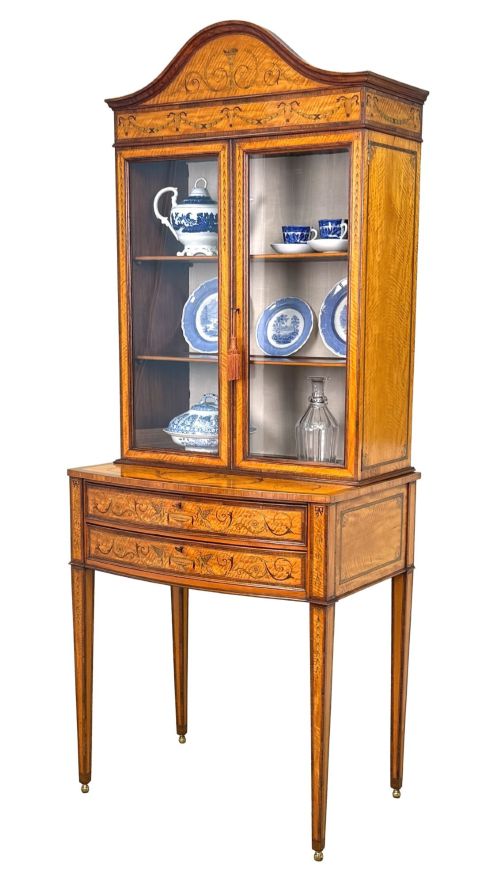
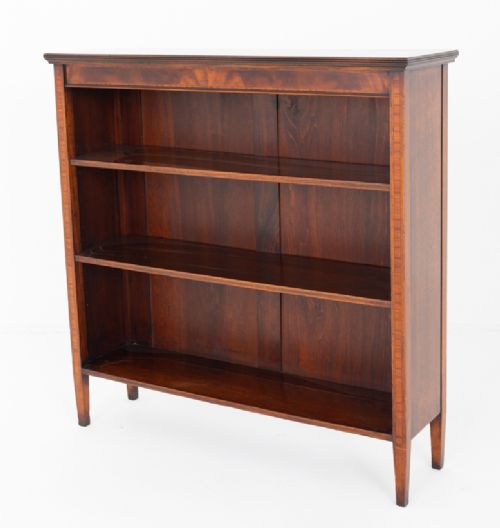
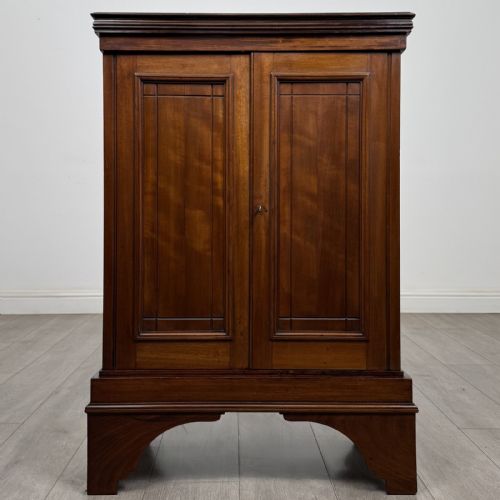
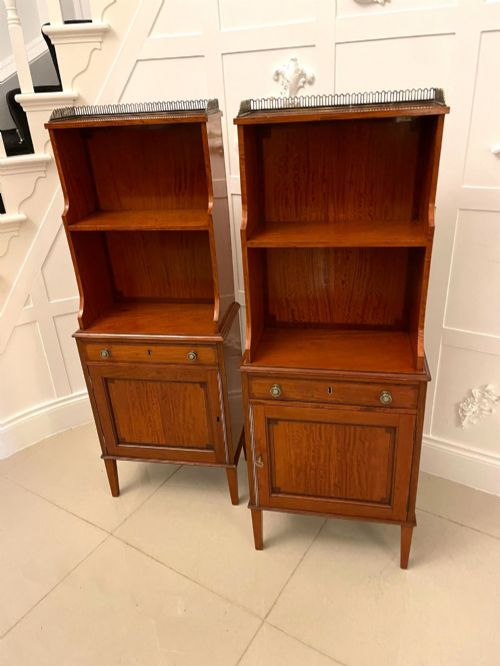
A satinwood bookcase on stand marries figured timbers with elevated cabinetry, offering compact display and storage for a refined interior.
Satinwood Bookcase on Stand
A satinwood bookcase on stand combines fine cabinet work with raised supports, presenting a lighter visual weight than traditional floor-standing furniture. Buyers investigating a satinwood bookcase on stand will encounter pieces primarily from the Edwardian period and the late nineteenth century, alongside earlier Georgian examples.
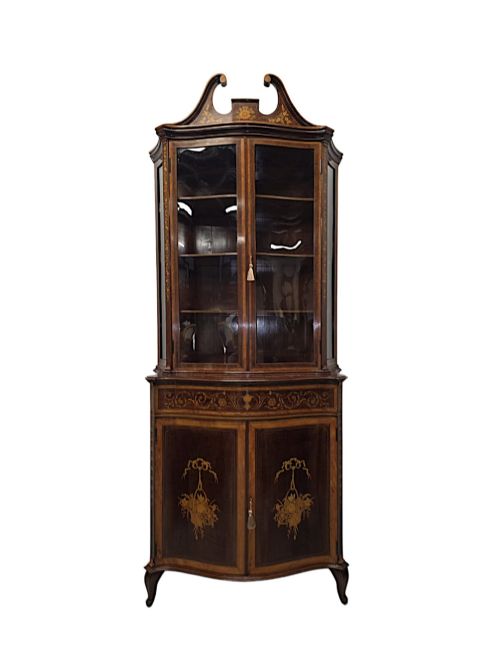
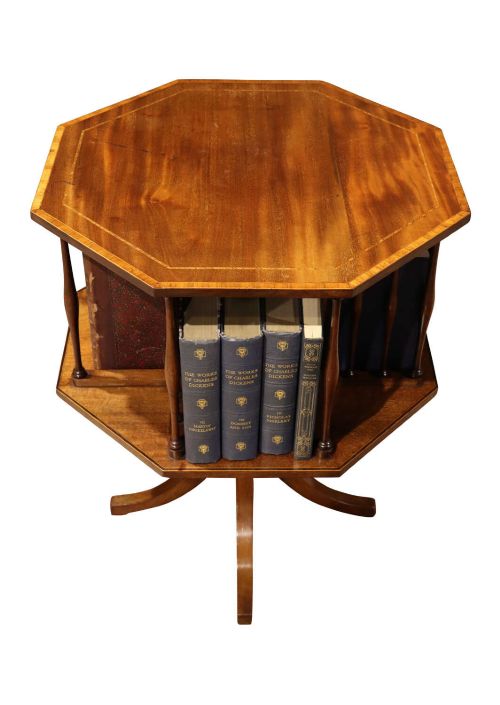
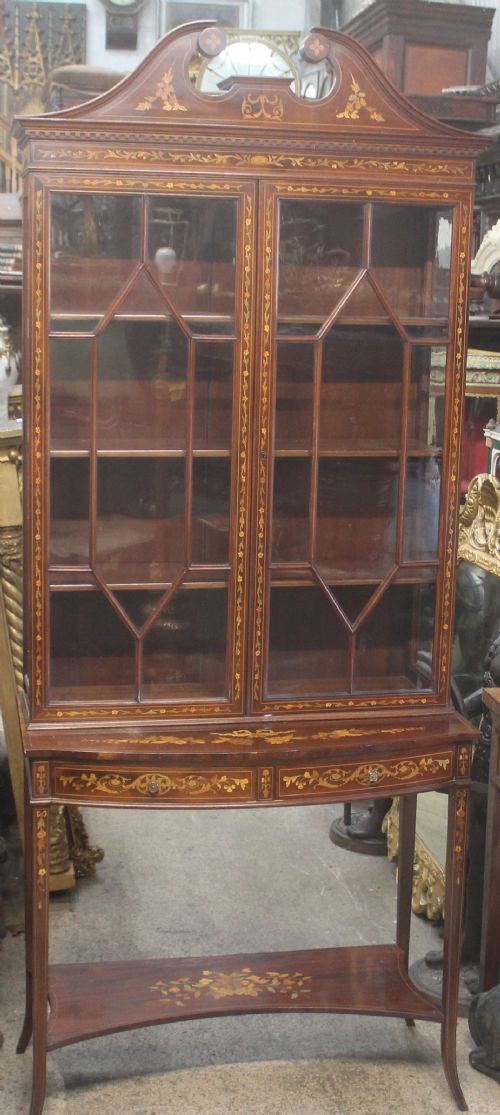
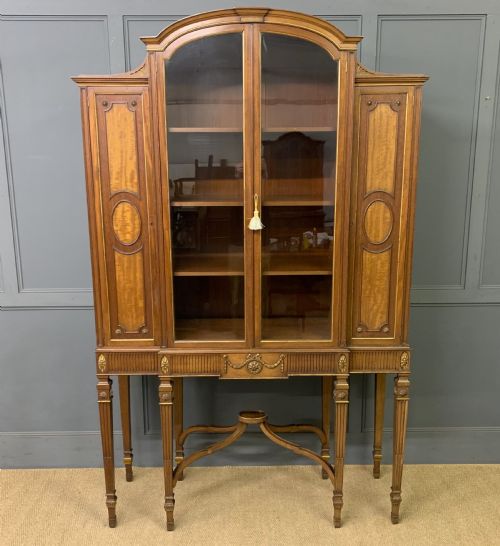
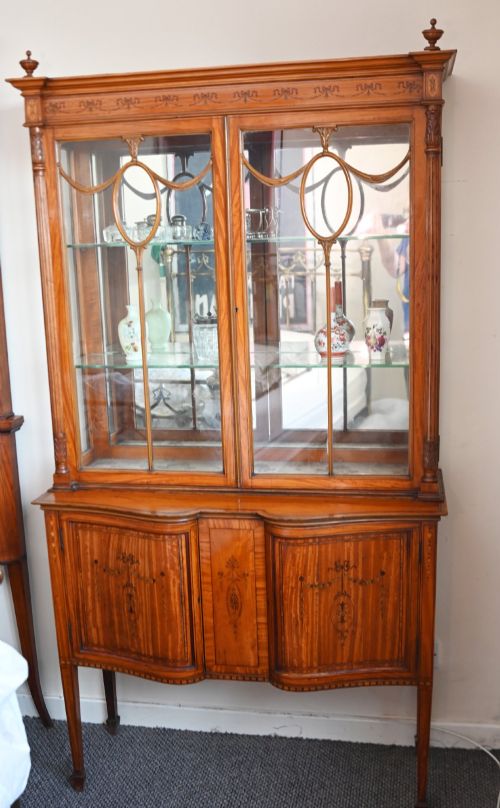
The form bridges the gap between display furniture and utilitarian storage, incorporating glazed doors, open shelving, or revolving book stands placed upon elevated legs or sturdy stands. Many examples incorporate related forms such as display cabinets, vitrines, and corner units finished in pale exotic timbers.
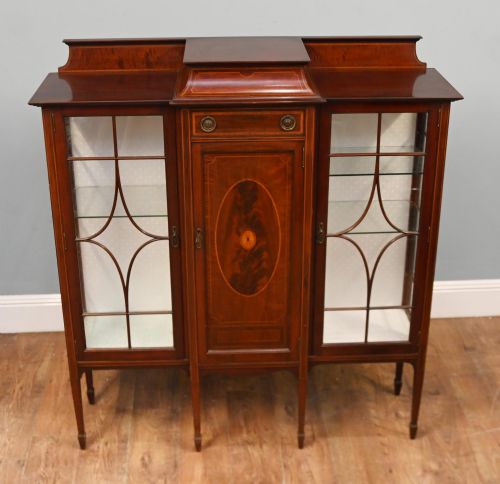
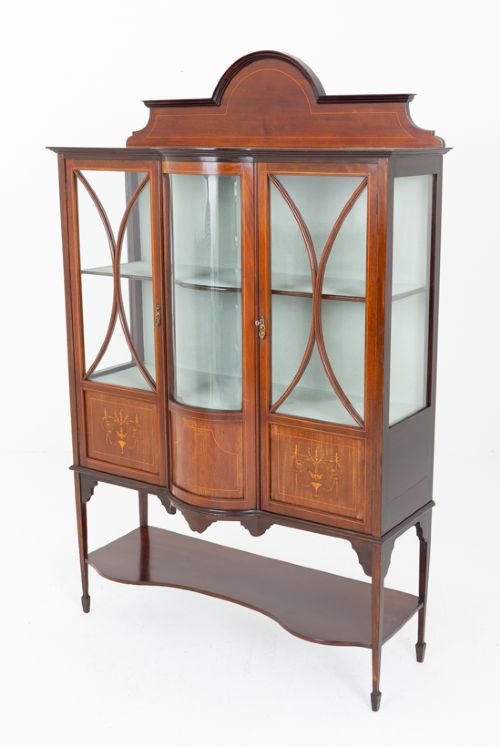
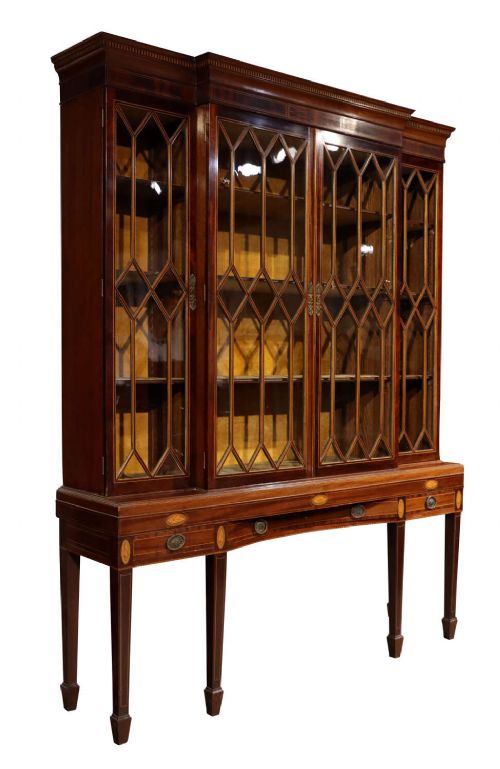
The selection ranges from compact revolving book tables to substantial breakfront configurations, reflecting the varied domestic requirements of the late Victorian and Edwardian eras. Craftsmanship from this span draws heavily on neoclassical design principles, favouring balanced proportions and delicate architectural details.
Materials and construction methods
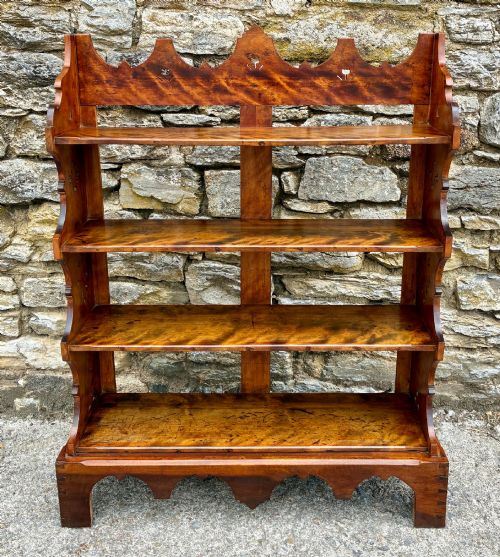
Cabinet makers utilised dense primary timbers like mahogany and satinwood, frequently applying contrasting boxwood and ebony stringing to define panels and cornices. Flame mahogany and figured satinwood veneers provide striking grain patterns across flat surfaces and curved doors.
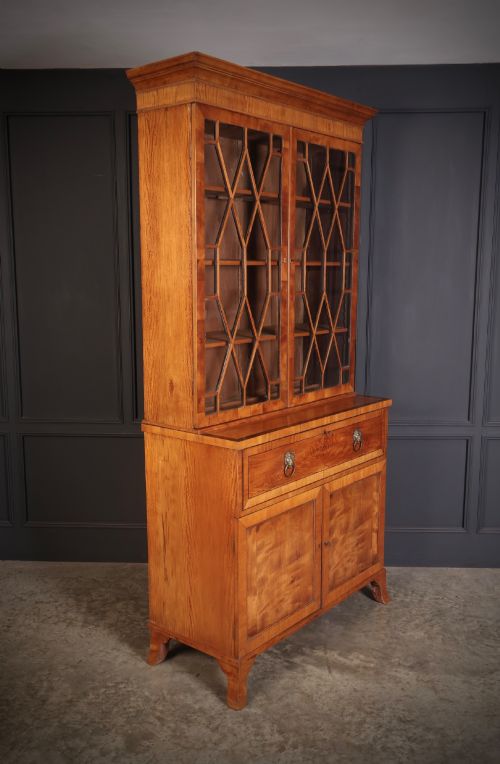
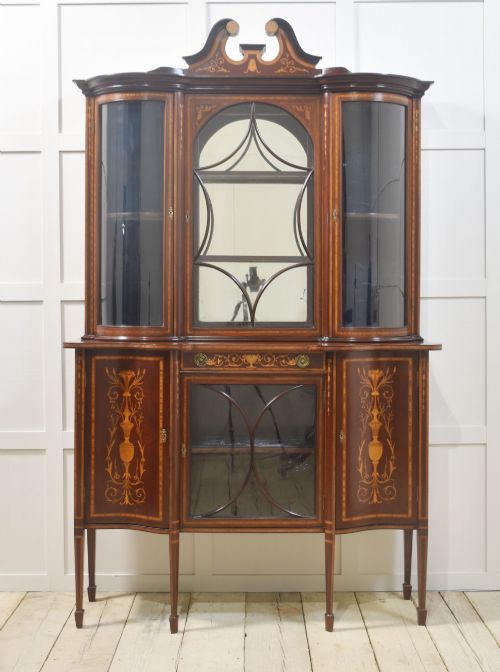
Inlay and painted decoration form a core part of the construction, employing marquetry motifs and delicate floral garlands executed directly onto the wood. Glazing bars divide glass panels into geometric arrangements, while brass hardware secures doors and supports adjustable internal shelving.
Satinwood Bookcase on Stand Retail Price Guide 2026
Typical asking prices for satinwood bookcase on stand among the pieces listed under this phrase on Sellingantiques today, from the lower quarter to the upper quarter. They describe what is for sale here now, not the wider market.
Current listings demonstrate a strong representation of Edwardian and Sheraton Revival pieces alongside nineteenth-century examples utilising satinwood, mahogany, and glass.
Distinctions in construction and design
Quality rests in the selection of the timber veneers and the precision of the contrasting inlay work, where tight joints and symmetrical grain matching separate standard production from superior pieces. Hand-painted decorative panels and finely cast brass mounts indicate workshops operating at a higher standard.
Structural integrity reveals itself in the transition between the upper cabinet and the supporting stand, requiring robust joinery to support the weight of heavy volumes and glazed doors. The crispness of carved mouldings and the smoothness of drawer operations further define the grade of the piece.
Waring and Gillow·Gillows·Edwards and Roberts
The Satinwood Bookcase on Stand Glossary
- Satinwood
- A dense, lustrous tropical timber with a pale golden sheen used extensively for fine cabinet veneers and stringing.
- Sheraton Revival
- A late nineteenth and early twentieth century design movement that reinterpreted the lighter neoclassical furniture styles of the eighteenth century.
- Marquetry
- The art of applying decorative veneer pieces to a structure to form intricate pictorial or geometric patterns.
- Breakfront
- A piece of furniture featuring a central section that projects forward from the flanking wings.
- Vitrine
- A glass-fronted display cabinet designed specifically for the presentation of porcelain, books, or small objects.
Satinwood Bookcase on Stand: Frequently Asked Questions
How do I care for satinwood furniture?
Keep wooden pieces away from direct sunlight and steady heat sources to prevent the natural veneers from drying and cracking over time. Apply a microcrystalline wax periodically to nourish the surface and maintain the characteristic sheen of the timber.
Avoid using harsh chemical polishes or excessive moisture during routine cleaning. A soft, dry cloth is sufficient to remove dust from delicate painted decorations and intricate inlay work.
What periods do these bookcases represent?
The selection spans from Georgian origins through nineteenth-century Victorian production into Edwardian revivals up to nineteen thirty. Most pieces originate from the late Victorian and Edwardian eras when revivalist styles achieved widespread popularity.
Earlier eighteenth-century examples exhibit restrained classical proportions, while later Edwardian interpretations frequently utilise painted decoration and lighter wood combinations.
Where were these cabinets placed in a home?
These elevated pieces served primarily in drawing rooms, libraries, and private studies to house leather-bound volumes and display decorative objects at a convenient height. Their raised stands allowed light to circulate beneath, preventing large pieces from dominating smaller Victorian or Edwardian rooms.
Corner cabinets and revolving versions accommodated specific room layouts, offering accessible book storage in compact domestic spaces.
How can I distinguish Sheraton Revival from original Georgian work?
Sheraton Revival pieces, constructed predominantly around nineteen hundred, employ machine-sawn veneers and often feature characteristic Edwardian secondary timbers alongside standardised brass hardware. Original Georgian items rely on hand-cut joinery, older stock woods, and period-specific construction methods.
Stylistic execution also differs, with revival pieces tending towards brighter satinwood grounds and more uniform painted decorations than their eighteenth-century precedents.