


Sage Green Upholstered Chair
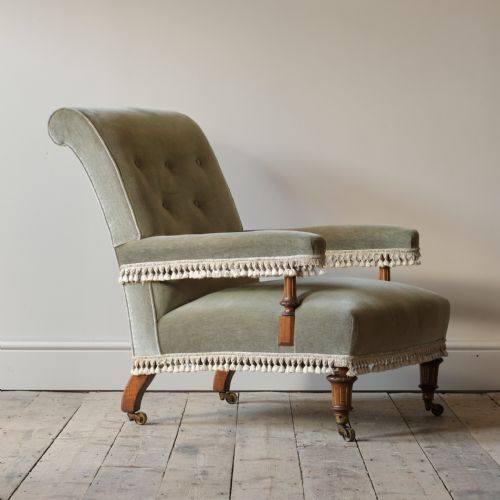
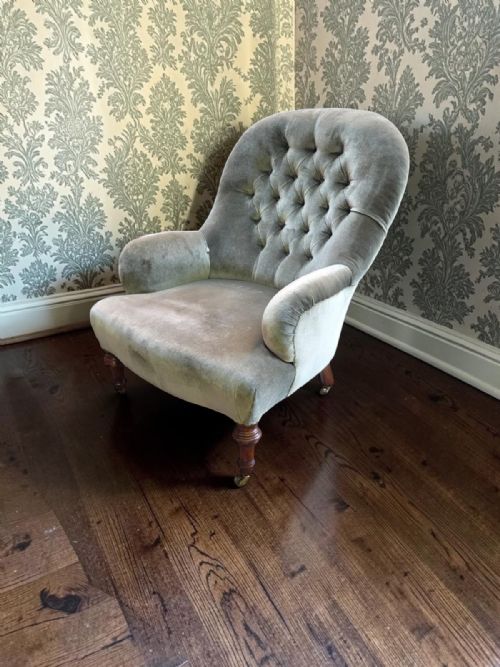
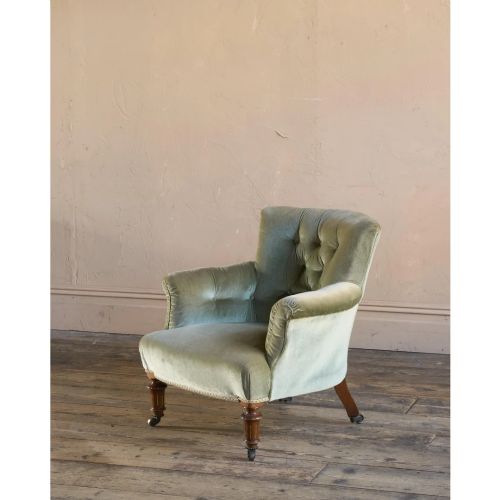
A sage green upholstered chair brings soft textile warmth and period character to a room, ranging from button-backed Victorian designs to Louis XVI forms.
Sage Green Upholstered Chair
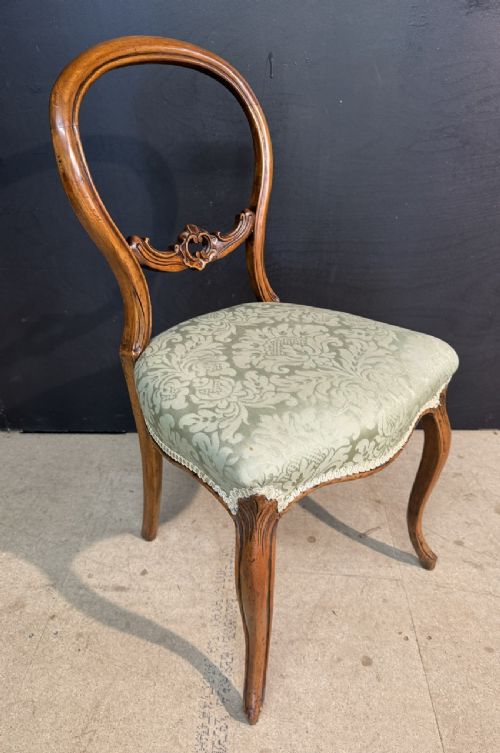
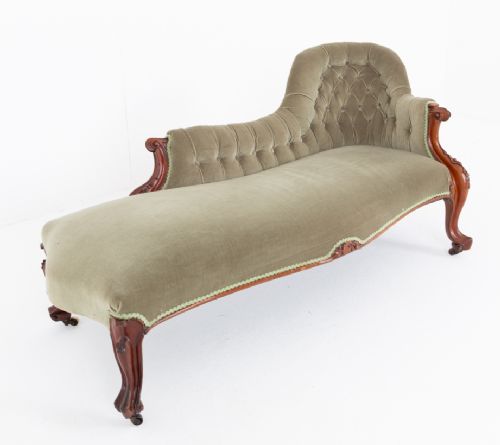
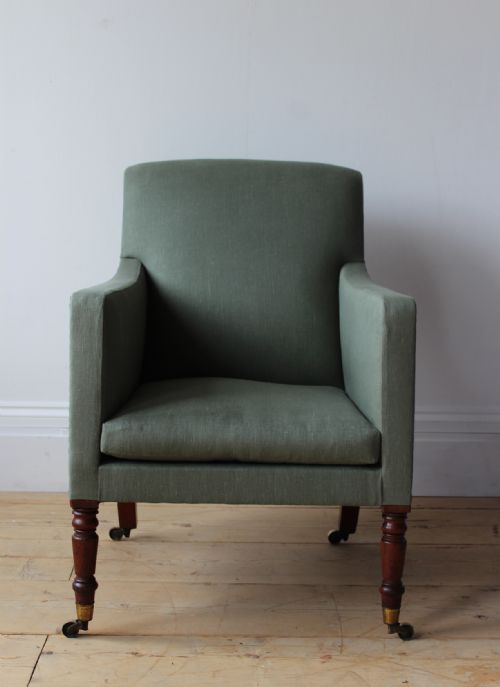
When you search for a sage green upholstered chair, you encounter a selection of seating forms spanning the nineteenth century, the Edwardian era, and later twentieth-century iterations. The inventory comprises diverse seating types, including open armchairs, nursing chairs, library chairs, chaise longues, and dining chairs.
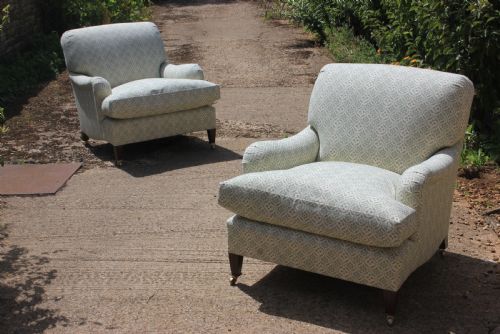
The nineteenth-century examples dominate the selection, featuring robust frames alongside button-backed upholstery and diminutive proportions. Alongside these sit Edwardian pieces and later interpretations, such as Howard style armchairs, offering varied silhouettes for domestic interiors.
Makers represented in the current listings include Gillows and Howard and sons, alongside pieces executed in the Louis XVI and William and Mary styles. Buyers frequently meet walnut, mahogany, rosewood, oak, and giltwood structures paired with velvet, tapestry, and textile fringe.
How they were made
The structural frames rely upon traditional hardwoods such as mahogany, walnut, oak, and rosewood, shaped into cabriole legs and open arms. Giltwood also appears on specific style-conscious pieces reflecting earlier decorative traditions.
Upholstery techniques involve fabric, velvet, and tapestry panels secured with textile fringe and traditional button-backing methods. Metal components like brass hardware occasionally accent the timber and textile assemblies.
Listings feature wood, mahogany, walnut, oak, rosewood, and giltwood paired with velvet, fabric, tapestry, and brass.
What varies in quality
Quality reveals itself in the articulation of the timber frame, from simple turned legs to finely carved cabriole supports and giltwood ornamentation. The pedigree of the maker, such as Gillows or Howard and sons, distinguishes workshop output from standard production.
The choice of covering materials, ranging from plain velvet to intricate petit needlepoint tapestry panels, establishes the decorative ambition of each piece. Proportions also shift the character, separating diminutive armchairs from expansive library seating and chaise longues.
Gillows·Howard and sons
The Sage Green Upholstered Chair Glossary
- Cabriole leg
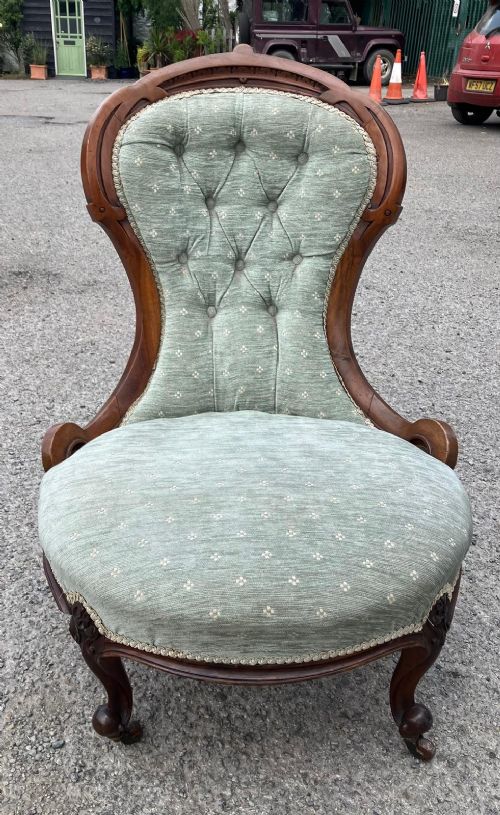
- A furniture leg featuring a double curve, bulging outward at the top and tapering inward toward the foot. This form derives from animal legs and appears frequently on eighteenth and nineteenth-century seating.
- Button back
- An upholstery style where depressions are formed in the padding by sewing buttons through to the frame in a diamond pattern. It provides structural tautness and decorative texture.
- Giltwood
- Timber that has been coated with a thin layer of gold leaf or gilt powder. This finish appears on revival styles to impart a bright, reflective surface.
- Nursing chair
- A low-seated Victorian chair designed without arms to allow comfortable sitting while tending to infants. They frequently feature upholstered button backs.
Sage Green Upholstered Chair: Frequently Asked Questions
What periods do these chairs come from?
The available pieces span the nineteenth century, including Victorian and Edwardian examples, alongside later twentieth-century interpretations.
Specific dates mentioned in the listings range from around eighteen-eighty to nineteen-ten, with select pieces referencing earlier eighteenth-century French styles.
Which wood types are used?
Makers utilised a variety of hardwoods for the frames, including mahogany, walnut, oak, and rosewood.
Giltwood also appears on decorative pieces designed in historical revival styles.
What seating forms are available?
The selection includes open armchairs, button-backed nursing chairs, library chairs, and chaise longues.
Buyers will also find matching sets of dining chairs and vanity chairs suited to various domestic rooms.
How do I identify a Howard style chair?
Howard style armchairs typically feature deep, comfortable proportions upholstered in traditional fabrics and velvet.
They reflect the classic nineteenth and twentieth-century English seating comfort associated with prominent London workshops.