





Rustic Wool Runner
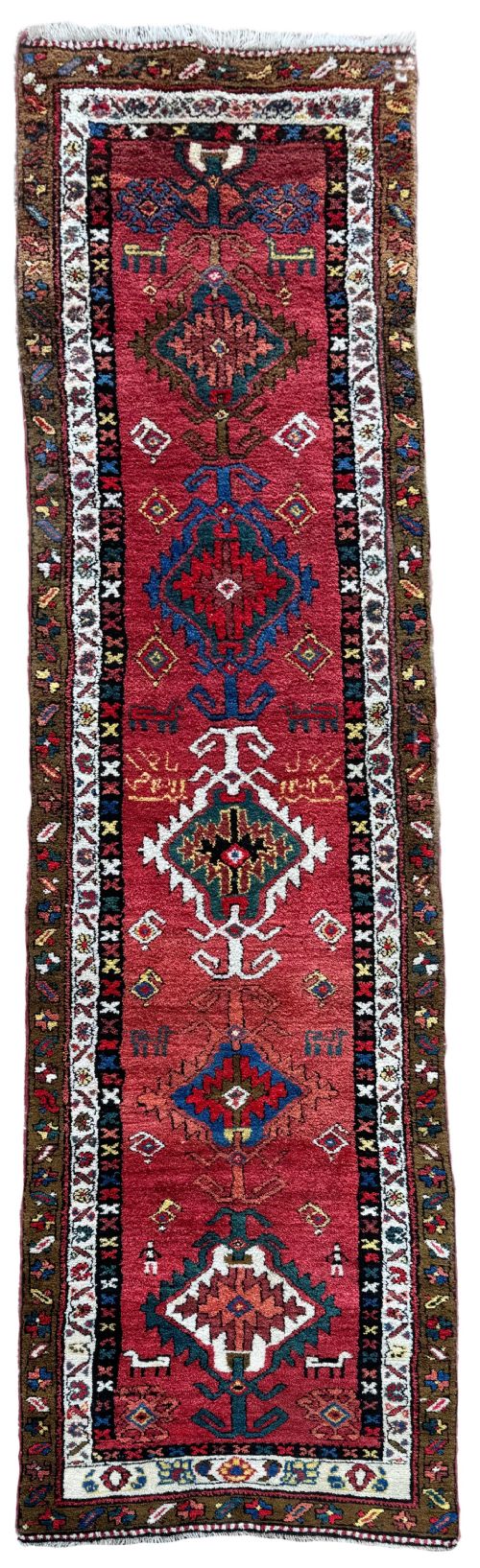
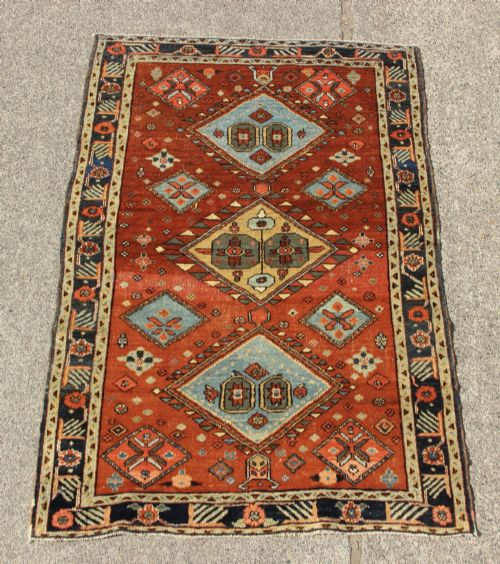
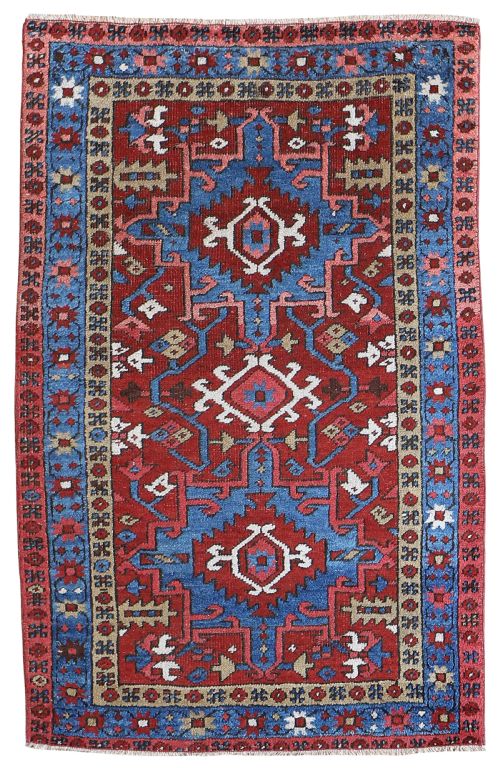
These rustic wool runner examples are traditional tribal and village carpets chosen for enduring warmth and character.
Rustic Wool Runner
A rustic wool runner is a long, narrow floor covering originating from village and tribal weaving traditions across Anatolia, Persia, and Afghanistan. When searching for a rustic wool runner, buyers encounter antique and vintage pieces from the late nineteenth and early twentieth centuries, including traditional runner rugs and kelim flatweaves.
The selections on this page span several decades of traditional weaving, featuring named regional types such as Heriz, Kurdish, Baluch, and Afghan village rugs. These elongated formats served practical purposes in hallways and long rooms, bringing tactile texture and regional patterns into domestic spaces.
How they were made
These textiles rely on wool and hand-spun wool fibres, often combined with cotton foundations to create durable floor coverings suited to daily use. Weavers utilised traditional hand-knotting and flatweaving techniques to produce dense piles and flat surfaces.
Tribal workshops and village households employed natural dyeing methods to colour the wool, resulting in earthy tones and saturated hues that age gracefully. The structural integrity stems from tight packing of the warp and weft threads by hand.
Rustic Wool Runner Retail Price Guide 2026
Typical asking prices for rustic wool runner among the pieces listed under this phrase on Sellingantiques today, from the lower quarter to the upper quarter. They describe what is for sale here now, not the wider market.
Village weavers often tucked small personal amulets or asymmetrical wool tufts into the border to ward off the evil eye.
What varies in quality
Quality in these runners depends upon the tightness of the weave, the grade of the wool, and the clarity of the regional design. Finer knot density and well-spun wool yield greater resilience against foot traffic.
The nuance of the natural dyes and the balance of the tribal motifs distinguish ordinary village production from superior examples. Preservation of the original edges and ends also contributes significantly to the standing of an individual piece.
The Rustic Wool Runner Glossary
- Runner
- A long, narrow carpet format designed specifically for corridors, hallways, and stairs. This shape directs movement through a room.
- Kelim
- A flatwoven textile produced without a pile by tightly interweaving warp and weft strands. These pieces offer a smoother texture than knotted carpets.
- Warp
- The vertical stationary threads stretched across a loom that form the foundational skeleton of the rug. Fringe ends typically consist of extended warp threads.
- Weft
- The horizontal strands passed through the warp threads to bind the knots or flatweave structure in place. Proper beating of the weft ensures a firm textile.
- Tribal
- Pertaining to nomadic or semi-nomadic groups whose designs reflect ancestral patterns rather than urban workshop standards. These pieces carry distinct regional symbolism.
Rustic Wool Runner: Frequently Asked Questions
How do I clean a rustic wool runner?
Regular gentle vacuuming without a beater bar removes surface dust before it settles into the wool pile. Professional specialist cleaning remains essential for deep washing to protect natural dyes.
Water should be applied sparingly to avoid weakening the cotton or wool foundation. Immediate blotting handles accidental spills without rubbing the fibres.
Where should I place a runner?
These elongated formats suit hallways, corridors, and narrow passageways where they soften wooden floorboards. They also function well alongside beds or in galley kitchens.
A quality underlay prevents slipping and cushions the wool against hard subfloors. This simple addition extends the working life of vintage textiles significantly.
How do I date a wool runner?
Stylistic markers, structural materials, and dye types help determine the approximate period of a woven textile. Late nineteenth and early twentieth-century examples often display distinct regional palettes before synthetic dyes became widespread.
Examining the selvages and back knots reveals hand-spun inconsistencies typical of older village production. Comparing structural traits against known regional archives refines the age estimate.
Are these rugs durable?
Wool possesses natural lanolin that resists stains and provides inherent resilience against daily foot traffic. Traditional village construction methods prioritised hard-wearing utility for domestic living spaces.
Proper placement and gentle maintenance ensure these textiles endure for decades. Their sturdy construction handles normal household use reliably.