


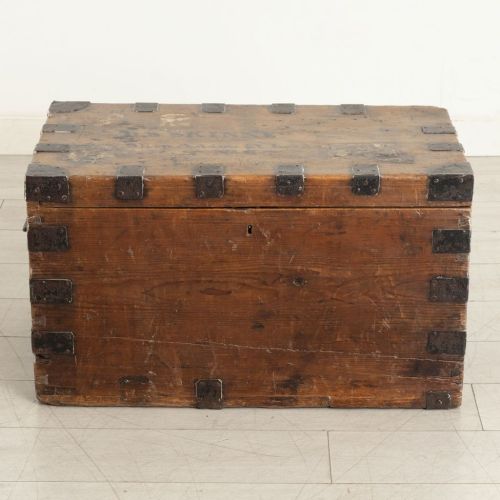
Rustic Wooden Trunk
A rustic wooden trunk brings utilitarian storage into living spaces through honest joinery and centuries of domestic history.
Rustic Wooden Trunk
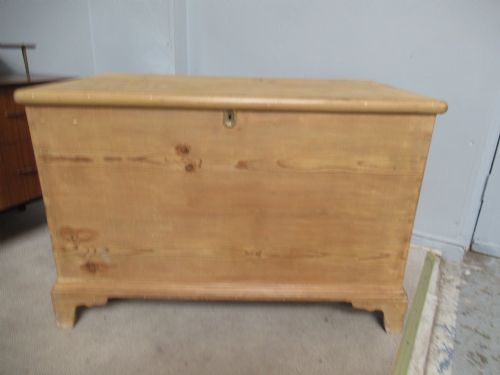
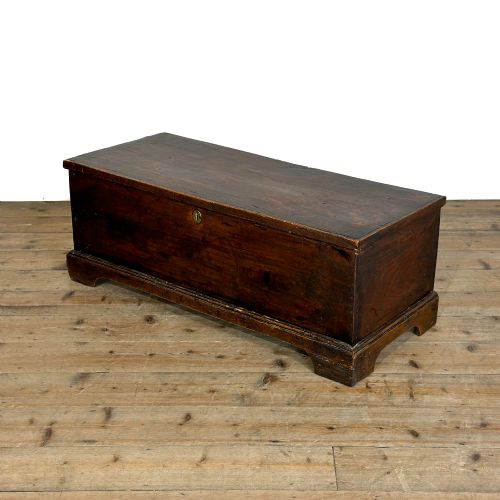
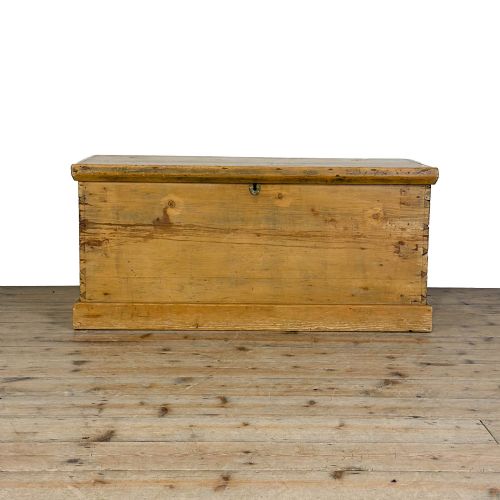
A rustic wooden trunk serves as a robust container for household goods, taking the form of blanket boxes, coffers, and storage chests. When searching for a rustic wooden trunk, buyers most frequently encounter pieces fashioned from pine, oak, and elm spanning the seventeenth through to the nineteenth centuries.
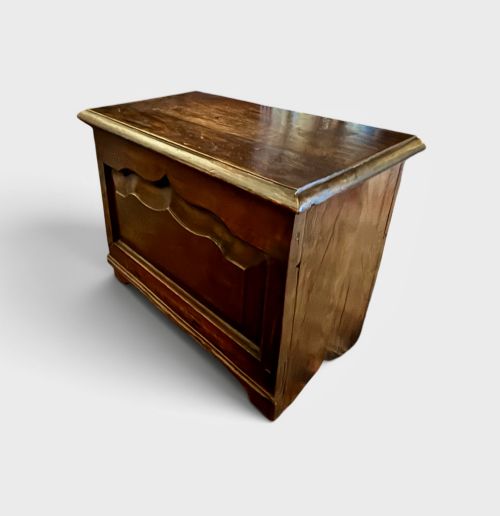
The objects listed range from provincial English blanket boxes to seventeenth-century Welsh and French coffers, alongside travel trunks and painted storage pieces. Regional examples display distinct construction habits, connecting modern interiors directly to rural utilitarian traditions.
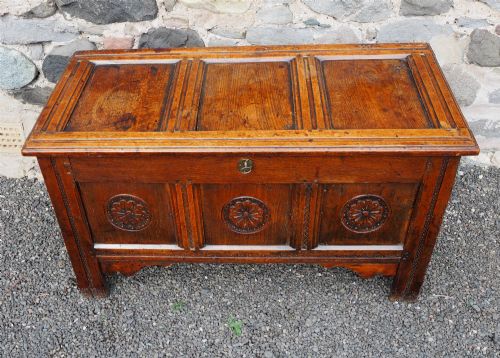
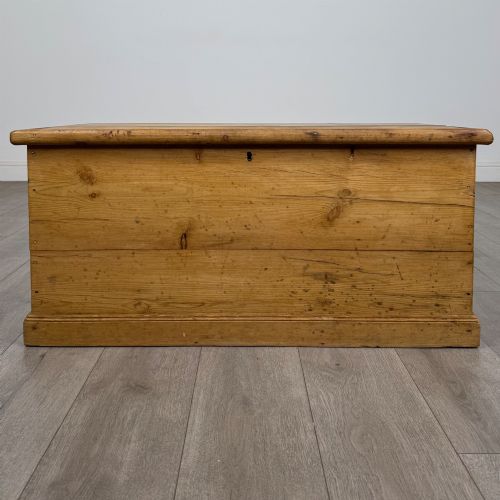
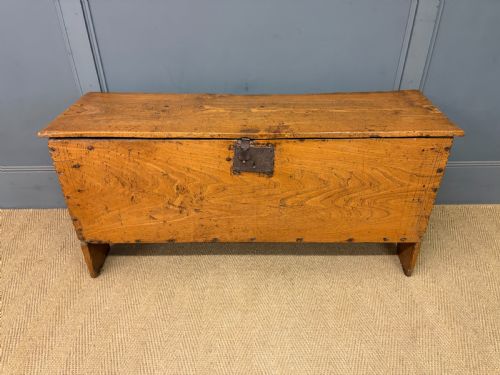
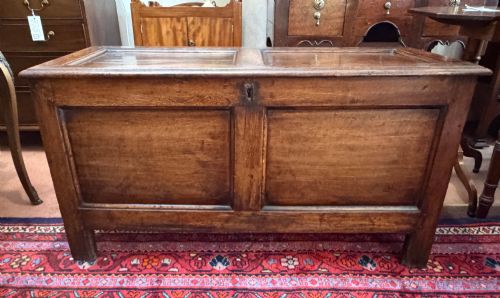
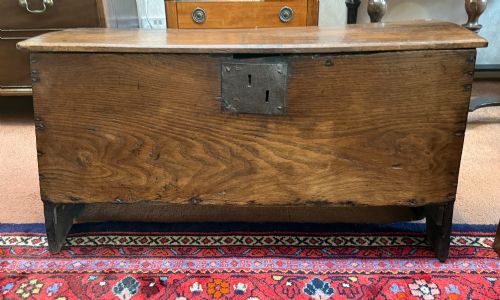
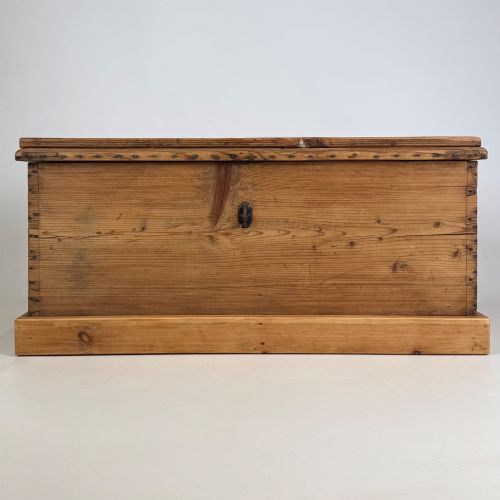
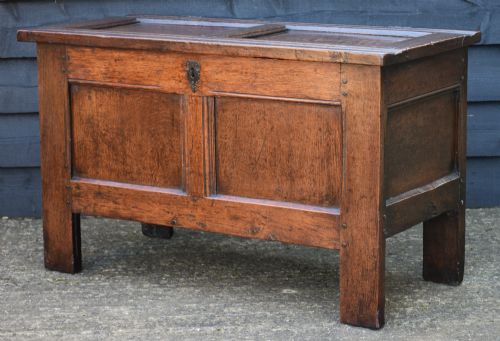
Forms vary from six-plank construction to panelled oak bodies and iron-bound dowry chests. Each variation reflects the original domestic purpose, whether storing textiles, tools, or valuables in a farmhouse setting.
Materials and methods
Makers utilised locally available timbers such as solid oak, elm, and pine, working boards with hand tools to build sturdy carcasses. Joints relied on pegged mortise and tenon construction or simple edge-joining in six-plank formats.
Iron and brass hardware played a structural role, providing hand-forged strapwork, hinges, and corner brackets to reinforce heavy lids and sides. Paint and natural patination developed over decades of use, sealing the timber surfaces without obscuring the grain.
Rustic Wooden Trunk Retail Price Guide 2026
Typical asking prices for rustic wooden trunk among the pieces listed under this phrase on Sellingantiques today, from the lower quarter to the upper quarter. They describe what is for sale here now, not the wider market.
Listings feature oak, pine, elm, and teak trunks spanning the seventeenth to the twentieth centuries, alongside iron and brass hardware.
Assessing quality
Quality rests upon the integrity of the timber selection and the retention of original structural elements. Superior pieces demonstrate thoughtful proportion, undisturbed surface patination, and robust hand-forged ironwork that has survived centuries of domestic service.
The sophistication of the joinery distinguishes standard utility items from finer provincial work, such as carved panels or fitted internal drawers. Conservation history matters; examples retaining their initial surface treatments and unreplaced hardware hold greater integrity.
The Rustic Wooden Trunk Glossary
- Cofer
- A heavy wooden chest traditionally used for storing valuables or textiles. Early examples frequently feature panelled construction and pegged joints.
- Six-plank chest
- A primitive storage box constructed from six individual boards joined at the edges. This method represents one of the earliest forms of case furniture.
- Strapwork
- Ornamental or reinforcing metal bands fixed across the exterior of a trunk. Hand-forged iron straps provide structural strength to heavy storage chests.
- Patination
- The surface alteration of timber, paint, and metal caused by age, wear, and light exposure. Good patination reflects decades of organic handling and care.
- Dowry chest
- A large storage box commissioned to hold household linens and goods for marriage. These pieces often display robust timbers like teak or oak bound in iron.
Rustic Wooden Trunk: Frequently Asked Questions
How are these trunks dated?
Dating relies upon construction methods, tool marks left on the timber, and stylistic details of the panels or hardware. Seventeenth-century pieces typically show hand-riven oak with pegged mortise and tenon joints.
Later Victorian examples often utilise machine-sawn pine and simpler butt joints or dovetails. Comparing hardware styles and regional timber choices provides further chronological context.
What were these chests used for?
These vessels held household textiles, blankets, clothing, and valuable personal belongings in domestic and rural settings. Travel trunks transported personal effects on coaches or ships.
Many functioned as permanent storage fixtures in bedrooms, farmhouses, and workshops. Their sturdy flat lids also allowed them to double as seating or tables.
How do I care for antique pine?
Keep wooden trunks away from direct heat sources and dramatic humidity fluctuations to prevent timber splitting. Regular dusting with a dry cloth maintains the surface.
Avoid modern chemical polishes that can degrade historical wax finishes and original paint layers. Natural beeswax applied sparingly helps nourish dry historical timbers.
What is a six-plank chest?
A six-plank chest is a basic box formed from six individual boards for the front, back, sides, bottom, and lid. This straightforward construction method dates back to medieval times.
Despite the simple design, makers often decorated the surfaces with carved mouldings or polychrome paint. They remain valued for their direct approach to utilitarian furniture.