


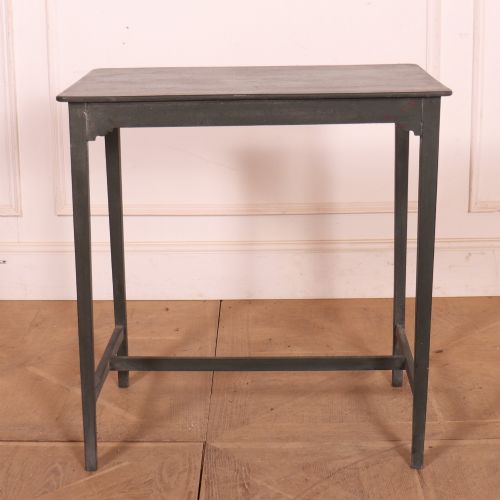

Rustic Wooden Table Lamp
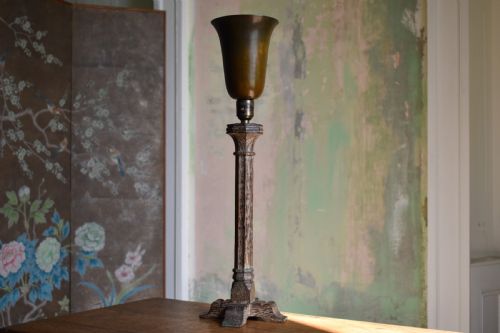
A rustic wooden table lamp brings tactile warmth and period character to a room through solid timber grain and time-worn surfaces.
Rustic Wooden Table Lamp
When you search for a rustic wooden table lamp, you are examining a selection that frequently bridges converted utilitarian forms and purpose-built lighting. The items here span centuries from the eighteenth through to the early twentieth century, taking in stylistic influences such as English Country, French Provincial, and Black Forest design.
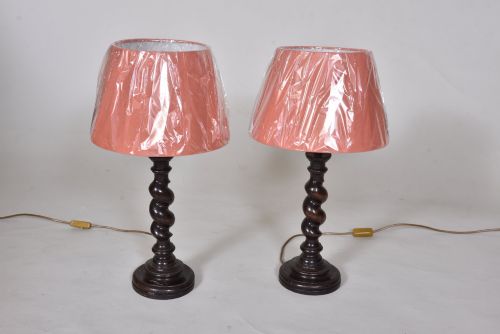
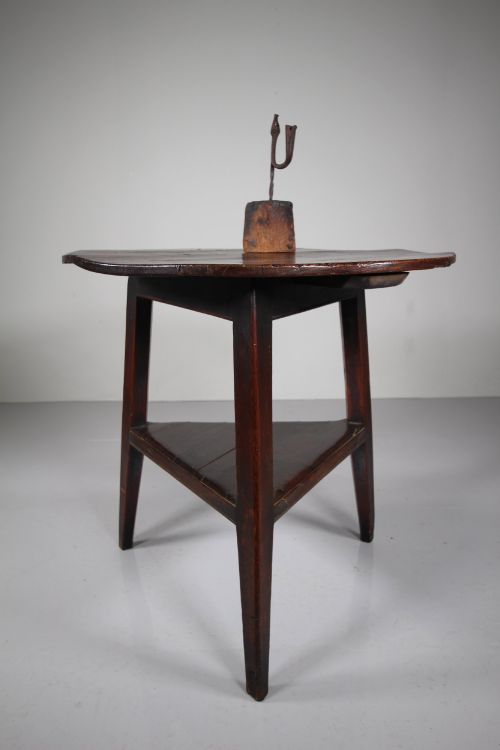
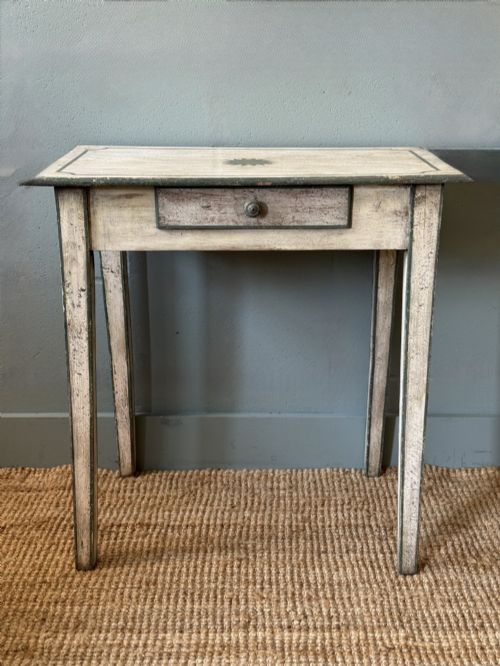
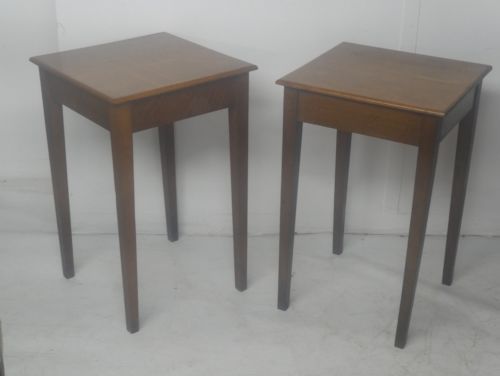
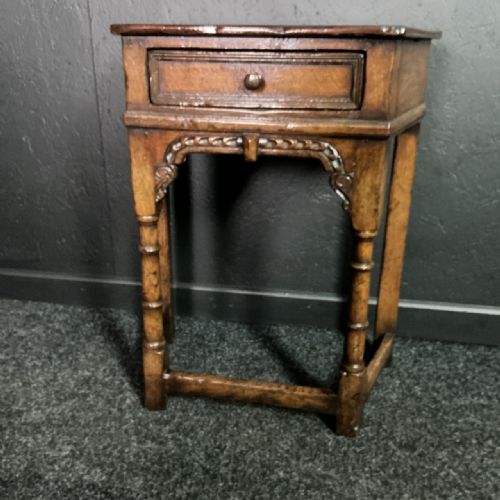
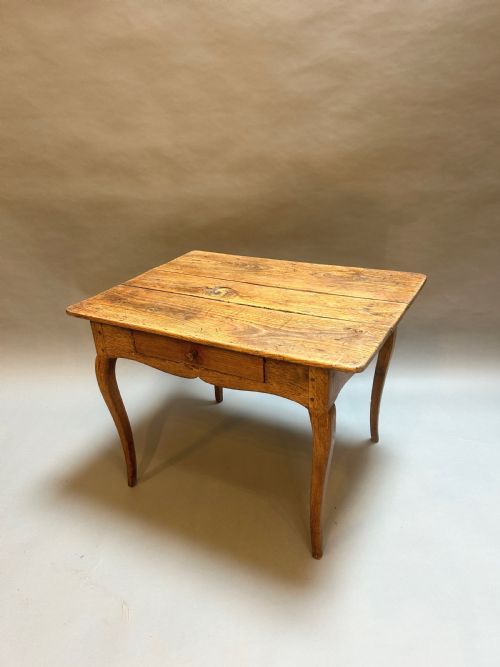
You will encounter dedicated lamp bases alongside occasional tables, cricket tables, and side tables that lend themselves to domestic illumination. Oak, pine, fruitwood, and linden predominate, often showing the marks of earlier utility through painted finishes or unadorned timber surfaces.
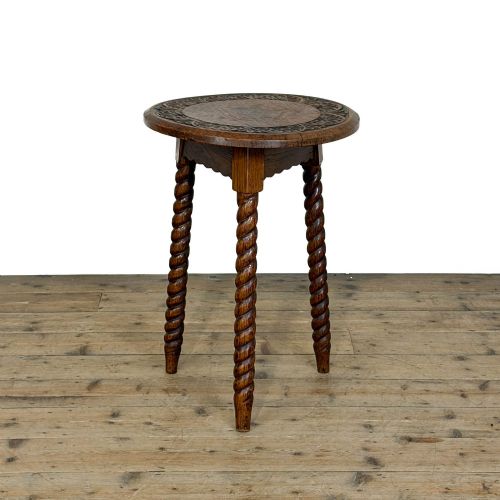
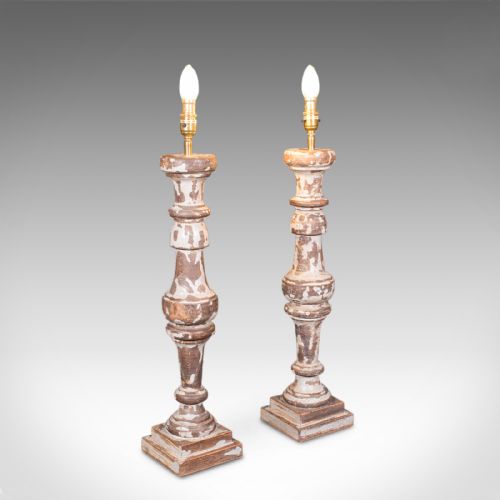
The nineteenth century and the eighteenth century provide the bulk of the timber forms, while later adaptations from around nineteen hundred introduce turned legs, bobbin details, and carved animal motifs.
How they were made
Makers utilised solid native hardwoods such as oak, elm, cherry, and walnut, frequently selecting timber with visible knots, growth rings, and natural grain irregularities. Construction relies on traditional joinery methods suited to domestic furniture, with turned legs and tripod bases providing sturdy support.
Many surfaces carry historical layers of paint or limed treatments applied over pine, oak, or fruitwood, while specialist carving appears in regional styles like Black Forest linden work. Brass fittings and fabric elements complement the wooden bodies on pieces wired for electric light.
Materials span brass, fabric, and painted wood across side tables, nest of tables, and cricket tables.
What varies in quality
The standard of timber selection and the integrity of the original construction dictate the standing of each piece. Tables and lamp bases that retain their genuine early surface patination, whether aged bare wood or undisturbed historic paint, hold greater visual coherence.
Refined turning on legs, balanced proportions in tripod cricket tables, and the crispness of hand-carving distinguish finer regional examples from simpler utilitarian objects.
The Rustic Wooden Table Lamp Glossary
- Cricket table
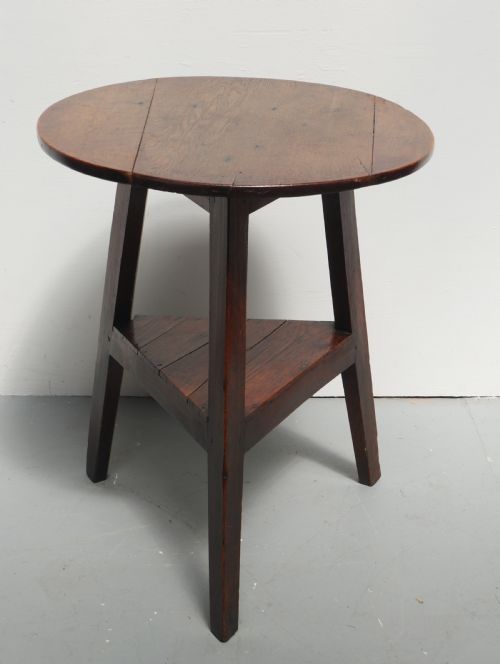
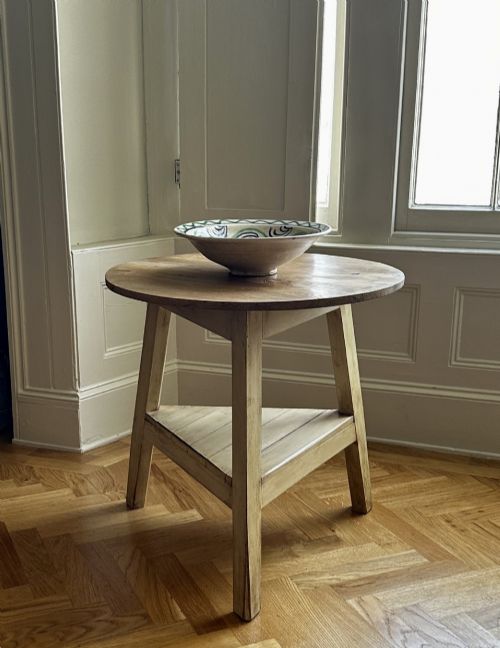
- A small three-legged circular table dating typically from the eighteenth or nineteenth century. These sturdy pieces originated as versatile domestic furniture before finding modern favour as lamp stands.
- Bobbin turned
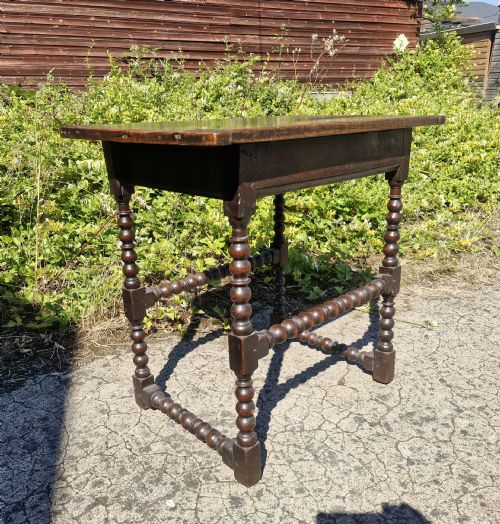
- A method of lathe-turning timber into a series of rounded spheres or discs resembling a textile bobbin. This decorative profile appears frequently on seventeenth and nineteenth-century legs and stretchers.
- Black Forest
- A nineteenth and early twentieth-century style originating in Germany and Switzerland, characterised by naturalistic animal carvings in linden wood. Bear motifs and woodland animals are typical of this tradition.
- Fruitwood
- A generic term for timber harvested from fruit-bearing trees such as pear, apple, or cherry. Cabinet makers valued these woods for their fine grain and warm tones.
- Limed oak
- Timber treated with a specialised finish that highlights the open grain with a white pigment. This technique creates a distinctive pale, textured surface popular in early twentieth-century design.
Rustic Wooden Table Lamp: Frequently Asked Questions
Are these lamps converted from old tables?
Some items begin life as small occasional tables, cricket tables, or side tables before being adapted for modern illumination, while others are built specifically as lamp bases from the outset.
This duality means buyers encounter both purpose-made antique bases and smaller furniture forms repurposed to hold electrical fittings.
How do I identify an eighteenth-century piece?
Early pieces display characteristic timber shrinkage, hand-cut joinery marks, and genuine patination accumulated through generations of domestic use.
Examining the underside and the interior construction reveals the hand-working methods typical of eighteenth-century rural workshops.
What maintenance do painted wooden bases need?
Historic painted surfaces require simple dusting with a dry, soft cloth and protection from direct sunlight and excessive moisture.
Avoiding harsh chemical cleaners preserves the integrity of the original pigment and the underlying timber grain.
Where do Black Forest lamps originate?
The Black Forest region of Germany and Switzerland produced carved linden wood items featuring naturalistic animals and woodland motifs.
These distinctive pieces date mainly from the late nineteenth and early twentieth centuries, bringing decorative sculptural quality to interiors.