

Rustic Wooden Storage Drawers
These rustic wooden storage drawers bring practical everyday storage and unpretentious character into a room through honest materials and utilitarian design.
Rustic Wooden Storage Drawers
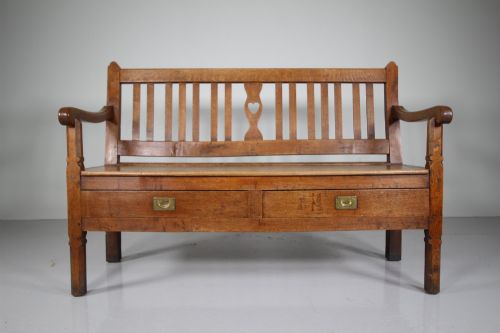
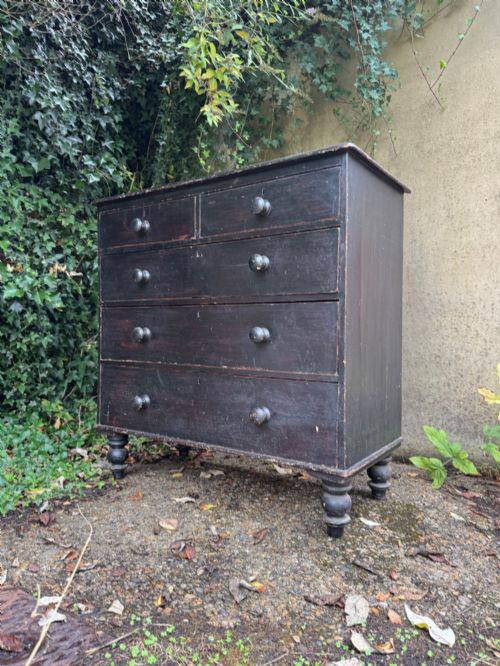
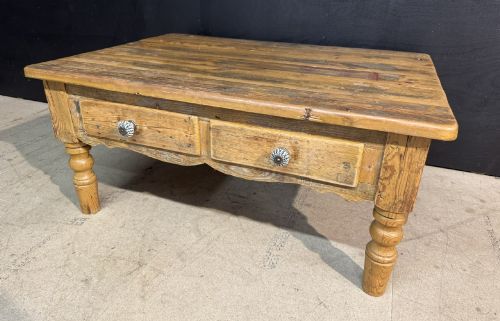
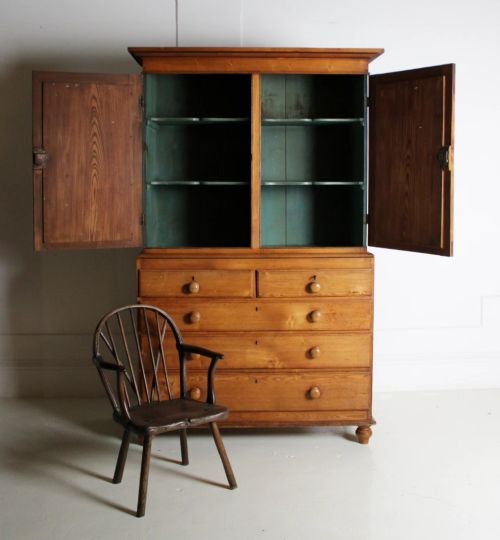
When buyers search for rustic wooden storage drawers, they encounter sturdy items built for utility across the eighteenth, nineteenth, and early twentieth centuries. These pieces encompass chests of drawers, linen presses, multi-drawer cabinets, and dressers originating from various regional traditions.
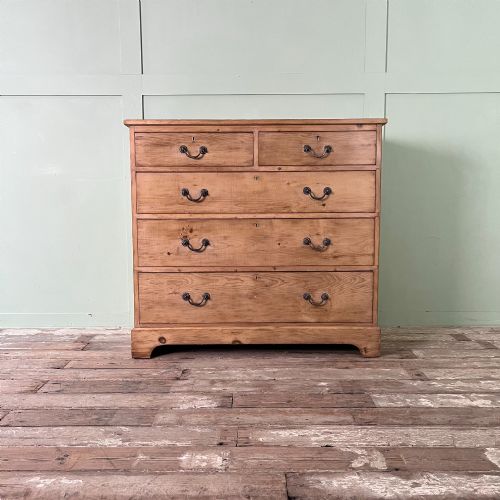
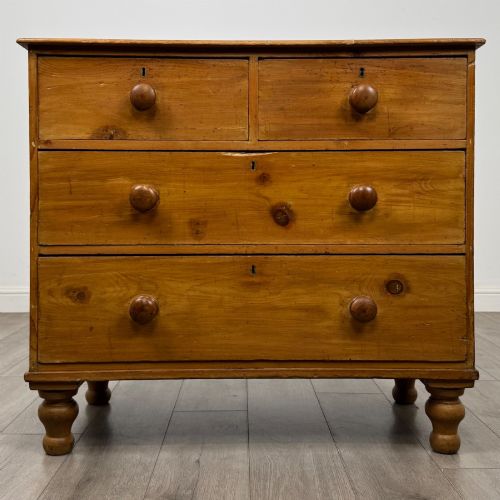
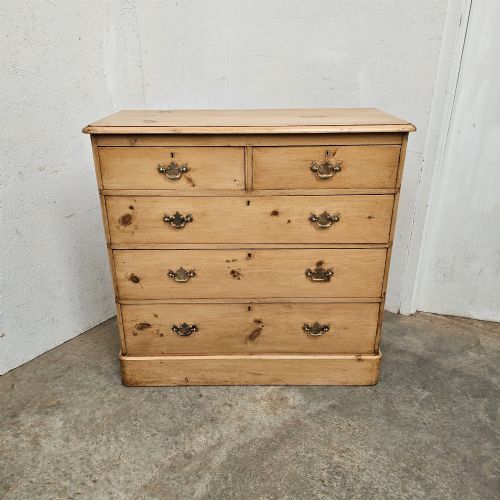
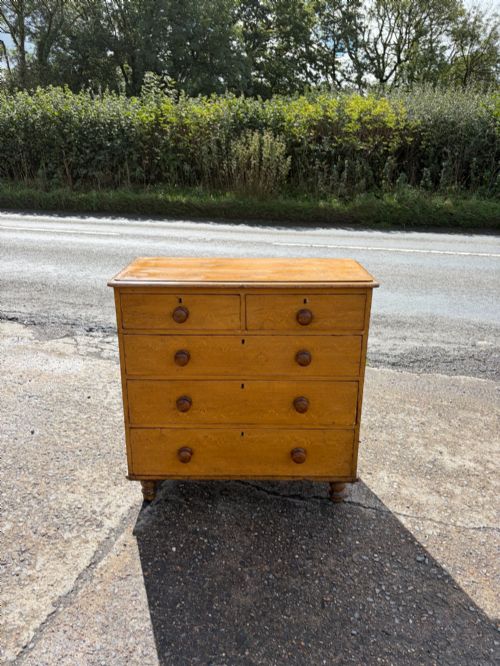
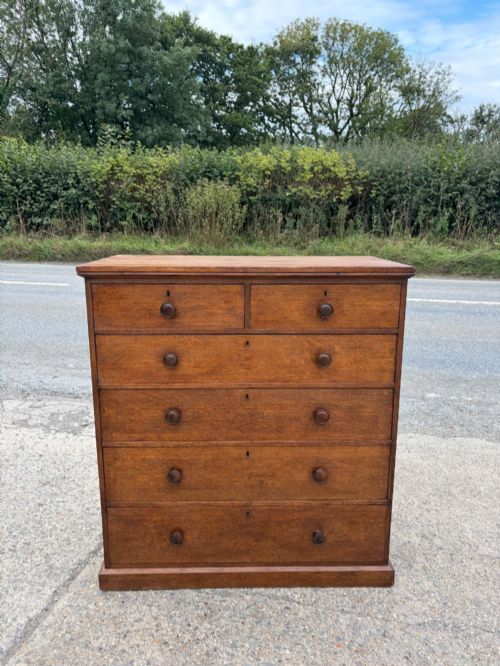
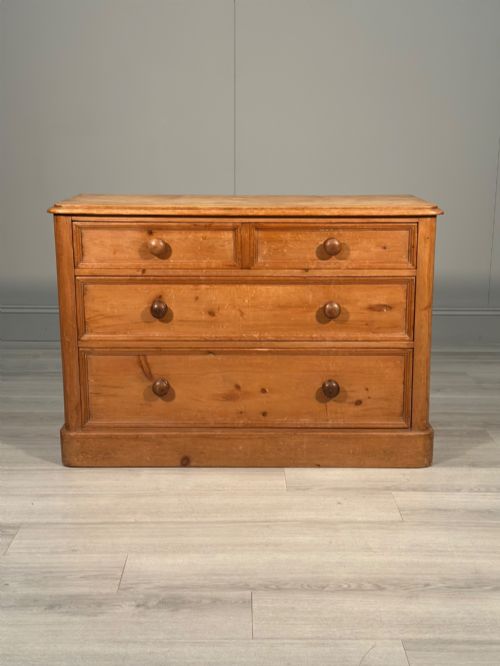
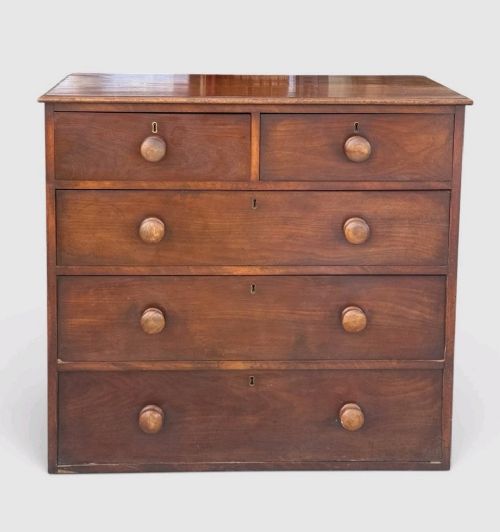
The version most commonly met on this page is the pine chest of drawers from the Victorian era. These domestic storage items range from simple three-drawer configurations to wider four-drawer and six-drawer formats made for bedrooms and utility spaces.
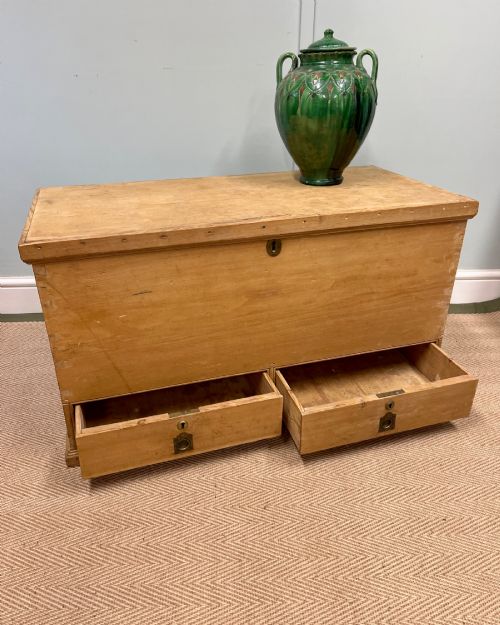
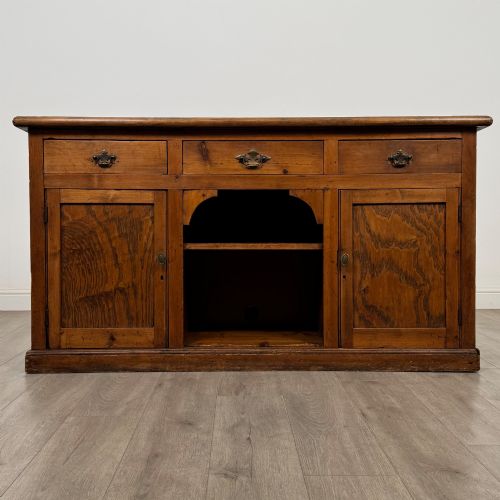
Beyond standard bedroom chests, the selection includes specialised forms such as banks of twenty-five drawers, fruitwood spice drawers, and oak storage cabinets. Each piece reflects the functional requirements of past households, prioritizing capacity and straightforward construction over ornamentation.
Materials and construction methods
The primary material across these pieces is solid pine, frequently supplemented by oak, ash, fruitwood, and pitch pine. Timbers were selected for local availability and durability, often finished with wax or left in their original paint.
Hardware components include iron and brass details, alongside turned wooden bun handles fitted to the drawer fronts. Construction relies on traditional joinery techniques suited to heavy daily use in domestic and workshop environments.
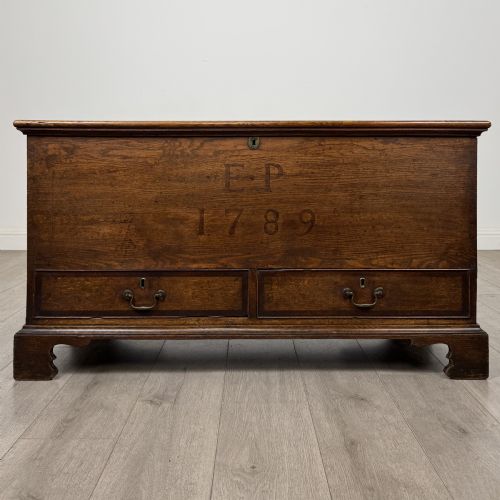
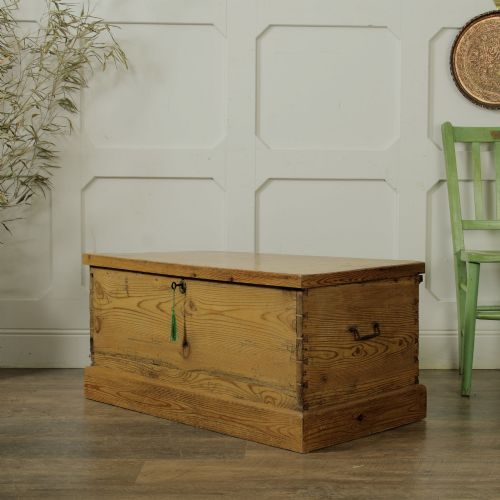
The listings here draw from multiple periods, running from eighteenth-century oak coffers to early twentieth-century oak and pine drawer units.
Distinctions in quality and finish
Quality in these storage pieces rests on the integrity of the timber and the preservation of original surface treatments such as early paint or traditional wax finishes. Examples retaining their initial hardware and uncompromised internal drawer construction stand apart.
Proportion and regional carpentry details also distinguish individual pieces, where thoughtful proportions and careful execution of drawer runners ensure smoother daily operation and lasting structural stability.
The Rustic Wooden Storage Drawers Glossary
- Pine
- A softwood commonly utilised for nineteenth-century domestic furniture because it was readily available and easy to work. It takes wax or paint finishes effectively.
- Dresser base
- The lower section of a kitchen or dining room storage unit, typically combining cupboards and multiple drawers beneath a solid wooden top.
- Mule chest
- A traditional storage chest featuring one or more drawers built into the base beneath a hinged lid compartment. This form bridges the evolution between simple coffers and modern chest of drawers designs.
- Pitch pine
- A dense, resinous variety of pine known for its prominent grain pattern and exceptional durability, frequently selected for heavy-use Victorian furniture.
- Bun handle
- A small, rounded wooden knob attached to a drawer front, common on nineteenth-century vernacular and country furniture.
Rustic Wooden Storage Drawers: Frequently Asked Questions
How do I date a pine chest?
Dating relies on examining construction details, timber characteristics, and hardware types used in the piece. Drawer construction methods and fastener styles often provide reliable clues to the decade of manufacture.
Victorian examples frequently display machine-sawn timber combined with hand-finished dovetails, while earlier eighteenth-century pieces show entirely hand-prepared boards and simpler framing techniques.
Are these drawers suitable for daily use?
These utility pieces were originally built for hard domestic service and remain fully capable of holding everyday items. Solid wood construction ensures enduring strength.
Routine maintenance involves keeping drawers clean and occasionally applying appropriate wax to maintain the timber and ensure smooth operation of the runners.
What is the difference between pitch pine and standard pine?
Pitch pine contains higher resin content, which gives the wood a heavier weight, greater durability, and a distinctively strong, figured grain pattern. Standard pine is lighter in colour and density.
Furniture makers chose pitch pine when they required extra structural resilience for items subject to heavy handling, such as large chests and industrial storage cabinets.
How should I care for a waxed finish?
Maintaining a waxed wooden surface requires periodic applications of natural beeswax to nourish the timber and protect against moisture. Avoid placing such items in direct sunlight or near heat sources.
Gentle dusting with a soft, dry cloth preserves the patina built up over generations without stripping the historic surface.