


Rustic Wooden Plant Stand
A rustic wooden plant stand brings raw natural character indoors, elevating greenery on sturdy timbers shaped by country makers over past centuries.
Rustic Wooden Plant Stand
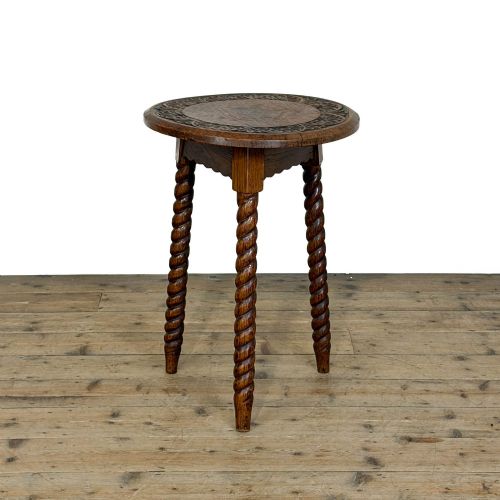
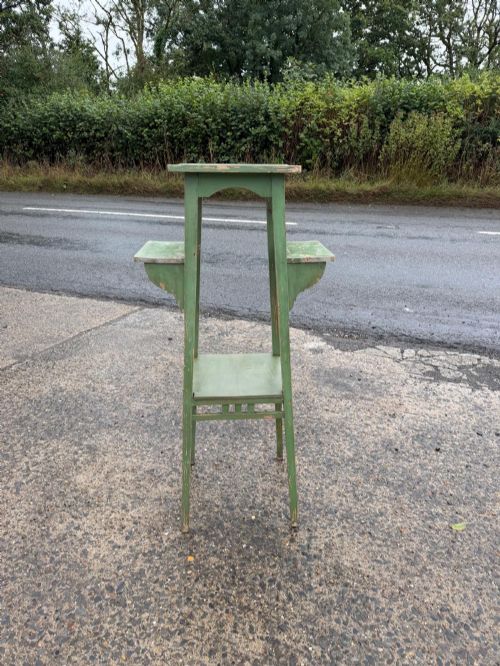
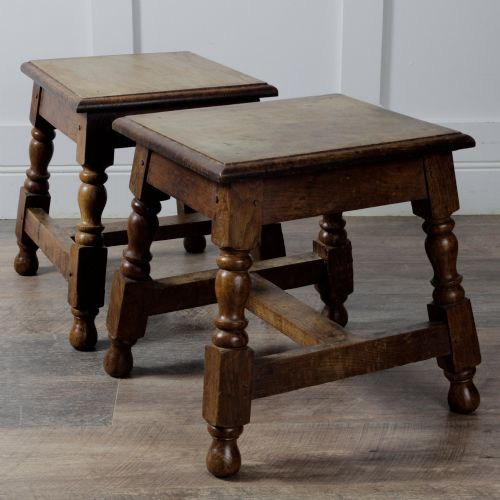
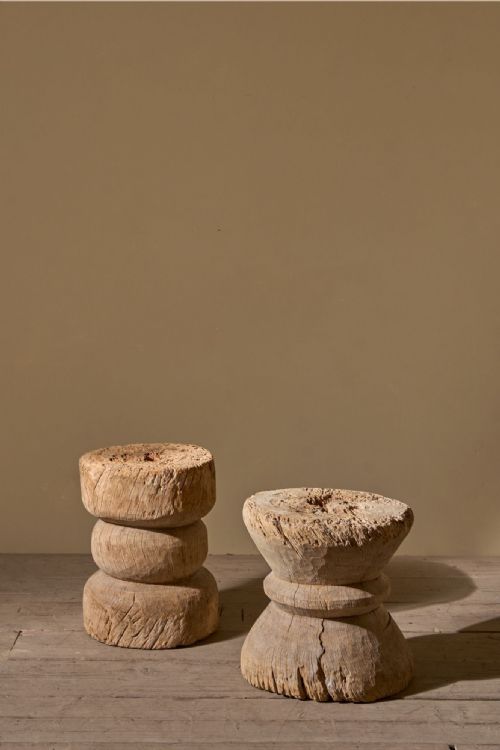
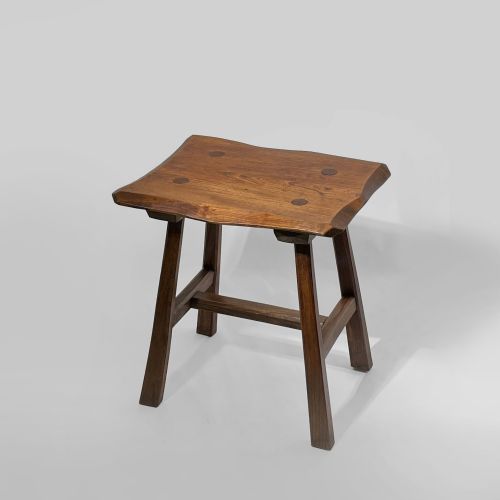
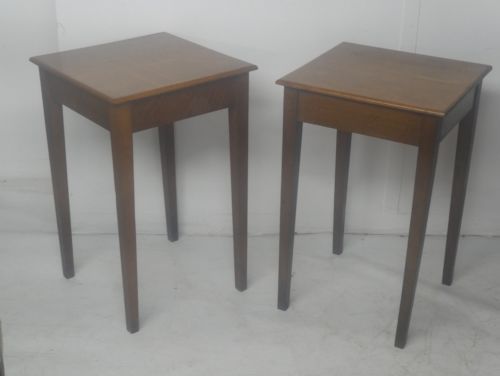
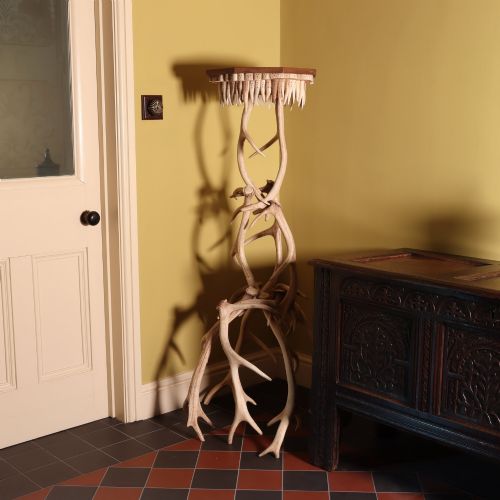
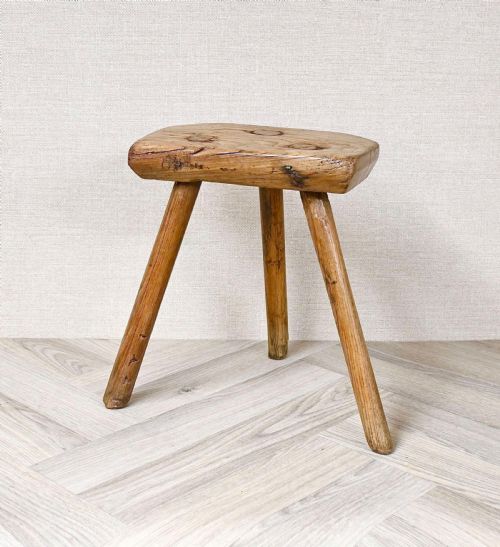
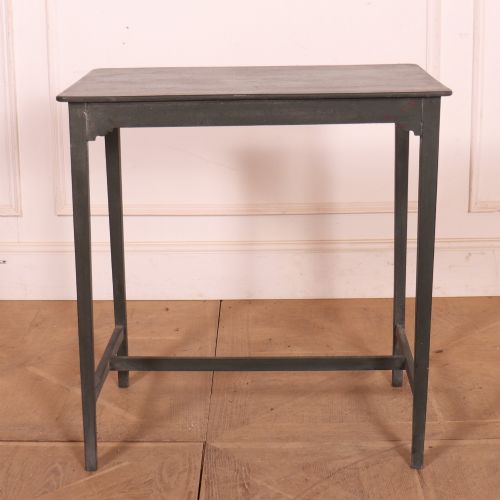
A rustic wooden plant stand serves as a functional riser for foliage, taking the form of occasional tables, stools, pedestals, and jardiniere stands. These pieces emerge from periods ranging from the eighteenth century through the Edwardian era and the nineteen-twenties.
Makers shaped these utilitarian objects from native timbers rather than formal cabinet woods, resulting in versatile items that doubled as lamps tables or stools. The selection leans heavily toward vernacular English and Scottish craftsmanship.
Surviving examples display honest construction designed for daily use in country homes, gardens, and workshops. Their modest scale allows them to fit easily into modern interiors while retaining distinct historical presence.
Materials and construction methods
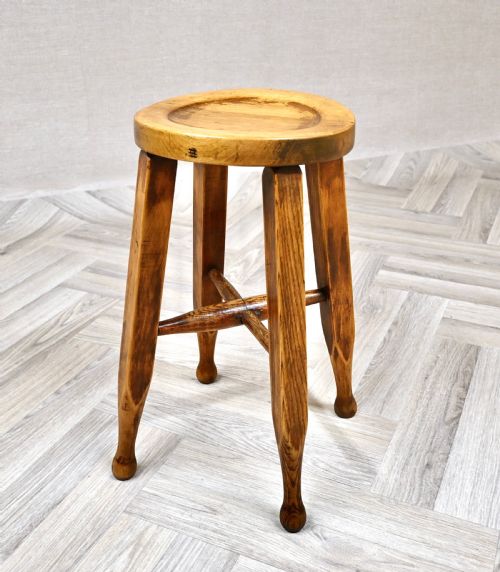
Makers relied on solid native timbers including oak, elm, pine, and ash, often left with live edges or visible grain. Joinery methods such as jointed legs, bobbin turning, and coopered construction provided simple strength without elaborate ornamentation.
Surfaces frequently show their working history through original paint, green paint, or darkened patination acquired over generations of use. Carved details and pokerwork sometimes decorate the tops and supports of more individual vernacular pieces.
A nineteenth-century Scottish stool bears the defiant pokerwork inscription 'Touch me wha daur'.
Judging quality in country woodwork
Quality rests in the integrity of the timber and the honesty of the construction, where unaltered surfaces and original paint finishes command greater interest. Pieces that retain their structural firmness without excessive modern intervention show superior survival.
The distinction between standard utility items and finer examples lies in the character of the turning, the balance of the proportions, and the presence of regional details like Scottish oak or folk art carving.
The Rustic Wooden Plant Stand Glossary
- Vernacular
- Everyday objects made by local tradespeople rather than professional city cabinetmakers. These items follow regional traditions rather than formal design books.
- Coopered
- Built using wooden staves bound together with hoops, a technique borrowed from barrel-making. This method frequently appears in jardiniere stands and planters.
- Bobbin turned
- Timber shaped on a lathe into a series of rounded spheres resembling bobbins of thread. This decorative turning style appears on seventeenth-century revival legs.
- Live edge
- A tabletop or stool top that preserves the natural irregular contour of the tree trunk. It highlights the organic form of the original timber.
- Pokerwork
- A decorative technique using heated metal tools to burn designs into a wooden surface. Scottish pieces occasionally incorporate this method alongside inscriptions.
Rustic Wooden Plant Stand: Frequently Asked Questions
How were these stands used originally?
These pieces served practical roles in domestic interiors, dairies, gardens, and workshops. Stools and small tables doubled as seating, work surfaces, or stands for lighting and heavy plants.
Many examples were built for specific tasks like milking, cutting, or garden work before finding a place in parlours and conservatories. Their robust construction allowed them to endure heavy daily demands.
How do I care for antique pine and oak?
Protect antique timber stands by keeping them away from direct heat sources and sudden humidity changes. Maintain the surface using traditional beeswax rather than modern silicone polishes.
Allow the wood to breathe and clean gently with a dry or barely damp cloth. Preserving the original dry finish or historic paint layer maintains the character of the piece.
How can I date an old plant stand?
Dating relies on examining the tool marks, timber preparation, assembly methods, and wear patterns. Eighteenth and nineteenth-century pieces often display hand-sawn boards, pegged joints, and heavy surface patina.
Stylistic cues such as Arts and Crafts simplicity, Gothic Revival shaping, or Edwardian bobbin turning help narrow the period of origin. Original paint finishes and regional timber choices also offer clues to age.