


Rustic Wooden Nursery Chair
A rustic wooden nursery chair offers small-scale charm, built with traditional country craftsmanship to seat children through generations.
Rustic Wooden Nursery Chair
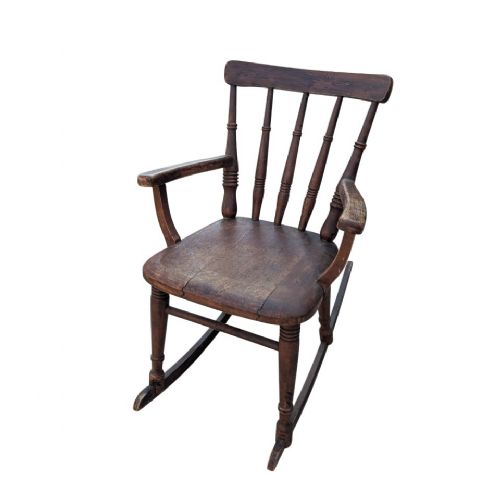
A rustic wooden nursery chair brings domestic history into the room, spanning simple forms created for everyday childhood use. Buyers encounter low seating designed for toddlers and infants, including rocking chairs, armchairs, highchairs, and folding variations.
The pieces on this page originate predominantly from the nineteenth century, alongside examples from the eighteenth century and the year nineteen thirty. Makers from English country and Scandinavian country traditions shaped these domestic items for practical household utility.
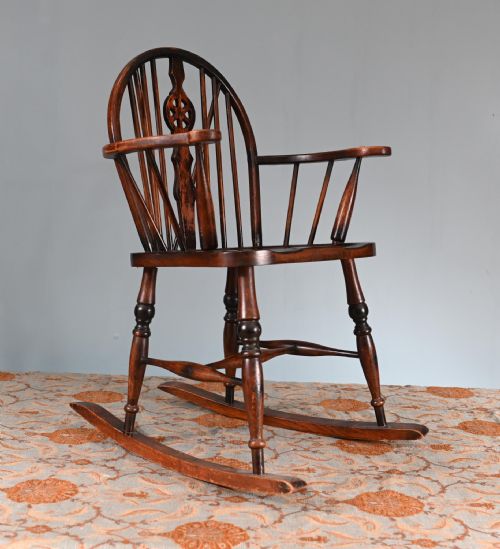
Forms range from spindle backs and wheelbacks to Windsor chairs and folk art seating. Each piece reflects the functional needs of past nurseries, utilising small dimensions tailored specifically for children.
Materials and construction methods
Local timber defined the construction of these country seats, with elm, ash, pine, beech, oak, and yew selected for strength and availability. Craftsmen turned spindles and shaped solid wooden seats to withstand heavy domestic wear.
Surface treatments included bare timber, ebonising, and paint applications that protected the wood over decades of use. Traditional joinery secured legs and backs directly into thick wooden seats without metal fasteners.
Some past children received miniature wooden thrones complete with turning and wheelbacks.
Distinctions in quality and finish
Quality rests in the harmony of proportions between the small scale and the sturdy construction required for children's furniture. Finer examples display carefully turned spindles, balanced rockers, and comfortable arm configurations.
The character of the timber grain and the integrity of the original surface finish elevate certain pieces above standard utilitarian items. Age-related patination shows the natural wear of domestic life rather than structural compromise.
The Rustic Wooden Nursery Chair Glossary
- Windsor
- A chair built with a solid wooden seat into which the legs and back spindles are separately bored and wedged. This technique creates a sturdy and reliable frame characteristic of country seating.
- Spindle back
- A chair back constructed from a series of turned vertical wooden rods. These rods provide back support while keeping the frame light and visually open.
- Wheelback
- A Windsor chair variation featuring a pierced splat carved in the shape of a cartwheel. This decorative motif appears centrally within the backrest.
- Rocking chair
- A seat mounted on curved wooden rockers to allow gentle back-and-forth movement. This form often appears in nursery contexts to soothe young children.
- Highchair
- An elevated child's seat designed to bring a small child level with a dining table. These pieces combine practical safety height with traditional country framing.
Rustic Wooden Nursery Chair: Frequently Asked Questions
What age are these chairs for?
These chairs are constructed in miniature proportions specifically for toddlers and young children in historical domestic settings. The low seats and compact armframes suit small occupants rather than adults.
Buyers often place them in modern rooms as decorative display items or retain them for gentle use by young family members.
How do I identify a Windsor chair?
A Windsor chair is distinguished by its solid wood seat plate, which serves as the central anchor for all other components. The legs and back spindles insert directly into drilled holes in this thick seat.
This method of construction distinguishes them from framed chairs and provides the structural stability found in country furniture.
Were these chairs painted originally?
Many country pieces received surface treatments of paint or ebonising to protect the timber and alter its appearance in the household. Over time, these finishes wear down to reveal the underlying grain and history of the wood.
Unpainted examples display the natural colour of woods like elm, ash, pine, and yew.
Are rocking chairs safe for nurseries?
Historical rocking chairs were built for practical domestic rocking, but modern safety standards differ from nineteenth-century designs. Collectors generally treat them as decorative interior pieces or heritage objects rather than active nursery furniture.
Placing them on firm flooring ensures stability if they are used for gentle seating.