

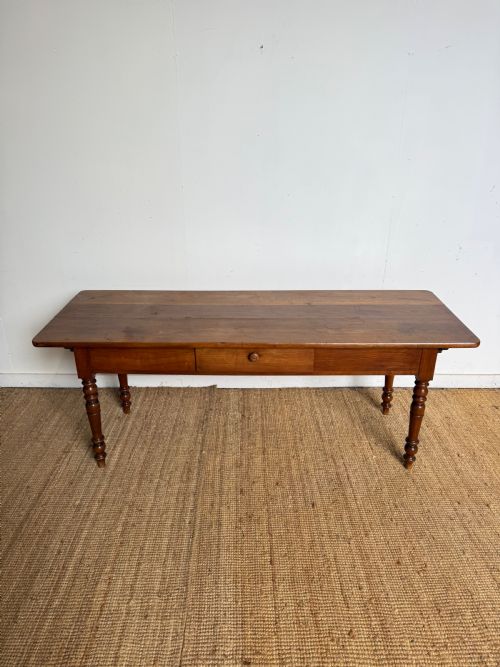
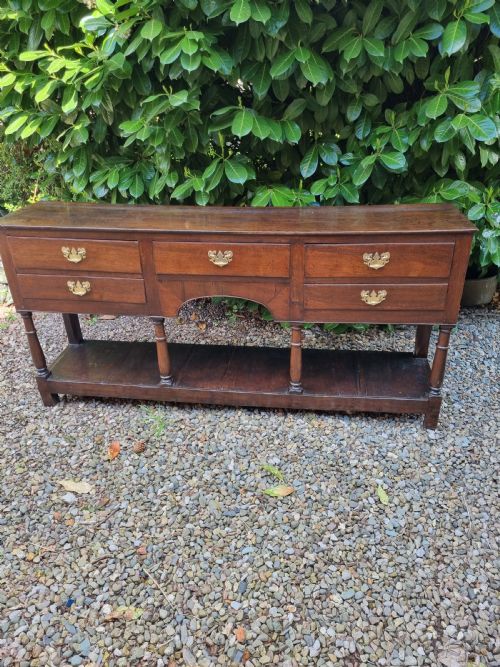

Rustic Wooden Hallway Table
A rustic wooden hallway table brings warmth and simple utility to an entrance, offering a sturdy surface for daily comings and goings.
Rustic Wooden Hallway Table
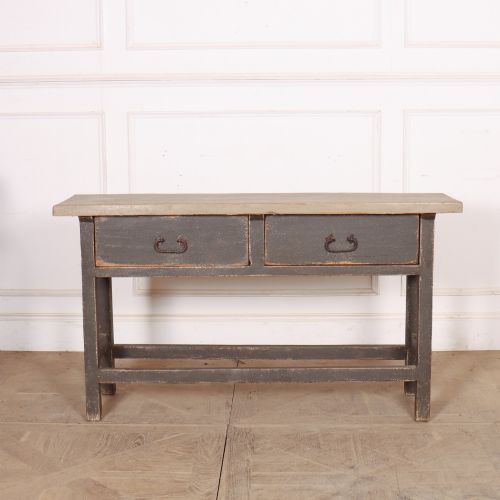
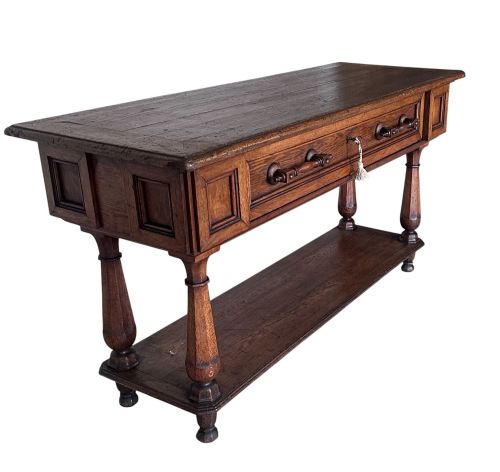
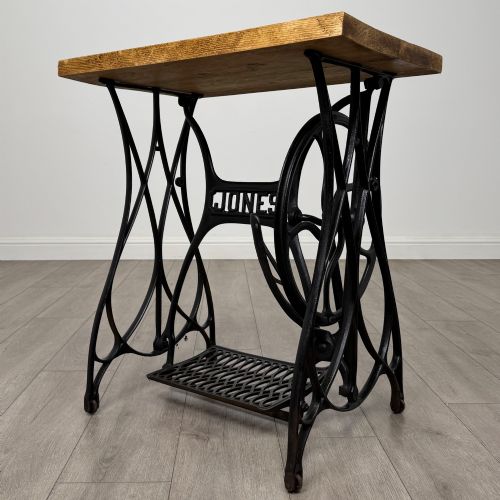
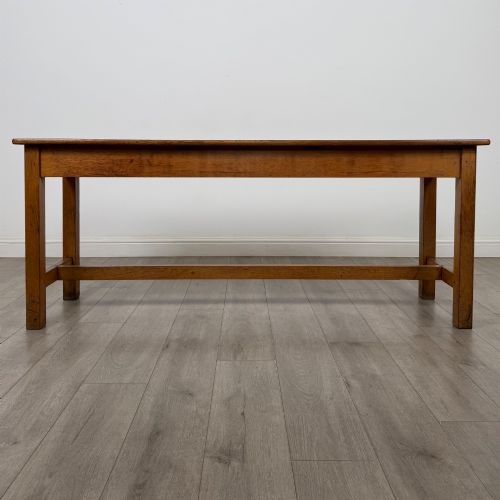
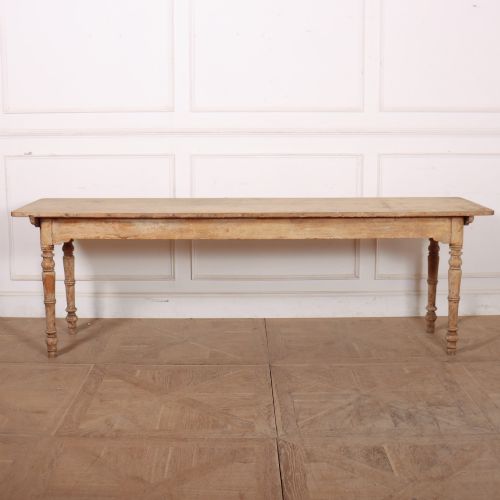
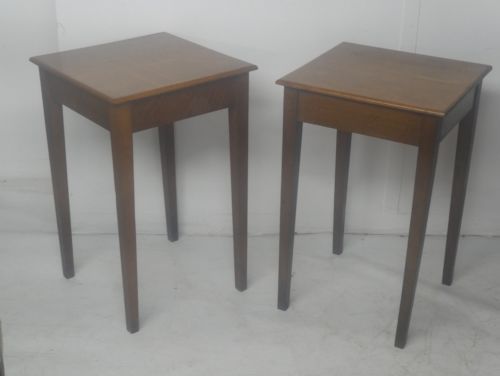
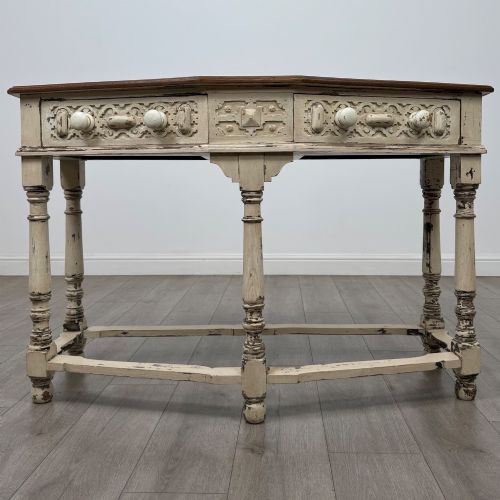
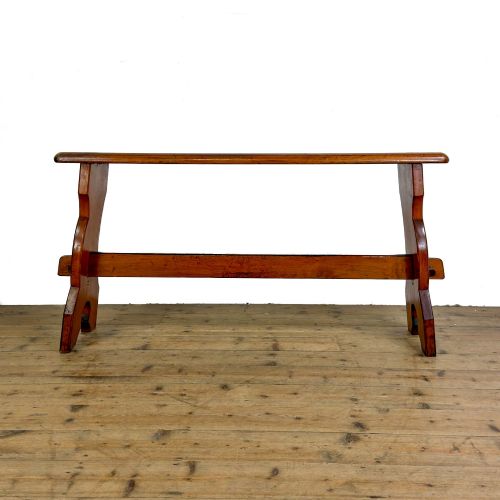
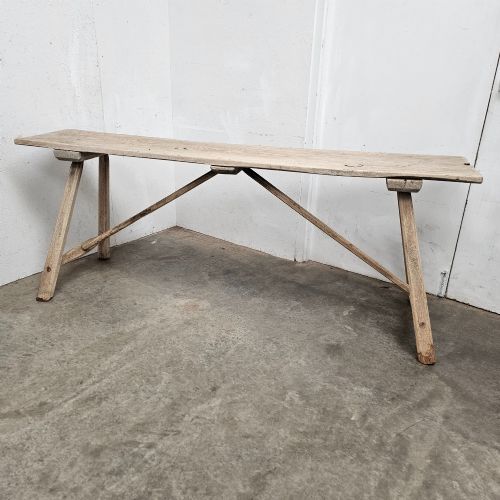
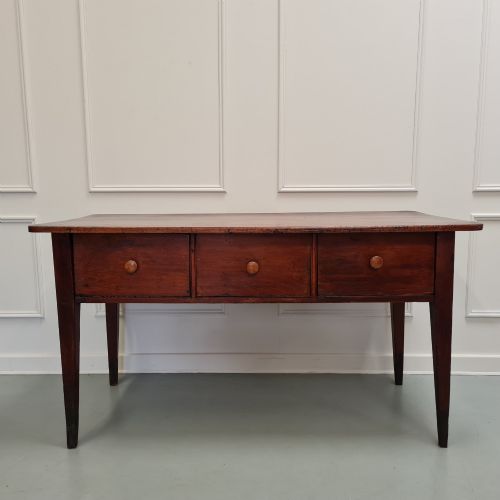
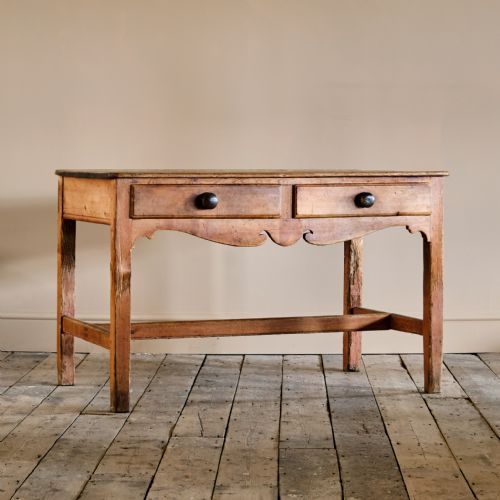
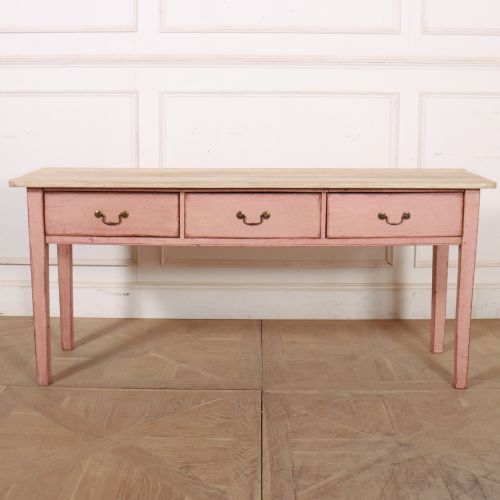
When searching for a rustic wooden hallway table, buyers encounter a variety of narrow forms designed for narrow spaces, including console tables, servers, and benches. These practical surfaces originate from different domestic settings such as French farmhouses, English country houses, and Welsh cottages.
The pieces appearing on this page span several centuries, with nineteenth-century examples and Edwardian items forming the core of the selection. Alongside traditional console tables, the inventory includes scrubbed pine laundry tables, dairy tables, and narrow oak servers suited to linear spaces.
Regional variations shape these furnishings, yielding French provincial consoles, Spanish oak tables, and West Country elm benches. Each piece retains the utilitarian character of its original function, adapted easily to modern entrance halls and corridors.
Materials and construction methods
Constructed predominantly from solid timber, these tables rely on native woods such as oak, pine, elm, ash, and sycamore. Carpenters utilised durable regional hardwoods and softwoods to build surfaces capable of withstanding heavy daily use in busy domestic environments.
Joinery techniques reflect traditional workshop practices, employing pegged joints, plank tops, and sturdy trestle supports or potboards. Iron and brass fittings appear occasionally as structural reinforcement or functional hardware like drawer pulls.
Surfaces often display the marks of time, whether through centuries of scrubbing on pine boards or layers of original and later paint. Finish treatments range from bleached oak and waxed cherrywood to distressed painted finishes.
The listings on this page span the 17th, 18th, 19th, and early 20th centuries, featuring pine, oak, elm, ash, and painted wood.
Distinctions in quality and character
The distinction between ordinary utility items and superior examples lies in the integrity of the timber and the honesty of the wear. Tables retaining their original surface patination and untouched structural timbers command greater appreciation than heavily restored pieces.
Proportion and scale dictate the success of a narrow table in an interior, with balanced dimensions and thoughtful construction separating standard workshop output from finer country furniture. Original drawer configurations, authentic potboards, and uncompromised structural frames elevate the standing of any piece.
The Rustic Wooden Hallway Table Glossary
- Console table
- A narrow table designed to stand against a wall, frequently used in entrance halls and narrow passages. These forms save floor space while providing a convenient surface for decorative objects or daily items.
- Potboard
- An open lower shelf fitted between the legs of a table or dresser, historically used for storing pots and kitchen utensils. In a hallway setting, this lower level provides practical space for baskets or shoes.
- Trestle table
- A table structure consisting of two or more vertical supports connected by a horizontal beam or stretcher. This design offers robust stability and maximises legroom along the length of the table.
- Scrubbed pine
- Softwood that has been repeatedly cleaned with water and a stiff brush over decades, resulting in a pale, textured surface. This treatment highlights the natural grain and removes surface grime.
- Dresser base
- The lower section of a traditional storage unit, featuring cupboards or drawers beneath a flat top. These sturdy bases function effectively as deep console or serving tables in larger hallways.
Rustic Wooden Hallway Table: Frequently Asked Questions
How do I choose the right size?
Measure the available width and depth of your corridor carefully before selecting a piece. Narrow console tables and benches are specifically proportioned to fit tight spaces without obstructing movement.
Consider the clearance needed for doors to open fully alongside the table. Height also matters, particularly if you plan to hang a mirror or artwork directly above the surface.
Can these tables withstand daily hallway use?
Solid timber construction makes these tables inherently robust and well-suited to the demands of an entryway. Hardwoods like oak and elm resist knocks from bags and shoes, while pine offers a lighter yet dependable surface.
Routine maintenance involves simple dusting and occasional waxing to nourish the wood. The existing patination means minor daily marks blend naturally into the historic surface.
What is the difference between a console and a server?
Consoles are generally built purely as wall tables with shallow depths, designed primarily for display and surface utility. Servers and dresser bases often incorporate deep drawers or lower potboards intended for storage.
Both forms adapt readily to hallway placement, depending on whether you need concealed storage for keys and post or simply a display ledge.
How do I care for scrubbed pine furniture?
Scrubbed pine benefits from minimal intervention, maintaining its dry, pale appearance without heavy varnishes. Wipe surfaces clean with a slightly damp cloth and avoid harsh chemical cleaners that strip the historic grain.
Applying a clear, natural wax occasionally helps protect the wood from moisture without altering its matte finish.