




Rustic Wooden Dish
A rustic wooden dish brings tangible warmth to a room, offering tactile grain and practical honesty rooted in traditional country life.
Rustic Wooden Dish
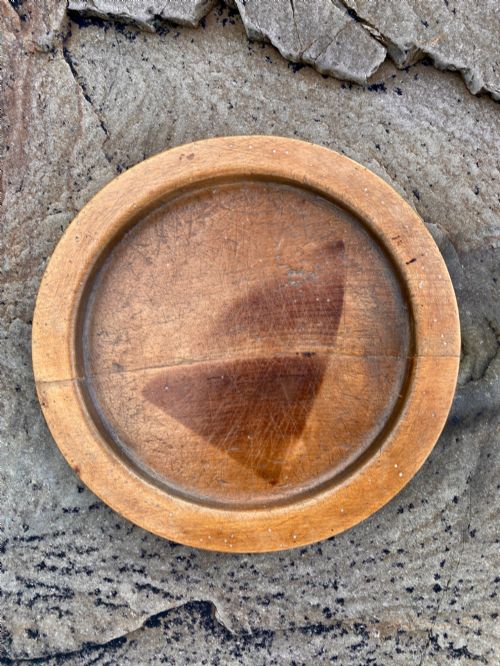
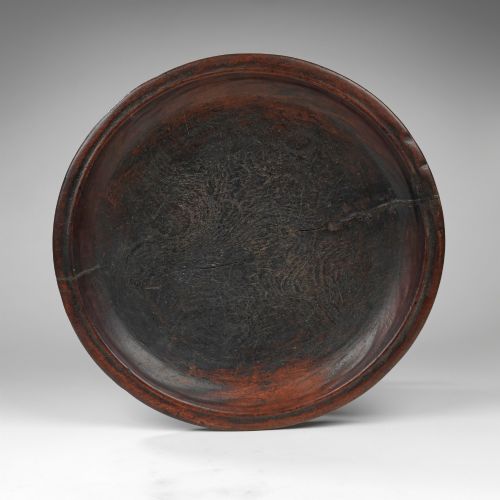
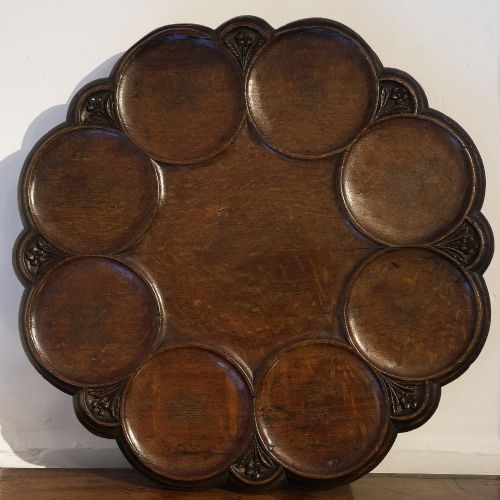
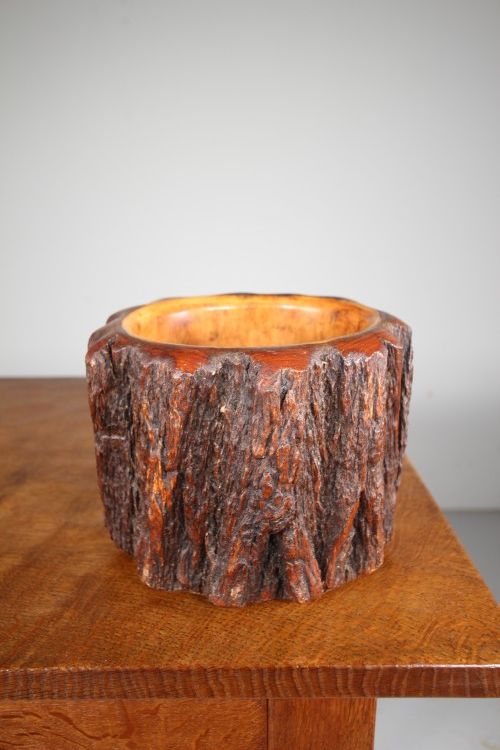
When you search for a rustic wooden dish, you encounter turned and carved domestic objects shaped from regional timbers. The selection spans round platters, deep dairy vessels, and shallow trenchers designed for everyday utility in historical households.
Most examples originate from the eighteenth and nineteenth centuries, reflecting English, Scandinavian, Welsh, and continental country traditions. These pieces demonstrate straightforward forms shaped by local turners using readily available hardwoods.
How they were made
Craftsmen shaped these items using foot-powered lathes and hand gouges, working green wood that dried into organic, asymmetrical contours over time. Sycamore, oak, elm, ash, and birch served as primary timbers due to their density and resistance to splitting during heavy daily use.
Surfaces finished naturally through decades of scrubbing, scouring with sand, and repeated contact with food oils rather than modern synthetic varnishes. Tool marks left by drawknives and gouges remain visible across the undersides and interiors, recording the physical labour of the maker.
Rustic Wooden Dish Retail Price Guide 2026
Typical asking prices for rustic wooden dish among the pieces listed under this phrase on Sellingantiques today, from the lower quarter to the upper quarter. They describe what is for sale here now, not the wider market.
The listings on this site feature oak, elm, sycamore, ash, and birch across pieces dated from the eighteenth and nineteenth centuries.
What varies in quality
Quality rests in the balance of proportion, the depth of the turning, and the visual movement within the timber grain. Superior platters display crisp side walls and a stable base that sits flat without excessive warping from age.
The character of the patina dictates desirability, favouring surfaces carrying deep honeyed tones and honest wear from generations of service. Heavy modern sanding or aggressive restoration diminishes the tactile honesty that collectors prize in country treen.
The Rustic Wooden Dish Glossary
- Treen
- Small handmade wooden domestic objects produced before the widespread adoption of mass manufacturing. These items include bowls, spoons, platters, and boxes formed on a lathe or carved by hand.
- Sycamore
- A pale, close-grained hardwood traditionally favoured for dairy vessels and kitchen treen because it does not impart odours or flavours to food. It takes a smooth finish under the turning tool.
- Patina
- The deep sheen and mellow colour developed on the surface of wood over decades of handling, exposure to light, and washing. A good surface records the history of use without artificial enhancement.
- Turning
- The technique of shaping wood on a rotating lathe using hand-held chisels and gouges to create circular vessels, bowls, and stool legs. This method leaves concentric ridges and tool signatures across the piece.
Rustic Wooden Dish: Frequently Asked Questions
How do I care for antique wood?
Antique wooden vessels require gentle cleaning with a slightly damp cloth and immediate drying to prevent moisture damage. Avoid soaking them in water or placing them near direct heat sources.
Occasional treatment with food-safe mineral oil helps maintain the moisture balance of the timber without building up artificial residues on the aged surface.
Are these platters food safe?
Many historical wooden platters served dairy, fruit, or dry foodstuffs in period homes. Over centuries, however, the pores of the wood absorb oils and organic matter that cannot be thoroughly sanitised for modern consumption.
Most collectors choose to display these pieces as decorative objects or use them strictly for dry items like fruit rather than everyday dining.
How do I date an old dish?
Dating relies on observing tool marks, timber choice, and the natural wear patterns accumulated across the surface. Hand-wrought surfaces from the eighteenth and nineteenth century display irregularities distinct from later machine-tooled items.
Comparing the form and construction details with documented examples from regional traditions helps narrow down the period of manufacture.