


Rustic Wooden Bucket
A rustic wooden bucket brings tactile warmth and utilitarian character to an interior through honest timber and stout metal work.
Rustic Wooden Bucket
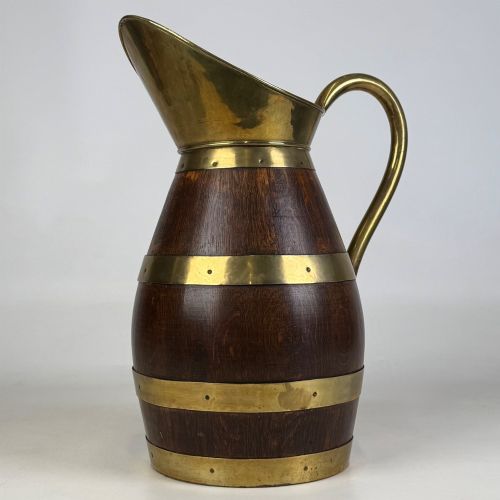
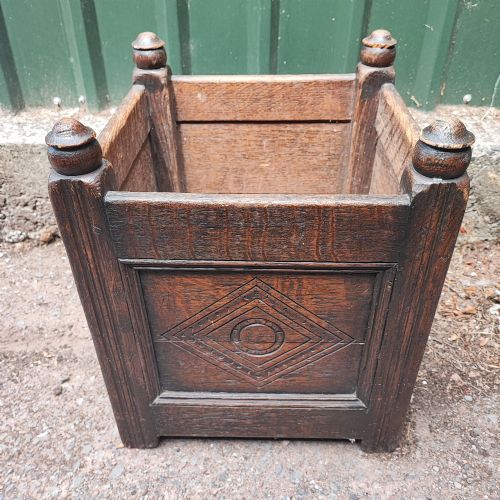
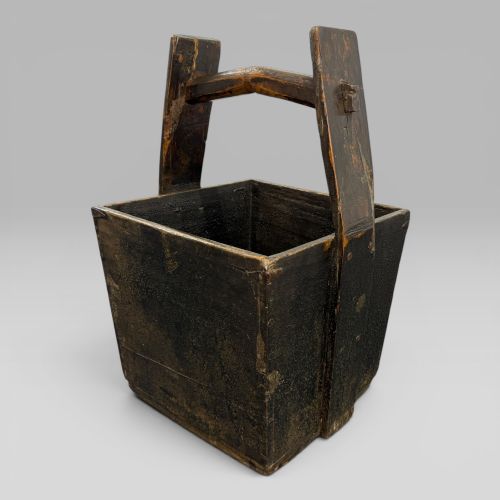
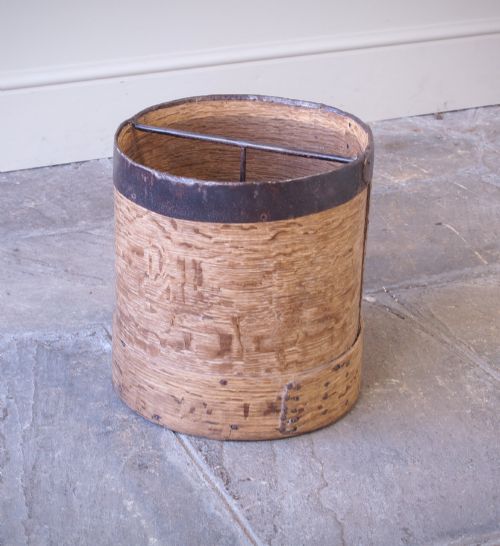
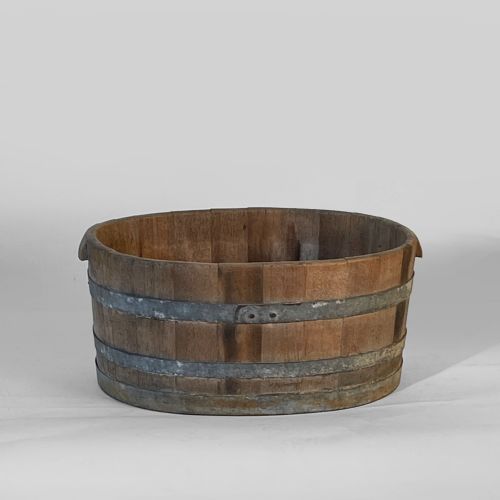
A rustic wooden bucket encompasses functional vessels shaped from solid timber, ranging from coopered oak barrels and log bins to elm grain measures and pine storage containers. These pieces emerge from domestic, agricultural, and provincial contexts across English, French, Scandinavian, and Chinese traditions.
The versions most commonly met on this page span the Georgian, Victorian, and Edwardian eras, alongside pieces dated around the late nineteenth and early twentieth centuries. They appear configured as umbrella stands, jardiniere planters, fuel stores, and washing tubs rather than mere decorative novelties.
Makers shaped these utilitarian objects from native timbers suited to daily toil, resulting in robust vessels designed to hold water, grain, fuel, or washing. Their survival rests on solid construction and thick walls rather than delicate ornamentation.
Judging Quality
Quality depends upon the integrity of the timber and the tightness of the coopered construction, where well-fitted staves and original metal bands denote superior workshop execution. Thick, dense woods like oak and elm retain their structural stability far better over centuries than lighter pine or secondary softwoods.
The presence of original hardware, handles, and authentic patination elevates an example above altered or heavily restored pieces. Proportion and balance in larger vessels, such as harvest baskets and storage barrels, dictate visual success in a domestic space.
Origin styles span English, French, Scandinavian, and Chinese provincial traditions across the eighteenth, nineteenth, and early twentieth centuries.
The Rustic Wooden Bucket Glossary
- Coopered
- Constructed from curved wooden staves bound together by external metal or wooden hoops. This traditional technique ensures watertight seals in vessels such as tubs, buckets, and barrels.
- Jardiniere
- An ornamental pot or stand designed to hold growing plants or flowers. In wooden examples, these often feature metal liners to protect the timber from moisture.
- Treen
- Small handmade wooden household objects carved from domestic hardwoods. The term covers utilitarian items made before the widespread adoption of mass manufacturing.
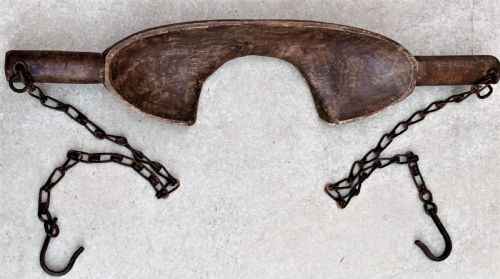
- Shoulder yoke
- A curved wooden bar designed to fit across the shoulders for carrying suspended buckets or baskets evenly. These agricultural implements aided farm workers in transporting liquids or dairy produce.
- Grain measure
- A standardised wooden vessel used for quantifying dry agricultural produce like corn or wheat. They frequently feature strong lap-jointed or coopered construction with marked capacities.
Rustic Wooden Bucket: Frequently Asked Questions
How were wooden buckets used originally?
These vessels served demanding everyday tasks on farms, in dairies, and around the home. They carried water, grain, fuel, and washing rather than sitting idle as ornaments.
Over time, many assumed secondary domestic roles as fireside log bins or umbrella stands once their original working lives ended.
Can I use these planters outdoors?
Most antique wooden containers withstand sheltered outdoor spaces if kept raised off damp ground. However, prolonged exposure to heavy rain and frost will accelerate timber decay and rust metal bands.
Using a protective plastic or metal liner helps preserve the interior wood when housing live plants or garden flowers.
How do I clean an antique wooden bucket?
Dusting with a dry, soft cloth removes surface grime without disturbing the historic patination of the timber. Avoid harsh chemical cleaners, modern detergents, or soaking the wood in water.
Applying a traditional beeswax polish occasionally helps nourish dry oak, pine, or elm surfaces.
How do I distinguish pine from oak pieces?
Oak displays a dense, heavy grain with prominent medullary rays and a deeper brown or golden hue. Pine is significantly lighter in weight with a softer, paler yellow tone and tighter growth rings.
English and French pieces frequently utilise oak or elm, while Scandinavian examples often employ pine.