

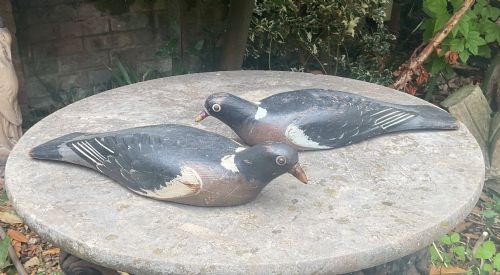
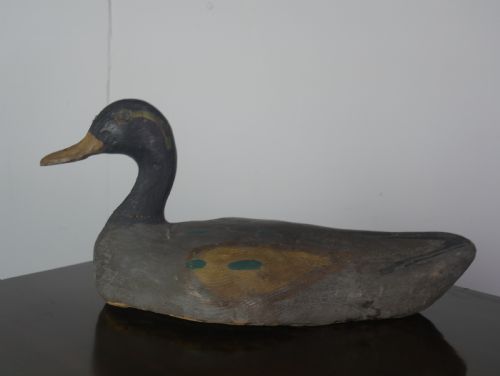


Rustic Wooden Bird
These rustic wooden bird carvings and decoys bring authentic country character into a room, offering immediate texture and history.
Rustic Wooden Bird
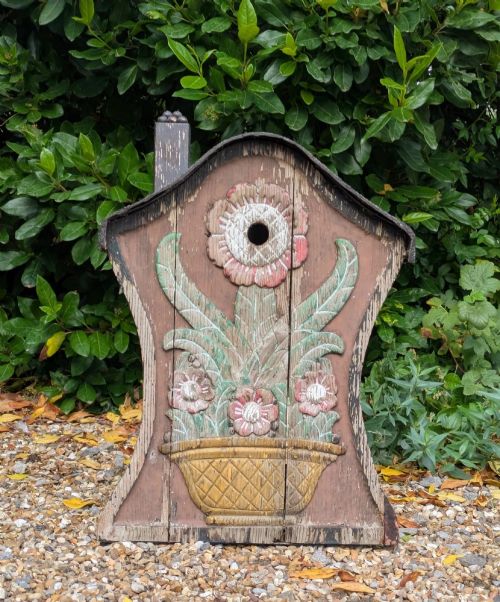
When searching for a rustic wooden bird, buyers encounter working decoys, folk art sculptures, and carved decorative objects originating from various regional traditions. These pieces span the nineteenth century through the early twentieth century, taking the form of ducks, pigeons, geese, and herons alongside occasional birdhouses and architectural carvings.
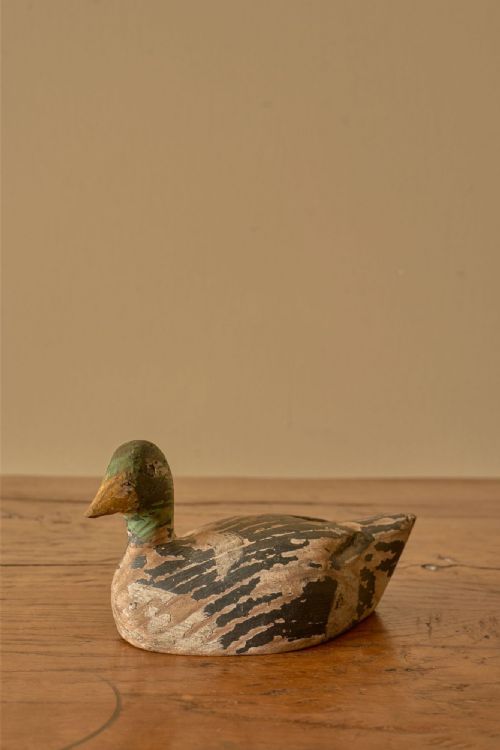
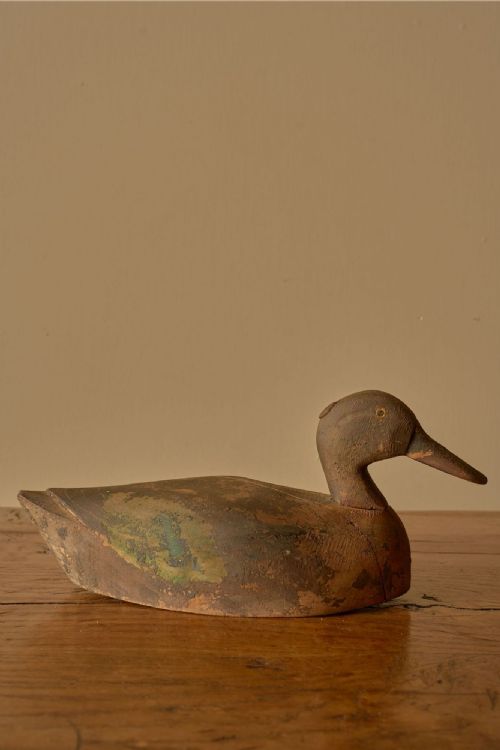
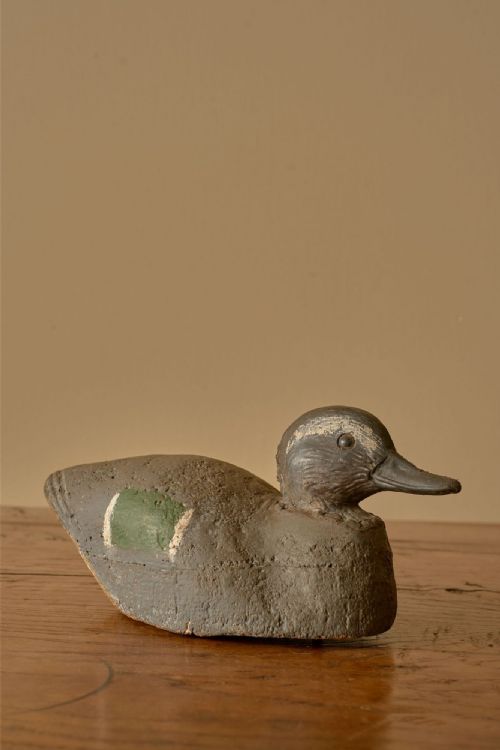
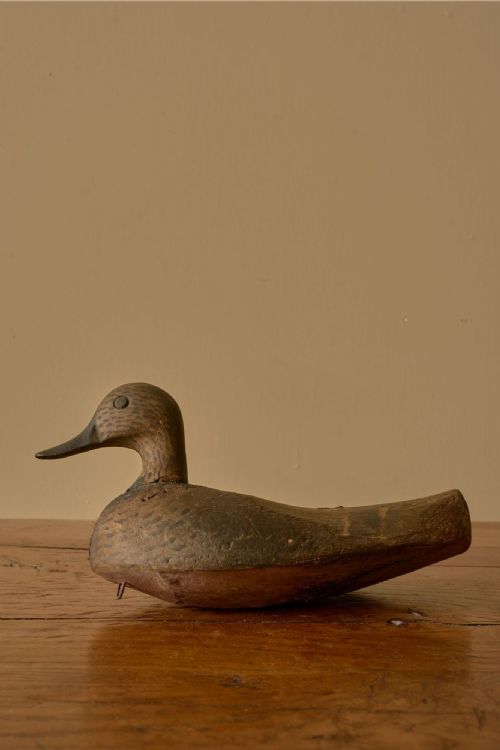
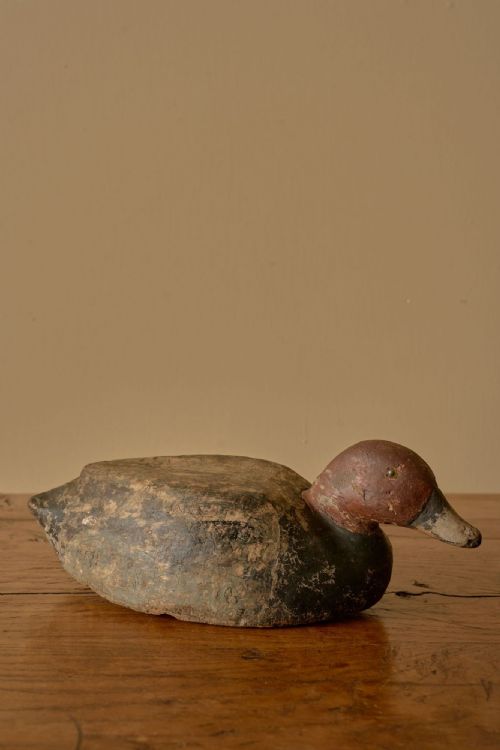
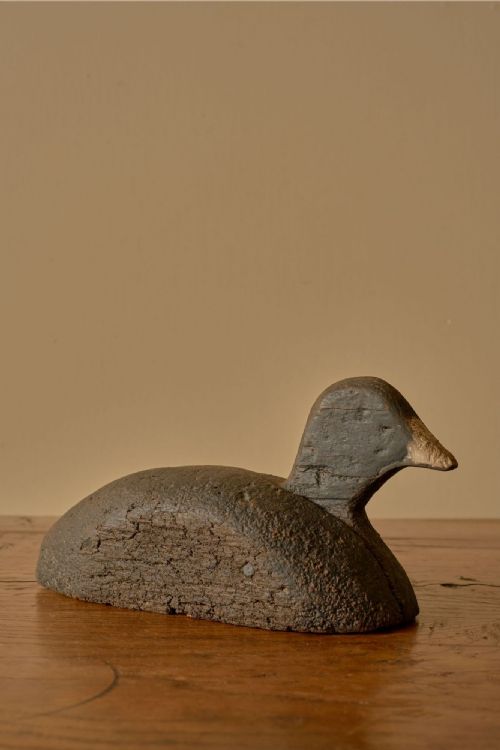
The version most commonly met on this page is the working decoy duck, shaped from solid timber for use on water and later retired to the mantelpiece or shelf. Alongside these waterbirds appear carved pigeons and shorebirds shaped in pine or oak, reflecting the practical needs of nineteenth-century trade and the decorative whims of Edwardian folk art.
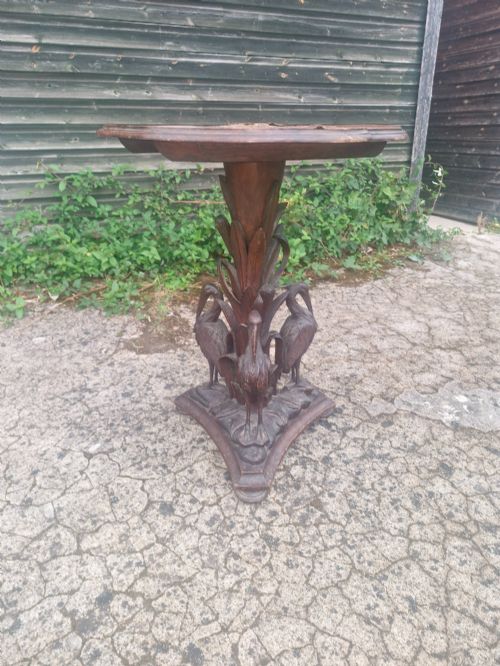
Origins stretch across English, French, American, and Scandinavian workshops, each region leaving distinct marks on the timber and paint. Whether shaped as a simple decoy goose or integrated into a Black Forest stick stand, these objects share a direct connection to utilitarian rural life.
Materials and carving techniques
Carvers shaped these birds using native timbers such as pine, oak, and general forest woods, working the material with hand gouges and drawknives to establish the primary silhouette. Tool marks remain visible across the surfaces, recording the physical labour of the maker as they reduced a block of wood into a functional decoy or decorative study.
Surfaces were frequently finished with lead-based or oil paints, applied by hand to mimic the natural plumage of ducks, pigeons, and geese. Over decades, this paint has weathered and worn, creating complex patinas where layers of pigment merge with bare, aged wood underneath.
Rustic Wooden Bird Retail Price Guide 2026
Typical asking prices for rustic wooden bird among the pieces listed under this phrase on Sellingantiques today, from the lower quarter to the upper quarter. They describe what is for sale here now, not the wider market.
Object forms on this page include working decoy ducks, decorative geese, pigeon decoys, birdhouses, and Black Forest animal plaques.
Assessing quality in folk art carvings
Quality rests in the vigour of the carving and the confidence of the silhouette rather than precise anatomical correctness. A superior rustic wooden bird possesses sculptural presence, capturing the alert posture of a goose or the resting weight of a decoy duck with economy of line.
The integrity of the original paint surface dictates the distinction between ordinary pieces and exceptional survivals. Untouched, weathered pigments and authentic tool marks elevate a carving, while heavy restoration or modern repainting obscures the historic character of the object.
The Rustic Wooden Bird Glossary
- Decoy
- A carved or assembled wooden bird used historically by hunters to attract waterfowl or pigeons within range. They form the largest category of rustic bird carvings on this page.
- Folk art
- Objects created by self-taught or traditional craftsmen outside academic artistic traditions, often serving practical domestic or rural functions.
- Pine
- A soft timber widely utilised across nineteenth-century rural workshops for carving large decoys, architectural figures, and rustic household items.
- Patina
- The surface texture, wear, and colour acquired by wood and paint over decades of handling, exposure to light, and atmospheric change.
Rustic Wooden Bird: Frequently Asked Questions
What is a rustic wooden bird?
A rustic wooden bird is a hand-carved sculpture, working decoy, or folk art object created from timber during the nineteenth or early twentieth centuries. These pieces were originally made for practical use in shooting or farming before finding a place in domestic interiors.
Today, collectors value them for their sculptural forms, tactile wood surfaces, and the weathered remnants of original hand-painted plumage.
How were decoy ducks used?
Decoy ducks were floated on water or placed along shorelines by hunters to lure wild flocks within shooting distance. Makers weighted the bases or added keel structures to keep the wooden bodies upright in choppy water.
After their working lives ended, these birds were often discarded, repainted, or preserved on mantelpieces for their rustic charm.
How do I date an antique wooden bird?
Dating relies on examining the tool marks left by the maker, the type of timber used, and the chemical composition or wear of the paint layers. Nineteenth-century pieces often display hand-hewn surfaces from drawknives, while early twentieth-century examples may show machine assistance.
Comparing the silhouette and regional paint style to documented folk art helps narrow the period of origin.
How do I style these carvings at home?
These wooden birds integrate easily into contemporary and traditional interiors when placed singly on bookshelves, sideboards, or occasional tables. Their neutral wood tones and muted historic paints complement natural textures like stone, linen, and aged leather.
Keep them out of direct sunlight and away from heat sources to protect the fragile historic paint surfaces from drying and flaking.