


Rustic Wood Armchair
A rustic wood armchair brings honest English vernacular craft into a room, joining sturdy Windsor forms and regional country seats built for daily utility.
Rustic Wood Armchair
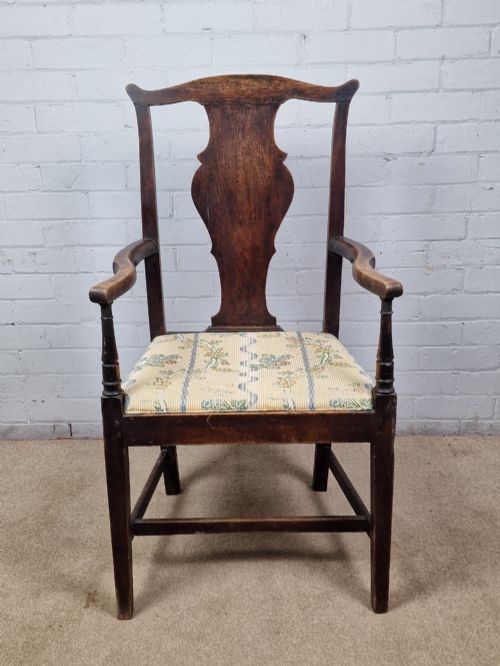
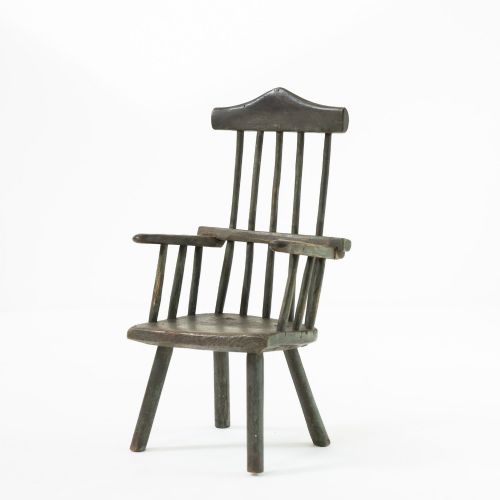
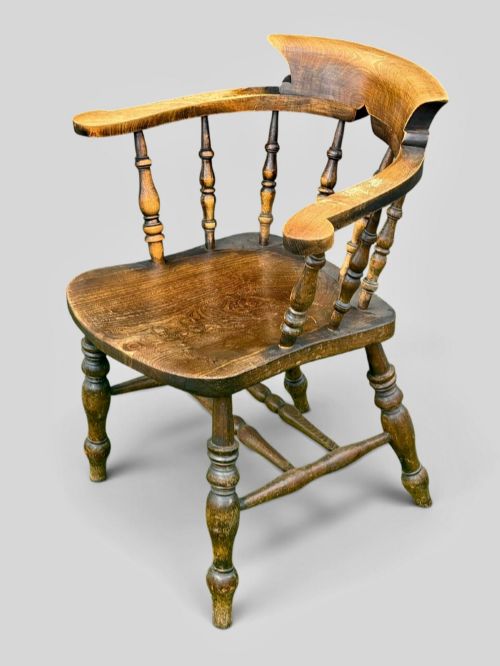
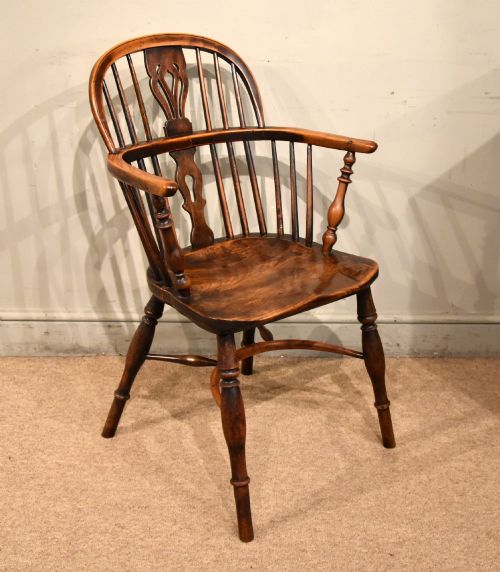
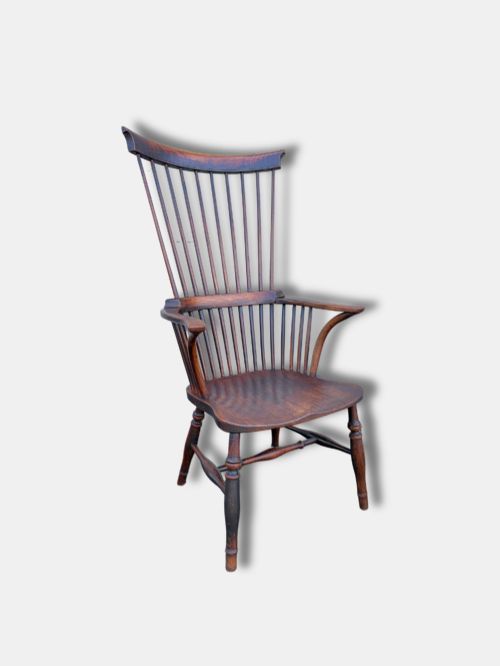
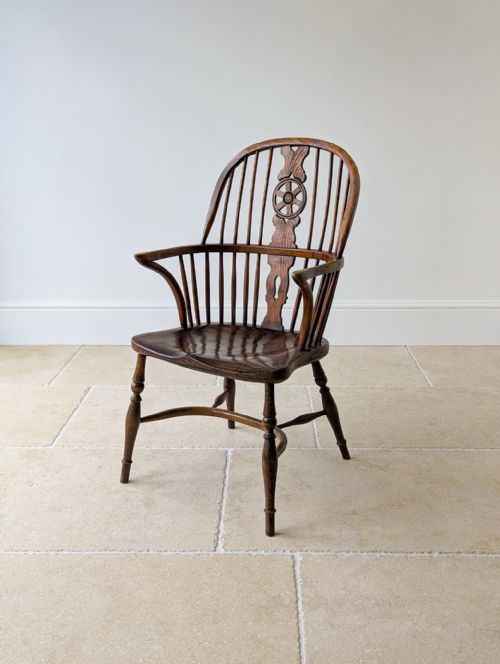
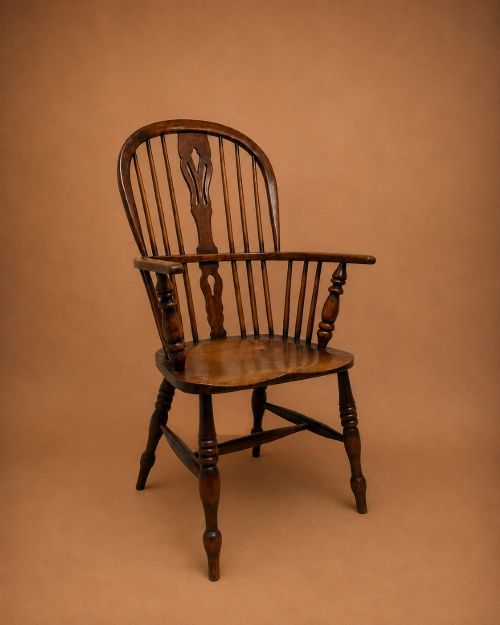
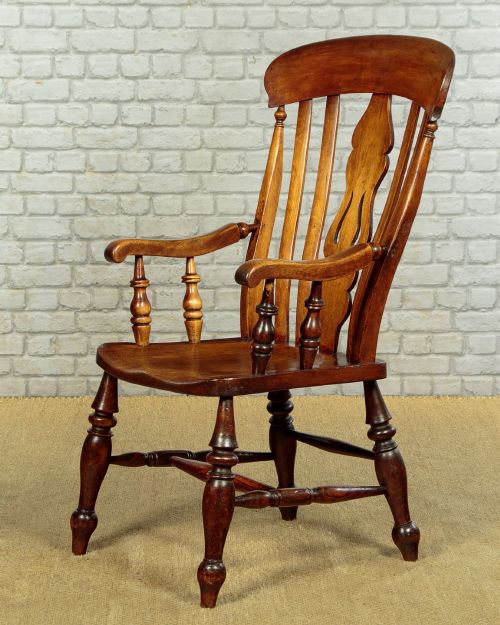
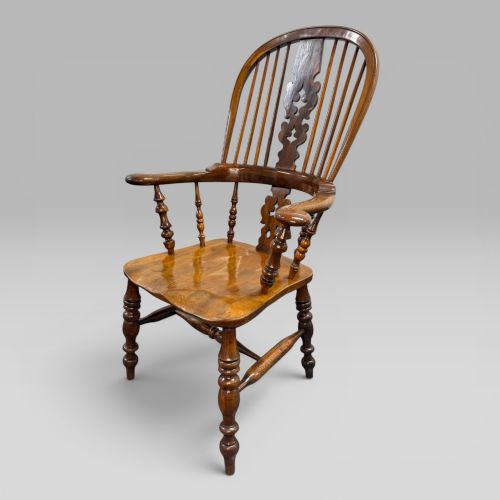
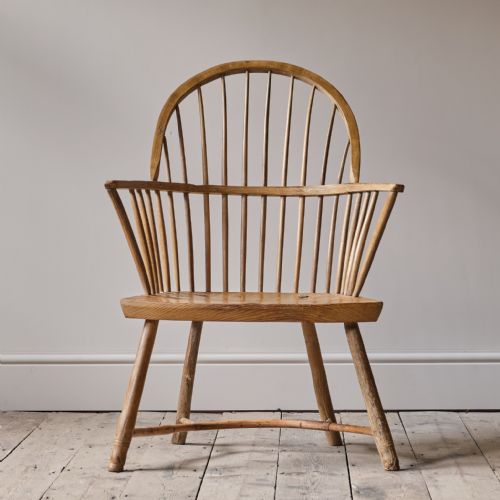
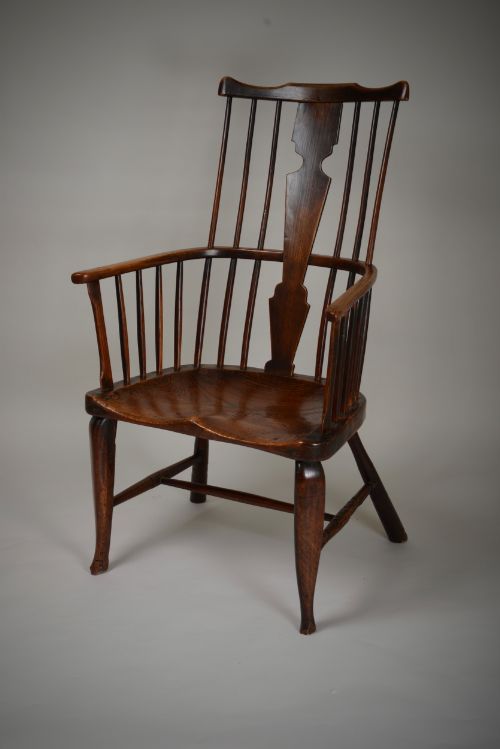
A rustic wood armchair encompasses traditional English country seating, ranging from high comb-back and hoop-back Windsors to spindle-back and low-back vernacular forms. These chairs date predominantly from the eighteenth and nineteenth centuries, including Georgian and Victorian periods, alongside specific regional variations like Lakeland lambing chairs and smokers captains chairs.
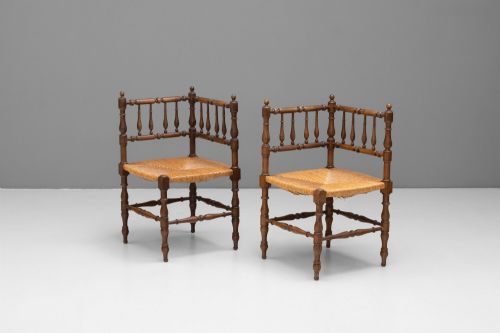
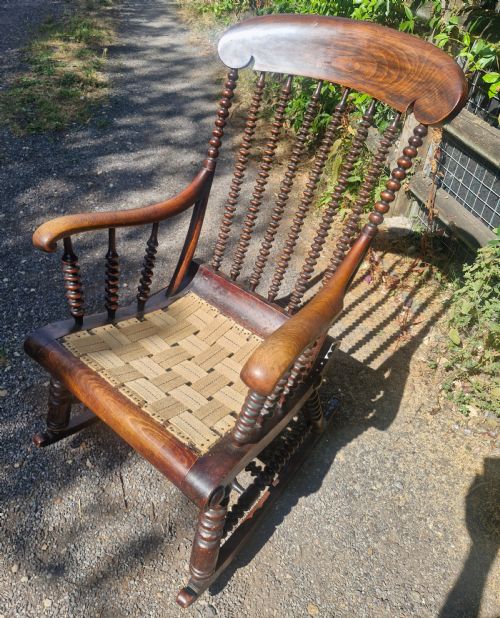
The most common examples met on this page are elm and ash Windsor armchairs shaped by provincial makers. Buyers also encounter children's armchairs, rocking chairs, and corner chairs constructed in matching domestic timbers.
The aesthetic relies on structural honesty and unpretentious materials rather than courtly ornament. Every component serves a clear mechanical purpose in supporting the sitter.
How they were made
Maker-joiners utilised local hardwoods, pairing elm seats with bent ash for hoops, spindles, and arms, and sometimes incorporating yew wood, beech, fruitwood, laburnum, or oak. Elm provided a tough, non-splitting surface for the solid saddle seat, whilst ash offered the necessary elasticity for steam-bent components.
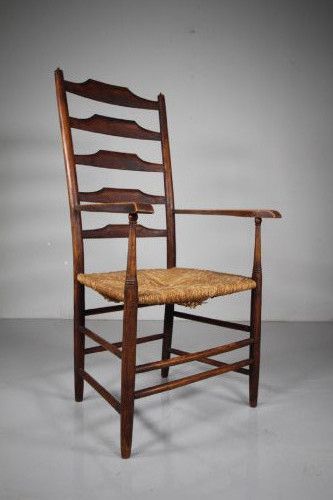
Construction methods combined traditional bodging and Windsor techniques, using shaved spindles, wedged tenons, and undercarriage stretchers to lock the legs into the thick seat slab. Rush seating also appears on specific rush-seated country armchairs from the early nineteenth century.
The object forms range from Windsor and comb-back armchairs to rocking chairs, corner chairs, and child-sized seating.
What varies in quality
Quality rests in the harmony of proportions, the depth of the saddle shaping on the seat, and the grace of the turned undercarriage. A superior rustic wood armchair displays balanced comb or hoop geometry and refined spindle tapering rather than clumsy, thick-set replacements.
The selection of timber dictates much of the character, with rich grain figuring in yew wood or elm elevating an ordinary frame into a sculptural object. Original surface patination and minimal structural alteration preserve the integrity prized by collectors.
Philip Clissett·Gabbitass Worksop maker
The Rustic Wood Armchair Glossary
- Windsor chair
- A chair built with a solid wooden saddle seat into which the legs, back legs, and stick-back pieces are independently socketed. This form dominates English country vernacular seating.
- Comb back
- A Windsor variation where the vertical spindles of the back extend upward to support a horizontal top rail resembling an antique hair comb. It is frequently associated with eighteenth-century craftsmanship.
- Hoop back
- A Windsor design featuring a continuous steam-bent wooden rail that forms both the arms and the rounded backrest. It provides structural rigidity through continuous grain.
- Bodger
- A woodland woodturner who produced green-wood chair legs and spindles on pole lathes near the forest source. These turned parts were supplied to urban or village chairmakers.
- Rush seat
- A seating platform woven from dried marsh rushes around a wooden frame. It yields a flexible, textured surface common on early nineteenth-century country armchairs.
Rustic Wood Armchair: Frequently Asked Questions
What is a Windsor armchair?
A Windsor armchair is a traditional seat built around a thick wooden saddle seat into which the legs and back spindles are driven directly. This construction method creates a sturdy, resilient frame without relying on a conventional box-frame chassis.
These chairs developed distinct regional characteristics across England, utilising local timbers and varying back designs such as high combs, hoops, or low rails to suit domestic and tavern use.
How do I date an old country armchair?
Dating relies on examining the timber combinations, tool marks, and structural evolution of the back assembly. Eighteenth-century examples often display broader comb backs and heavy elm seats, whilst Victorian pieces trend toward standardised turning and steam-bent beech or ash components.
Nail holes, peg construction, and the type of wear on the foot endings also help establish whether a chair dates to the Georgian era or the later nineteenth century.
Where were these chairs used originally?
Country armchairs served in farmhouse kitchens, cottages, and country houses where durability mattered more than formal styling. They gathered around hearths and dining tables, functioning as everyday utility furniture for the household.
Lower-back variations and specialised forms like lambing chairs offered shelter from drafts in large open rooms, while children's armchairs accommodated younger family members.
How do I care for rustic wood furniture?
Maintain the wood by keeping the chair away from direct heat sources and sudden humidity changes that cause timber to split. Apply a traditional beeswax polish occasionally to nourish dry surfaces and preserve the historic patination.
Avoid modern silicone sprays or harsh chemical cleaners, as natural wax allows the antique elm, ash, or yew grain to breathe and age gracefully.