


Rustic Turned Timber Seating
Rustic turned timber seating brings honest vernacular form into a room, offering robust construction and straightforward utility shaped by country makers.
Rustic Turned Timber Seating
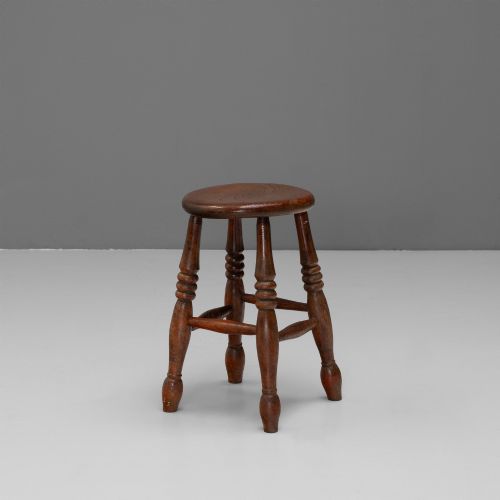
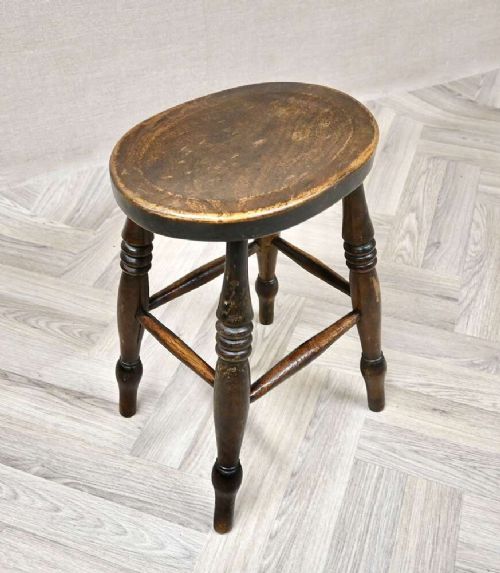
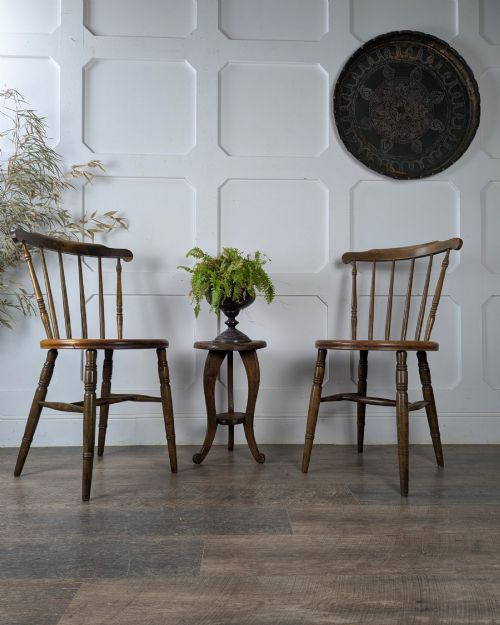
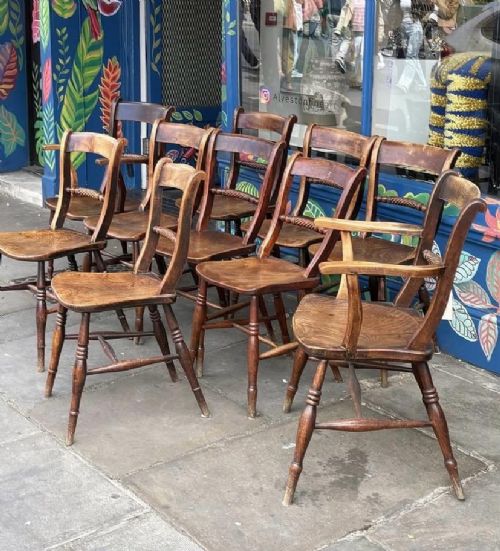
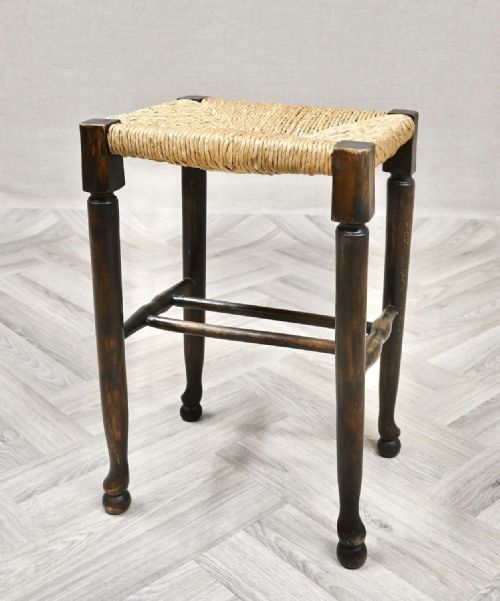
Rustic turned timber seating encompasses functional stools, kitchen chairs, armchairs, benches and settles built for everyday domestic and trade use. When you search for rustic turned timber seating, you encounter pieces that prioritise structural honesty over courtly ornament, featuring visible joinery and lathe-turned components.
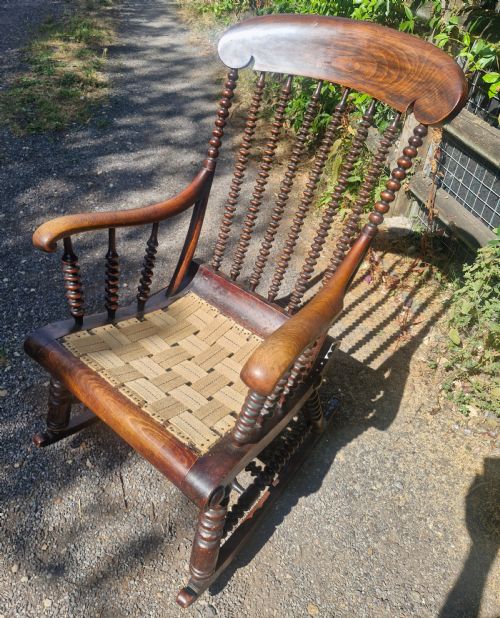
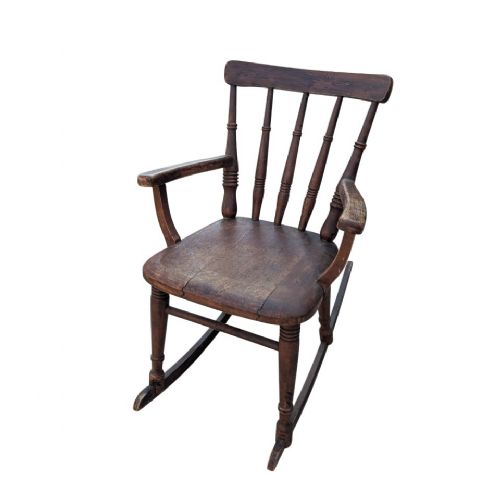
The selections on this page draw predominantly from the nineteenth century, alongside Victorian, Edwardian and early twentieth-century examples. Stools and kitchen chairs dominate the forms, supplemented by specialist seating such as clerk's stools, rocking chairs and high chairs.
Makers utilised native hardwoods to supply farmhouses, taverns and cottages with durable furniture. These seating options display regional vernacular traits rather than strict adherence to metropolitan pattern books.
How they were made
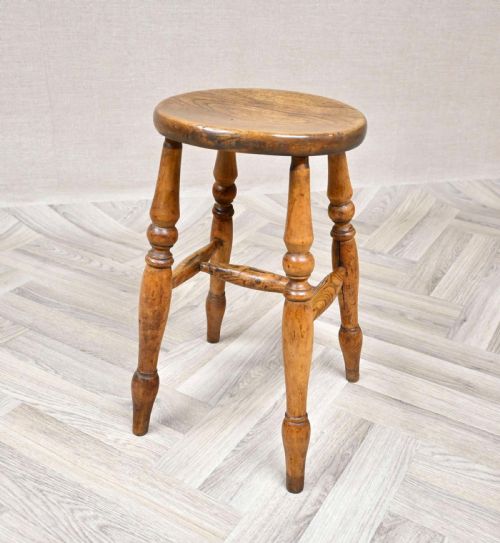
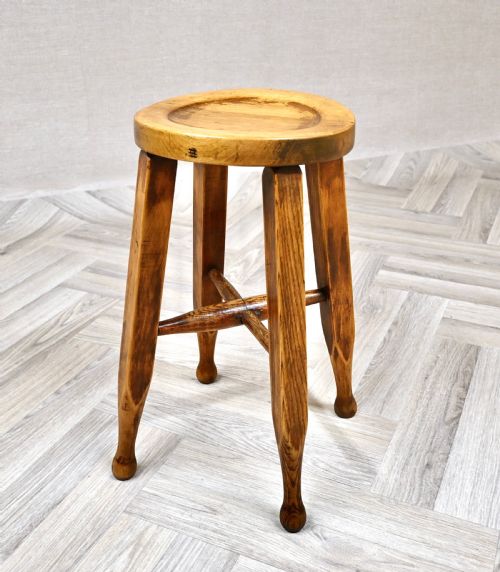
Craftsmen built these seats using solid native timbers including oak, elm, beech, ash, walnut, sycamore and pine, frequently combining woods within a single piece. Elm provided tough, splitting-resistant material for solid saddle-shaped seats, while straight-grained beech and ash lent themselves to steam-bending and lathe-turning for spindles and legs.
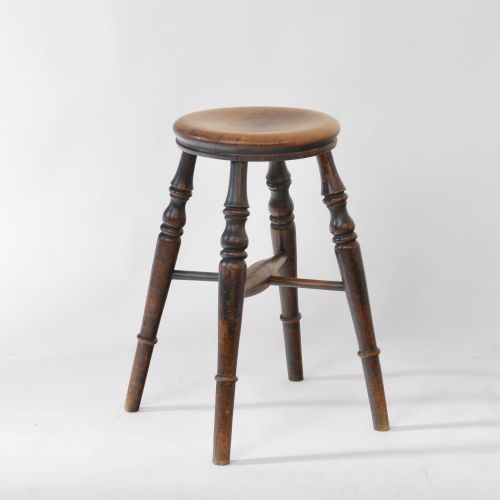
Turnery formed the structural backbone, employing foot-powered or pole lathes to shape legs, stretchers and bobbin-turned framing members. Component parts were typically joined using traditional mortise and tenon joints or wedged through-tenons, securing the framework without reliance on metal fixings.
Listings feature items built from oak, elm, beech, ash and pine, spanning the nineteenth and early twentieth centuries.
What varies in quality
The integrity of the original turned joints and the stability of the timber frame determine the primary tier of quality. Pieces retaining their original wedged construction and untouched surface patination demonstrate superior survival compared to heavily restored examples.
Proportion and the sophistication of the turnery differentiate standard utility work from finer vernacular output. Bold bobbin turning, well-balanced spindle arrangements and carefully sculpted solid elm seats elevate the character of individual pieces.
Worksop Allsop
The Rustic Turned Timber Seating Glossary
- Windsor chair
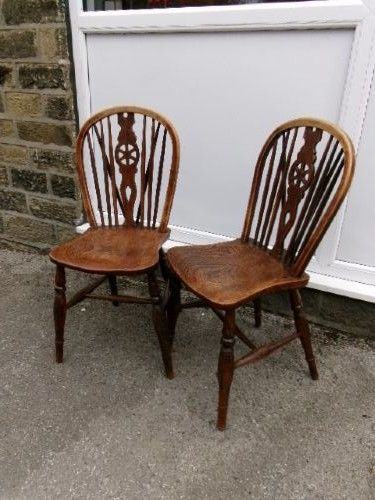
- A chair built with a solid wooden seat into which the legs and back spindles are separately inserted. They often feature bentwood hoops and carved saddle seats.
- Bobbin turning
- A method of lathe work that produces a sequence of rounded, spool-like shapes along the length of a wooden spindle or leg. This decorative turning style appears frequently on nineteenth-century frames.
- Vernacular furniture
- Domestic objects made by regional craftsmen using local traditions and materials, distinct from high-style city workshop production. These pieces reflect the practical needs of rural communities.
- Settle
- A wooden bench featuring a high solid back designed to block cold drafts, often incorporating enclosed storage beneath the seat. They served as communal seating near farmhouse hearths.
- Splat lathe back
- A chair back incorporating a central vertical wooden slat, or splat, combined with turned uprights. This construction method offered sturdy back support in domestic dining chairs.
Rustic Turned Timber Seating: Frequently Asked Questions
What defines rustic turned timber seating?
These pieces are practical wooden chairs, stools and benches constructed using lathe-turned spindles and solid timber seats. They reflect traditional country craftsmanship rather than formal urban design.
Maker traditions across the nineteenth and early twentieth centuries relied on durable native woods to create functional furniture for kitchens, farms and public houses.
How were these chairs used historically?
Country households and trade premises utilised these seats for daily dining, fireside seating and workspace tasks. Stools and armchairs served specific roles in kitchens, nurseries and clerks' offices.
Their robust construction allowed them to withstand heavy daily use in demanding environments like taverns and farmhouses.
Where should I place these seats at home?
These items fit naturally into kitchens, boot rooms and living spaces where their tactile wooden textures add character. A Windsor chair or rush-seated stool works well as a standalone accent piece.
Pairing a nineteenth-century bench or settle with a dining table introduces an informal, historic element to an interior.
How do I distinguish different periods?
Nineteenth-century examples frequently exhibit solid elm saddle seats and hand-turned ash or beech framing components. Early twentieth-century pieces often display simplified turnery and distinct regional patterns.
Examining the tool marks, timber shrinkage and joint construction helps determine the approximate age of a piece.