
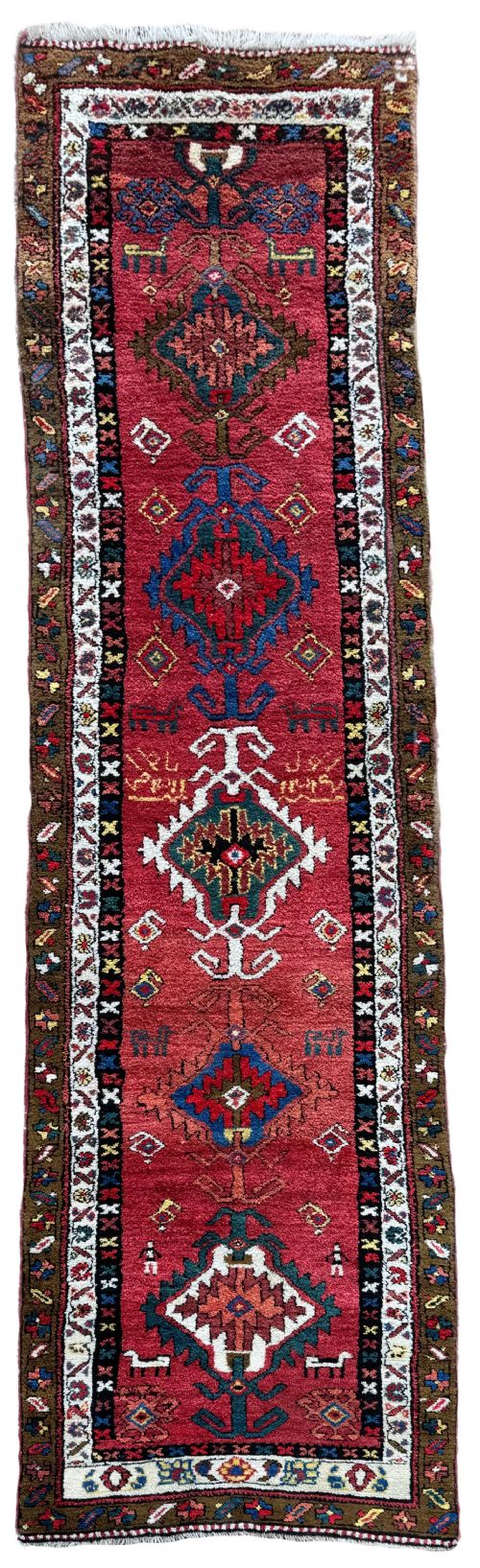
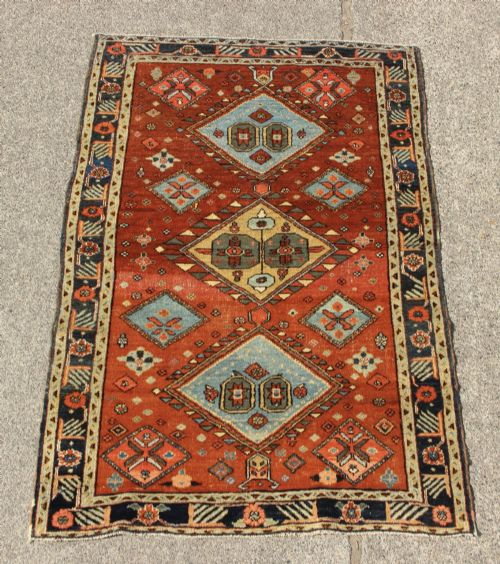
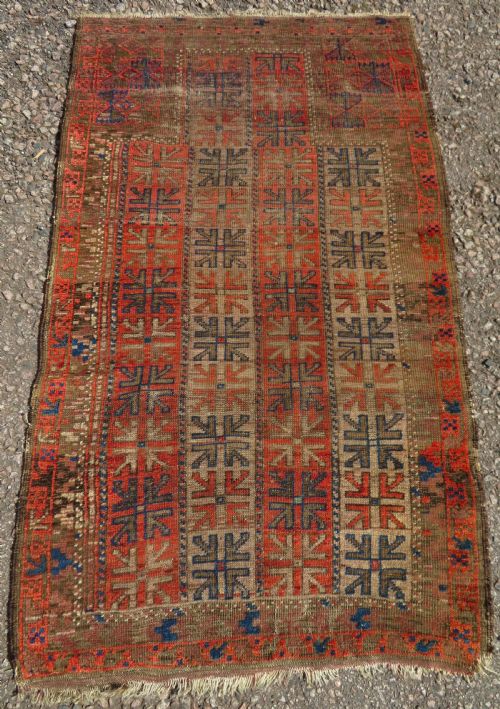


Rustic Tribal Carpet
A rustic tribal carpet brings nomadic character and rich geometric motifs into a room, offering genuine texture from the nineteenth and early twentieth centuries.
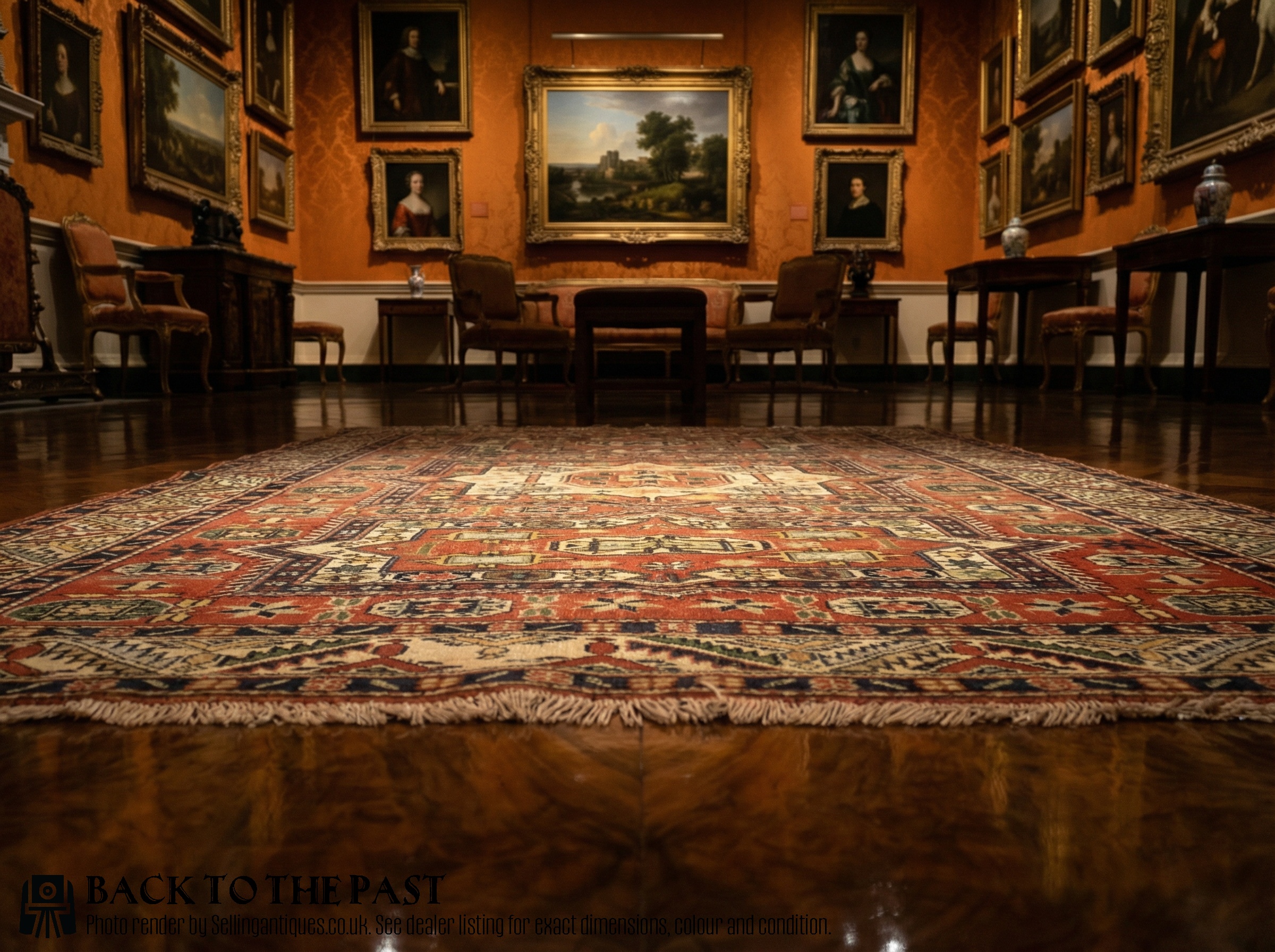
Rustic Tribal Carpet
A rustic tribal carpet encompasses hand-knotted and flatwoven floor coverings produced by village weavers and nomadic groups across Persia, Anatolia, and the Caucasus. When searching for a rustic tribal carpet, buyers encounter formats ranging from small prayer rugs and long runners to room-sized carpets.
The selections span production periods from the mid-nineteenth century through the 1930s, reflecting traditional regional weaving habits. Common tribal forms include Heriz, Baluch, Kurdish, Shiraz, and Kazak pieces that prioritize geometric expression over courtly precision.
Village and nomadic textiles often utilise heavy wool piles and sturdy foundations, serving practical domestic roles in tent or rural dwellings. These pieces bridge utilitarian function and bold aesthetic expression through enduring village designs.
Assessing quality in village weaving
Quality separates through the integrity of the wool, the handle of the pile, and the precision or boldness of the tribal design. Tightly beaten wefts and secure original selvedges indicate careful regional production.
The vibrancy and depth of the wool contribute heavily to a piece's presence, where natural variations in dye lots create visual movement. Superior examples maintain structural soundness despite the natural wear expected from genuine village use.
Listings feature wool, cotton, and camel wool materials across Persian, Anatolian, and Caucasian tribal styles dating from 1850 to 1930.
The Rustic Tribal Carpet Glossary
- Kelim
- A flatwoven textile produced without a pile, commonly associated with Anatolian and Turkish village traditions. These lightweight pieces served multiple domestic purposes.
- Warp
- The stationary vertical threads stretched onto a loom that form the structural foundation of a rug. The fringe typically consists of these extended warp threads.
- Medallion
- A central ornamental design motif placed in the field of a carpet, frequently seen in Heriz and Persian village rugs. It anchors the geometric symmetry of the composition.
- Prayer rug
- A small rug featuring a mihrab or niche design used by Muslims for daily prayer. Baluch weavers frequently produced distinctive prayer formats.
Rustic Tribal Carpet: Frequently Asked Questions
How do I identify a tribal rug?
Tribal rugs display geometric motifs, asymmetrical village designs, and robust wool handles rather than refined courtly curves.
They reflect the regional traditions and nomadic lifestyles of their makers across Persia, Anatolia, and the Caucasus.
Where were these carpets made?
These textiles originate from village workshops and nomadic camps in regions such as Heriz, Kurdistan, Shiraz, and the Caucasus.
Local weavers utilised materials readily available to them, including hand-spun wool and occasionally camel wool.
Are runners common in tribal weaves?
Long runner formats appear frequently among nineteenth and early twentieth-century village productions, particularly from Heriz and Kurdish regions.
Weavers fashioned these narrow formats for hallways and corridors within traditional homes.
How should I care for an old wool rug?
Protect wool pile carpets by vacuuming gently without a rotating brush roll and placing a breathable underlay beneath.
Keep them out of direct sunlight to preserve the natural dyed tones of the wool.