








Rustic Timber Wall Hanging
A rustic timber wall hanging brings genuine history and character straight onto any blank wall with simple, honest materials.
Rustic Timber Wall Hanging
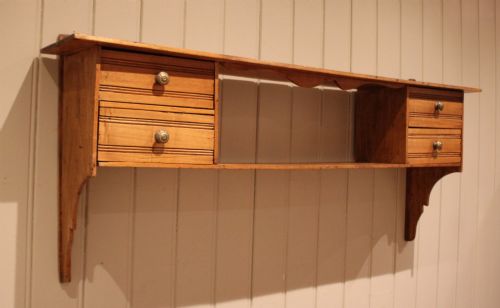
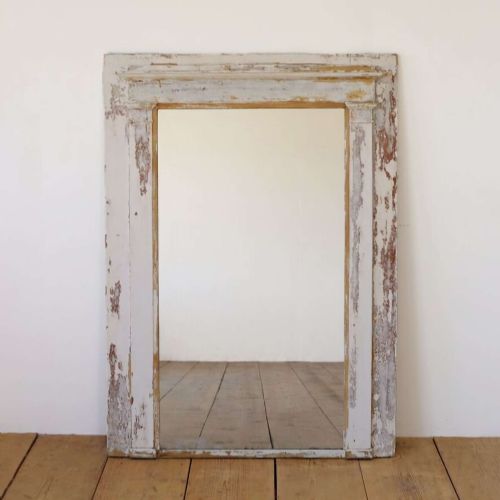
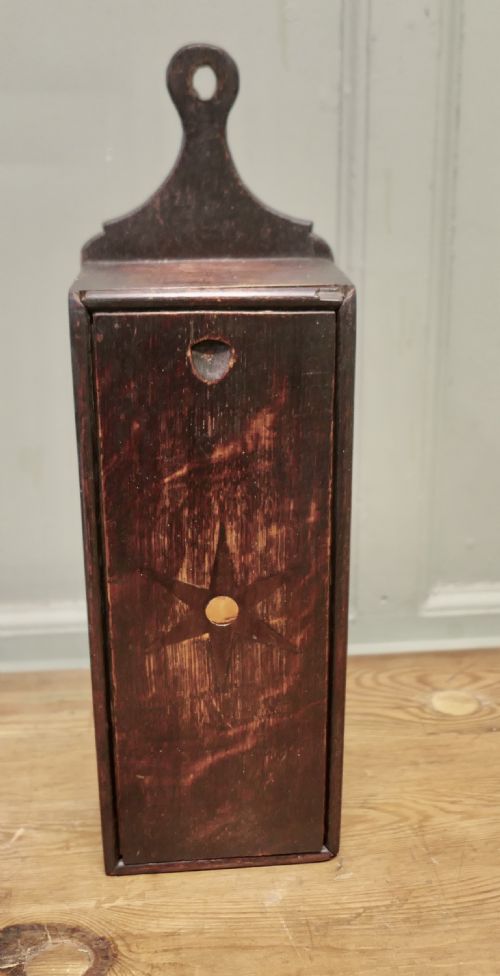
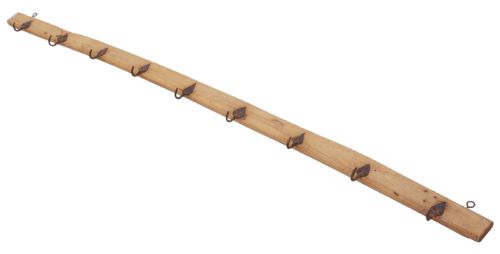
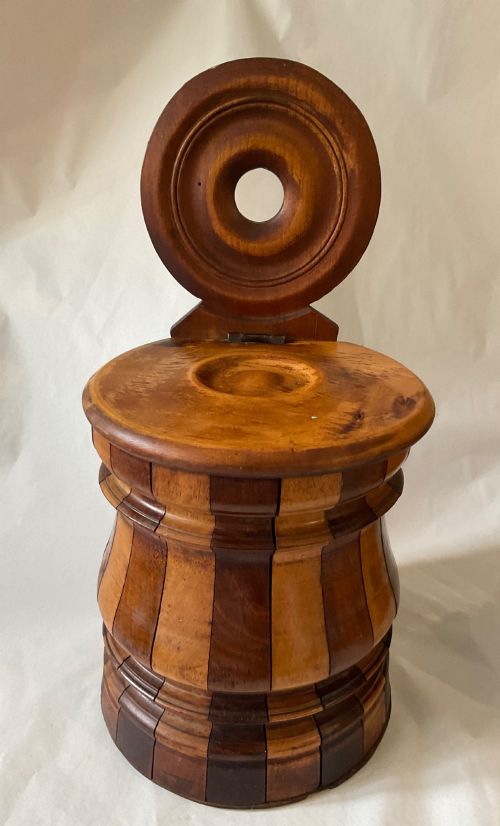
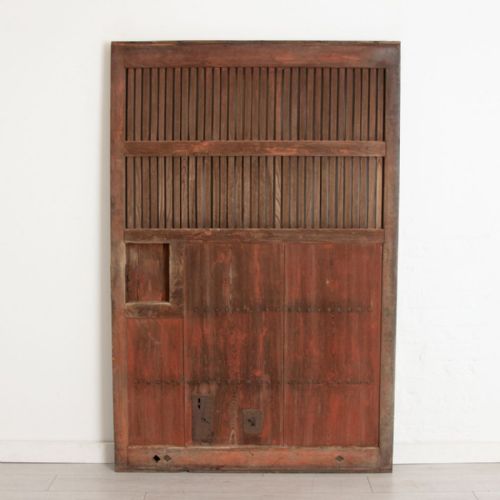
A rustic timber wall hanging encompasses a diverse range of functional and decorative items designed to be mounted on walls, spanning from the seventeenth century through to the early twentieth century. When searching for a rustic timber wall hanging, you will encounter practical household items such as salt boxes, candle boxes, and game hook racks alongside architectural elements.
The selection on this page draws from varied origins, featuring pieces styled in Georgian, Victorian Country, Primitive Folk Art, and French Provincial traditions. You are most likely to meet oak and pine storage forms, mirrors, and painted signs that reflect utilitarian rural life across different eras.
Materials and Construction
Makers utilised solid timbers such as oak, elm, pine, and fruitwood, often shaping them with hand tools to create sturdy cupboards, panels, and boards. Joinery relied on traditional pegging and simplistic panel construction suited to daily domestic or agricultural labour.
Metal components like wrought iron and brass frequently appear as structural hinges, game hooks, or hanging brackets, paired sometimes with painted surfaces to mark utility or signage.
Rustic Timber Wall Hanging Retail Price Guide 2026
Typical asking prices for rustic timber wall hanging among the pieces listed under this phrase on Sellingantiques today, from the lower quarter to the upper quarter. They describe what is for sale here now, not the wider market.
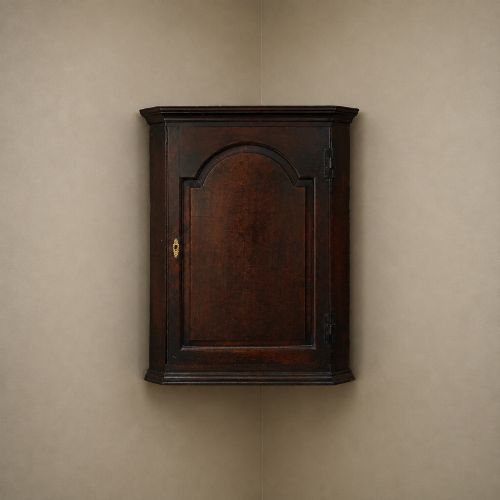
The selection includes utilitarian objects like game hook racks and threshing boards alongside refined Georgian corner cupboards.
Judging Quality and Character
Quality in these pieces rests in the integrity of the original timber and the honesty of its patina rather than pristine factory finish. Traces of historical wear, tool marks, and unpretentious surface textures distinguish superior examples from later reproductions.
Structural proportion and the retention of original ironmongery or paint layers elevate particular items, such as untouched salt boxes or early carved panels, far above standard utilitarian survivals.
The Rustic Timber Wall Hanging Glossary
- Salt box
- A wall-mounted wooden container with a hinged lid, historically utilised in kitchens to keep salt dry. These items often feature a high backboard with a hanging hole.
- Game hook rack
- A wooden rail set with metal hooks, employed for hanging game birds or kitchen utensils in country houses. They display practical rural craftsmanship.
- Corner cupboard
- A triangular cabinet designed to fit neatly into the corner of a room, saving floor space while providing secure wall storage. Many examples date from the Georgian period.
- Patina
- The surface sheen and colour developed by wood and metal over centuries of handling, cleaning, and exposure to light. A rich patina indicates genuine age.
- Primitive
- A descriptive term for objects made by self-taught makers or rural craftspeople, prioritising direct utility over formal academic design.
Rustic Timber Wall Hanging: Frequently Asked Questions
What is a rustic timber wall hanging?
These pieces are historical wooden items made for domestic or agricultural use, adapted or originally designed for mounting on walls. They include cupboards, salt boxes, racks, and architectural panels.
They offer a direct connection to past trades and rural life, bringing textured timber and aged patination into modern interiors.
How were salt boxes used?
Salt boxes were staple kitchen fixtures hung near the hearth to keep coarse cooking salt dry and accessible. Their lidded designs protected the contents from dampness and pests.
Today, they serve as compact wall storage or decorative displays that highlight historical kitchen habits.
Can I date these items by the wood?
Wood species alone do not provide a definitive date, as oak and pine were utilised across multiple centuries. Examining tool marks, joinery methods, and iron fixings helps narrow down the period.
Comparing the construction style to known examples from the Georgian or Victorian eras offers reliable clues to an item's age.
How do I care for old wood?
Keep wooden pieces away from direct heat sources and extreme humidity fluctuations to prevent splitting or warping. Dust gently with a dry or slightly damp cloth without applying modern chemical polishes.
Allowing the natural surface to breathe preserves the historical patina accumulated over generations.