







Rustic Timber Doors
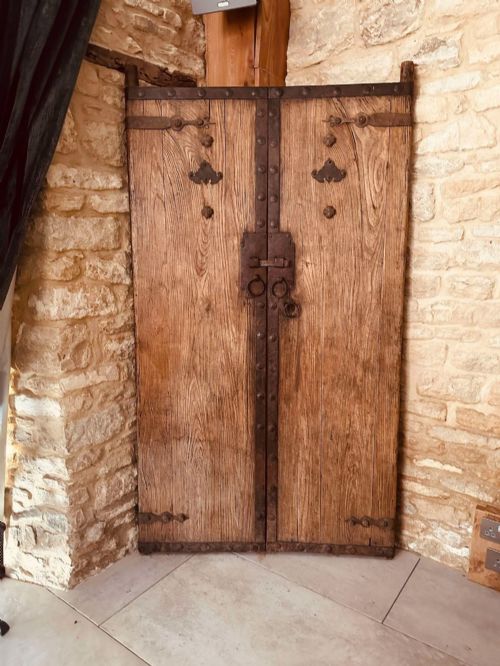
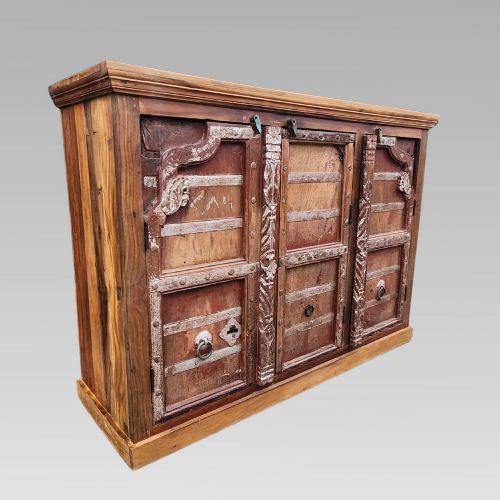
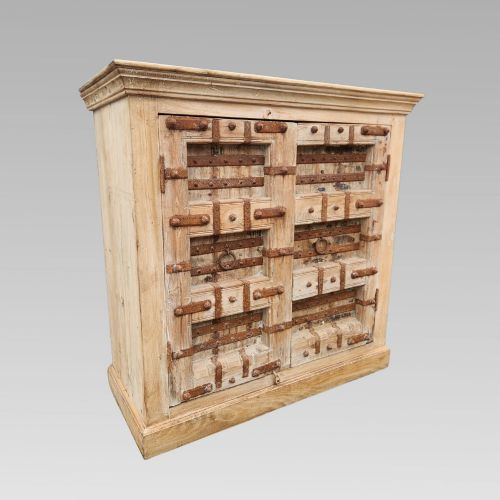
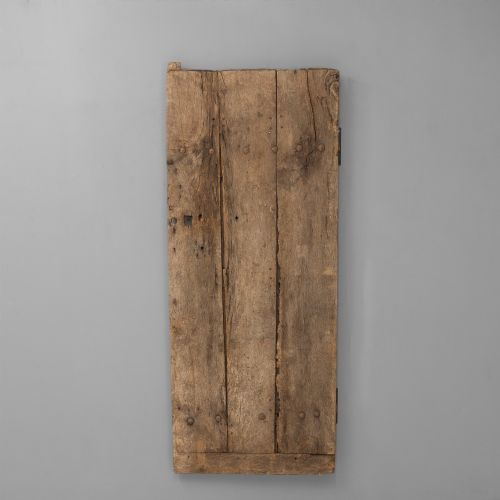
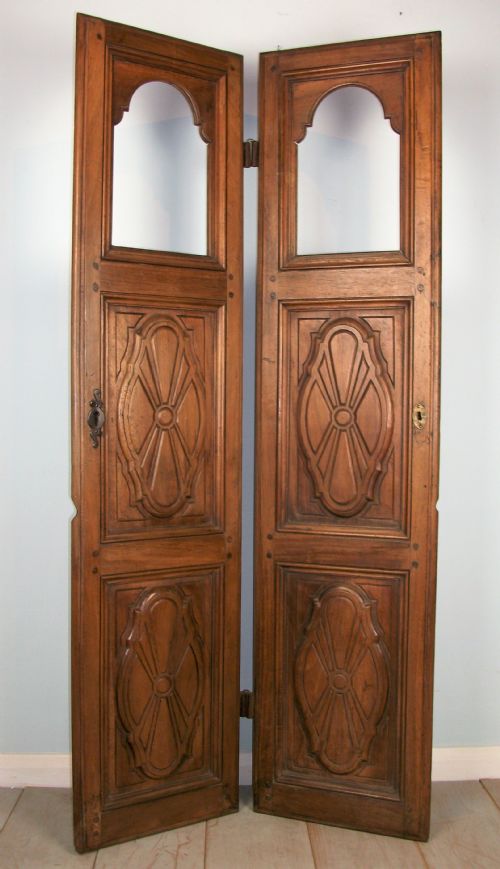
These rustic timber doors bring solid character and heavy grain to a room, offering genuine architectural weight from various global traditions.
Rustic Timber Doors
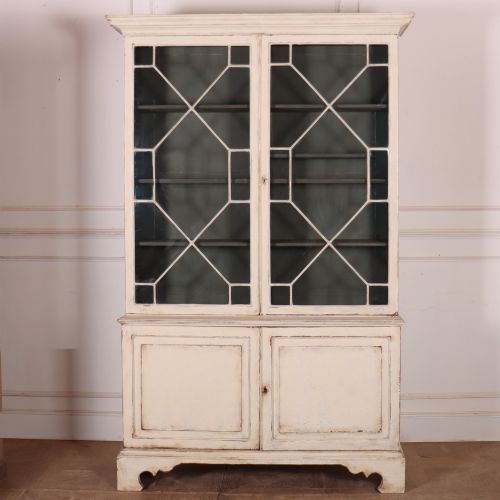
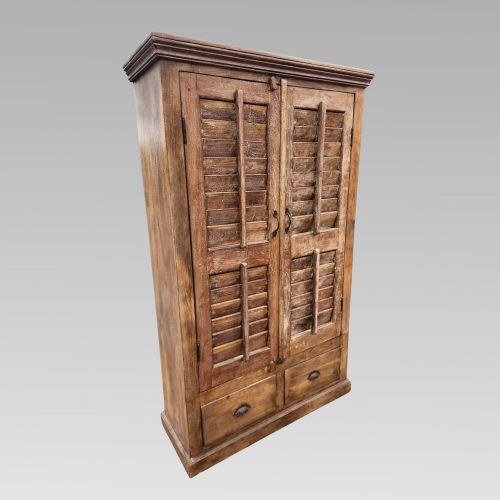
When searching for rustic timber doors, buyers encounter sturdy architectural salvage and substantial storage pieces incorporating heavy panels, sometimes listed alongside related items like cupboards and armoires. These pieces span multiple centuries, ranging from eighteenth-century European panels to early twentieth-century examples.
Materials and construction methods
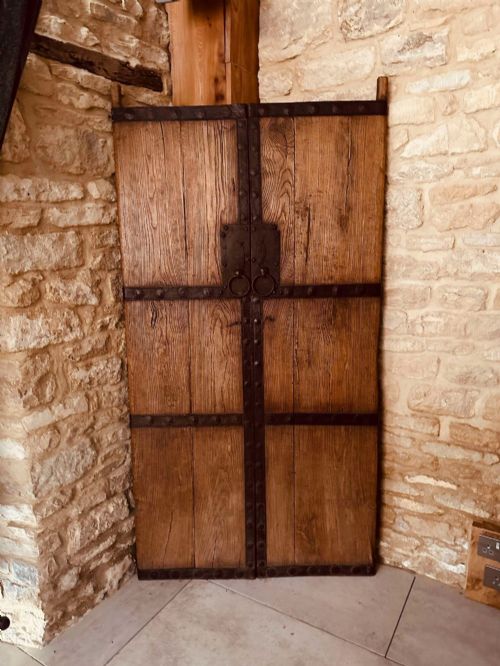
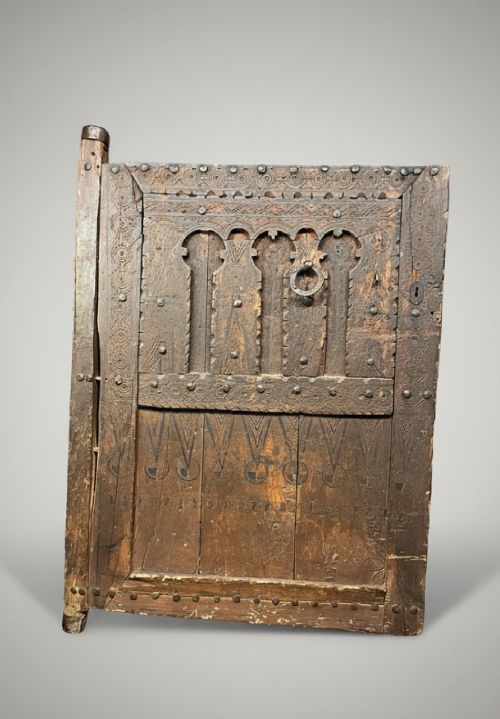
Carpenters relied on dense hardwoods and softwoods such as oak, pine, cherrywood, and teak, often joining heavy planks with traditional pegged mortise and tenon joints. Iron and brass hardware, including studs and hinges, provided structural reinforcement alongside original painted finishes.
Surfaces frequently display the marks of hand tools, adzed textures, and layers of historic paint or bleached patination. Construction focused on durability, utilising thick timber sections designed to withstand heavy daily use in domestic or storehouse settings.
Rustic Timber Doors Retail Price Guide 2026
Typical asking prices for rustic timber doors among the pieces listed under this phrase on Sellingantiques today, from the lower quarter to the upper quarter. They describe what is for sale here now, not the wider market.
Some doors arrive bearing decades of historic paint layers and heavy iron studs, having previously secured everything from French armoires to Japanese storehouses.
Evaluating construction and finish
Distinction across the range lies in the integrity of the timber framing and the preservation of original surfaces, such as polychrome paint or weathered patination. Heavier gauge woods and intact original ironwork distinguish substantial architectural elements from lighter decorative items.
The clarity of regional joinery traditions and the depth of natural grain determine the visual weight of each piece. Surviving hardware and untouched structural timber separate standard utility items from more sculptural examples.
The Rustic Timber Doors Glossary
- Architectural salvage
- Building elements removed from older structures for reuse in interior design. These items preserve historical craftsmanship and material quality.
- Mortise and tenon
- A traditional woodworking joint where a projecting tongue fits snugly into a matching cavity. This method ensures lasting structural strength without relying on modern fasteners.
- Polychrome
- Decorated in multiple colours, often found on historic painted furniture and architectural woodwork. This finish adds vibrant surface pattern to natural timber.
- Armoire
- A large freestanding cupboard or wardrobe used for storing garments. Traditional versions feature heavy panelled doors and substantial cornice mouldings.
- Provenance
- The documented history or geographic origin of an antique object. Knowing the background helps identify regional woodworking styles.
Rustic Timber Doors: Frequently Asked Questions
What maintenance do antique timber surfaces require?
Historic wood benefits from occasional application of breathable waxes or natural oils to prevent the grain from drying out. Avoiding direct heat sources helps preserve original painted finishes.
Gentle dusting with a dry cloth maintains the surface patina without disturbing historic layers of paint or wax.
How do I identify the wood species?
Grain pattern, weight, and colour typically reveal whether a piece is made from dense oak, resinous pine, or heavy tropical teak. Closer inspection of surface knots and growth rings provides further clues.
Regional context also aids identification, as local workshops utilised the timber most readily available in their surrounding forests or trade routes.
Can these doors be resized to fit a standard frame?
Altering historic timber requires careful evaluation by a specialist joiner to preserve the structural integrity of the frame and panel assembly. Trimming ancient wood can compromise pegged joints and original proportions.
Most buyers prefer to adapt the opening in the wall rather than cut down the antique timber itself.