




Rustic Timber Box
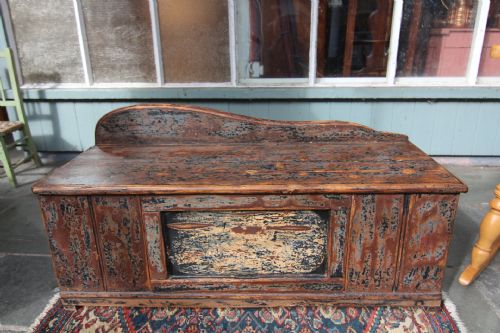
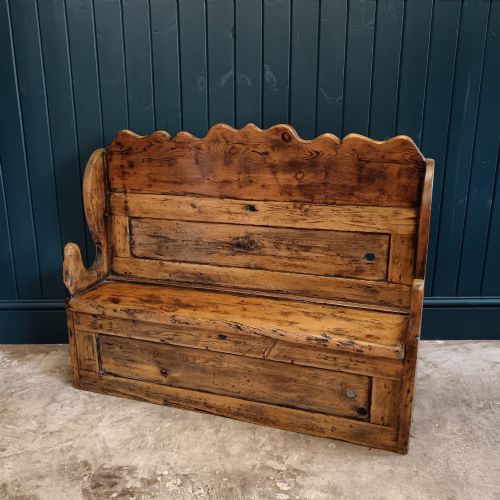
A rustic timber box brings genuine utility and age-worn character into a room, spanning simple pine trunks to substantial elm coffers.
Rustic Timber Box
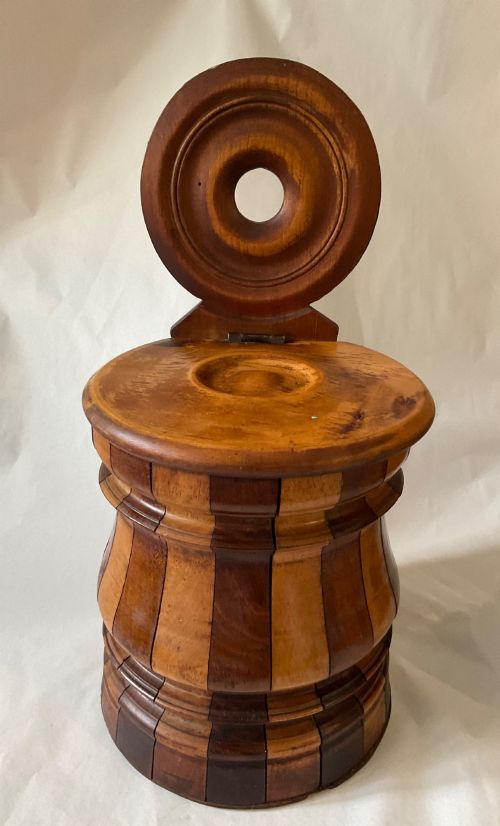
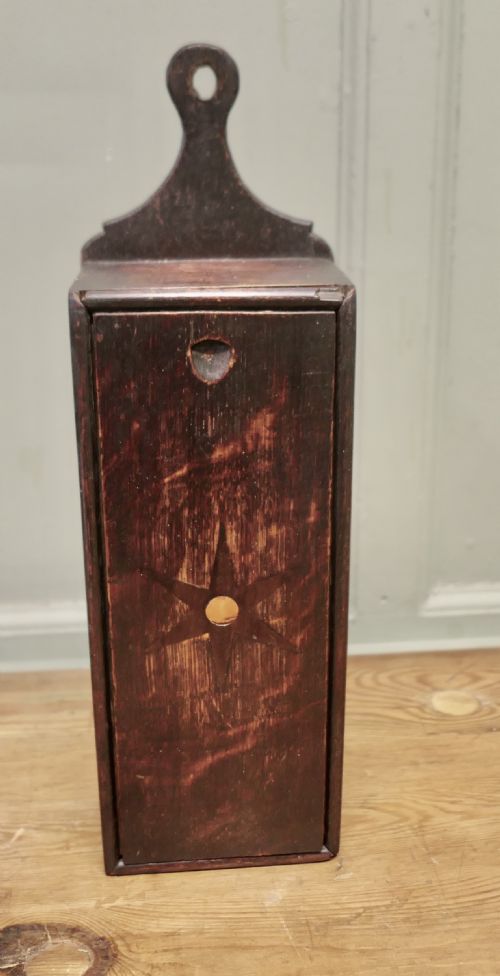
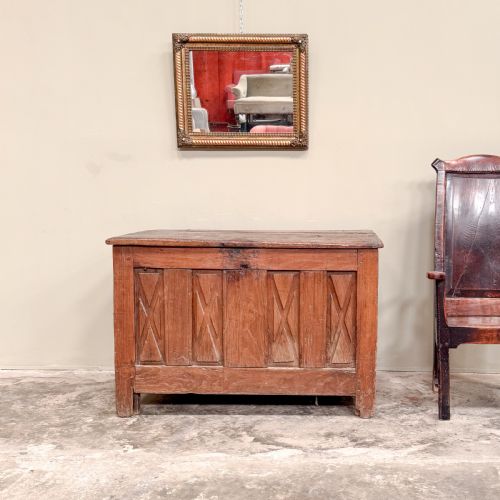
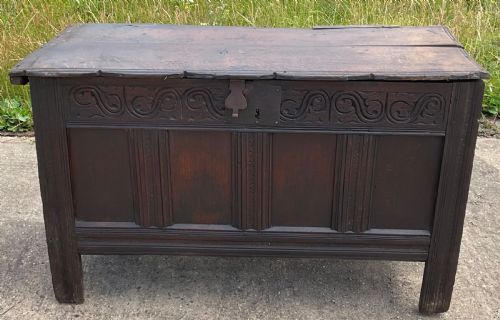
A rustic timber box encompasses utilitarian storage forms such as blanket chests, dough bins, salt boxes, and dowry coffers made for everyday domestic use. These pieces emerge from periods ranging from the seventeenth century through to the early twentieth century, reflecting the practical needs of rural households.
Pine and elm form the backbone of these selections, often shaped into simple six-plank construction or substantial joined chests. Buyers encounter provincial items originating from British, French, Scandinavian, and wider international workshops.
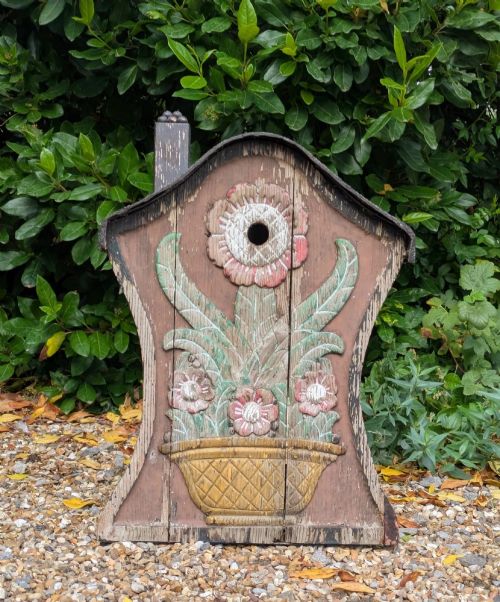
The aesthetic leans towards honest construction, visible grain, and patinated surfaces rather than high-style cabinet making. Many items display traces of original paint or folk art decoration applied by past owners.
Materials and construction methods
Makers relied on locally available timber such as solid oak, elm, pine, and walnut, selecting boards for durability and utility. Thick planks were joined using simple dovetails, pegged mortise and tenon joints, or basic butt joints secured with hand-forged iron nails.
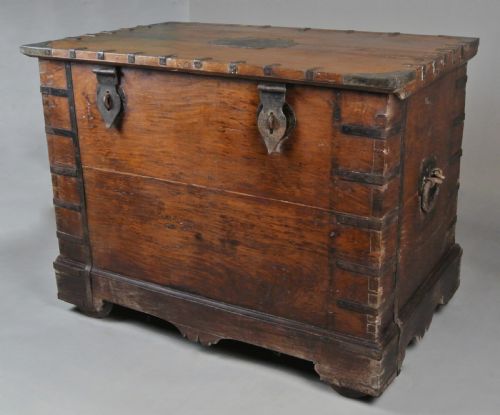
Wrought iron reinforcement appears on heavy trunks and dowry chests, utilising strap hinges, corner brackets, and robust locks to withstand rigorous daily handling. Surfaces were often left unfinished to weather naturally, or protected with layers of historic paint and grain painting.
Distinguishing quality in rustic timber
Quality rests in the integrity of the original construction and the survival of an untouched surface patina. Pieces retaining their original ironmongery, baseboards, and historical paint finishes hold greater authenticity than those altered or stripped down over time.
The balance of proportions and the honesty of wear distinguish superior vernacular pieces from lesser examples. Heavier woods like elm and oak, combined with competent vernacular joinery, separate robust utilitarian containers from decorative imitations.
The Rustic Timber Box Glossary
- Coffer
- A heavy wooden chest traditionally used for storing valuables or documents. These sturdy containers often feature robust lids and simple internal compartments.
- Dough bin
- A specialised trough or box designed for kneading and proving bread dough. They frequently sit on integrated stands or benches and reflect rural domestic life.
- Six-plank
- A primitive construction method utilising six individual boards joined at the edges to form a rectangular chest. This technique represents early vernacular furniture making.
- Dowry chest
- A large storage box commissioned to hold a bride's household linen and possessions. These pieces often feature iron mounts and regional decorative touches.
- Patina
- The surface sheen and colour developed through years of handling, polishing, and natural ageing. It serves as a key indicator of genuine antique age.
Rustic Timber Box: Frequently Asked Questions
How do I use a rustic timber box at home?
These boxes function effectively as blanket storage at the foot of a bed, or as functional coffee tables in a living room. Their internal capacity makes them practical for hiding everyday clutter while adding historic texture to a space.
Smaller examples like salt boxes and wall-hanging containers suit kitchen use for holding dry goods or small utensils. Placing them in hallways provides convenient drop zones for shoes and accessories.
How can I tell pine from elm on these boxes?
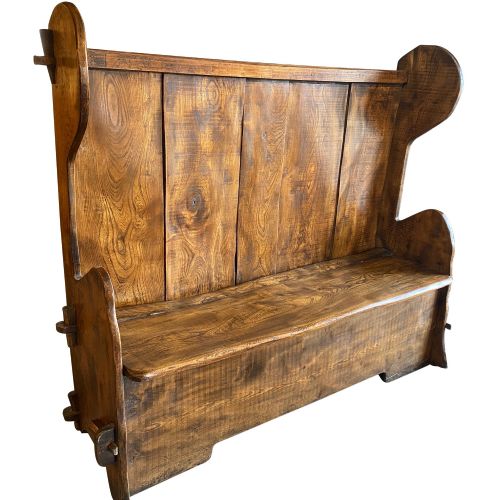
Pine displays a softer, lighter grain with distinct growth rings and occasional knot clusters, making it common in Scandinavian and regional European painted pieces. Elm offers a dense, interlocking grain with a distinctive reddish-brown tone and high durability, frequently chosen for heavy-use items like dough bins and benches.
Examining the weight and tactile feel of the timber clarifies the specific wood used.
Are painted finishes on these boxes original?
Historic painted surfaces often survive through layers of grain painting, folk art motifs, or simple washes applied during the nineteenth century. Close inspection reveals craquelure, wear patterns matching the age of the wood, and natural pigment fading consistent with historic use.
Later repainting generally exhibits a uniform appearance without the integration into the underlying timber fibres seen on genuine period surfaces.