


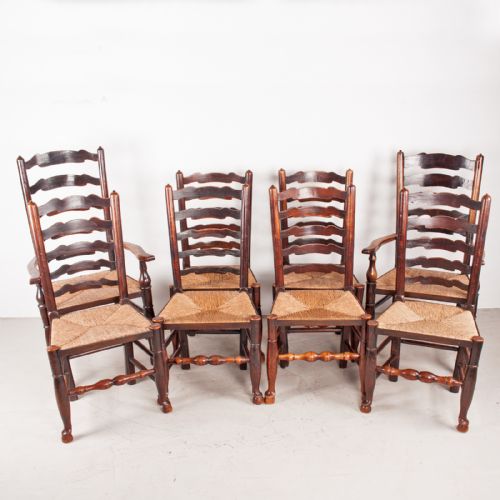


Rustic Rush Seat Carver
A rustic rush seat carver brings honest vernacular form and tactile woven texture into a modern interior.
Rustic Rush Seat Carver
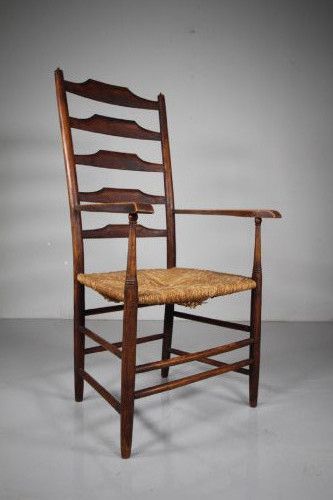
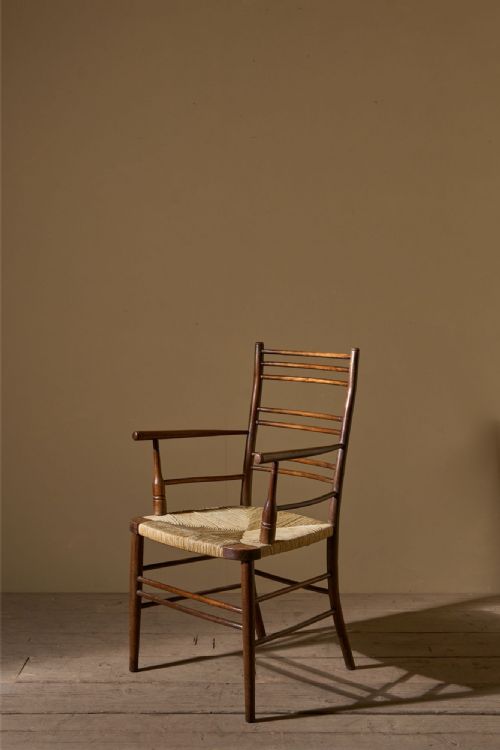
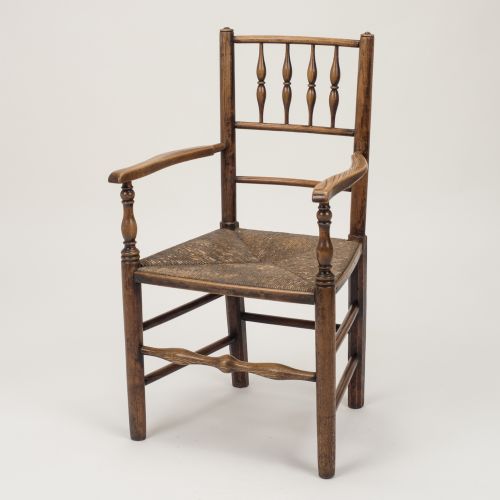
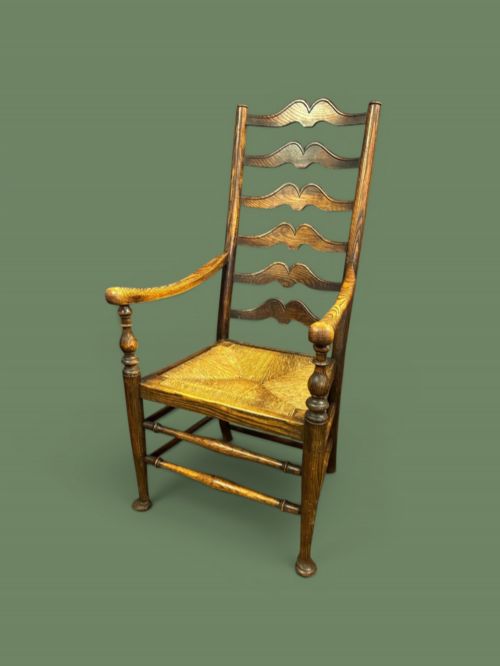
A rustic rush seat carver is a traditional armchair defined by its woven seating and robust country construction. These chairs emerge from various periods including the eighteenth century, Georgian era, nineteenth century, Victorian period, and early twentieth century.
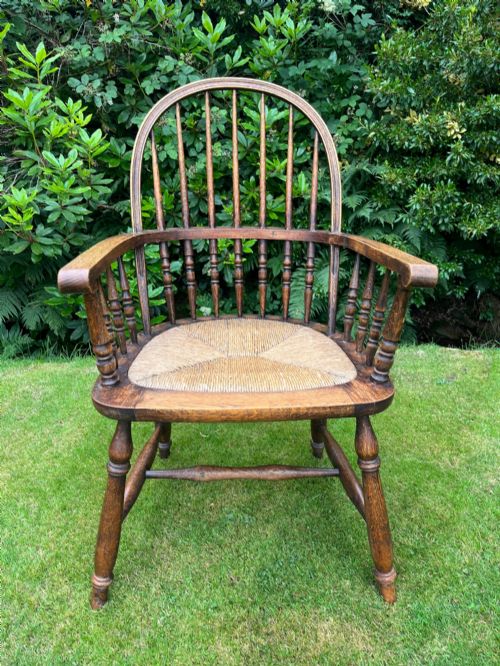
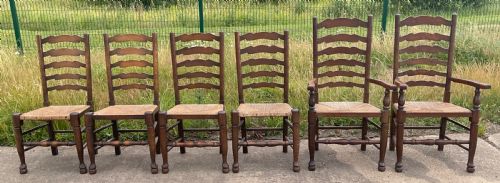
Makers shaped these armchairs within domestic and regional vernacular traditions, often employing ladderback, spindleback, or Windsor frameworks. The forms span English country styles, Arts and Crafts designs, rustic farmhouse iterations, and French Louis XV styles.
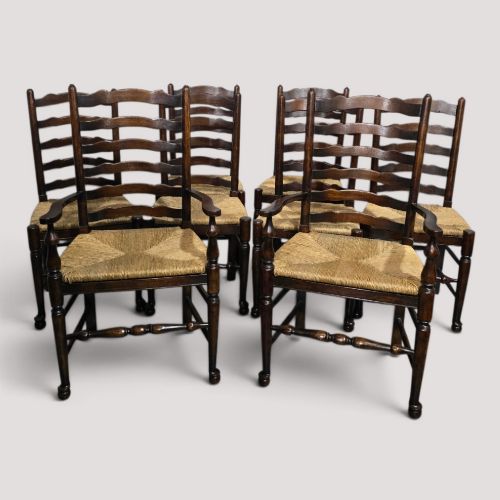
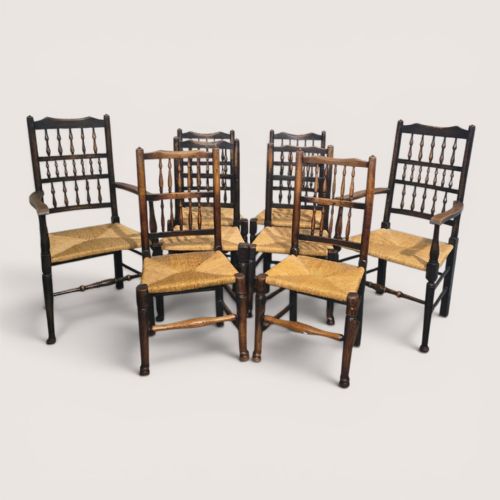
Buyers encounter single armchairs, pairs, and matched or harlequin sets alongside larger dining groupings. The primary varieties feature open arms designed for comfort at the head of a table or beside a hearth.
Materials and construction
Craftsmen utilised native hardwoods such as oak, elm, ash, beech, and fruitwood to build sturdy timber frames. Turnery and steam bending shaped the uprights, spindles, and ladder backs.
Seats were hand-woven using natural rush material, creating a resilient and textured platform. Traditional joinery secured the components without relying on modern hardware.
Listings feature woods including oak, elm, ash, beech, and fruitwood paired with natural rush.
Assessing quality
Quality rests in the integrity of the timber frame and the tightness of the rush weaving. Heavier, solid construction with well-turned spindles indicates superior regional craftsmanship.
The harmony of proportion between the arms, uprights, and seat height distinguishes finer vernacular pieces from simpler utility seating.
Philip Clissett
The Rustic Rush Seat Carver Glossary
- Carver
- An armchair, usually designed to match a set of dining chairs and placed at the table end. These pieces feature supportive armrests integrated into the framework.
- Rush
- A natural seating material woven from marsh plants over a timber frame. This provides a resilient and tactile surface that wears gracefully over decades.
- Ladderback
- A chair back constructed with horizontal slats or rails between the vertical rear posts. This style appears frequently in traditional country seating.
- Spindleback
- A chair back featuring a series of thin, turned vertical wooden rods. These components offer lightweight strength to the upper frame.
- Vernacular
- Architecture and furniture made by local craftsmen using regional traditions and native materials rather than high-style academic designs. These pieces reflect the practical needs of rural life.
Rustic Rush Seat Carver: Frequently Asked Questions
What is a rush seat carver?
A rush seat carver is an armchair featuring a woven natural rush seat and sturdy wooden framing. These pieces originate from various historical country traditions.
They serve as comfortable seating options at dining tables or as standalone accent chairs in living spaces.
How do I care for rush seats?
Natural rush requires gentle treatment and protection from excessive moisture and direct sunlight. Regular dusting keeps the woven strands clean and prevents premature drying.
Avoid sitting on damp rush to maintain the structural integrity of the natural fibres.
Are these chairs comfortable?
The woven rush conforms slightly to the user, offering a supportive surface for sitting. Generous proportions in carver models provide ample elbow room.
Adding a simple loose cushion can enhance comfort during long periods of sitting.
How do I date these chairs?
Dating relies on examining the timber species, turnery style, and construction methods used in the frame. Characteristics such as ladderback configurations and spindle details align with specific historical periods.
Comparing wear patterns and wood patination helps confirm the age of the piece.