

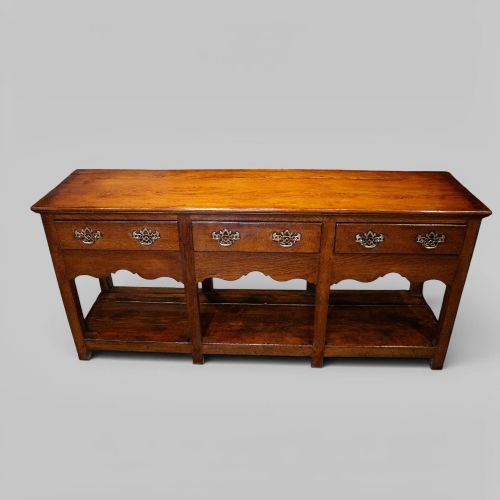

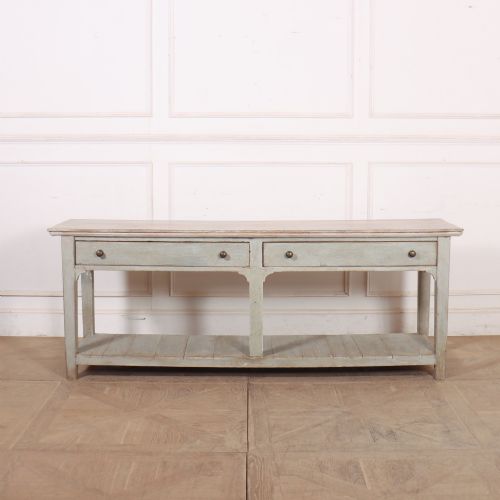
Rustic Potboard Sideboard
A rustic potboard sideboard brings honest vernacular character to a room, offering sturdy lower shelving alongside time-worn timber surfaces.
Rustic Potboard Sideboard
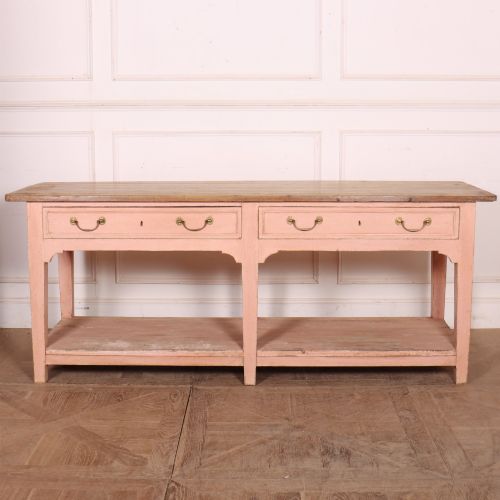
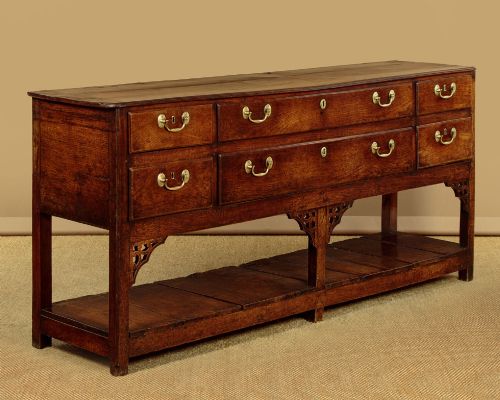
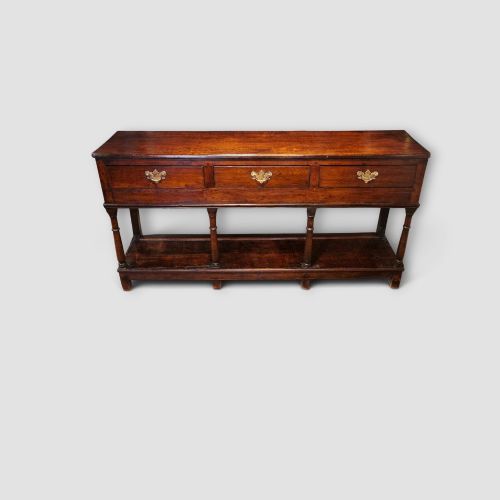
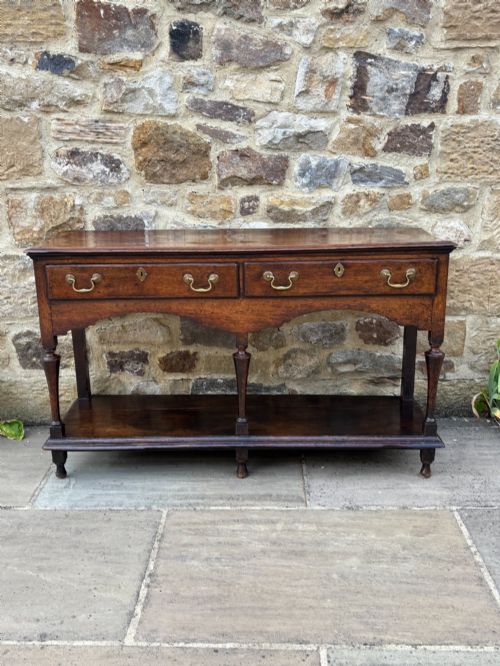
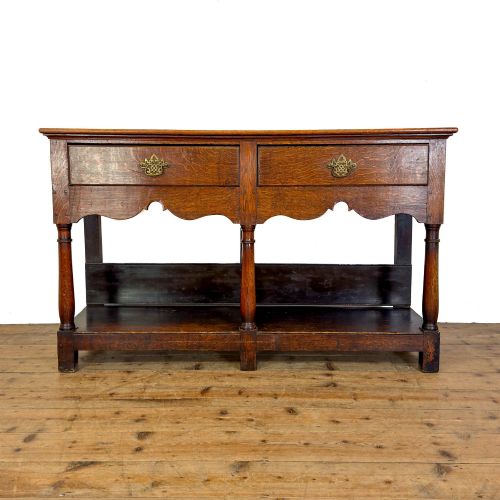
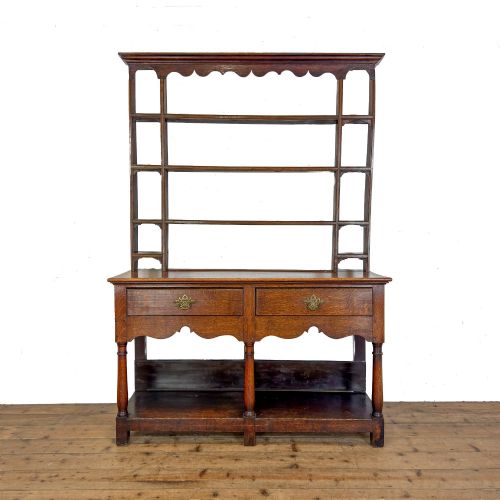
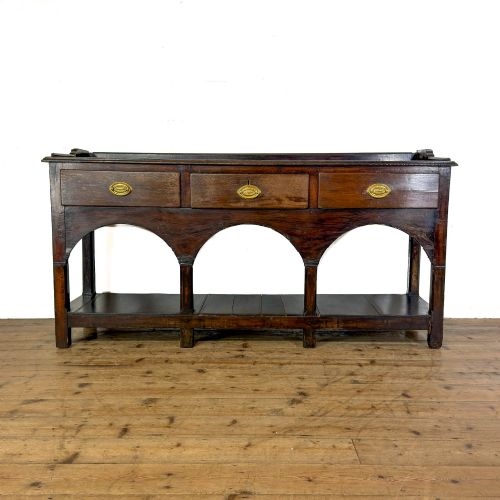
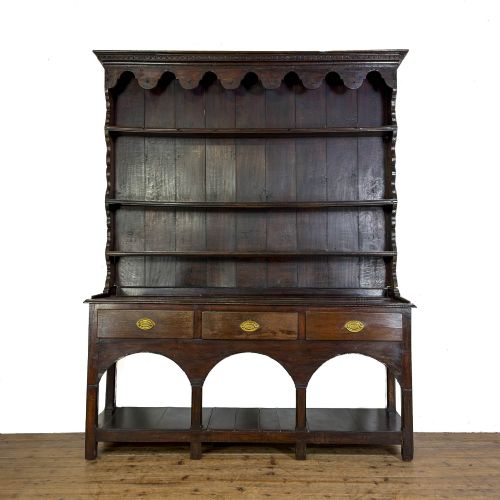
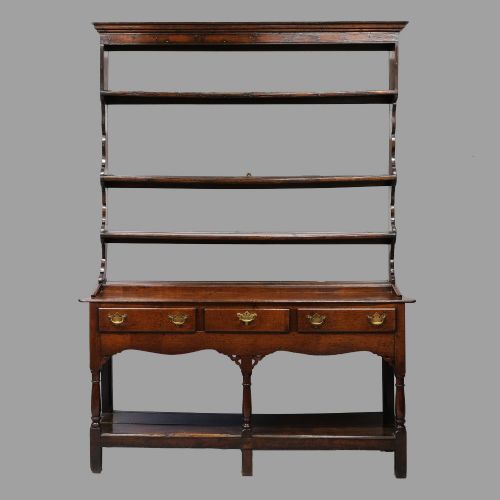
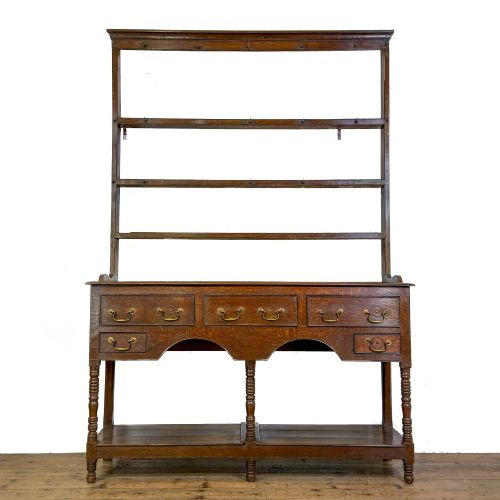
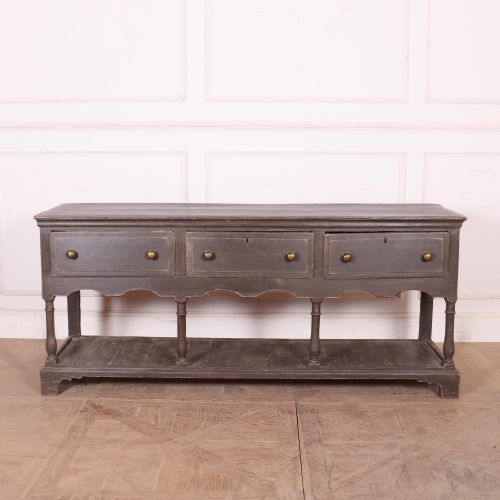
When you search for a rustic potboard sideboard, you encounter robust furniture traditionally built for country houses and farmhouses to hold daily provisions and kitchenware. These utilitarian items typically feature an open lower platform, known as a potboard, positioned beneath drawers or cupboards.
The pieces appearing here span the eighteenth and nineteenth centuries, alongside select early twentieth-century examples. You will frequently find Welsh and English regional variations constructed for domestic use in country kitchens and dining spaces.
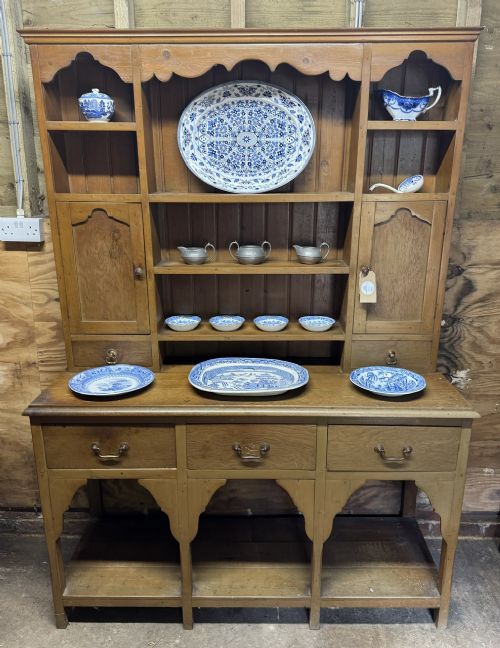
Forms range from dedicated dresser bases and serving tables to complete dressers equipped with upper racks. Oak and pine predominate, often showing generations of use through surface patination and minor regional quirks of construction.
Materials and construction methods
Carpenters relied primarily on native timbers, shaping sturdy boards of oak and pine for the main structure and incorporating elm or walnut in specific regional pieces. Painted timber and scrubbed wood surfaces reflect the practical demands of historic domestic environments.
Hardware details typically include brass or iron drawer pulls, drop handles, and occasional metal latches that secure panelled doors. Joinery methods prioritise stability and daily utility over elaborate ornamentation, utilising pegged mortise and tenon joints.
The lower potboard is fixed firmly between the lower legs to support heavy earthenware vessels, utilising thick planks designed to bear substantial weight.
Several pieces preserve stubborn traces of old kitchen flour in the deep grain of their oak drawers.
Distinctions in quality and execution
Quality rests heavily on the integrity of the timber and the honesty of the surface finish. Pieces retaining original patination, untouched scrubbed table tops, and unaltered potboards command greater appreciation from collectors.
Proportion and regional character also dictate distinction, as smaller vernacular pieces or those with unusual drawer configurations display the individuality of local country workshops.
The Rustic Potboard Sideboard Glossary
- Potboard
- An open lower shelf fitted between the legs of a dresser base or sideboard, traditionally used for storing pots and pans. This foundational tier provides structural rigidity.
- Dresser base
- The lower section of a kitchen dresser, featuring drawers and cupboards without the upper plate rack. It functions effectively as a sideboard in contemporary interiors.
- Vernacular furniture
- Domestic items built by local craftsmen using regional styles and native materials rather than adhering to formal metropolitan design rules. These pieces reveal local traditions.
- Patina
- The surface sheen and colour acquired by wood and metal over decades of handling, cleaning, and exposure to light. This finish indicates age and authenticity.
Rustic Potboard Sideboard: Frequently Asked Questions
How were potboards used historically?
Pots, pans, and heavy earthenware vessels sat directly on the lower open shelf to keep everyday kitchen utensils within easy reach of the hearth.
Over generations, this daily loading polished the timber surface through constant friction.
Are these sideboards suitable for modern kitchens?
The generous proportions and deep lower shelves make them practical for storing tableware or serving food during gatherings.
Their substantial timber construction easily accommodates modern daily demands.
How do I identify a Welsh regional piece?
Welsh examples often display specific timber choices like native oak, alongside distinct drawer arrangements and proportions characteristic of local valleys.
Regional cabinetmakers frequently utilised local woods that differed from standard English workshop practices.
What is the difference between a dresser base and a sideboard?
A dresser base originally formed the lower half of a two-part kitchen dresser, while a serving table or sideboard served dining rooms specifically.
Both types now function interchangeably in homes as sideboard surfaces.