

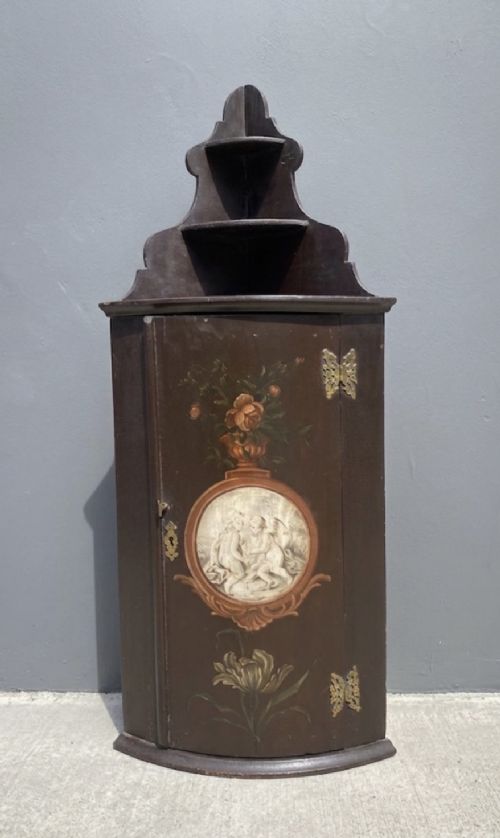


Rustic Pine Wall Cabinet
A rustic pine wall cabinet brings honest utility and warmth to a room, offering practical storage with vernacular charm.
Rustic Pine Wall Cabinet
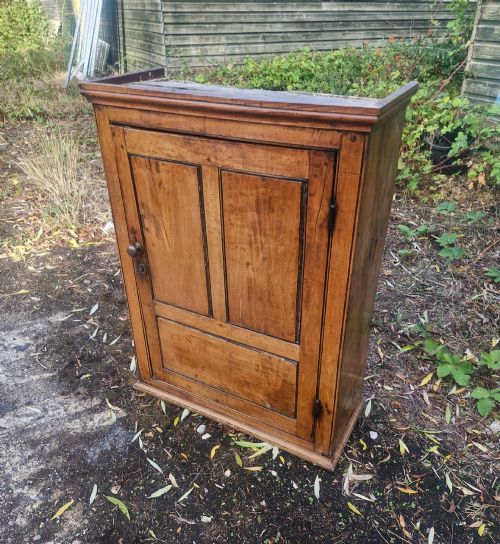
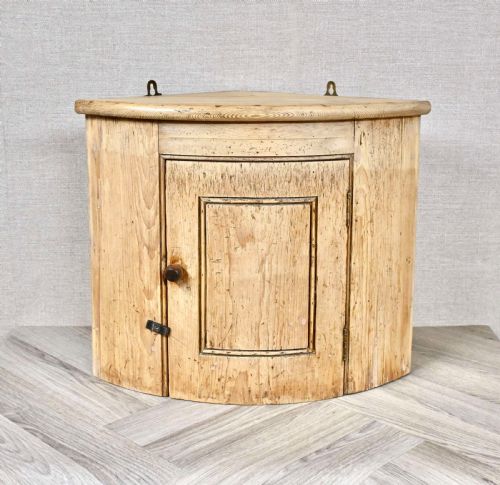
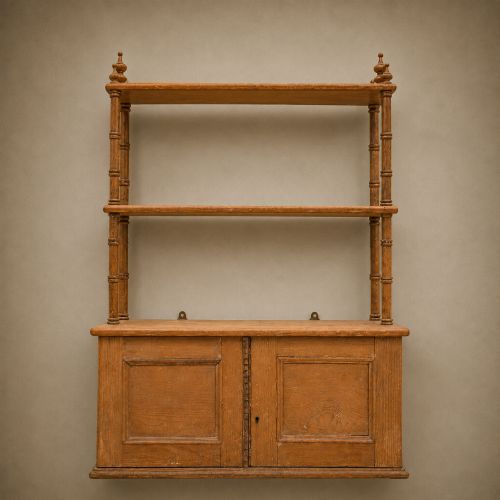
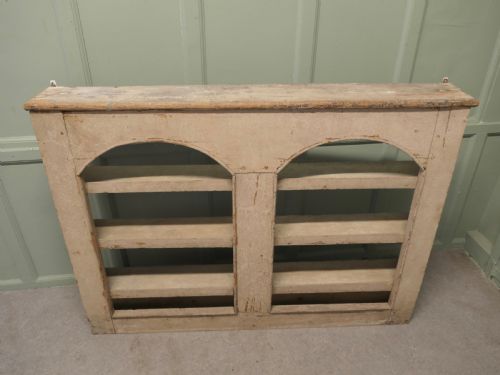
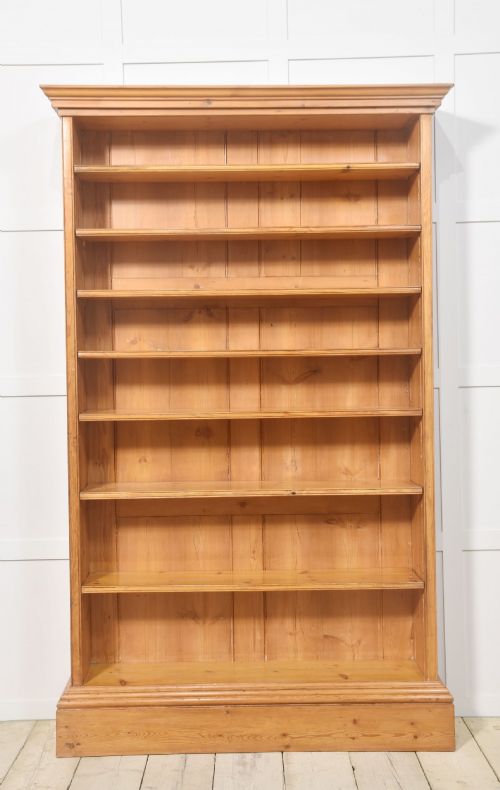
A rustic pine wall cabinet serves as a space-saving storage solution found in kitchens, hallways, and living spaces across various historical periods. These pieces range from simple open shelving units and spice boxes to enclosed cupboards with glazed or panelled doors.
Most items combine practical compartments with vernacular design, utilising straightforward joinery suited to domestic needs. Buyers encounter both stripped natural wood surfaces and pieces retaining original distemper paint or later sign-written details.
How they were made
Makers constructed these cabinets primarily using solid pine, occasionally combining oak for structural elements or internal fittings. Construction relied on traditional hand-cut joinery such as dovetails and pegged joints to ensure durability under daily use.
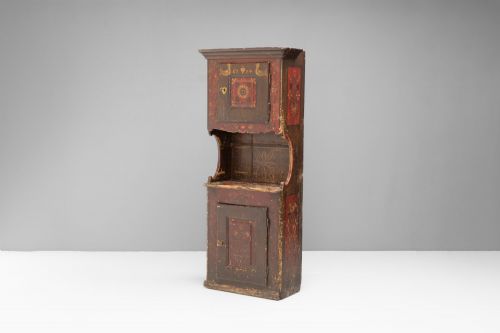
Surface finishes varied widely according to regional workshop traditions and domestic preferences. Many pieces received coats of paint or distemper, while others reveal plain timber treated with wax or left bare over centuries of use.
Hardware such as brass hinges, iron latches, and glass panes for doors were fitted to secure contents and finish the piece. These functional fixtures reflect the period of manufacture, from early forged iron hooks to later cast brass elements.
A delightfully honest vintage pine cupboard on this page proudly wears later sign-writing advertising Hovis Bread, proving furniture often doubles as local history.
What varies in quality
The distinction between standard utility pieces and finer examples rests largely in the integrity of the original construction and the survival of early surfaces. Cabinets retaining untouched original paint finishes or authentic regional characteristics command greater attention from collectors.
Proportion and balance define the visual success of vernacular furniture, where simpler joinery can be elevated by thoughtful design and pleasing proportions. The quality of timber selection, particularly tighter grain patterns in older pine, also marks out superior examples.
The Rustic Pine Wall Cabinet Glossary
- Distemper paint
- A water-based paint using a binder such as chalk and animal glue, commonly found on older country furniture. It provides a matte finish that mellows distinctively over time.
- Corner cupboard
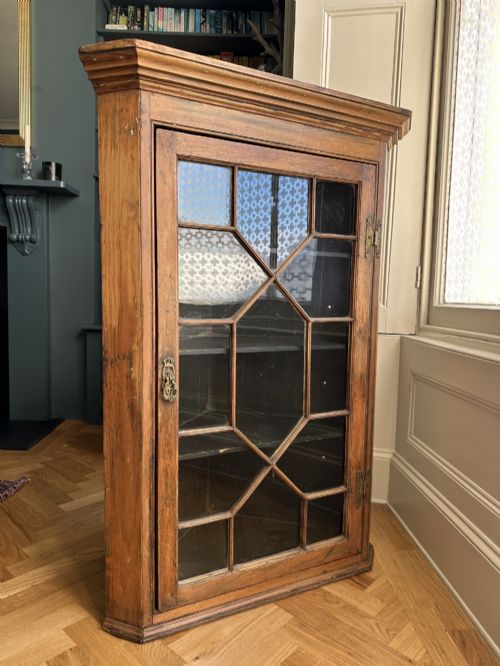
- A specialised cabinet built with an angled back to fit neatly into the corner of a room. These make efficient use of otherwise neglected architectural space.
- Spice box
- A small wall-hanging wooden box featuring multiple internal drawers or compartments for storing culinary ingredients. They often display neat miniature cabinetry work.
- Pigeon holes
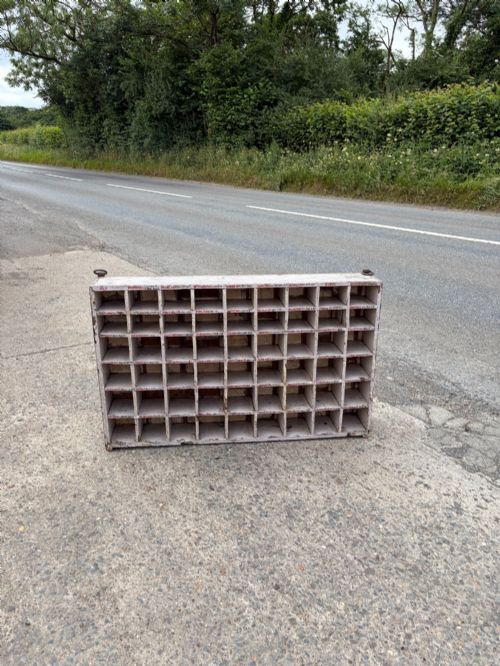
- A grid of small open compartments designed for sorting papers, letters, or small items. They appear in wall-mounted units adapted for office or domestic administration.
- Glazed door
- A door framework fitted with glass panes to display the contents within. This feature is frequently seen on corner cabinets and upper display sections.
Rustic Pine Wall Cabinet: Frequently Asked Questions
How do I hang a heavy wall cabinet safely?
Wall cabinets require secure anchoring directly into masonry or through plaster into wooden wall studs using appropriate heavy-duty fixings. Because historical mounting points may not align with modern stud spacings, a sturdy internal batten or concealed bracket system provides the safest support.
Weight distribution matters greatly with older timber furniture, so ensure the fixings bear the load evenly across the back frame. Consulting a professional installer is advisable for heavier glazed or larger solid pine cupboards.
Were these cabinets originally painted?
Many regional country pieces were painted from new using local distemper or oil-based paints to protect the softwood and brighten dark interiors. Paint finishes were frequently updated by successive generations, leading to the layered surfaces often discovered today.
Conversely, plenty of cabinets were left as bare wood or simply waxed, depending on local domestic traditions in Britain and Scandinavia. The presence of original paint significantly enhances the character and historical integrity of a piece.
Can I use a corner cupboard in a modern kitchen?
Corner cupboards adapt well to contemporary spaces by offering characterful storage that utilises awkward angles and dead corners. They suit kitchen settings for storing dry goods, glassware, or everyday ceramics while adding textural warmth.
Ensure the wall space and weight capacity suit the specific room layout before installation. Their compact footprint makes them particularly effective in smaller apartments or country-style kitchens.
How do I tell an 18th-century cabinet from a later copy?
Examination of the timber, tool marks, and construction methods reveals the age of a cabinet. 18th-century pieces often display hand-sawn board marks, irregular dovetails, and handmade iron or brass hardware appropriate to the period.
Wear patterns should align with the stated age, showing natural softening on edges and touch points. Later reproductions or provincial pieces imitating earlier styles usually betray their origins through standardised fixings and machine-cut timber.