



Rustic Pine Tallboy
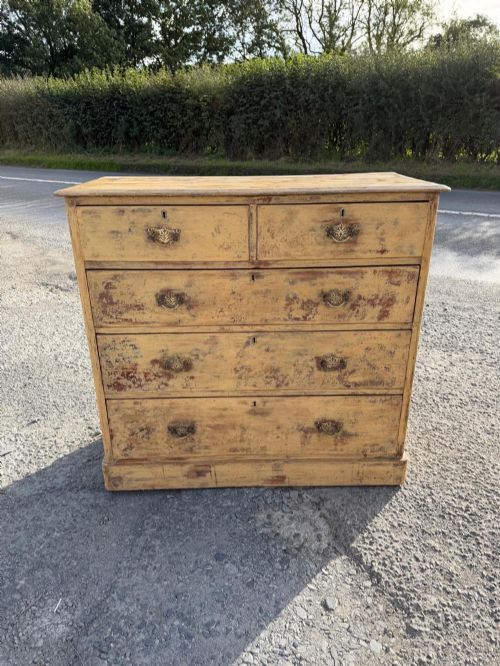
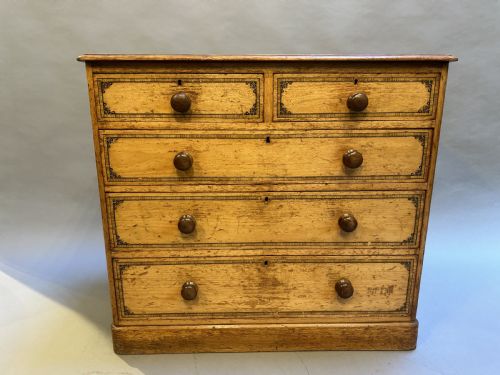
A rustic pine tallboy brings honest utility and warm grain to a room, offering generous vertical storage rooted in nineteenth-century country craftsmanship.
Rustic Pine Tallboy
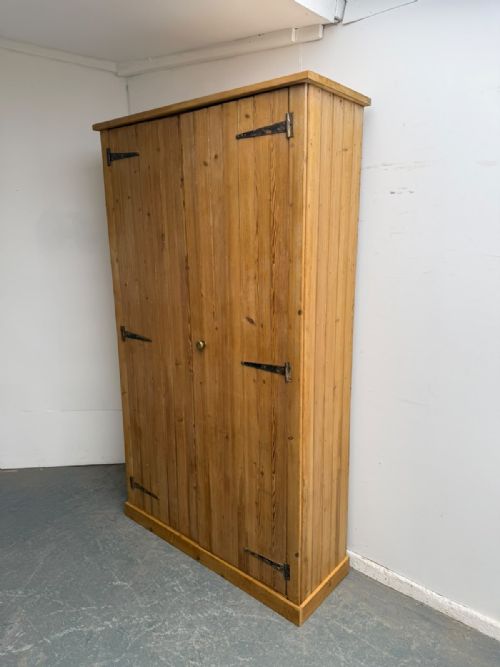
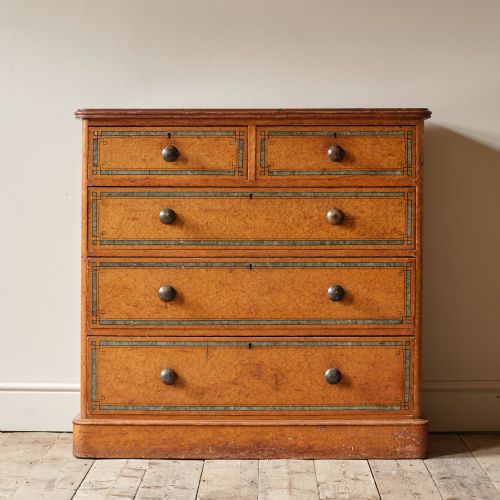
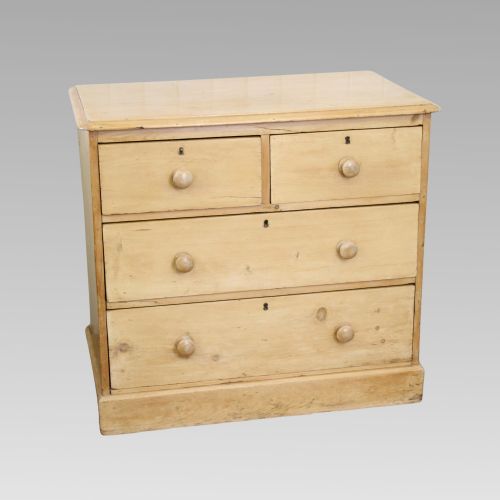
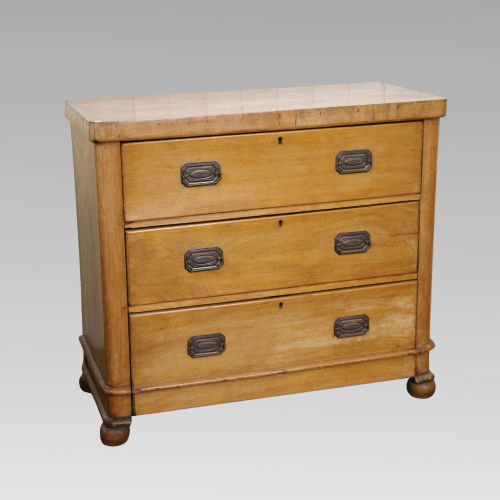
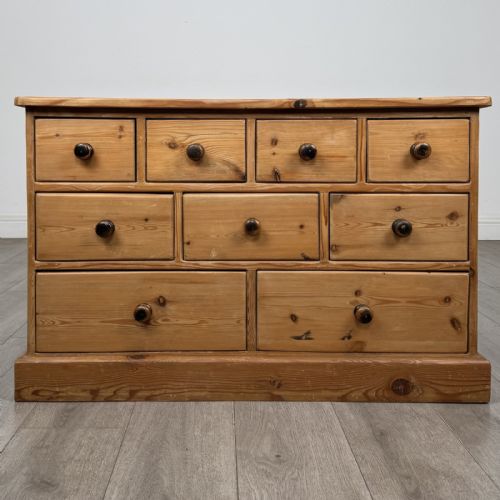
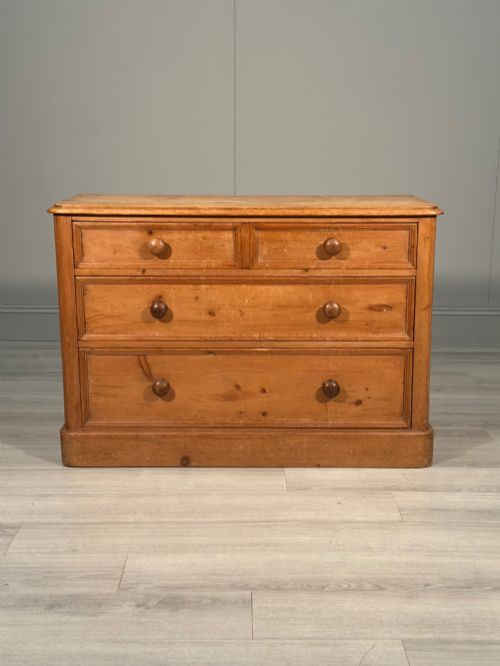
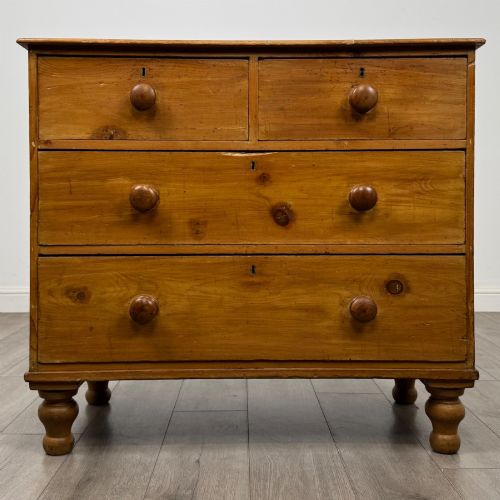
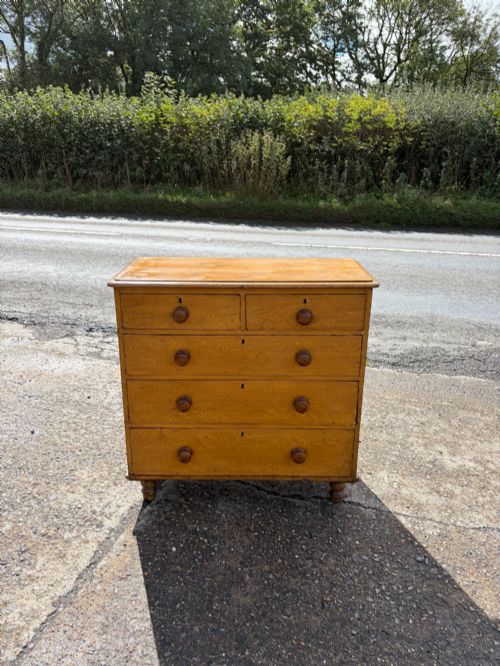
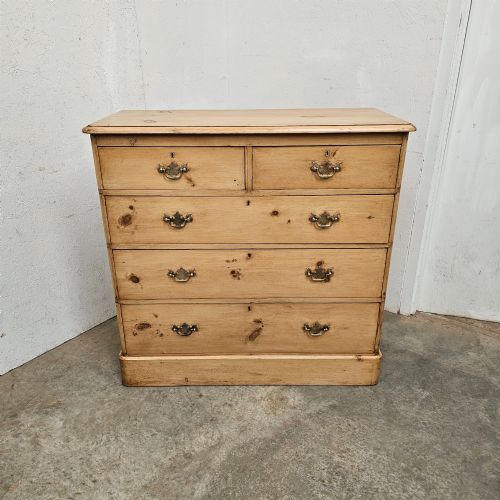
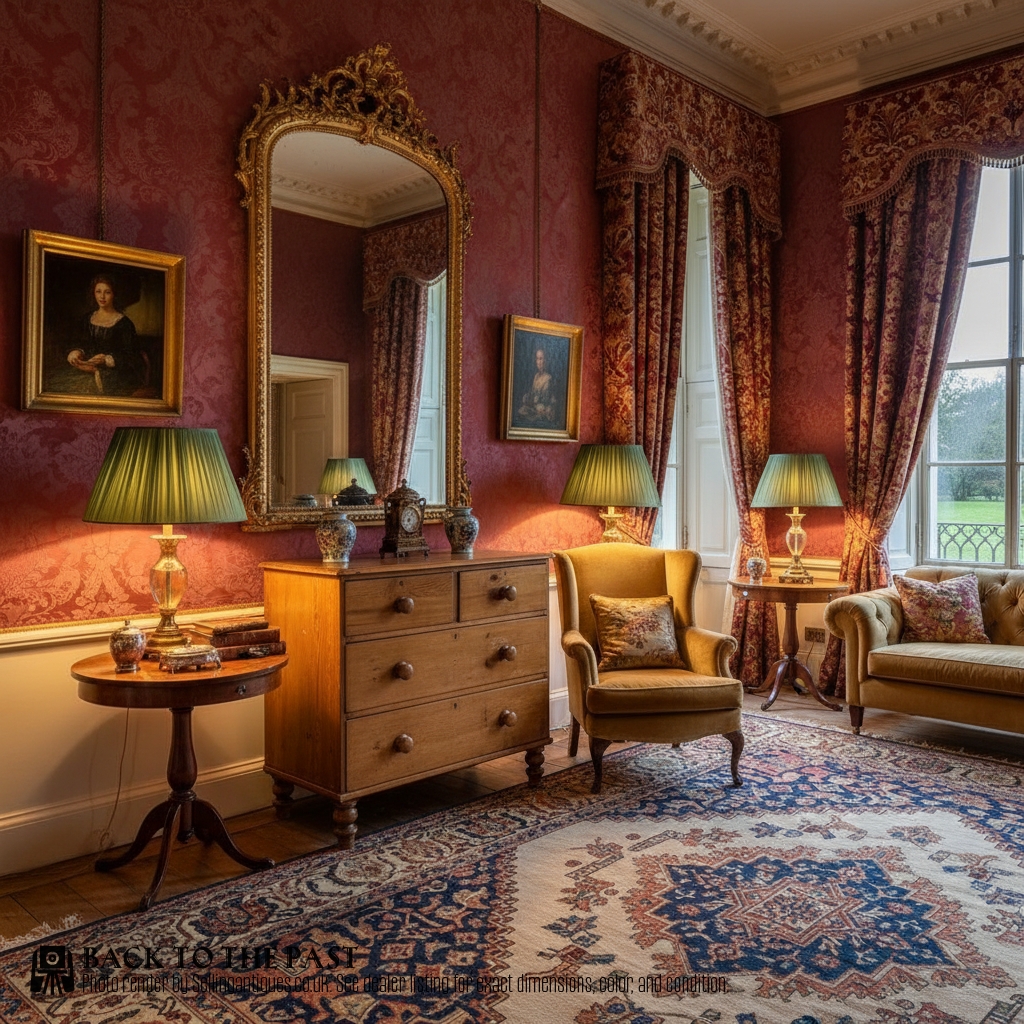
A rustic pine tallboy stands as a practical storage piece, most frequently appearing on this page as a tall chest of drawers or a tall cupboard dating from the Victorian and nineteenth-century periods. These items originate from English and continental workshops, including Hungarian examples, and often utilise stacked drawer configurations like two-over-three or four-drawer layouts.
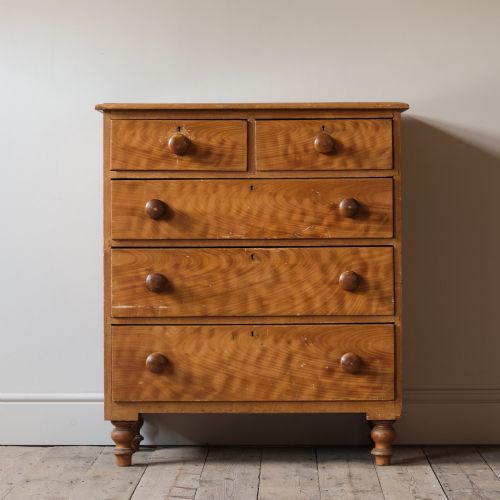
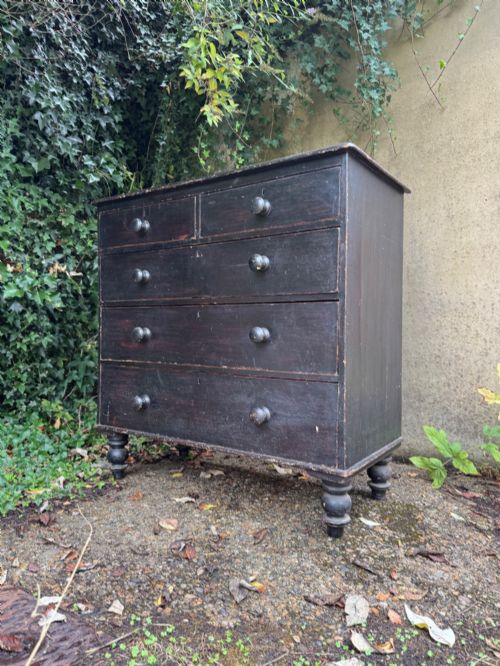
Buyers encounter versions finished in original paint, scumble paint, or left with a scrubbed or waxed surface that highlights the natural softwood grain. The form prioritises storage volume, taking up minimal floor space while reaching upwards to hold linen, clothing, or household goods.
How they were made
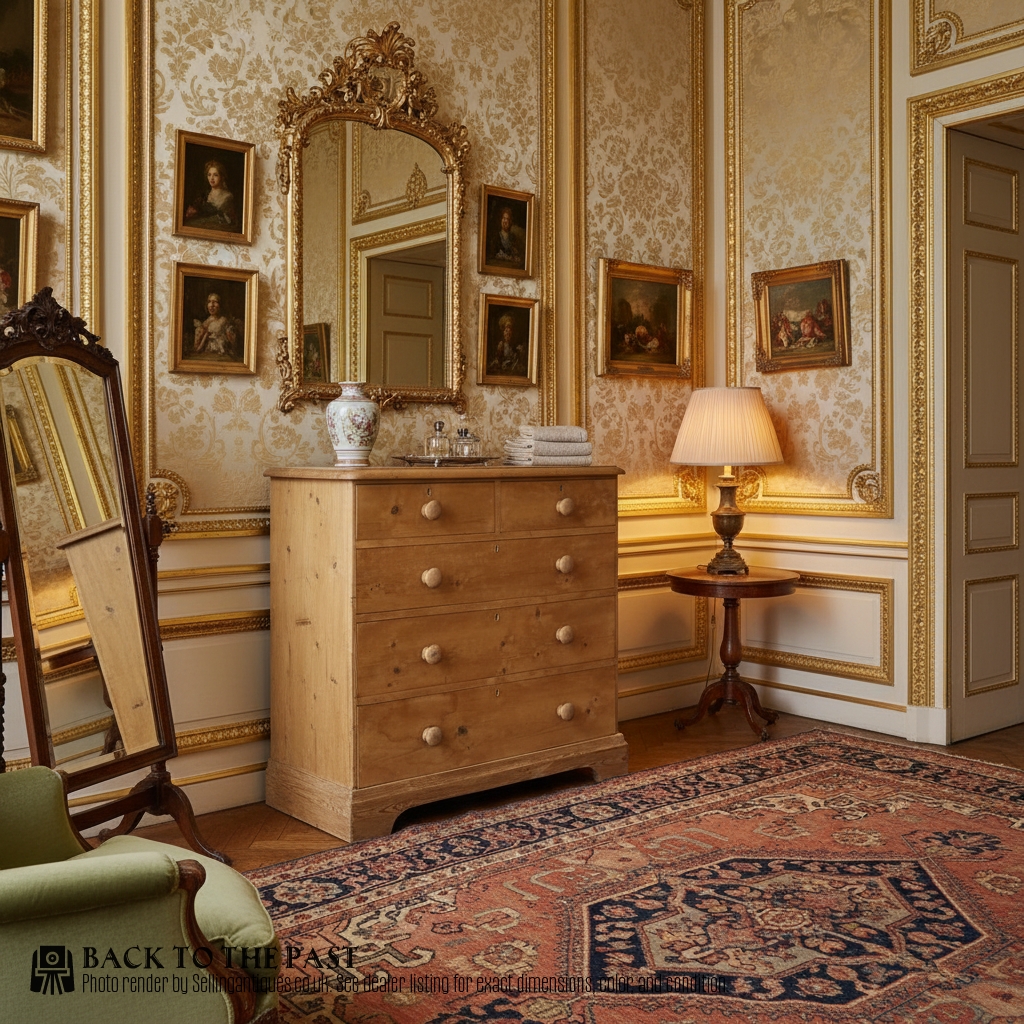
Makers constructed these pieces primarily from solid pine, assembling carcases and drawer boxes with traditional joinery supported by iron or brass fixings. Surfaces were then treated with wax, finished in dark paint, or decorated with scumble glaze to mimic more expensive hardwoods.
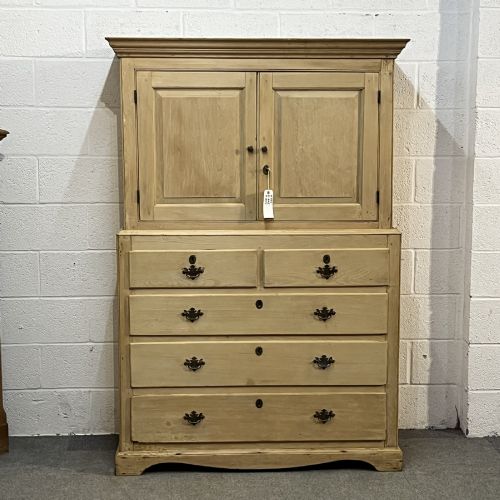
Fitted hardware such as wooden bun handles, metal pulls, and ceramic elements completed each piece. Many large cupboards and chests were built in two parts to aid transportation between rooms.
Rustic Pine Tallboy Retail Price Guide 2026
Typical asking prices for rustic pine tallboy among the pieces listed under this phrase on Sellingantiques today, from the lower quarter to the upper quarter. They describe what is for sale here now, not the wider market.
Several Hungarian chests arrive wearing coats of black paint that stubbornly survived empires, revolutions, and modern taste.
What varies in quality
Quality rests in the integrity of the timber and the preservation of original finishes, such as untouched paint or early wax. Pieces that retain their original backboards, brass or wooden handles, and smoothly operating drawers command greater appreciation from collectors.
Proportion and detailing also set examples apart, from plain country utility pieces to those with decorative stencilling, carved panels, or columned pilasters reflecting Victorian and Edwardian tastes.
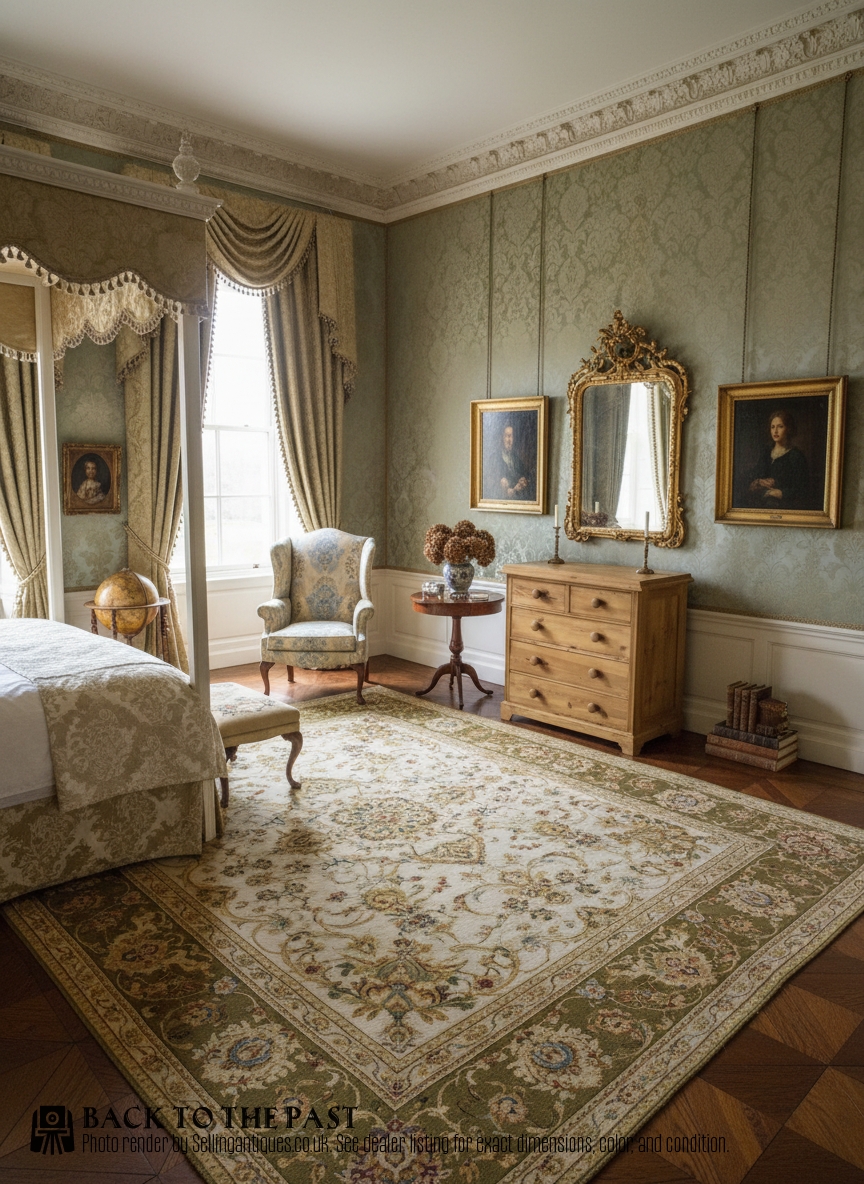
The Rustic Pine Tallboy Glossary
- Scumble paint
- A decorative glazing technique applied over a base coat to simulate the grain of figured wood. This finish was common on nineteenth-century utility furniture.
- Bun handle
- A small, rounded wooden knob turned on a lathe and fixed to drawer fronts. They are typical of Victorian chest designs.
- Linen press
- A tall cupboard originally designed for storing folded linen on sliding trays or shelves, often set above a base of drawers.
- Scrubbed pine
- Timber that has been repeatedly washed with soap and water to create a pale, clean, matte surface. This finish is frequently found on country tables and storage furniture.
- Two-part construction
- A method of building large wardrobes and chests in separate upper and lower sections for easier transport. This feature is particularly useful when moving tall furniture into older houses.
Rustic Pine Tallboy: Frequently Asked Questions
How do I date a pine tallboy?
Dating relies on construction methods, timber preparation, and hardware styles. Nineteenth-century pieces often show hand-cut joinery and period-specific paint or wax finishes.
Later Victorian and Edwardian examples tend to feature more standardised machine-sawn components and different handle assemblies.
Are painted finishes original?
Many pieces retain their original nineteenth-century paint, scumble glaze, or early decorative layers. Inspecting the surface for wear patterns, underlying timber oxidation, and paint buildup helps determine if the finish is period-correct.
Other items have been stripped or repainted in later decades to suit changing interior tastes.
How should I care for waxed pine?
Waxed pine benefits from occasional applications of natural beeswax to nourish the softwood and maintain a soft sheen. Avoid placing these pieces near direct heat sources or strong sunlight, which can dry out the timber.
Dusting with a dry cloth keeps the surface clean without damaging the historic finish.
Did tallboys come in sections?
Larger storage cupboards and chests were frequently built in two parts to ease transport through narrow doorways and up staircases. These sections fit securely one on top of the other to form a single tall unit.
This modular approach was standard practice for heavy nineteenth-century household furniture.