
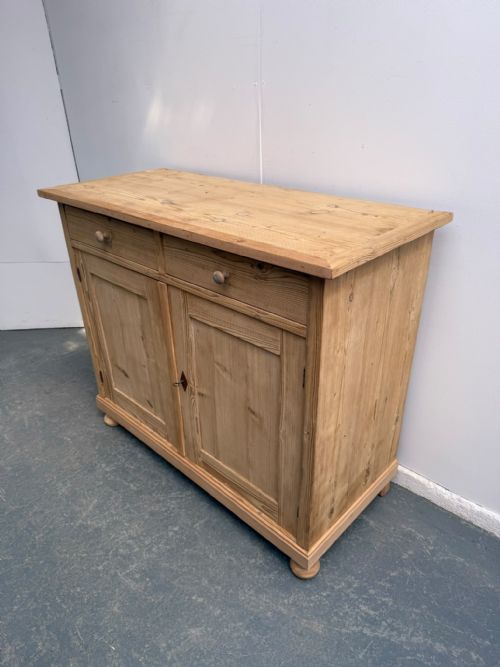
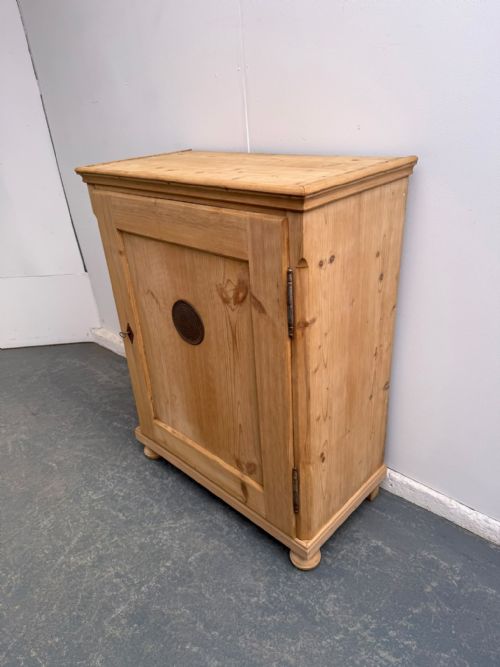
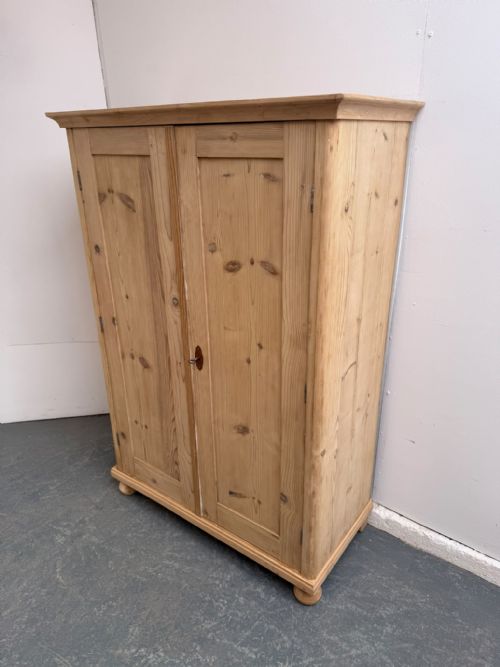


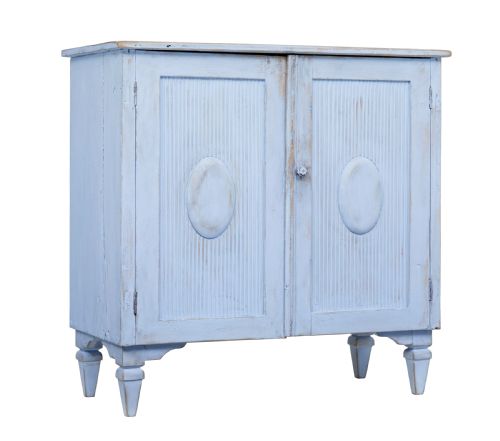


Rustic Pine Side Cabinet
These rustic pine side cabinets and related country cupboards bring functional storage and honest grain to domestic rooms.
Rustic Pine Side Cabinet
A rustic pine side cabinet encompasses practical domestic storage forms originating primarily from the Victorian and Edwardian eras, alongside nineteenth century Scandinavian workshops. Buyers searching for a rustic pine side cabinet frequently encounter bedside chests, nightstands, and small storage cupboards rather than formal parlour furniture.
The selection extends to larger kitchen dresser bases, shallow storage cupboards, and shop fittings constructed from solid softwood. Many examples display original painted surfaces or waxed finishes that highlight the natural grain of the timber.
The forms span English country workshops, Hungarian farmhouses, and Scandinavian provinces, each reflecting the utility demands of nineteenth century domestic life.
Materials and construction
Makers relied on solid pine for primary carcases, occasionally incorporating oak or secondary hardwoods for structural elements. Iron and brass hardware, including hinges, drop handles, and key escutcheons, secured doors and drawers.
Surfaces were either left bare for waxing or coated in layers of paint, with several pieces retaining original white, grey, black, or blue pigment. Joinery methods prioritized everyday utility, employing pegged joints, plain paneling, and simple drawer construction.
Several bedside cabinets arrived wearing coats of blue and grey paint that survived decades of kitchen bustle.
Assessing quality
Quality rests on the integrity of the original timber and the retention of authentic surface treatments, whether aged wax or early layered paint. Pieces retaining their original iron or brass fittings hold greater visual coherence.
Proportion and scale distinguish finer country pieces, where drawer alignment and door seating remain true despite decades of domestic use.
The Rustic Pine Side Cabinet Glossary
- Pine
- A softwood derived from coniferous trees, widely utilised in nineteenth century country furniture for its workability and availability.
- Dresser base
- A lower sideboard or cabinet section, often fitted with drawers and cupboards, used for kitchen or dining storage.
- Chiffonier
- A compact sideboard or cabinet featuring a lower cupboard section, developed during the nineteenth century for living and bedroom spaces.
- Shop fitting
- Furniture originally built for commercial display and storage, adapted through robust construction and practical shelving.
- Brushing slide
- A pull-out shelf integrated into a cabinet or chest, historically used for folding linen or temporary placement.
Rustic Pine Side Cabinet: Frequently Asked Questions
What is a rustic pine side cabinet?
A rustic pine side cabinet is a practical nineteenth century storage piece, typically featuring drawers or doors, made from solid softwood.
These items originated in country workshops across Britain and Europe to serve everyday domestic needs.
How do I date a pine cabinet?
Dating relies on construction methods, timber characteristics, and hardware styles recorded across the Victorian and Edwardian periods.
Examine the backboards, drawer dovetails, and hinges for signs of period manufacturing techniques.
Are painted finishes original?
Many nineteenth century pieces retain original layers of paint in colours such as white, grey, black, or blue.
Inspect the surface for wear patterns and accumulation beneath modern fixings to determine age.
Where were these cabinets made?
The pieces originate from domestic and regional workshops in Britain, Hungary, and Scandinavia.
Local timber availability and utility traditions shaped the specific forms found in each region.
How do I care for waxed pine?
Maintain waxed pine surfaces by applying appropriate beeswax polish periodically to nourish the dry softwood.
Avoid placing these items near direct heat sources to prevent timber movement.