

Rustic Pine Pantry
A rustic pine pantry offers honest utility and historic charm, bringing hard-wearing timber storage and vernacular design directly into modern domestic spaces.
Rustic Pine Pantry
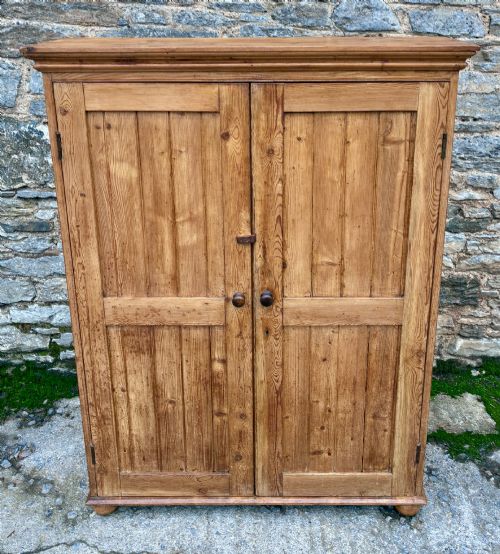
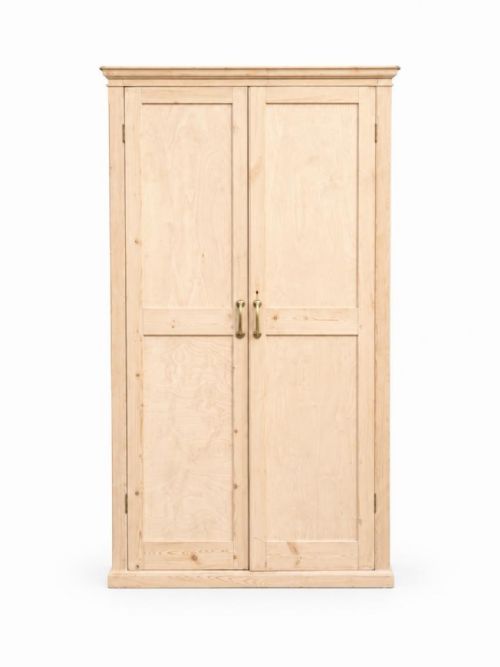
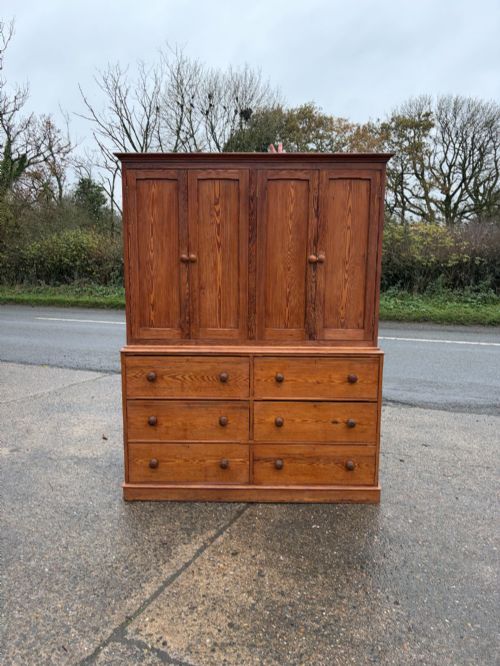
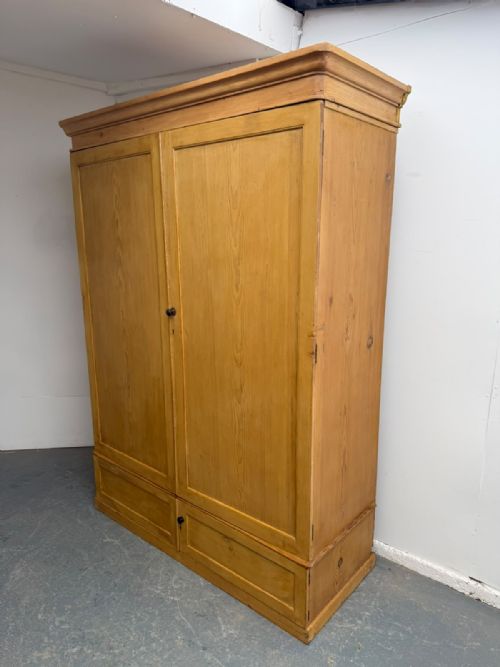
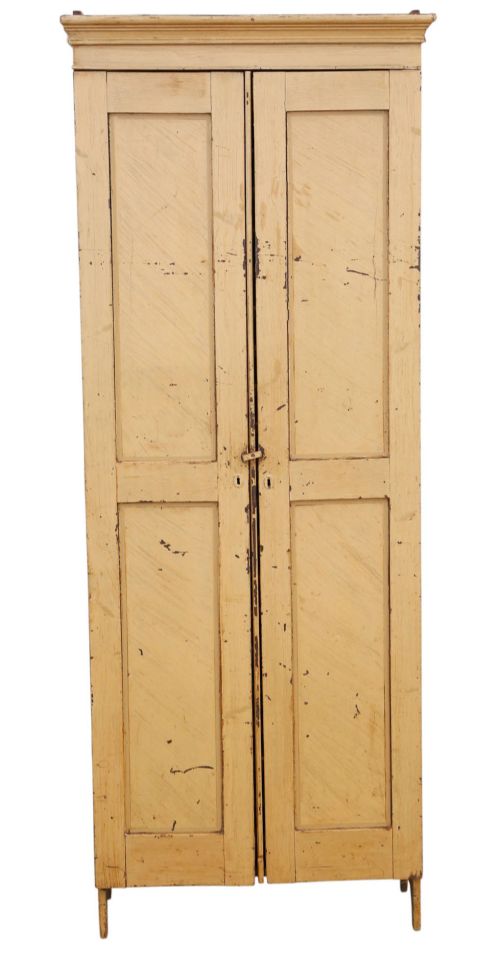
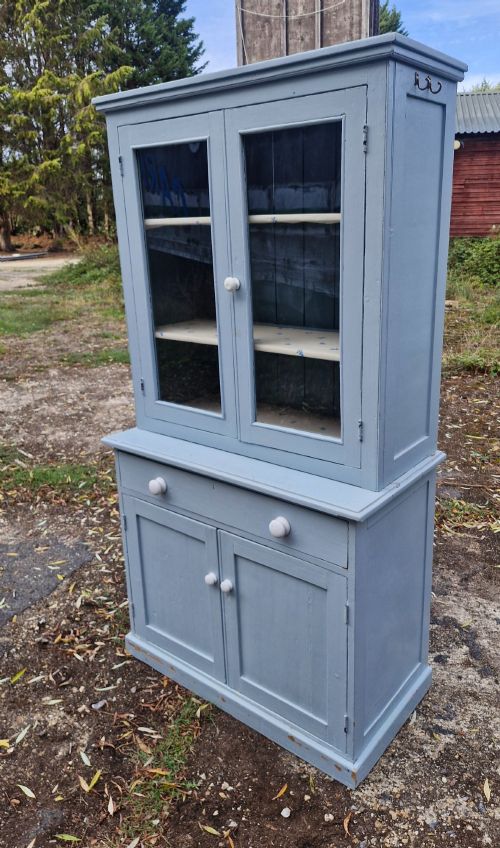
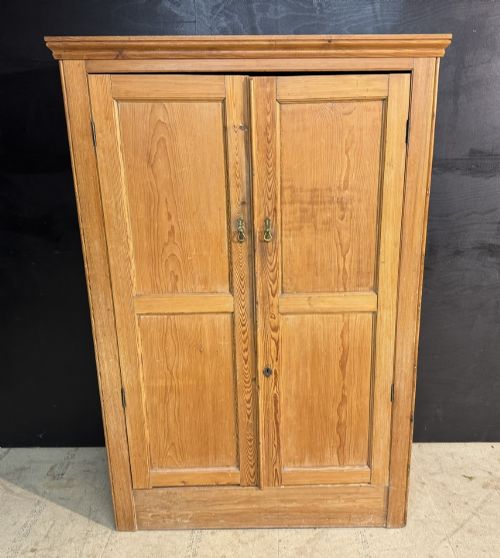
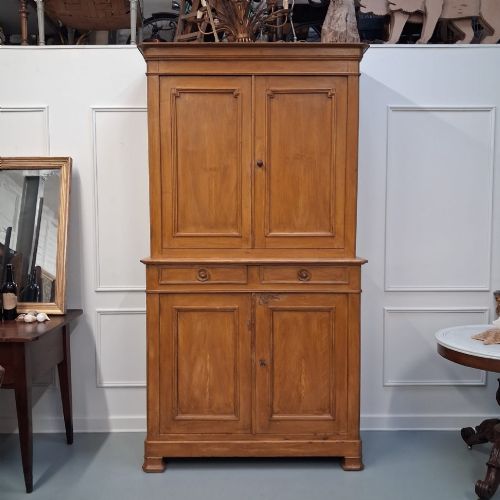
A rustic pine pantry encompasses robust storage cupboards, larder cupboards, and housekeeper's cupboards designed for domestic food and linen storage. These pieces originate primarily from the 19th century and the Victorian era, alongside Georgian and Edwardian examples.
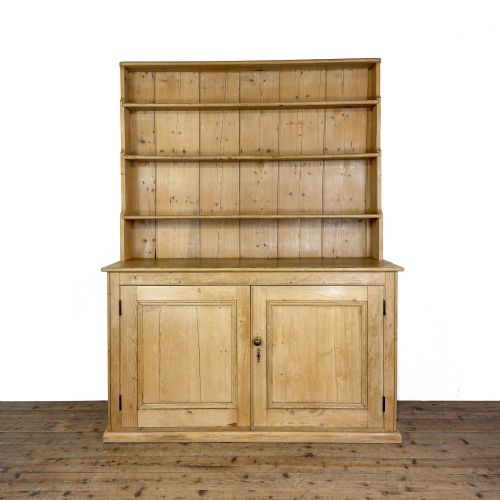
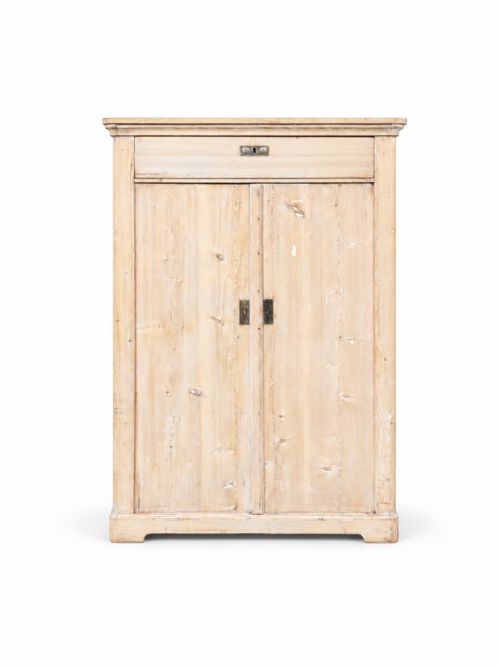
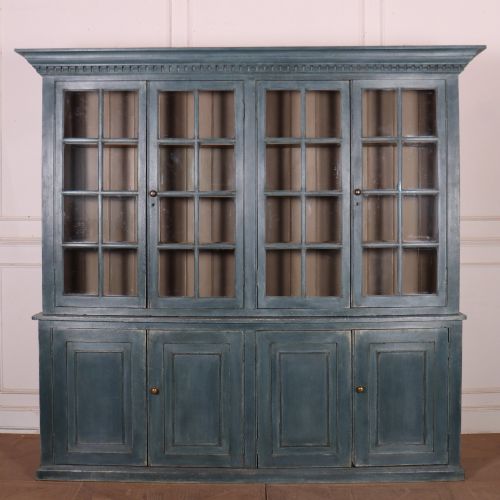
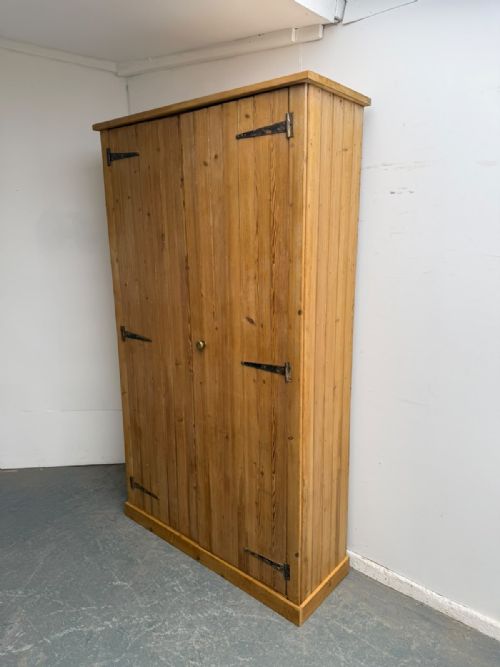
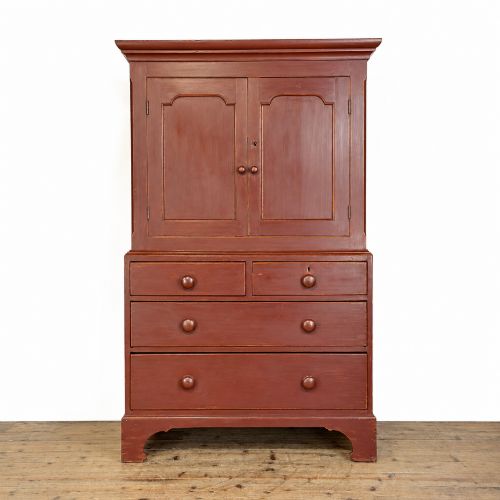
The versions most commonly met here feature single or double doors, sometimes built with ventilation panels, drawers, or in two-part configurations. They emerge from diverse regional traditions, including French provincial, Scandinavian, and British country workshops.
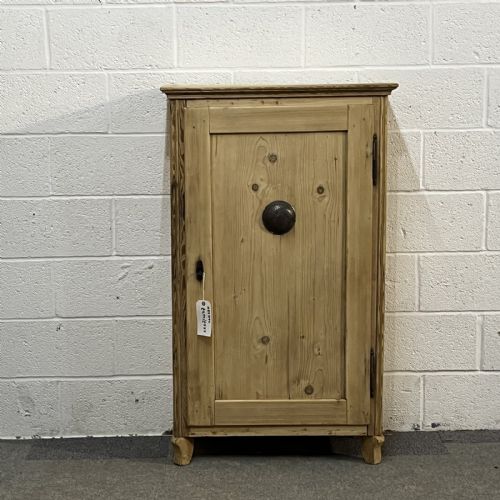
Forms range from tall, narrow single-door larder cupboards to wide storage units and chapel cupboards. Their primary function remains straightforward: large-scale, practical storage built from accessible softwood.
Materials and construction
Makers built these pieces primarily using solid pine, occasionally combining it with fruitwood or secondary timbers like Baltic or East European softwoods. Iron, brass, and metal hardware such as hinges and latches completed the functional structure of doors and drawers.
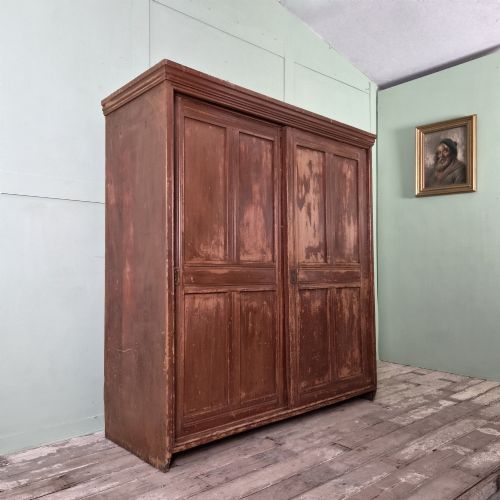
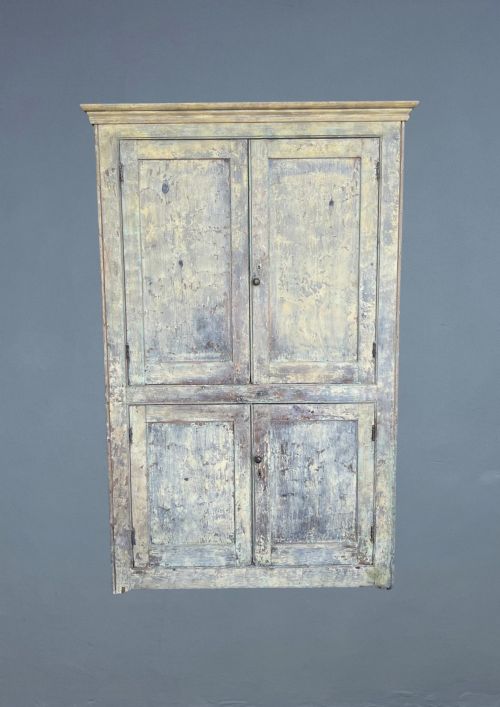
Surface treatments varied from plain waxed pine to painted finishes, cream paint, scumble paint, and original decorative schemes. Construction techniques prioritized utility, utilising beaded panels, fielded panels, and pegged joints to ensure durability under heavy daily use.
Rustic Pine Pantry Retail Price Guide 2026
Typical asking prices for rustic pine pantry among the pieces listed under this phrase on Sellingantiques today, from the lower quarter to the upper quarter. They describe what is for sale here now, not the wider market.
The listings here span the 18th, 19th, and early 20th centuries, featuring pine alongside iron, brass, and historic painted finishes.
Assessing quality in country furniture
Quality in a rustic pine pantry rests upon the integrity of its original construction and the preservation of its surface finish. Pieces retaining their original paintwork or scumble glaze hold distinct character compared to those stripped down for waxing.
Proportional balance and the restraint of regional vernacular design separate exceptional utilitarian pieces from standard utility cupboards. Substantial timber thickness, well-fitted doors, and original iron or brass hardware elevate the standing of a provincial cabinet.
The Rustic Pine Pantry Glossary
- Housekeeper's cupboard
- A large storage cabinet traditionally used in country houses for storing linens, dry goods, and household provisions. These tall pieces often feature a combination of upper doors and lower drawers.
- Larder cupboard
- A specialised tall cupboard designed for storing food items, frequently incorporating vented panels to allow air circulation. They remain a core form within country kitchen furniture.
- Scumble paint
- A decorative surface technique involving translucent glazes dragged or brushed over a base coat to imitate finer grained woods or create mottled texture. It appears frequently on 19th-century provincial furniture.
- Fielded panel
- A wooden panel with recessed edges tapering toward a raised central flat or bevelled surface. This traditional joinery method allows wood to expand and contract with humidity changes.
- Skeleton cupboard
- A specialised cabinet featuring open framework or glazed or wired door inserts rather than solid panels. These allowed maximum airflow for food preservation.
Rustic Pine Pantry: Frequently Asked Questions
How do I use a pine pantry today?
These large cupboards adapt easily to modern kitchens as dedicated food larders, crockery stores, or utility room organizers.
Their deep shelves and generous height accommodate dry goods, glassware, and cookware while adding distinct historic character to a room.
What is the difference between a larder and housekeeper's cupboard?
Larder cupboards focus primarily on food storage and frequently incorporate ventilated doors to keep provisions cool and fresh.
Housekeeper's cupboards traditionally served a broader domestic purpose, offering extensive shelving and drawer space for household linens, tableware, and dry goods.
Should I wax or paint my pine cupboard?
Many pieces come prepared for waxing or painting, allowing you to match the finish to your existing interior decor.
If a cabinet retains an original historic paint finish or scumble glaze, preserving that surface maintains its authenticity and historical value.
How do I date an antique pine cupboard?
Dating relies upon construction methods, hardware types, timber characteristics, and stylistic traits typical of periods like the Georgian or Victorian eras.
Hand-cut joints, original backboards, and period locks offer reliable physical clues to a cupboard's age of manufacture.