


Rustic Pine Kitchen Hutch
A rustic pine kitchen hutch brings honest utility and warmth to a room, offering generous storage for daily tableware.
Rustic Pine Kitchen Hutch
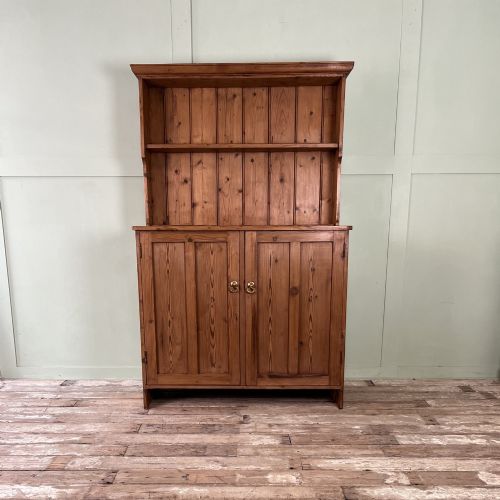
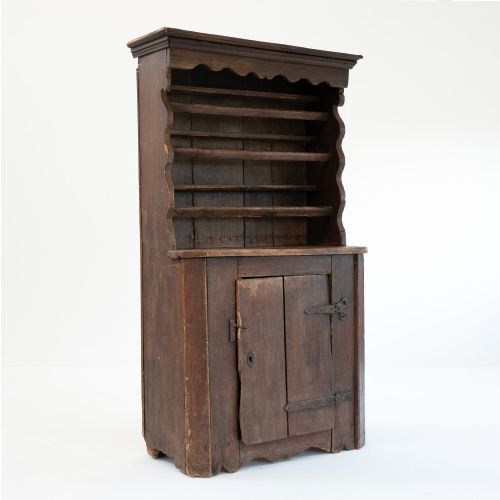
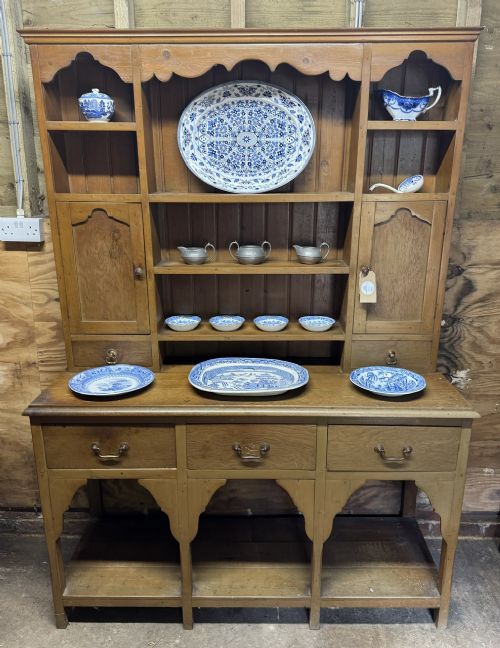
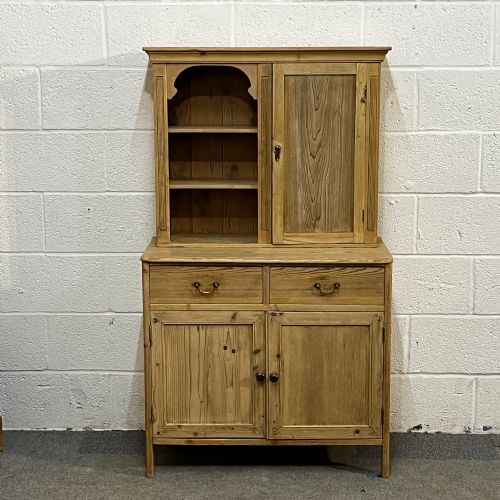
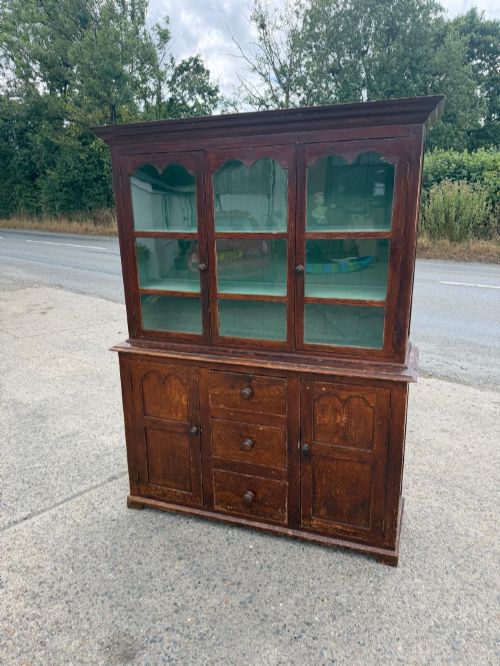
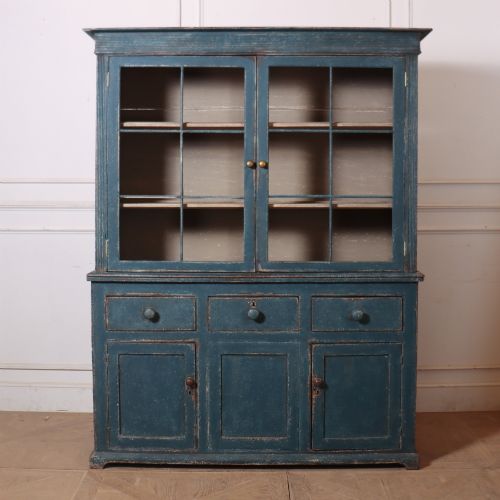
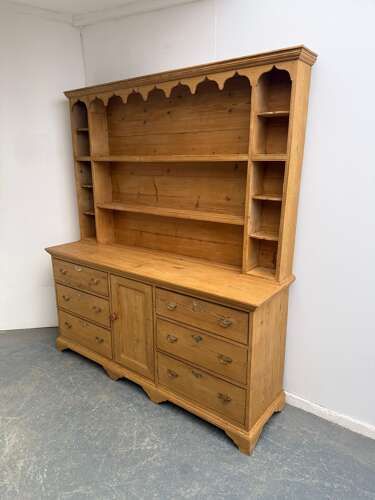
When you search for a rustic pine kitchen hutch, you enter a field dominated by large storage furniture designed for domestic service, most frequently encountered here as kitchen dressers and cabinets from the eighteenth, nineteenth, and early twentieth centuries. These pieces combine open or glazed display racks with lower cupboards and drawers, drawing on regional traditions from English, Welsh, Irish, Scottish, Scandinavian, Hungarian, and Alpine makers.
The forms range from compact cupboards to massive multi-door constructions, reflecting the varied needs of historic rural kitchens. You will find items described through specific regional identities, such as West Country or Welsh vernacular pieces, alongside painted or waxed surfaces that record decades of domestic use.
Materials and construction
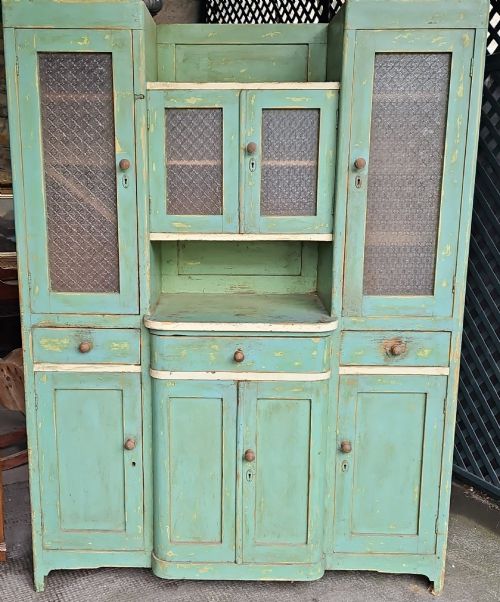
Construction relies primarily on solid pine timbers, frequently augmented by brass or iron hardware such as hinges, handles, and escutcheons, with glass panels fitted to upper doors on glazed variants. Surfaces receive either traditional wax finishes or historic layers of paint, ranging from scrubbed cream and teal to folk art decoration.
Joinery methods reflect traditional workshop practices of the period, utilising pegged joints, hand-cut dovetails in drawers, and boarded backs. The timber often displays the knots, natural grain variations, and wear patterns characteristic of utilitarian softwood furniture.
Several pieces preserve their original teal and cream paint schemes, having weathered generations of rural domestic life with undeniable charm.
Assessing quality and character
Quality in these pieces rests on the integrity of the original construction and the survival of surface character, such as untouched patinas and early or original paint layers. Proportion and scale also dictate desirability, with unusually small examples or grand multi-door formats holding particular distinction.
The relationship between the upper rack and the lower base forms another key distinction, as pieces retaining their original matching components show greater coherence than married assemblies. The depth of the mouldings, the quality of the timber selection, and the uncompromised state of the interior boards separate standard utility items from finer vernacular examples.
The Rustic Pine Kitchen Hutch Glossary
- Patina
- The surface sheen and coloration developed through years of handling, cleaning, and exposure to light. This accumulation of character is prized by collectors as a mark of age.
- Dresser rack
- The upper shelving unit attached to or hung above the base cabinet, traditionally used for displaying plates and serving dishes. It defines the silhouette of a traditional kitchen hutch.
- Breakfront
- A cabinet design where the central section projects forward from the flanking sections. This configuration adds architectural depth to larger vernacular pieces.
- Vernacular furniture
- Domestic items made by local tradesmen or regional joiners using accessible materials to serve specific daily needs. These objects prioritize practical utility over high-style academic design.
Rustic Pine Kitchen Hutch: Frequently Asked Questions
How do I clean a waxed pine hutch?
Dust regularly with a dry cloth and apply a traditional beeswax polish sparingly when the wood appears dry. Avoid modern silicone sprays or excessive moisture.
Buff gently with a soft brush to maintain the natural sheen without stripping the accumulated surface character.
Can I use a kitchen hutch in a modern dining room?
These pieces provide substantial storage and display space that suits contemporary dining rooms or kitchens just as well as historic interiors. The deep shelves hold everyday ceramics or glassware securely.
Ensure the room humidity remains relatively stable to prevent timber movement in large softwood assemblies.
How do I date an antique pine cabinet?
Examine the construction methods, such as hand-cut dovetails in the drawer sides and the type of fixings used in the backboards. Tool marks and fastener types offer clear clues to the period of manufacture.
Paint analysis and the style of the mouldings also help narrow down whether a piece originates from the eighteenth, nineteenth, or early twentieth century.
What is the difference between a dresser and a hutch?
In British usage, these terms often overlap to describe a piece of furniture featuring lower storage cupboards and an upper display section. Regional vocabulary frequently prefers the term dresser over hutch.
Both forms serve the same dual purpose of concealed storage and open display for kitchenware.