

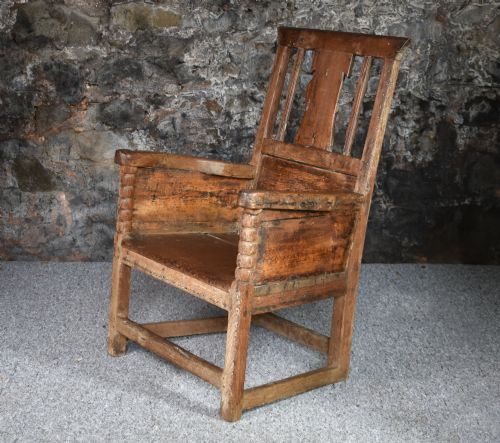

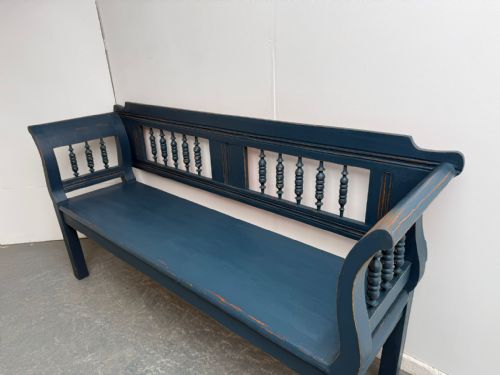


Rustic Pine Chair
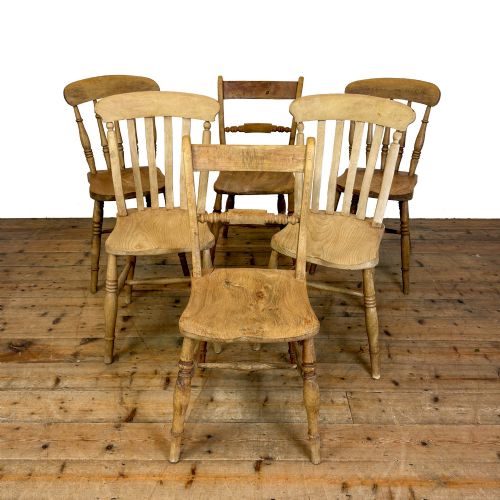
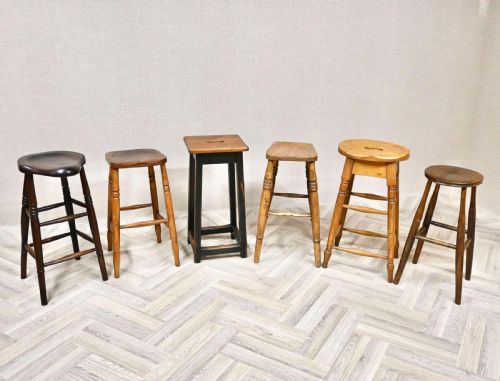
A rustic pine chair brings warmth and utility to a room, offering honest vernacular character shaped by daily domestic use.
Rustic Pine Chair
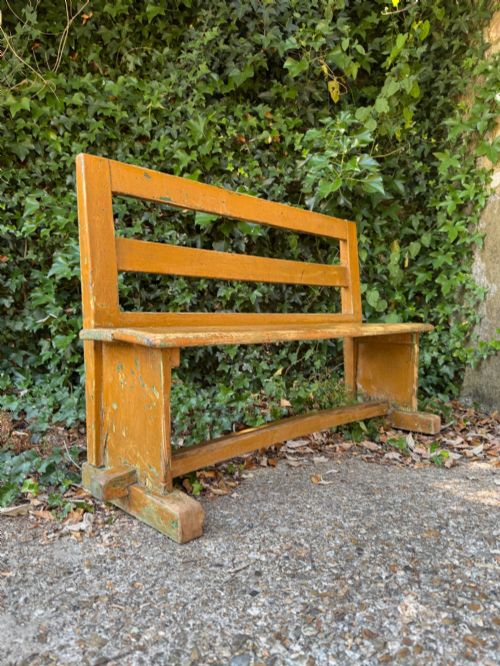
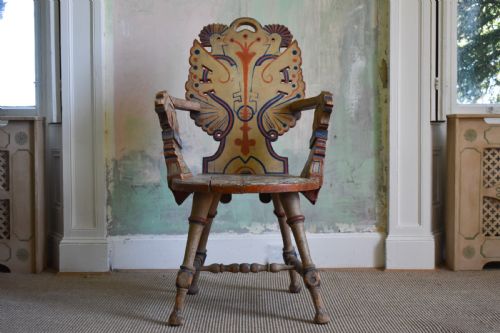
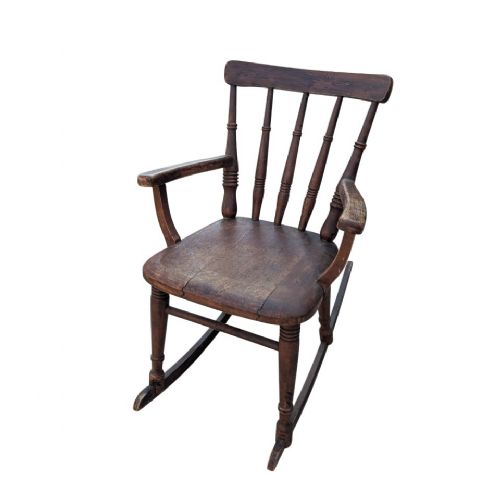
The selections span distinct regional styles, ranging from painted Hungarian box settles and Swedish folk art armchairs to Gothic pitch pine hall chairs and traditional Windsor country chairs.
Pieces emerge from periods including the eighteenth century, the Victorian era, and early twentieth-century farmhouse traditions, reflecting straightforward rural craftsmanship.
Materials and construction methods
Makers utilised softwoods and hardwoods like pine, elm, oak, and pitch pine, often combining timber with iron fasteners and applied paint layers. Surfaces frequently display scumbled or painted finishes in grey, blue, and neutral tones alongside exposed natural wood.
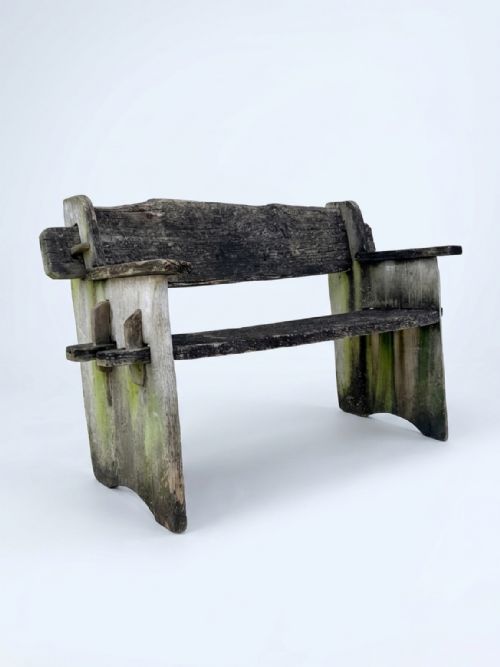
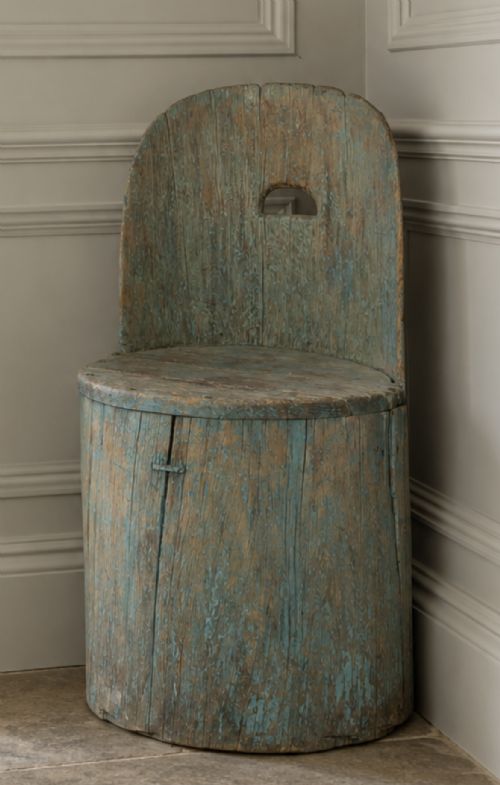
Construction relies on straightforward joinery, pegging, and hollowed-out log shaping seen in dug-out chairs, emphasising functional longevity over elaborate ornamentation.
Listings feature examples spanning from the seventeen-hundreds through the Victorian era into nineteen-thirty, using pine, elm, oak, and iron.
Assessing construction and surface quality
Quality rests in the integrity of the original construction, the undisturbed nature of painted or scumbled surfaces, and the balance of regional proportions. Pieces retaining authentic folk art detailing or early tool marks demonstrate superior craftsmanship.
The distinction lies between heavily altered utility items and survivors that preserve their original structural joinery and untouched patination from their period of origin.
The Rustic Pine Chair Glossary
- Dug-out chair
- A primitive form carved directly from a single solid log of timber. This heavy construction creates a low, stable seat found in early rural traditions.
- Settle
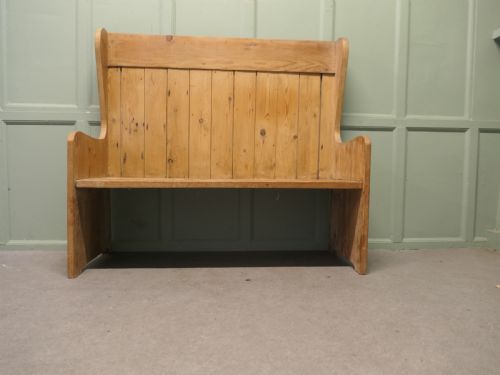
- A wooden bench featuring a high back to block draughts and often incorporating a box storage base beneath the seat. These served communal functions beside hearths and in country pubs.
- Scumbled
- A decorative paint technique involving translucent layers dragged over a base coat to imitate finer grain patterns. It protects the underlying timber while adding visual texture.
- Windsor
- A chair style characterised by turned legs and spindles wedged into a solid wooden seat. They rely on strength derived from angled component placement.
- Escabelle
- A traditional type of wooden chair or stool with boarded construction and flat panel supports. They originate from Alpine and continental European folk traditions.
Rustic Pine Chair: Frequently Asked Questions
What defines a rustic pine chair?
A rustic pine chair is a utilitarian seat built by regional makers using local softwoods and straightforward joinery techniques. These pieces prioritize function and durability over formal decorative styling.
They reflect the domestic traditions of their origin, utilising visible timber grains, pegged joints, and sometimes painted or scumbled surface finishes.
How do I care for antique pine furniture?
Caring for antique pine involves keeping pieces away from direct heat sources and sudden humidity changes to prevent timber splitting. Regular gentle dusting preserves the dry surface patination.
Avoid harsh chemical cleaning agents that strip away historical wax layers or original painted and scumbled finishes accumulated over centuries.
Where were these chairs originally made?
These chairs originate from diverse rural communities across Britain, Scandinavia, France, Austria, and Hungary. Local workshops produced seating tailored to domestic farmhouse or alpine living requirements.
Regional variations appear in the construction methods, such as Swedish dug-out seating or Hungarian painted box settles.
Are these chairs suitable for daily use?
Most of these sturdy vernacular chairs remain entirely suitable for everyday sitting when checked for structural stability. Their solid construction was originally intended for rigorous daily domestic tasks.
Placing them in appropriate indoor environments ensures the aged timber and historic joins endure further years of functional service.