


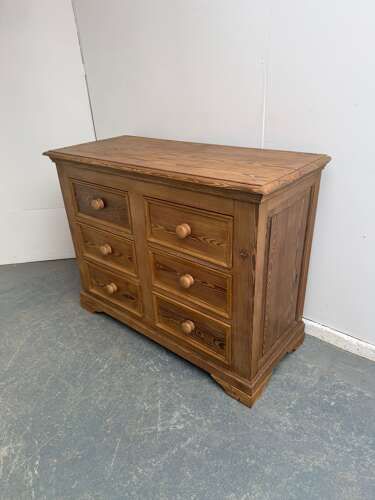


Rustic Pine Bureau
A rustic pine bureau offers practical workspace and storage, grounded in the honest grain of nineteenth-century timber.
Rustic Pine Bureau
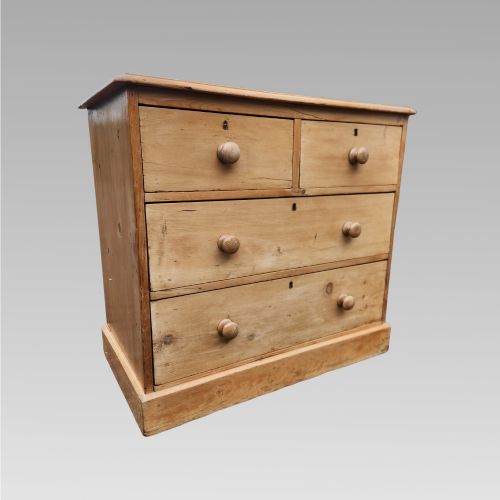
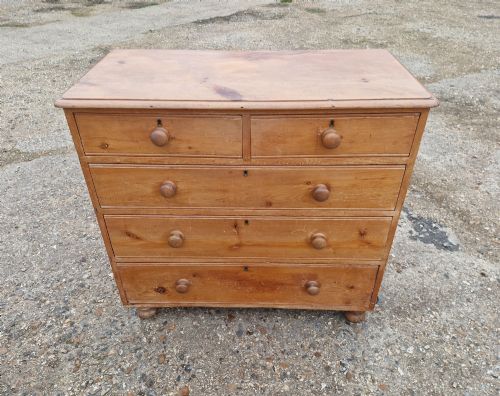
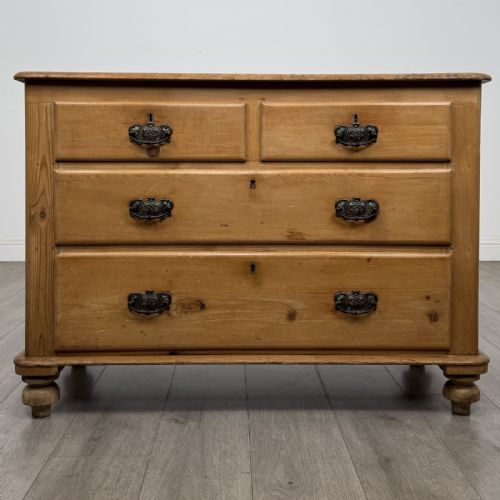
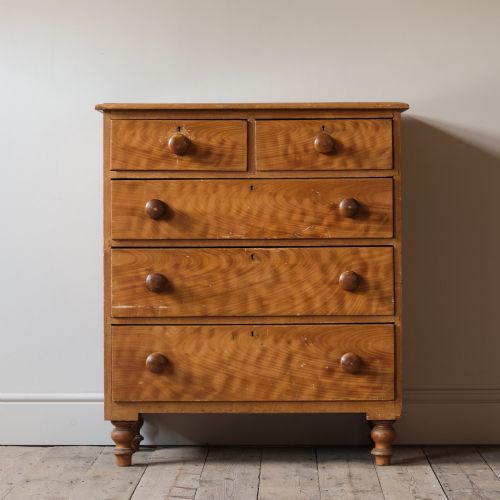
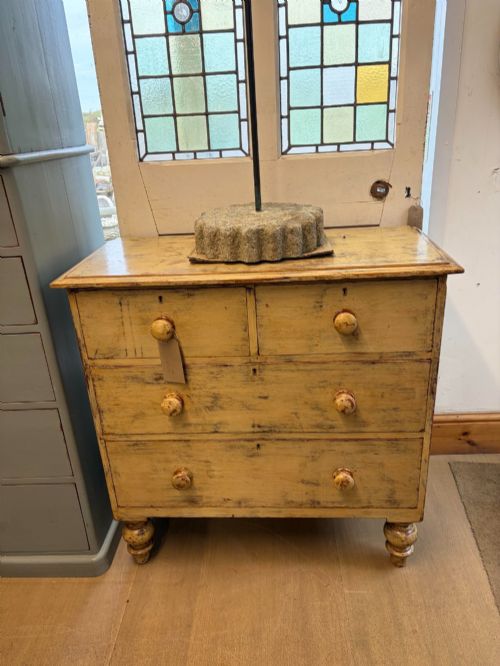
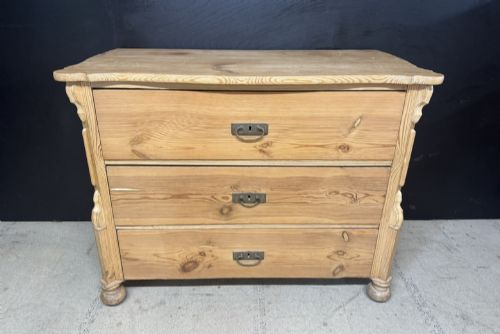
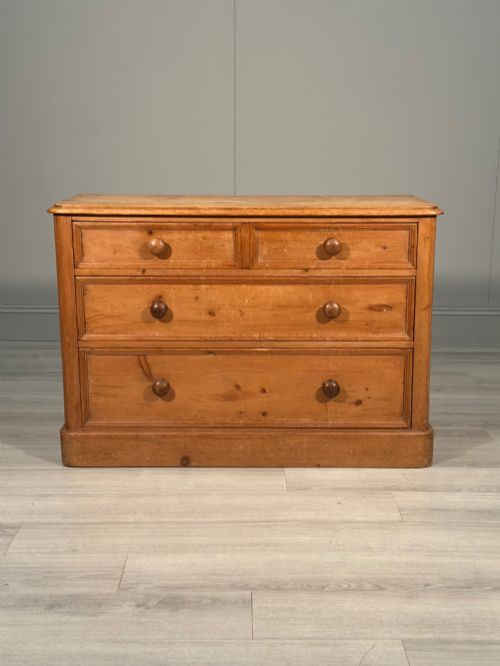
When you search for a rustic pine bureau, you encounter utilitarian writing slopes and desks built to serve everyday domestic needs. The selections here lean heavily toward Victorian and nineteenth-century chests of drawers and secretaire bookcases, reflecting the sturdy vernacular furniture of the period.
Most examples hail from the nineteenth century, encompassing Victorian, Edwardian, and Regency eras alongside continental country styles. While the archive holds a Georgian writing bureau desk, the pieces met most often on this page are chest of drawers forms and fitted secretaire variants.
Regional variations emerge through Irish and Hungarian pieces, alongside Scandinavian and European country interpretations. These provincial origins dictate the structural proportions and decorative restraint visible across the inventory.
Construction and Materials
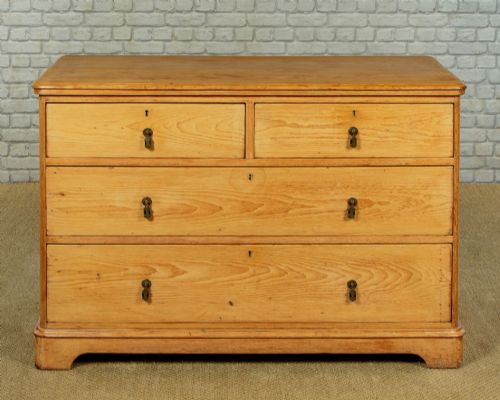
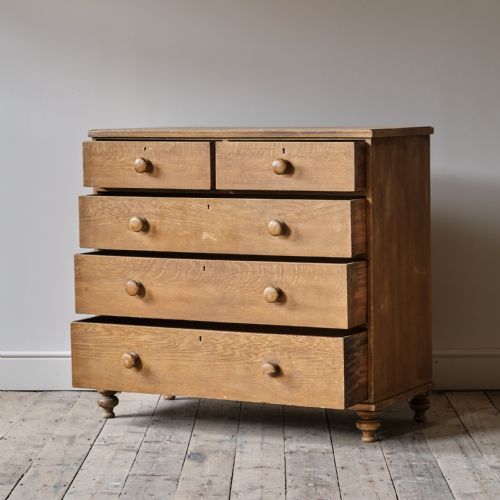
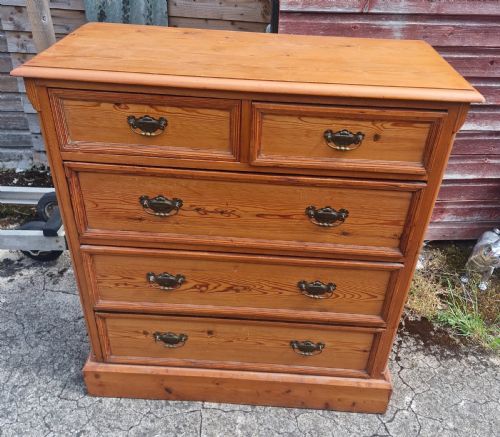
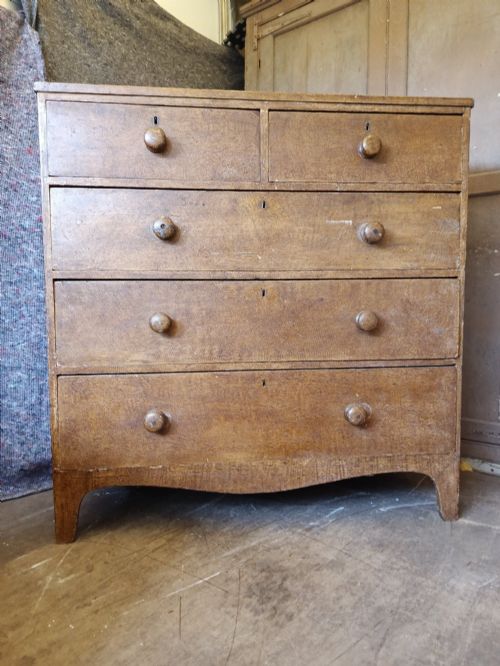
The primary material across the board is solid pine, shaped into carcases and drawer fronts using traditional joinery methods. Secondary elements incorporate brass pulls, iron hardware, and ceramic details on handles and key escutcheons.
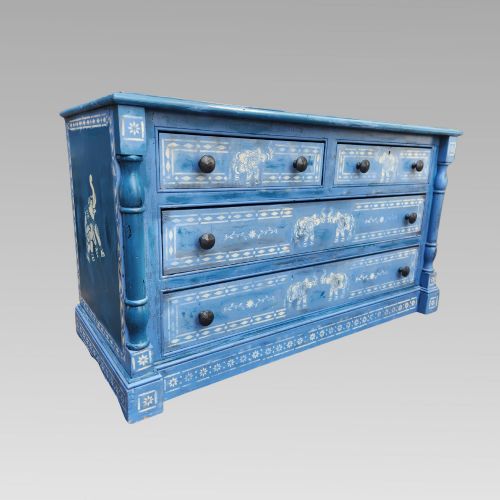
Surface treatments divide between wax finishes that highlight the natural wood grain and historic layers of paint. Original paint surfaces, whether grey, black, or older tones, survive alongside stripped wood iterations.
Rustic Pine Bureau Retail Price Guide 2026
Typical asking prices for rustic pine bureau among the pieces listed under this phrase on Sellingantiques today, from the lower quarter to the upper quarter. They describe what is for sale here now, not the wider market.
Certain Victorian ladies' makeup chests survived centuries of powder and pots to hold stationery today.
Judging Quality
Quality rests primarily on the integrity of the timber selection and the retention of original surface treatments. Pieces retaining authentic period paint or deep wax patination stand apart from those subjected to modern alterations.
Proportion and scale dictate the visual success of each item, from low configurations to massive columned carcases. Refined drawer arrangement, such as two-over-three configurations, demonstrates deliberate proportion over simple utility.
The Rustic Pine Bureau Glossary
- Pine
- A softwood utilised extensively in vernacular furniture for its workability and abundance. It takes wax and paint finishes readily, developing a distinct patina over centuries.
- Secretaire
- A desk form featuring a drop-front writing flap that conceals a fitted interior of small drawers and pigeonholes. It combines the storage of a chest with a dedicated writing surface.
- Waxed
- A finish applied to nourish and protect timber while producing a soft, tactile sheen. Hungarian pine pieces frequently display this traditional treatment.
- Escutcheon
- A protective plate surrounding a keyhole, usually fashioned from brass or metal. It prevents the surrounding wood from wearing away through repeated use of the key.
- Patina
- The surface appearance altered by age, use, and polishing. It serves as a visual record of a piece's history in domestic service.
Rustic Pine Bureau: Frequently Asked Questions
What is a pine bureau?
A pine bureau is a functional writing desk incorporating a sloping lid or drop-front flap. It typically houses internal compartments for paper alongside lower drawers for storage.
Constructed from softwood timber, these pieces originated as practical furniture for home administration. Their modest materials suited country houses and provincial interiors.
How do I date a pine bureau?
Dating relies on examining construction techniques, hardware types, and overall proportions. Nineteenth-century examples often feature hand-cut dovetails and turned wooden knobs alongside brass fixtures.
Regional styles and recorded periods like the Victorian or Edwardian eras provide comparative baselines. Paint layers and wood patination also indicate the age of the piece.
Are these desks painted or waxed?
Surfaces vary between historic paint finishes and waxed natural timber. Many pieces retain original layers of paint in colours such as grey or black.
Others have been stripped to expose the grain or maintained with traditional wax applications. Hungarian and Irish variants frequently showcase deep, waxed patination.
How do I care for antique pine?
Care involves maintaining stable indoor humidity levels and avoiding direct heat sources that can dry out the softwood. Regular dusting with a soft cloth preserves the surface.
Applying traditional beeswax periodically maintains the lustre of waxed finishes. Painted surfaces require gentle cleaning without harsh chemical solvents.