
Rustic Painted Furniture
These robust rustic painted furniture pieces bring authentic regional character to interiors through time-worn surfaces and honest utility.
Rustic Painted Furniture
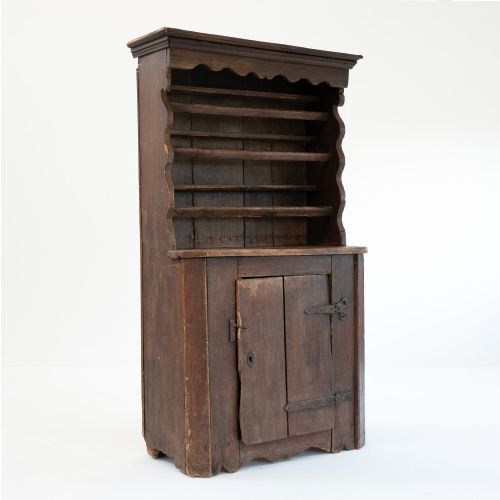
Rustic painted furniture encompasses practical domestic storage, seating and tables originating from European and British country houses, farms and workshops. When searching for rustic painted furniture, buyers encounter items built primarily from pine and oak, finished with original or historic layers of paint, scumble or folk art decoration spanning the eighteenth to early twentieth centuries.
Makers ranged from village joiners to professional country cabinetmakers who utilised accessible local timber rather than exotic imported hardwoods. Their constructions served immediate household needs, resulting in sturdy wardrobes, potboard dresser bases and school cupboards designed for daily service.
How they were made
Construction relies heavily on solid pine, oak, birch and elm, joined using traditional dovetail, mortise and tenon methods suited to workshop production. Iron and brass hardware such as hinges, brackets and drawer pulls reinforce the structural integrity of heavy cupboards, benches and chests.
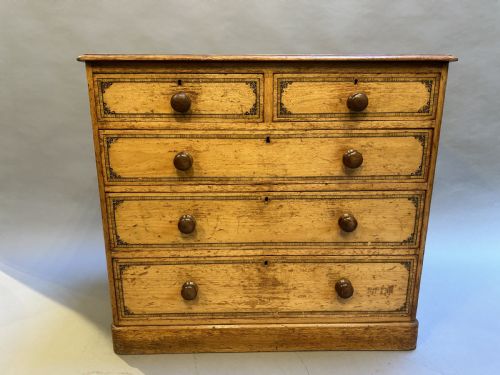
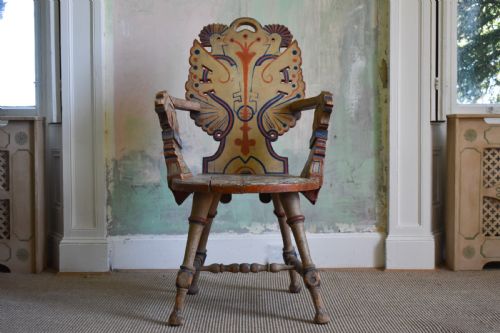
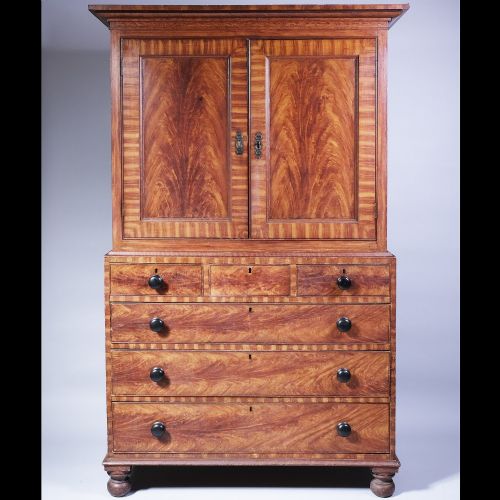
Surfaces were prepared with layers of pigment mixed in oil, distemper or milk paint, often layered over time as pieces were redecorated in domestic settings. Scumble painting techniques were also applied to simulate grain or create decorative mottled effects on pine carcases and housekeepers cupboards.
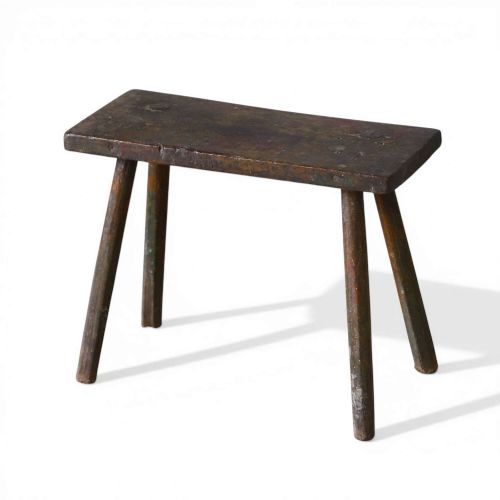
Some nineteenth-century milking stools still carry the distinct green paint applied to keep them visible against lush pasture grass.
What varies in quality
Quality rests in the survival of original pigment layers, where undisturbed historic paint finishes or authentic folk art stencilling command greater appreciation than later decorative overpainting. The integrity of the underlying timber construction, including untouched dovetails and original backboards, distinguishes well-preserved workshop items from heavily restored equivalents.
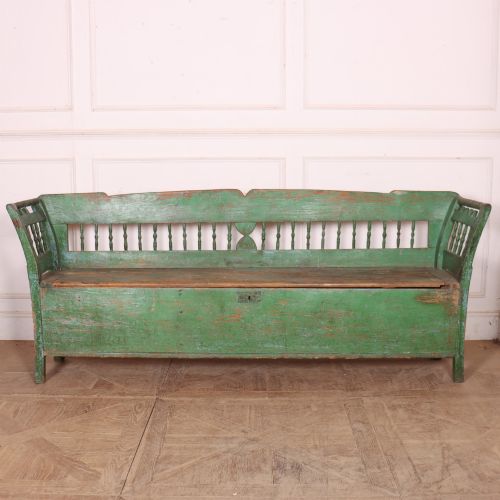
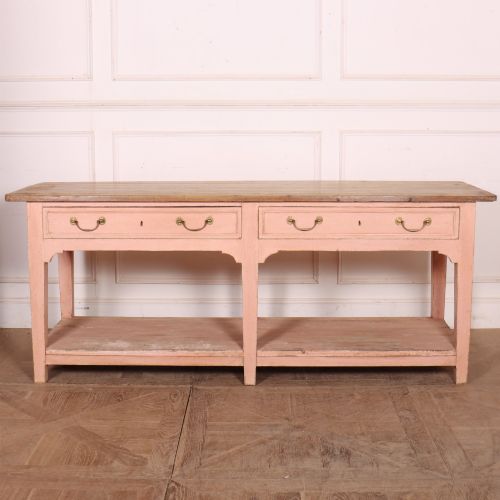
Proportion and regional vernacular detail separate standard utilitarian output from superior examples, such as an Irish dresser base with a balanced potboard or an Austrian bench with intact structural joinery. Pieces retaining genuine patination accumulated through generations of domestic use offer a more coherent visual presence in a room.
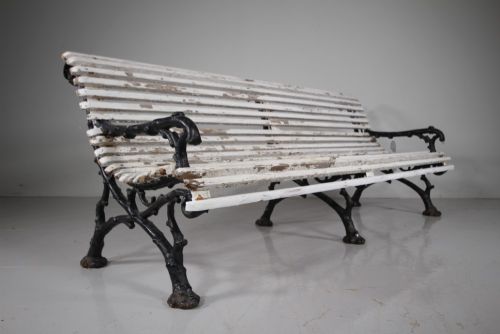
Coalbrookdale
The Rustic Painted Furniture Glossary
- Scumble paint
- A decorative technique involving translucent glaze manipulated over a base coat to create simulated wood grain or patterned textures. This finish appears frequently on nineteenth-century cupboards and tables.
- Potboard dresser base
- A sideboard or lower dresser section featuring an open lower shelf used traditionally for storing pots and heavy kitchenware. These form a staple of country house dining spaces.
- Settle bench
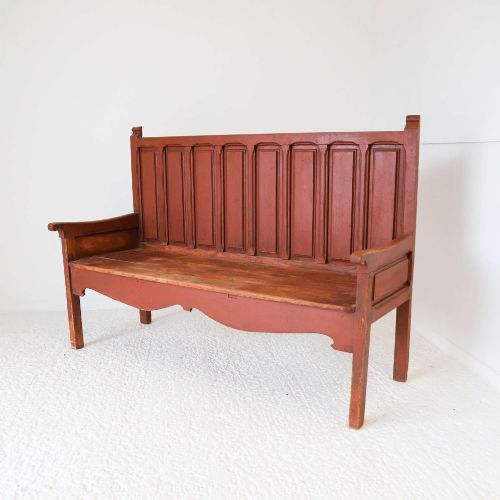
- A high-backed wooden bench with solid sides designed to shield occupants from draughts in domestic farmhouses. Examples often incorporate enclosed storage beneath the seat.
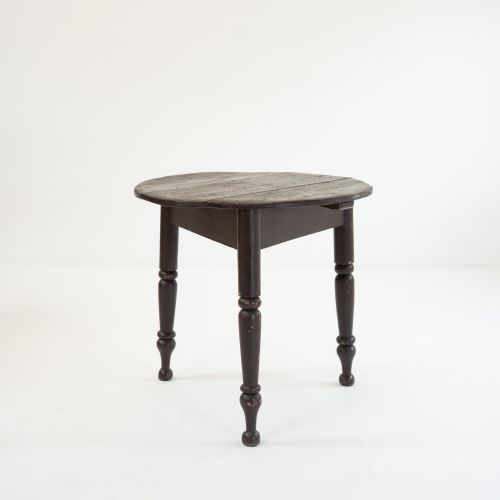
- Cricket table
- A small, light three-legged table traditionally used in domestic settings for tea or craft work. Their tripod construction ensured stability on uneven farmhouse flagstone floors.
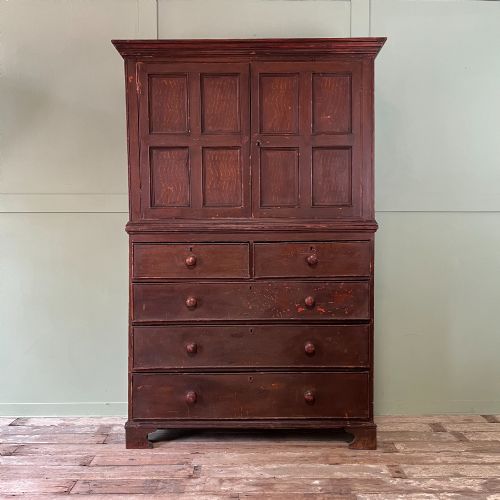
- Press cupboard
- A tall enclosed piece of furniture designed for storing linen and clothing, combining upper cabinet storage with lower drawers or shelving.
Rustic Painted Furniture: Frequently Asked Questions
How do I clean painted furniture?
Dust surfaces gently with a dry, soft cloth to remove everyday particles without disturbing fragile historic finishes. Avoid modern chemical solvents or abrasive cleaners that strip original layers of paint.
Apply a microcrystalline wax sparingly if the exposed timber requires nourishment, but leave dry-surface folk art untouched by moisture.
Are these pieces suitable for kitchens?
Cupboards, dresser bases and tables originating from farmhouses function effectively in modern kitchens for storing crockery and dry goods. Their robust construction handles daily domestic traffic easily.
Keep wooden items away from direct heat sources and excessive moisture to prevent timber movement and paint flaking.
What does original paint mean?
Original paint refers to the earliest decorative or protective coating applied when the furniture was first manufactured. Finding pieces with this finish intact is prized by collectors.
Later overpaints often accumulate over decades, and distinguishing between original and secondary layers requires careful examination of wear patterns.
How do I date country pine furniture?
Examine construction traits such as hand-cut dovetails, tool marks, and hand-forged iron hardware to determine approximate age. Mass-produced machine screws and modern adhesives indicate later twentieth-century manufacturing.
Timber shrinkage, nail types and the composition of underlying paint layers further help narrow down the period of production.