


Late Victorian Pine Chest
A late victorian pine chest brings sturdy utility and honest grain to a room, offering generous storage built to last.
Late Victorian Pine Chest
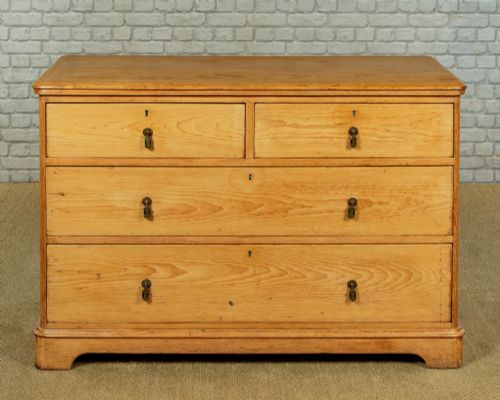
A late victorian pine chest is a practical storage piece typically constructed in standard formats like two-over-three drawer arrangements or full-length drawer banks. These items originate predominantly from the late nineteenth century, reflecting the robust domestic requirements of the period.
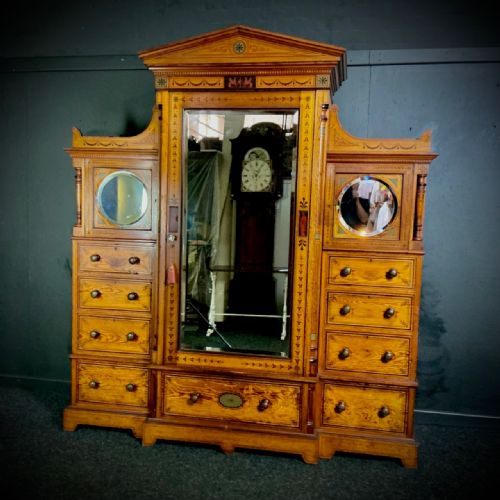
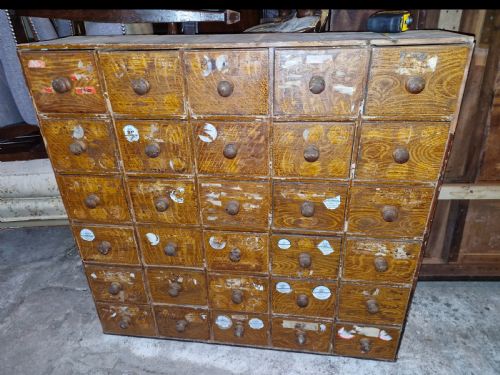
The version most commonly met on this page is the chest of drawers, though variations include dressing chests, travel trunks, and specimen chests. They range from small tabletop boxes to very large examples, often employing pitch pine or stained finishes alongside the standard timber.
How they were made
Makers utilised solid pine and pitch pine, often joining timber with durable methods suited to heavy daily use in households and country houses. Iron banding, brass fittings, and glass elements appear on specific iterations like travel trunks and dressing tables.
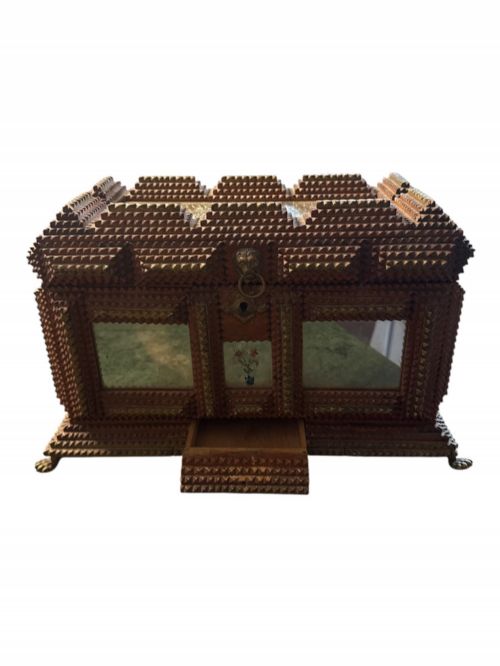
Surfaces received various treatments depending on the intended setting, ranging from original painted finishes and faux bamboo detailing to ebonised wood or simple stripped pine. Tramp art and folk art examples demonstrate patient carving and layering of paper or wood elements.
Listings span the Victorian era specifically between 1870 and 1900, using materials such as pine, pitch pine, iron, and ebonised wood.
What varies in quality
The standard of a late victorian pine chest depends heavily on the selection of timber, with dense pitch pine and carefully figured standard pine sitting at the upper end. Solid construction without excessive warping separates utilitarian workshop output from finer domestic furniture.
Surface preservation also dictates character, as pieces retaining original painted decoration or clean, unstripped patination hold distinct visual appeal compared to heavily altered or repeatedly refinished surfaces.
The Late Victorian Pine Chest Glossary
- Pitch pine
- A dense, resinous softwood sourced mainly from North America, valued for its prominent grain pattern and durability. It was frequently used in better quality nineteenth-century case furniture.
- Ebonised wood
- Timber treated with chemical stains or dark paint to imitate expensive ebony. This finish appeared on decorative pieces during the later Victorian decades.
- Faux bamboo
- A decorative technique where softwoods are turned and painted to simulate natural bamboo canes. It reflects the nineteenth-century fascination with exotic design influences.
- Tramp art
- A style of folk art where small chips of wood from discarded boxes are carved and layered in geometric patterns. It represents patient amateur craftsmanship from the period.
Late Victorian Pine Chest: Frequently Asked Questions
How do I clean a pine chest?
Dust regularly with a dry cloth to prevent grime accumulation on the wood surface.
Avoid harsh chemical cleaners that strip historical finishes or dry out the timber.
Can I use these chests for clothes?
Most drawer formats function well for modern clothing storage once the interior is checked for cleanliness.
Line unpainted drawers with clean paper if the timber has a strong historic scent.
Are painted finishes original?
Some pieces retain their historic paintwork, whilst others were decorated or stripped decades later.
Examine the wear patterns and edges to understand the chronology of the surface.