
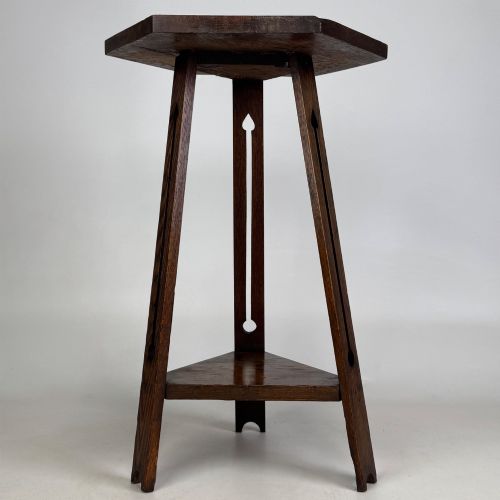


Rustic Oak Pedestal Table
A rustic oak pedestal table brings tangible history and sturdy utility into a room, offering warm timber tones and solid construction designed to endure.
Rustic Oak Pedestal Table
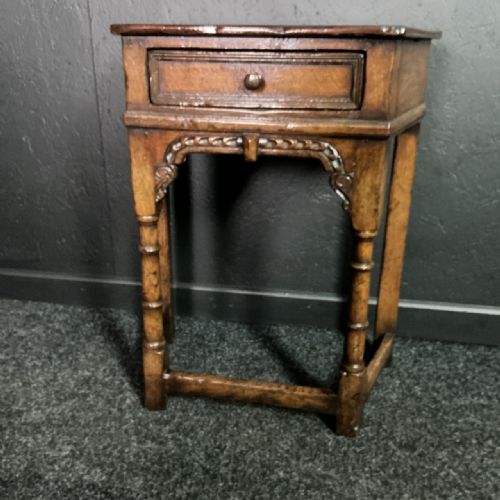
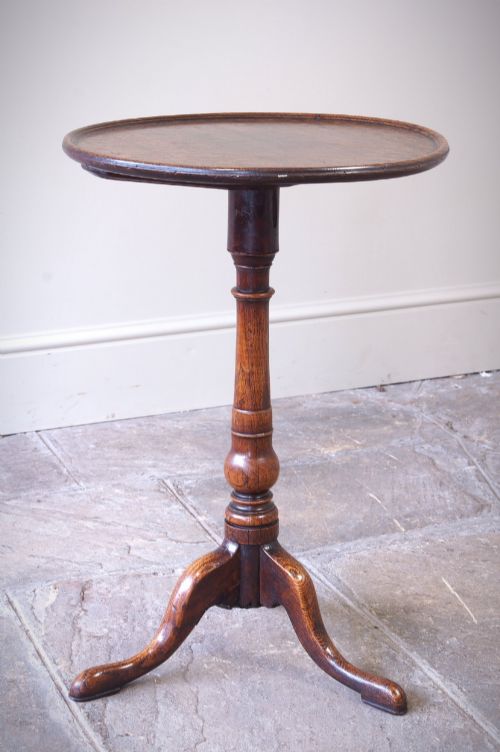
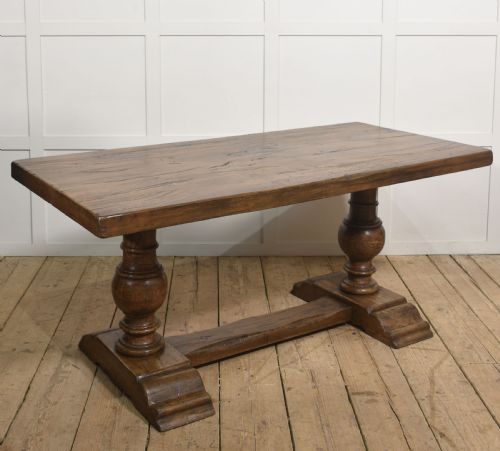
A rustic oak pedestal table comprises timber forms supported by a central column or trestle base, frequently originating from Georgian, Victorian, and early twentieth-century periods. These pieces span diverse functional types including compact lamp tables, tripod wine tables, occasional stands, and substantial dining surfaces.
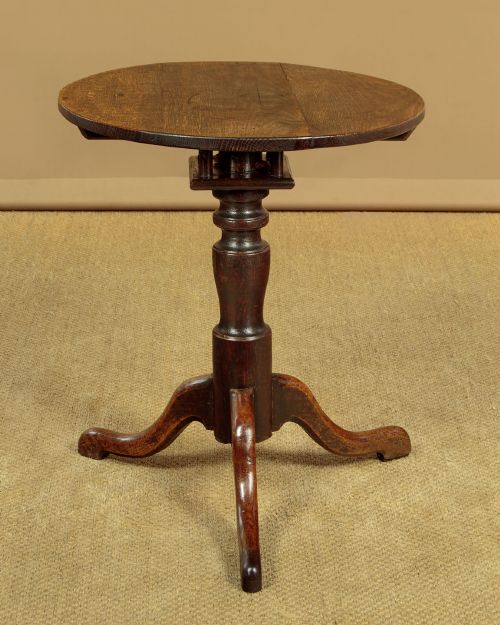
The versions most commonly encountered on this page date from the nineteenth and eighteenth centuries, often displaying vernacular or country characteristics such as simple turned shafts and planked tops. Alongside standard side tables, the listings include specialised forms like tilt-top tripod designs and painted variants.
Makers working within country styles favoured practical utility, resulting in pieces shaped by regional British and European traditions. The selection reveals a strong presence of oak complemented occasionally by secondary timbers like pine and yew.
Materials and construction methods
Carpenters utilised solid oak alongside supplementary woods such as pine, yew, and twig wood to construct these tables, frequently employing traditional joinery techniques. Surfaces occasionally display historic paint finishes or mellow patination developed over centuries of use.
Pedestal supports take various structural forms, from central turned columns on tripod legs to sturdy trestle bases and occasional pillar arrangements. Timber selection prioritized durability and grain character, yielding robust furniture intended for daily domestic service.
Listings feature oak predominantly, alongside secondary materials like pine, yew, brass, and iron across eighteenth and nineteenth-century periods.
Distinctions in quality and execution
Superior examples demonstrate thoughtful proportions, harmonious timber selection, and stable pedestal construction that resists wobble. Finer pieces often incorporate subtle carved details, well-fitted tilt mechanisms, or desirable mellow patination on the oak surfaces.
Lower tiers of quality typically manifest as crude later alterations, heavy structural instability in the central column, or unsympathetic repairs that compromise the integrity of the original timber.
The Rustic Oak Pedestal Table Glossary
- Tripod table
- A small occasional table supported by a central pillar resting on three legs. These versatile pieces often featured tilt-top mechanisms for convenient storage.
- Refectory table
- A long, narrow dining table traditionally used for communal meals. Examples in this category utilise solid oak and sturdy trestle or pedestal supports.
- Tilt-top
- A tabletop hinged to the central pedestal allowing the surface to fold vertically when not in use. This clever mechanism saved valuable floor space in historical interiors.
- Vernacular
- Furniture made by local craftsmen following regional traditions rather than high-style metropolitan designs. These pieces emphasise practical utility and local materials.
- Yew wood
- A dense, richly grained timber utilised alongside oak in select occasional tables. Cabinet makers prized it for decorative contrast and durability.
Rustic Oak Pedestal Table: Frequently Asked Questions
How do I identify a Georgian pedestal table?
Georgian examples typically display elegant proportions, finely turned central columns, and traditional pegged joinery. Look for timber with a natural, mellow patination developed over centuries.
Secondary woods and construction marks underneath the top often provide further clues regarding the period and regional workshop origin.
Can I use an antique tripod table for daily dining?
Smaller tripod and wine tables suit occasional use for lamps or drinks rather than heavy family meals. Their three-legged pedestal design prioritizes mobility and compact charm over heavy weight-bearing capacity.
Larger trestle and pedestal formats in the collection offer the stability needed for regular seating and dining functions.
How should I care for a rustic oak surface?
Maintain the timber by dusting with a dry cloth and applying natural beeswax periodically to nourish the grain. Avoid placing antique oak tables near direct heat sources or moisture.
Protecting the surface from spills preserves the historic finish and encourages a deeper patination over time.
What does a tilt-top mechanism involve?
A tilt-top design connects the tabletop to the central pillar via a hinged catch, allowing the surface to pivot upright. This historical feature enabled servants to store tables flat against walls when rooms required clearing.
Checking the mechanism ensures the catch secures the top firmly in both horizontal and vertical positions.