


Rustic Oak Display Dresser
A rustic oak display dresser brings solid timber storage and traditional plate racks straight from the country kitchen into modern dining spaces.
Rustic Oak Display Dresser
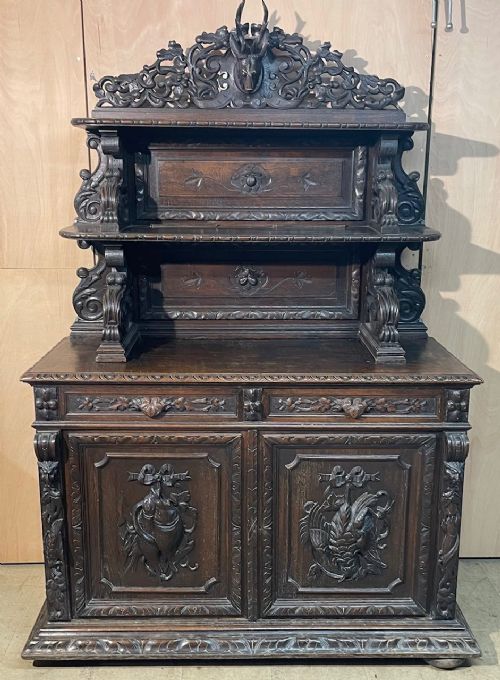
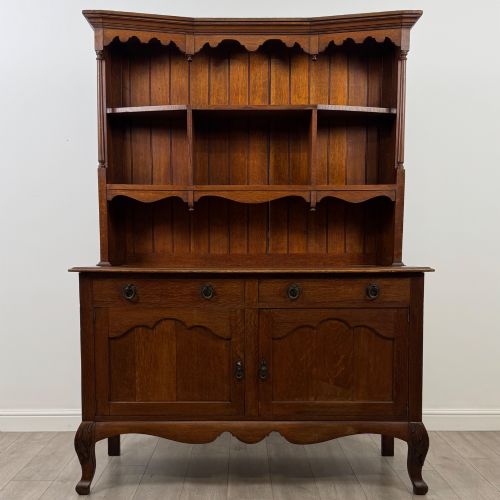
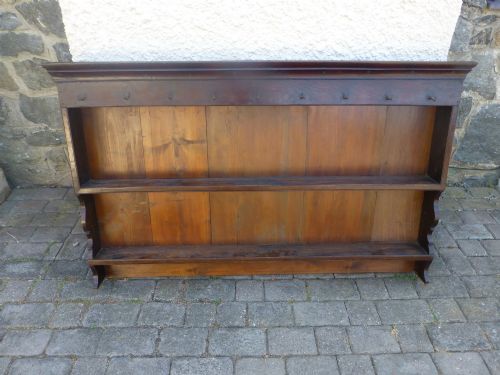
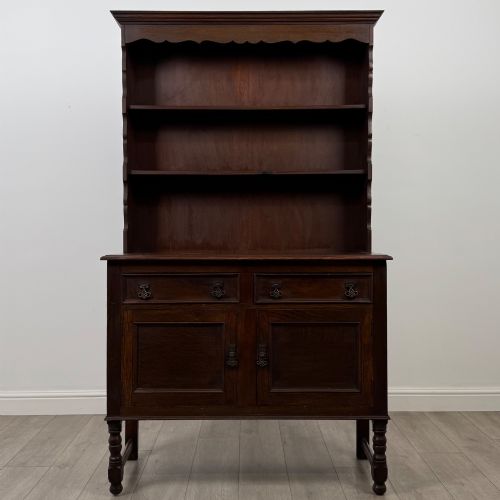
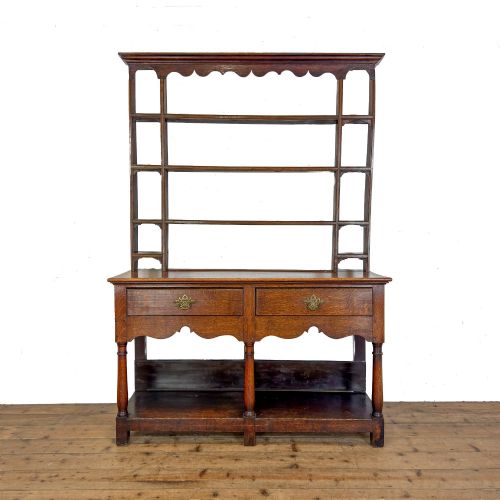
A rustic oak display dresser combines a lower base of drawers, cupboards, or potboards with an upper tiered plate rack for showcasing ceramics. These kitchen and cottage pieces span regional styles including English country, Welsh vernacular, and French provincial traditions.
The pieces appearing on this page range from compact plate racks and small cottage cupboards to substantial two-part Georgian and 18th-century country examples. Oak serves as the primary timber across these domestic storage forms, sometimes paired with secondary structural woods like pine.
Makers built these heavy items for daily utility in farmhouses and rural homes, leading to practical configurations like breakfront drawers and enclosed cupboards. Buyers encounter various historic periods, from early 18th-century regional workshops up to Edwardian and later interpretations.
Materials and construction methods
Cabinetmakers constructed these dressers primarily from solid oak, utilising traditional joinery such as pegged mortise and tenon frames for structural longevity. Secondary elements like drawer linings and backboards occasionally incorporate pine or local softwoods.
Hardware consists of forged iron hinges, latches, and brass pulls that secure doors and drawers built for heavy household use. Glass panels appear on later or vitrine-style upper sections, while open plate racks feature grooved display shelves to hold trenchers and platters safely.
Listings feature periods spanning from the 17th century through the Georgian era, Victorian period, and into early 20th-century styles.
Judging quality in country oak furniture
Quality rests upon the integrity of the original timber surfaces, the crispness of hand-cut joints, and the retention of period hardware. Pieces that retain their original two-part configuration without mismatched upper and lower sections command greater regard from collectors.
Regional character and untouched patination distinguish finer vernacular items from heavily altered examples. Subtle details like shaped friezes, potboard bases, and breakfront drawer arrangements indicate higher ambition from the original rural joiner.
The Rustic Oak Display Dresser Glossary
- Delft rack
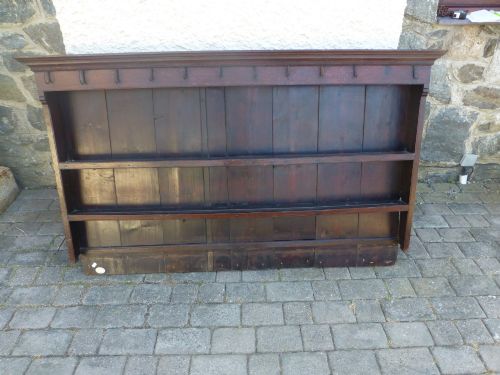
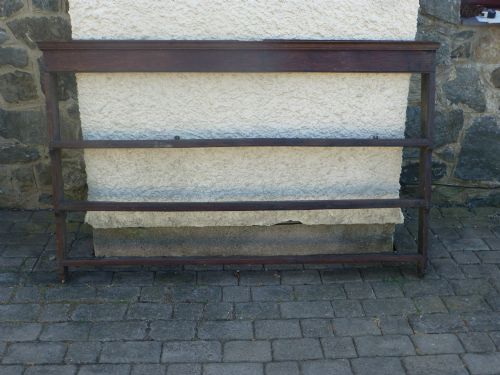
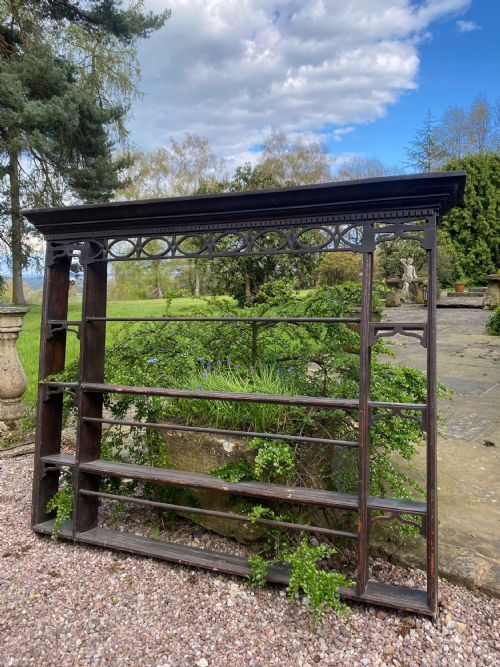
- An open wooden shelving unit mounted to a wall or sitting on a dresser base to display ceramic plates and platters. These racks feature narrow grooves along the shelves to keep plates leaning securely.
- Potboard
- A lower open shelf positioned near the floor in traditional Welsh and English dressers. Originally utilised to store heavy cooking pots and metalware.
- Two-part dresser
- A cabinet constructed as two distinct modular sections, comprising a heavy lower base and a detachable upper plate rack or cupboard. This modular building method helped transport heavy furniture into rural cottages.
- Breakfront
- A furniture facade where the central section projects forward from the flanking outer cupboards or drawers. This architectural arrangement adds visual depth to larger dining room pieces.
- Vernacular furniture
- Domestic pieces made by local regional cabinetmakers following traditional local patterns rather than metropolitan academic designs. These items emphasise utility and local timber availability.
Rustic Oak Display Dresser: Frequently Asked Questions
What is a Welsh dresser?
A Welsh dresser is a traditional combination of a lower storage base with cupboards or drawers and an upper open rack for plates. These regional kitchen pieces evolved to hold domestic ceramics and metal kitchenware.
Traditional examples from Wales often feature local timbers like oak and distinctive potboard bases. They served as the central storage hub in rural farmhouse kitchens.
How do I date an old oak dresser?
Dating relies on examining construction marks, timber characteristics, and hardware types used in the joints. Hand-planed boards, pegged joinery, and forged iron fittings typically point to 18th-century or earlier origins.
Later Victorian and Edwardian pieces often display machine-sawn timber and different drawer construction methods. Regional styles also shift subtly across the centuries.
Can I use a plate rack separately?
Many upper plate racks were originally designed to sit directly on a dresser base or mount independently to a wall. Historical examples often function as wall-hung shelving units without their original lower cabinets.
Securing the rack safely to a solid wall is essential when displaying heavy ceramic plates. Measuring the available wall space ensures the proportions match your dining room.
How do I care for antique oak?
Maintaining antique oak involves keeping the timber away from direct heat sources and sudden humidity changes. Natural wax polishes applied sparingly help preserve the historic surface patination without building up heavy residues.
Avoid using modern liquid silicones or harsh chemical cleaners on old wood finishes. Gentle dusting with a dry cloth keeps the surface clean.