


Rustic Oak Bed
A rustic oak bed provides solid timber construction and enduring vernacular character for any traditional bedroom scheme.
Rustic Oak Bed
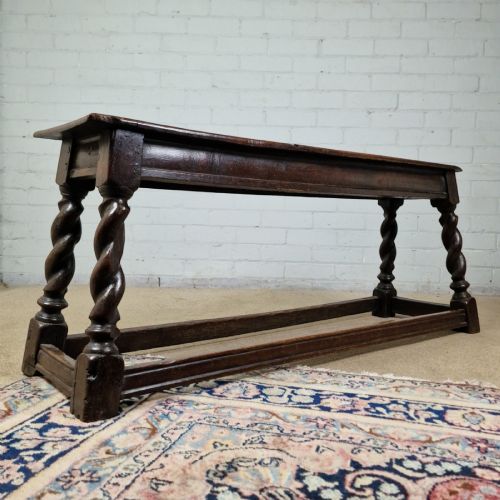
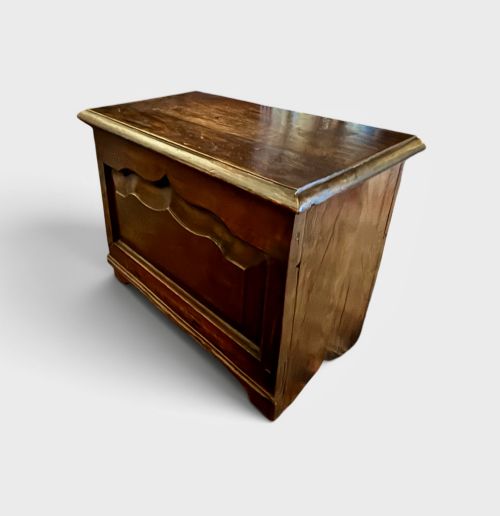
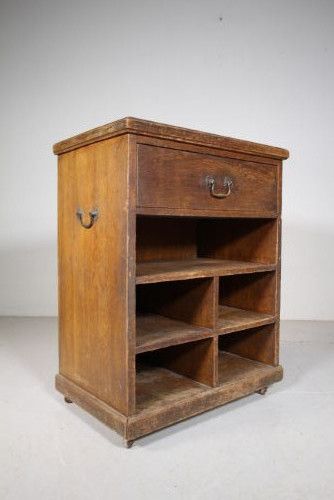
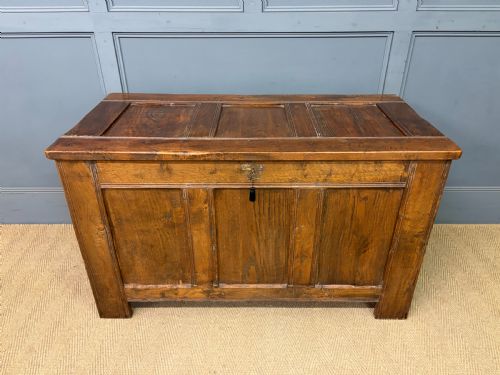
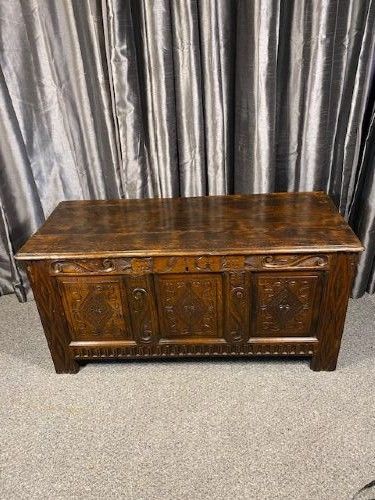
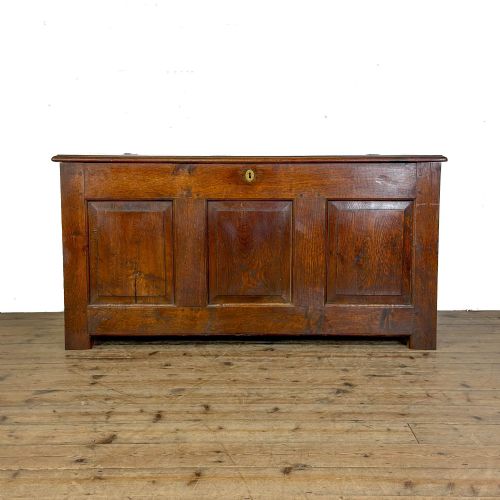
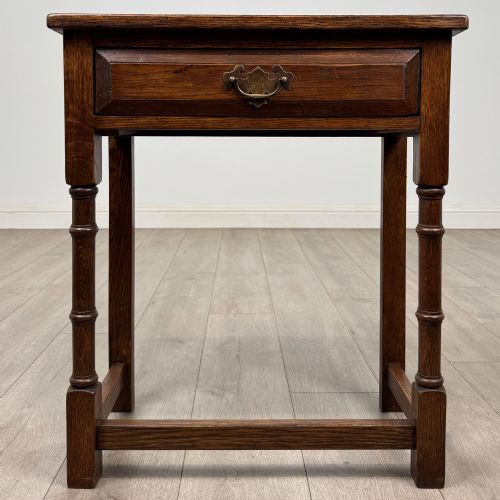
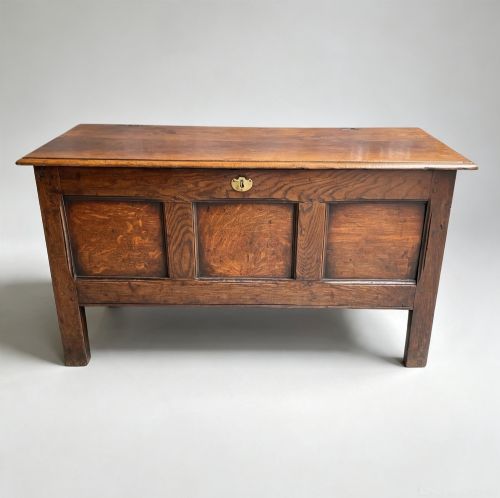
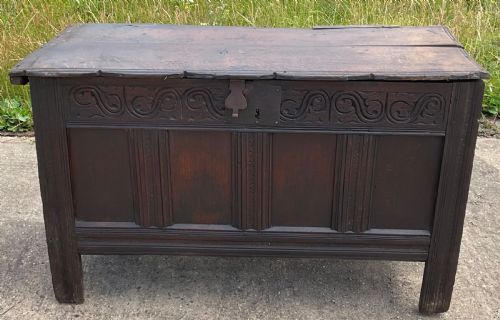
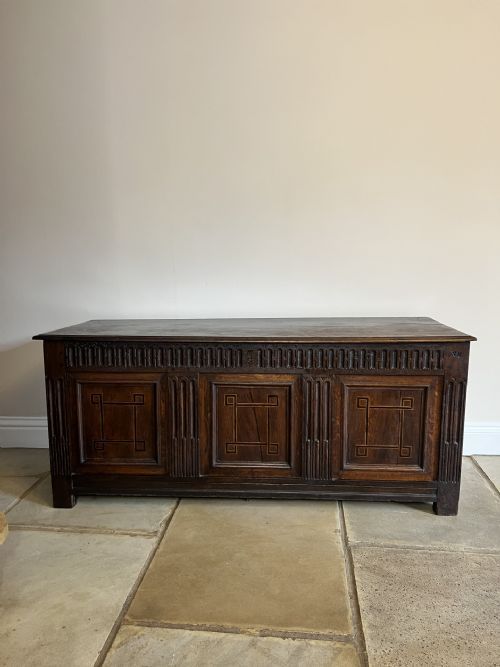
A rustic oak bed brings sturdy vernacular timber construction into the sleeping quarters, drawing upon centuries of country craftsmanship. While the listings here lean heavily towards coffers, chests, and occasional seating rather than full bed frames, they share the exact same heavy oak timber vocabulary and honest joinery.
When buyers search for a rustic oak bed, they are typically after the deep patination, visible grain, and unpretentious form characteristic of early English and continental country furniture. Pieces range from seventeenth-century coffers to nineteenth-century single beds and enclosed Breton bed fronts repurposed as cabinets.
The materials and forms available demonstrate a clear lineage of utilitarian domestic storage and sleeping furniture built to last for generations. Oak predominates, frequently complemented by wrought iron hinges and chestnut elements, anchoring the rustic aesthetic firmly in historical practicality.
Assessing quality and proportion
Quality in these pieces is dictated by the integrity of the timber, the depth of the natural patination, and the honesty of the construction. Superior examples retain their original boards, unreplaced hardware, and crisp hand-carved detailing without excessive later intervention.
Proportion and scale also separate the ordinary from the exceptional, as smaller, well-balanced coffers and neat single beds command greater appreciation among collectors. Heavy-handed restoration or stripped surfaces that remove the accumulated colour of centuries diminish both the visual appeal and historical honesty.
The listings show pieces spanning from the seventeenth century through the Victorian era, executed primarily in solid oak with occasional brass and iron hardware.
The Rustic Oak Bed Glossary
- Coffer
- A heavy wooden chest with a hinged lid, traditionally used for storing valuables, textiles, or provisions in domestic settings. These form the bulk of early country furniture survivals.
- Mule chest
- A storage chest featuring one or more drawers beneath the main internal compartment, combining the function of a coffer with basic drawer storage. They gained popularity during the Georgian period.
- Lit-clos
- An enclosed or cupboard bed originating from regions such as Brittany, designed to retain heat in draughty farmhouses during winter months. Surviving fronts are frequently adapted into freestanding cabinets.
- Patina
- The deep, lustrous surface sheen developed on timber over centuries through handling, waxing, and exposure to light. It serves as a key indicator of age and genuine preservation.
- Vernacular furniture
- Domestic pieces made by local craftsmen for everyday use, distinct from high-style urban workshop productions. They prioritise functional utility and local material availability.
Rustic Oak Bed: Frequently Asked Questions
How do I date an oak coffer?
Dating relies on observing construction methods, such as hand-split panels, early ironwork hinges, and the style of any carved decoration. Hand-pegged joints and irregular tool marks generally point towards seventeenth or early eighteenth-century origins.
Later nineteenth-century pieces often display more uniform machine sawing and standard brass or iron fixings. Comparing the timber shrinkage and the depth of the wax patination provides further context for the age of the piece.
Are these beds comfortable for daily use?
Period wooden bed frames and related sleeping furniture were built to historical dimensions, which are often shorter and narrower than modern standard mattresses. Adapting them frequently requires custom mattress sourcing to fit the internal frame safely.
Many pieces listed under this category are actually storage chests or repurposed bed components rather than full standing beds. Buyers planning to sleep in a period frame should verify internal measurements carefully before purchase.
How should I care for rustic oak timber?
Maintain the surface by applying traditional beeswax sparingly and buffing with a soft cloth to preserve the natural lustre. Avoid placing timber furniture near direct heat sources or in fluctuating humidity to prevent splitting.
Cleaning should be done with a dry or barely damp cloth, steering clear of modern silicone sprays that can damage the historical polish. Regular gentle care keeps the wood nourished without altering its accumulated character.
What is the difference between a coffer and a blanket chest?
A coffer is traditionally a heavy-duty storage box, often reinforced with iron, that served multiple domestic purposes including seating and table surfaces. Blanket chests generally emerged slightly later as dedicated repositories for household textiles and linens.
While both terms overlap significantly in antique listings, coffers often display more architectural framing and early seventeenth or eighteenth-century construction. Blanket chests frequently incorporate lower drawer sections or simpler panelled designs suited for bedroom storage.